
The evolution of digital assets has transformed the landscape of personal finance, moving cryptocurrency from a niche interest for technologists to a legitimate asset class for global investors. As the market matures, the most pressing question for newcomers is no longer just “what” to buy, but “where” to buy it safely and efficiently. Navigating the myriad of platforms requires an understanding of security, liquidity, and financial regulation.
Choosing the right venue to acquire cryptocurrency is a critical decision that impacts your transaction costs, the security of your capital, and the ease with which you can manage your portfolio. This guide explores the primary avenues for purchasing crypto coins, categorized by their functionality and suitability for different types of financial goals.
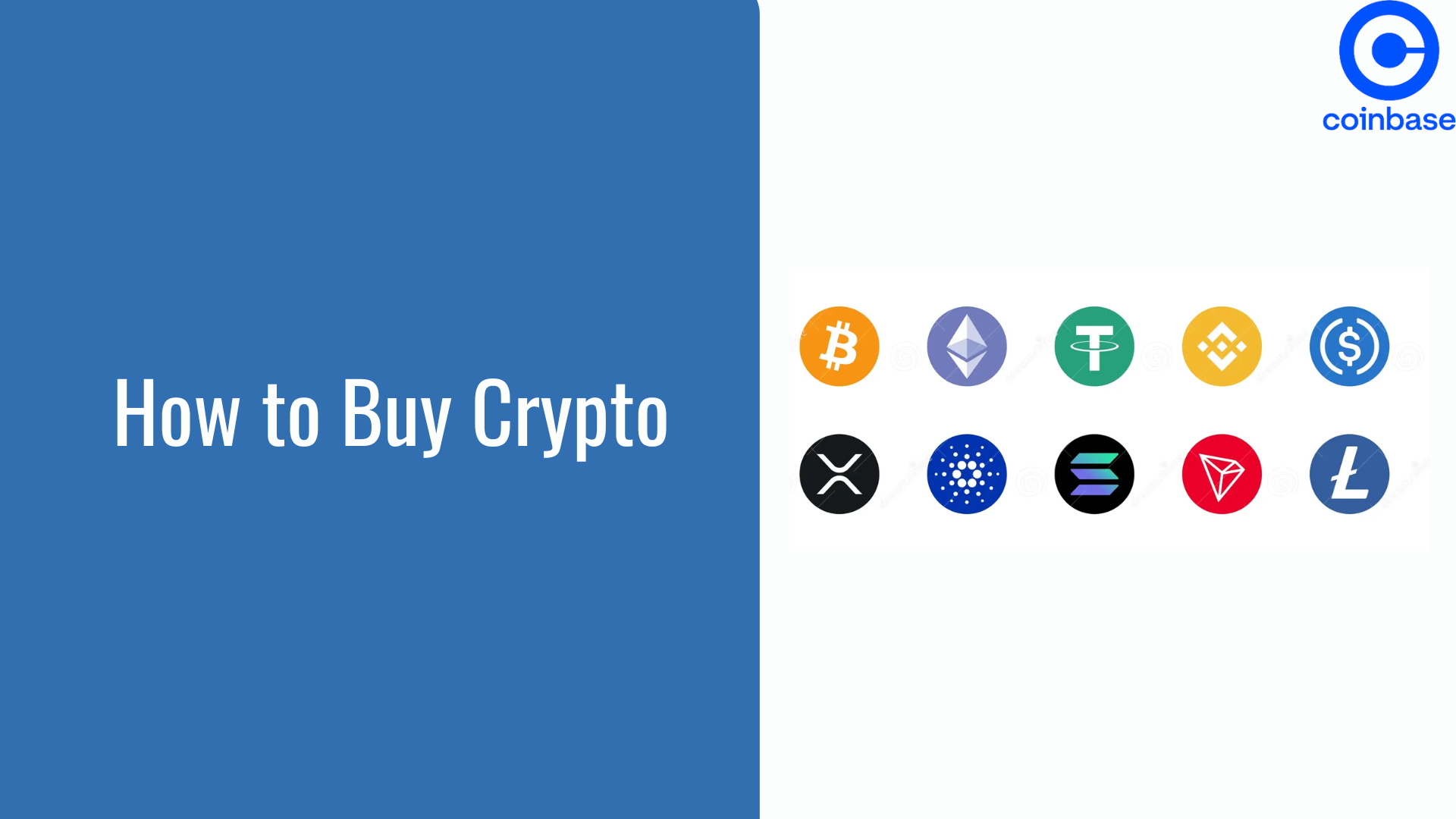
1. Centralized Exchanges (CEX): The Entry Point for Most Investors
Centralized exchanges are the most common starting point for individuals entering the crypto market. Operating similarly to traditional stock brokerages, these platforms act as intermediaries between buyers and sellers, providing a user-friendly interface to trade fiat currency (like USD or EUR) for digital assets.
The Role of Major Global Platforms
Platforms such as Coinbase, Binance, and Kraken have become the titans of the industry. They offer deep liquidity, meaning you can buy or sell large amounts of cryptocurrency without significantly affecting the price. For a beginner, these platforms provide the highest level of convenience. They offer mobile apps, real-time price tracking, and the ability to link a bank account or credit card directly to your investment account.
Security and Regulatory Compliance
One of the primary advantages of using a reputable centralized exchange is their adherence to financial regulations. Most major exchanges require “Know Your Customer” (KYC) and “Anti-Money Laundering” (AML) verification. While this involves providing identification, it ensures that the platform is operating within the legal frameworks of the jurisdictions they serve. Furthermore, established exchanges often maintain insurance funds and use institutional-grade cold storage to protect user funds from cyber threats.
Understanding Fee Structures
From a personal finance perspective, understanding the cost of your investment is paramount. Centralized exchanges typically charge fees in three ways: trading fees (a percentage of the transaction), spread (the difference between the buy and sell price), and withdrawal fees. It is essential to compare these costs, as high fees can significantly erode your investment returns over time, especially for frequent traders.
2. Decentralized Exchanges (DEX): Financial Sovereignty and Peer-to-Peer Trading
For investors who prioritize privacy and the ethos of “being your own bank,” decentralized exchanges (DEXs) offer an alternative. Unlike centralized counterparts, DEXs do not have a central authority or intermediary. Instead, they facilitate trades directly between users through automated smart contracts.
The Mechanism of Liquidity Pools
DEXs like Uniswap (on Ethereum) or PancakeSwap (on Binance Smart Chain) utilize liquidity pools rather than traditional order books. Users provide their assets to these pools in exchange for a share of the trading fees. When you buy a crypto coin on a DEX, you are interacting directly with the blockchain. This method is often preferred by seasoned investors looking for “altcoins”—smaller, newer projects that may not yet be listed on major centralized exchanges.
Custodianship and the Use of Private Wallets
The most significant difference when using a DEX is custodianship. On a centralized exchange, the platform holds your coins for you. On a DEX, you must use a non-custodial wallet (such as MetaMask or Trust Wallet). This means you have total control over your private keys and your funds. From a financial security standpoint, this eliminates “platform risk”—the danger of an exchange going bankrupt or being hacked—but it increases personal responsibility. If you lose your wallet’s recovery phrase, your money is gone forever.

Navigating Technical Barriers and Gas Fees
While DEXs offer more freedom, they come with higher technical hurdles and varying costs. Every transaction on a blockchain requires a network fee, often referred to as “gas.” Depending on network congestion, these fees can sometimes exceed the value of the trade itself. Investors must factor these costs into their financial strategy, often opting for Layer 2 scaling solutions or alternative blockchains to minimize expenses.
3. Mainstream Fintech Apps: Convenience for the Casual Investor
In recent years, traditional financial technology companies have integrated cryptocurrency into their existing platforms. This has lowered the barrier to entry for casual investors who may not want to manage a dedicated crypto exchange account.
Integration with PayPal, Venmo, and Cash App
For many, the easiest place to buy crypto coins is through apps they already use for daily financial tasks. PayPal and Venmo allow users to buy, sell, and hold a limited selection of major cryptocurrencies like Bitcoin and Ethereum. Similarly, Cash App has become a popular destination for Bitcoin enthusiasts due to its simple interface and recurring purchase features.
Pros and Cons of “Closed Loop” Systems
The primary benefit here is simplicity and the consolidation of your financial life. You can buy $20 worth of Bitcoin using your existing balance or linked bank account in seconds. However, there is a trade-off. Many of these platforms originally operated as “closed loops,” meaning you could buy and sell crypto but could not transfer it to an external wallet. While many are now adding transfer capabilities, these apps often charge higher spreads and offer fewer technical tools than dedicated exchanges.
The Role of Traditional Brokerages
Traditional investment platforms like Robinhood and Fidelity have also entered the space. For investors who view crypto as just one part of a broader portfolio alongside stocks and ETFs, these platforms provide a unified view of their net worth. This integration simplifies tax reporting and asset allocation, though it may lack the advanced trading features found on specialized crypto platforms.
4. Strategic Financial Considerations Before Purchasing
Buying cryptocurrency is not merely a technical act; it is a financial one. Before deciding where to buy, an investor must establish a strategy that encompasses security, taxes, and risk management.
Cold Storage vs. Hot Wallets
A critical rule in crypto-finance is: “Not your keys, not your coins.” While keeping assets on an exchange is convenient for trading, it is generally considered risky for long-term holding. Serious investors often move their coins to “cold storage”—hardware wallets that are not connected to the internet. This protects the assets from online hacks. When deciding where to buy, consider whether the platform allows for easy and affordable withdrawals to your own private storage.
Tax Obligations and Financial Record Keeping
In most jurisdictions, cryptocurrency is treated as property for tax purposes. Every time you sell, trade, or even spend crypto, it may trigger a capital gains tax event. When choosing a platform, look for those that provide robust transaction history downloads or integrate with tax software. Maintaining meticulous records is essential to ensure you are compliant with local tax laws and to avoid potential audits or penalties.
Diversification and Portfolio Balance
Finally, the “where” should be dictated by your broader financial goals. Cryptocurrency is highly volatile. Professional financial advisors often recommend that crypto make up only a small percentage of a diversified portfolio. Automated features like “Dollar Cost Averaging” (DCA)—where you buy a fixed dollar amount of a coin at regular intervals regardless of the price—are available on most major exchanges and fintech apps. This strategy helps mitigate the risk of market volatility and removes the emotional stress of trying to “time the market.”
Summary
The “best” place to buy crypto coins depends entirely on your level of experience, your technical comfort, and your financial objectives. For the beginner looking for safety and ease of use, centralized exchanges or mainstream fintech apps are the logical choice. For the privacy-conscious investor or those seeking early-stage projects, decentralized exchanges offer unparalleled freedom. Regardless of the platform, success in the crypto market requires a disciplined approach to security and a clear understanding of the financial responsibilities that come with digital asset ownership. By choosing a reputable platform and maintaining a long-term perspective, you can effectively integrate cryptocurrency into your modern financial strategy.
aViewFromTheCave is a participant in the Amazon Services LLC Associates Program, an affiliate advertising program designed to provide a means for sites to earn advertising fees by advertising and linking to Amazon.com. Amazon, the Amazon logo, AmazonSupply, and the AmazonSupply logo are trademarks of Amazon.com, Inc. or its affiliates. As an Amazon Associate we earn affiliate commissions from qualifying purchases.