
Since its inception in 2009, Bitcoin has evolved from a cryptic experiment in digital peer-to-peer cash into a global financial powerhouse. For investors, financial analysts, and the general public, the question “What is Bitcoin worth?” is both simple and incredibly complex. While the ticker price on an exchange provides a real-time answer, the true “worth” of Bitcoin—its intrinsic value, its utility as a store of value, and its potential as a hedge—requires a deeper dive into the mechanics of personal finance and global economics.
In the world of money, value is often subjective, driven by scarcity, utility, and consensus. To understand what Bitcoin is worth, we must look beyond the daily price fluctuations and examine the fundamental pillars that support its valuation in a modern investment portfolio.

The Mechanics of Valuation: Scarcity, Supply, and the Network Effect
In traditional finance, an asset’s value is often derived from cash flow, dividends, or industrial utility. Bitcoin, however, shares more DNA with commodities like gold. Its value is rooted in a unique combination of programmed scarcity and the growing “Network Effect.”
The 21 Million Cap and Programmed Scarcity
The most fundamental driver of Bitcoin’s worth is its absolute scarcity. Unlike fiat currencies (such as the US Dollar or the Euro), which can be printed at the discretion of central banks, Bitcoin has a hard cap of 21 million coins. This supply is governed by code, not politics.
In personal finance, scarcity is a primary driver of value. When the supply of an asset is fixed and the demand increases, the price must rise to reach a new equilibrium. This “disinflationary” model is a sharp contrast to the inflationary nature of modern money, where the purchasing power of savings often diminishes over time. For many investors, Bitcoin’s worth is tied to its role as a “hard money” alternative that cannot be debased by government policy.
The Network Effect and Metcalfe’s Law
The worth of a financial network is often proportional to the square of the number of its users—a principle known as Metcalfe’s Law. As more individuals, corporations, and even nation-states adopt Bitcoin, the network becomes more secure, more liquid, and more valuable.
Bitcoin’s value is not just in the “coin” itself, but in the infrastructure surrounding it. The thousands of nodes, the massive computing power (hash rate) securing the ledger, and the millions of active wallets create a robust financial ecosystem. This network effect creates a “moat” around Bitcoin, making it the dominant player in the digital asset space and reinforcing its value through sheer scale and adoption.
Bitcoin as a Financial Asset Class: From Speculation to “Digital Gold”
For the better part of a decade, Bitcoin was viewed as a speculative tool for tech enthusiasts. Today, it has transitioned into a recognized asset class, often referred to as “Digital Gold.” This shift has fundamentally changed how the financial world calculates its worth.
The Store of Value Argument
Gold has served as the world’s premier store of value for centuries because it is durable, divisible, and scarce. Bitcoin possesses these same qualities but improves upon them for the digital age. It is more portable than gold (you can send it across the globe in minutes), more divisible (each Bitcoin can be broken down into 100 million “Satoshis”), and easier to verify (no need for chemical assays).
When investors ask what Bitcoin is worth, they are increasingly comparing its market capitalization to that of gold. If Bitcoin were to capture even half of gold’s market share, its price per coin would exceed several hundred thousand dollars. This “store of value” framework is why many long-term investors view Bitcoin as a core component of a diversified portfolio, especially in times of geopolitical instability.
Institutional Adoption and the Spot ETF Era
The entry of institutional giants like BlackRock, Fidelity, and Franklin Templeton has validated Bitcoin’s worth in the eyes of the traditional financial system. The approval of Spot Bitcoin ETFs (Exchange-Traded Funds) in the United States marked a watershed moment for the asset’s valuation.
ETFs provide a regulated, accessible way for pension funds, 401(k) accounts, and retail investors to gain exposure to Bitcoin without the complexities of managing private keys. This influx of “institutional liquidity” stabilizes the market and provides a floor for Bitcoin’s value. When trillion-dollar asset managers include Bitcoin in their recommendations, the asset’s worth is no longer a question of “if,” but “how much” of a portfolio it should occupy.
Fundamental Drivers of Price: The Halving and Macroeconomics
Understanding the worth of Bitcoin also requires an analysis of the specific events and economic conditions that trigger price movements. In the realm of money, timing and macro-trends are everything.
The Halving Cycles: A Supply-Side Shock
Every four years, Bitcoin undergoes an event called “the halving.” This is a pre-programmed reduction in the reward that miners receive for securing the network, effectively cutting the rate of new Bitcoin production in half.
Historically, the halving has been a major catalyst for price appreciation. By reducing the “sell pressure” from miners and highlighting the asset’s scarcity, the halving forces the market to re-evaluate what Bitcoin is worth. For investors, these cycles provide a predictable, transparent supply schedule that is unmatched by any other financial asset in history.
Macroeconomic Factors: Inflation and Interest Rates
Bitcoin does not exist in a vacuum; its worth is highly sensitive to the global “macro” environment. When central banks engage in quantitative easing (printing money) or when inflation rates spike, Bitcoin often sees increased demand as a hedge.
Conversely, when interest rates rise, investors often move away from “risk-on” assets. However, the narrative is shifting. As sovereign debt levels reach record highs globally, many see Bitcoin as an “insurance policy” against a potential crisis in the traditional fiat system. In this context, Bitcoin’s worth is tied to the relative strength—or weakness—of the US Dollar and other major currencies.
Analyzing the Risks: What Could Diminish Bitcoin’s Worth?
No financial analysis is complete without a discussion of risk. To understand what Bitcoin is worth, one must also understand the factors that could negatively impact its value. In the world of investing, risk and reward are always two sides of the same coin.
The Regulatory Landscape
The greatest perceived threat to Bitcoin’s worth is government regulation. While Bitcoin itself is decentralized and difficult to “shut down,” governments can regulate the “on-ramps” and “off-ramps”—the exchanges where people buy and sell Bitcoin for fiat currency.
Taxation policies, Anti-Money Laundering (AML) requirements, and potential bans on self-custody wallets could create friction in the market. However, as more countries (like El Salvador) adopt Bitcoin or create friendly regulatory frameworks (like the MiCA regulations in Europe), the “regulatory risk” is slowly transforming into “regulatory clarity,” which often leads to higher valuations.
Volatility and Market Sentiment
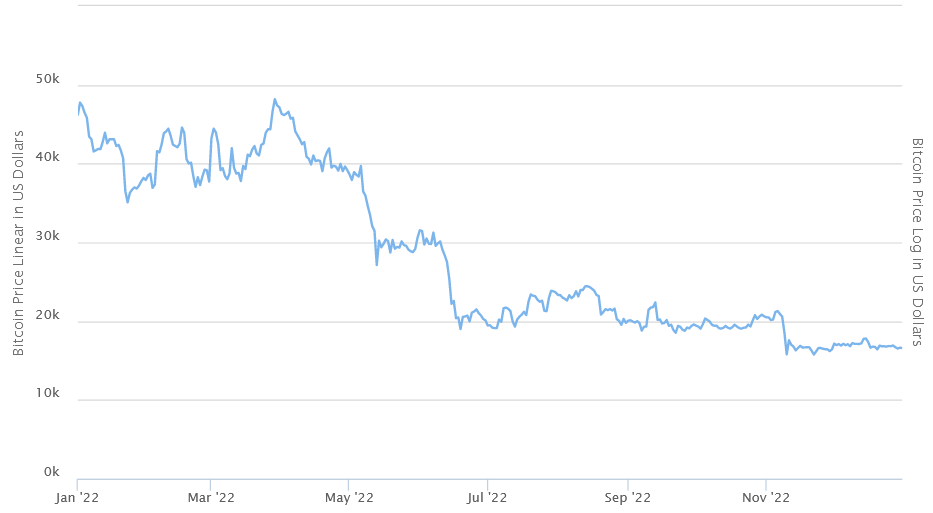
Bitcoin is notorious for its price volatility. It is not uncommon for the asset to see 20% to 50% corrections within a single year. For a short-term trader, this volatility represents a risk to capital. For a long-term investor, it is often seen as the “price of admission” for an asset that has historically outperformed almost every other market.
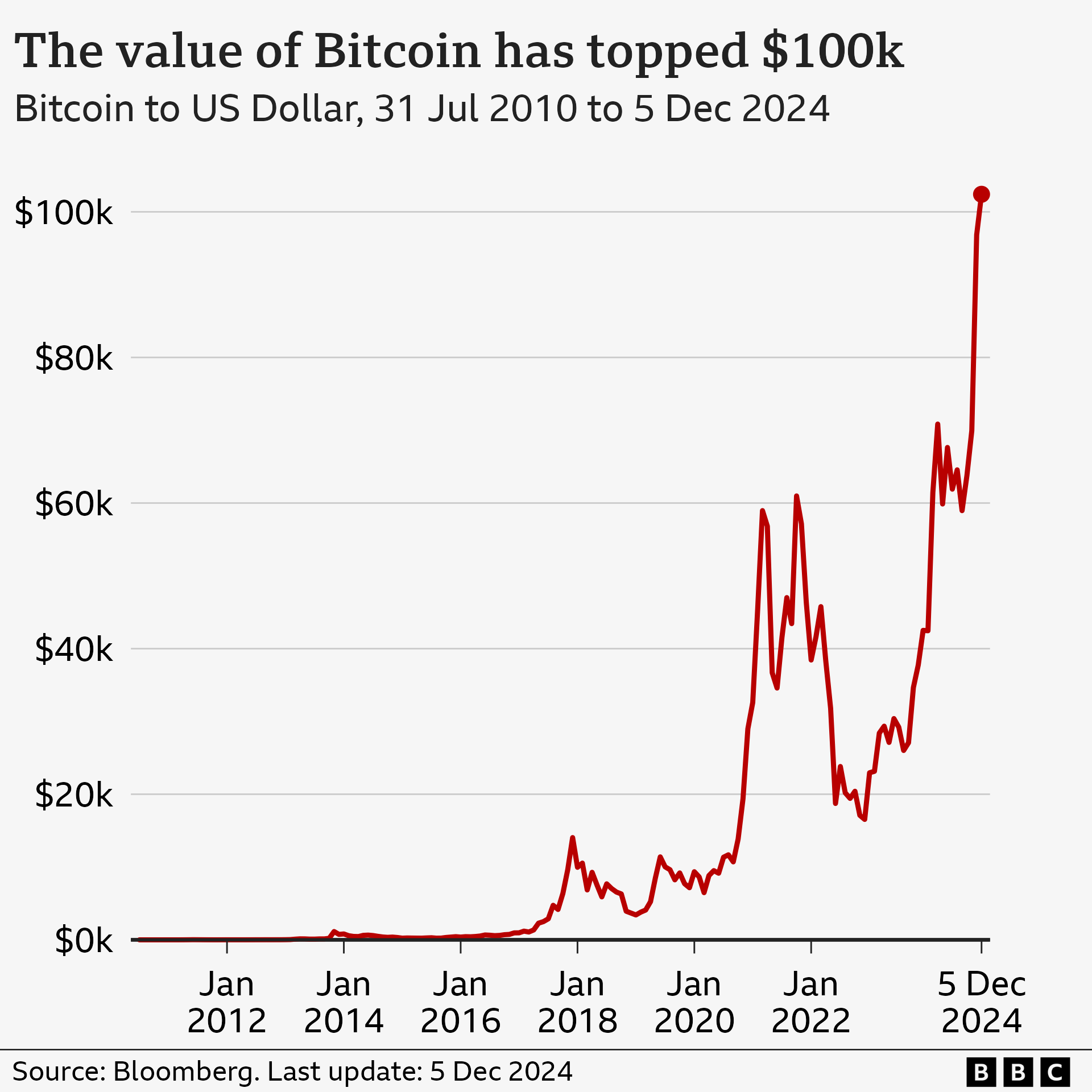
The psychological aspect of money cannot be ignored. Bitcoin’s worth is partially driven by market sentiment—the collective belief of millions of people that it has value. While this sentiment can lead to “bubbles” in the short term, the long-term trend has shown a consistent increase in the “floor” price during every market cycle.
Conclusion: Determining the Long-Term Worth of Bitcoin
So, what is Bitcoin worth? The answer depends on your timeframe and your financial goals.
If you view Bitcoin simply as a speculative digital token, its worth is merely the price you see on an exchange today. However, if you view it through the lens of personal finance and economic history, Bitcoin represents a fundamental shift in how humanity defines and stores value. It is a borderless, permissionless, and incorruptible form of money that operates independently of any central authority.
As we look toward the next decade, the worth of Bitcoin will likely be determined by its continued adoption as a global reserve asset. As institutional participation grows and the “digital gold” narrative solidifies, Bitcoin’s role in the global financial system will likely expand. For the modern investor, understanding Bitcoin is no longer optional; it is a vital component of navigating the future of money. Whether you see it as a hedge against inflation, a technological breakthrough, or a new asset class, Bitcoin’s worth is ultimately rooted in its ability to provide financial sovereignty in an increasingly digital world.
aViewFromTheCave is a participant in the Amazon Services LLC Associates Program, an affiliate advertising program designed to provide a means for sites to earn advertising fees by advertising and linking to Amazon.com. Amazon, the Amazon logo, AmazonSupply, and the AmazonSupply logo are trademarks of Amazon.com, Inc. or its affiliates. As an Amazon Associate we earn affiliate commissions from qualifying purchases.