
In an increasingly competitive world, the question “What is the easiest degree to earn?” often arises from a desire for efficiency, a strategic approach to career entry, and, fundamentally, a prudent financial decision. This isn’t merely a quest for a shortcut; it’s a sophisticated inquiry into optimizing one’s investment in education to achieve maximum financial return with minimal friction. For many, “easiest” translates to “most accessible,” “least time-consuming,” or “most cost-effective,” all of which directly impact personal finance, debt accumulation, and the trajectory of future income.
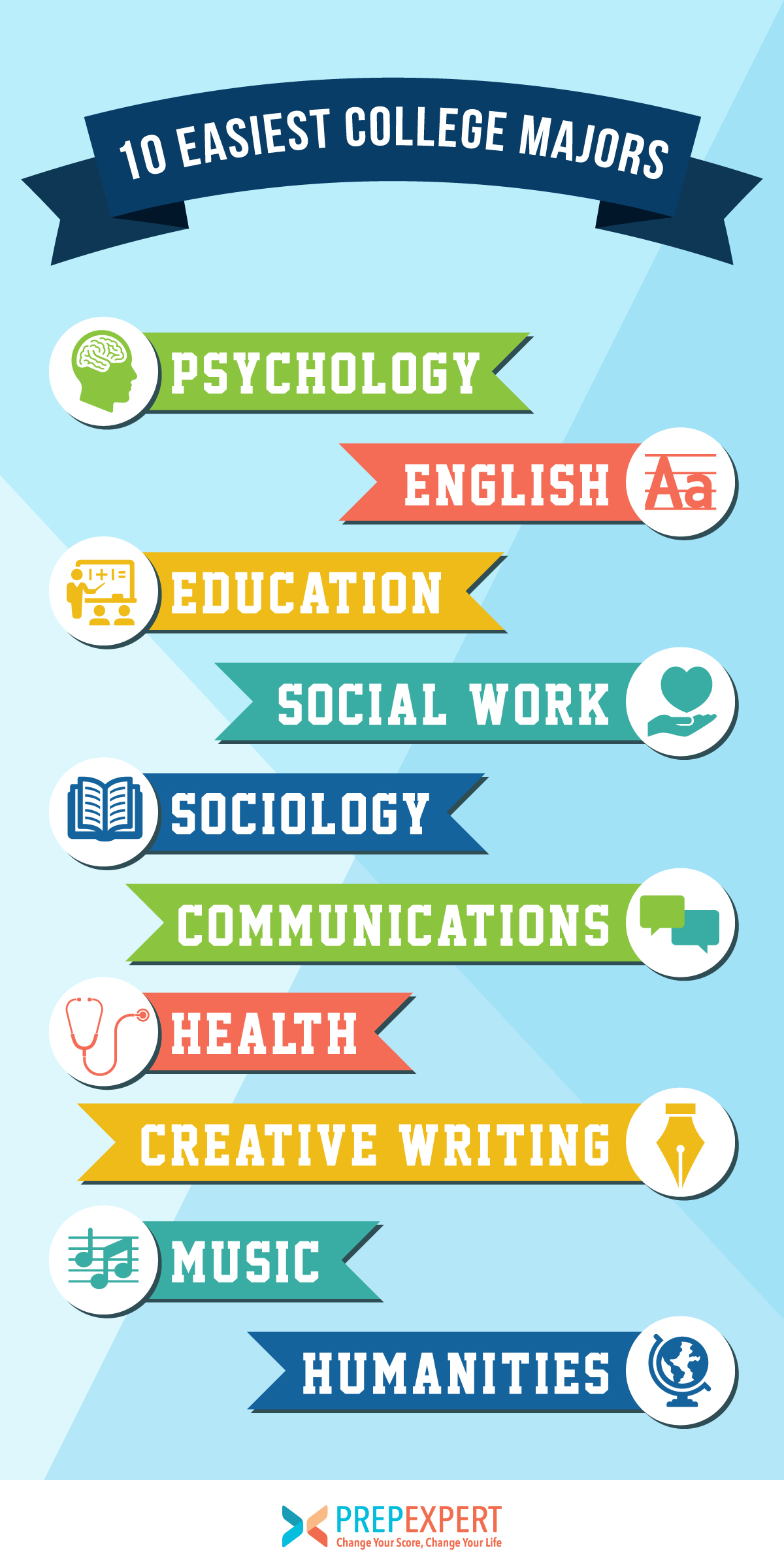
The pursuit of an “easy” degree, therefore, is rarely about intellectual laziness. Instead, it’s a calculated move to quickly acquire a credential that opens doors to stable employment, enables career pivots, or provides a foundation for further financial growth, all while minimizing the financial burden of education. Understanding which degrees offer a lower barrier to entry while still delivering significant economic value is crucial for anyone looking to make a smart educational and financial investment.
The Financial Imperative Behind “Easiest” Degrees
The true essence of seeking an “easiest” degree, particularly within the realm of personal finance, lies in its potential to accelerate financial goals. This perspective shifts the focus from academic rigor to pragmatic outcomes: how quickly can this degree lead to employment, what is its cost-to-income ratio, and how does it fit into a broader financial strategy?
Defining “Easiest” in a Financial Context
When we talk about an “easiest” degree from a financial viewpoint, we are not necessarily endorsing a lack of academic challenge. Instead, “easiest” refers to characteristics that minimize financial strain and maximize financial opportunity. This often includes:
-
Shorter Completion Times: Degrees that can be earned in less time (e.g., associate degrees, certain certifications) reduce the opportunity cost of lost wages and lower total tuition expenses.
-
Lower Tuition Costs: Community colleges, state universities, and online programs often provide more affordable pathways, directly impacting student loan debt.
-
High Employability: Degrees that lead directly to in-demand jobs with competitive starting salaries provide a quicker return on investment (ROI).
-
Accessible Learning Formats: Online or hybrid programs offer flexibility, allowing students to work part-time or full-time, thus mitigating income loss during study.
For a financially astute individual, an “easy” degree is one that efficiently serves as a launchpad into a financially viable career, rather than an arduous, costly, and potentially unlucrative academic endeavor.
Maximizing ROI on Your Educational Investment
Every dollar spent on education should be viewed as an investment. The return on investment (ROI) for a degree is measured not just by its cost versus initial salary, but by its long-term impact on earning potential, career mobility, and overall financial independence. A degree perceived as “easy” offers a high ROI if it quickly facilitates entry into a well-paying field without incurring excessive debt.
Consider the contrast between a four-year liberal arts degree with a high tuition cost and an ambiguous career path versus an 18-month associate degree in a high-demand healthcare field. While both offer valuable education, the latter often provides a quicker, more direct path to a stable income, allowing graduates to start saving, investing, and paying down any modest debt much sooner. This financial acceleration is a critical component of maximizing ROI, enabling individuals to achieve financial milestones like homeownership or retirement planning earlier in life.
The Hidden Costs and Benefits of Accelerated Paths
Accelerated degree programs, certifications, and vocational training often fall under the umbrella of “easy” due to their condensed timelines. While they offer clear benefits in reducing time out of the workforce and lowering overall costs, it’s essential to consider their perceived value in the job market and their long-term financial stability.
Benefits:
-
Reduced Debt Burden: Less time in school means fewer tuition payments and potentially lower borrowing needs.
-
Faster Entry to Workforce: Graduates begin earning sooner, shortening the period of financial dependence and accelerating income generation.
-
Focused Skill Acquisition: Many accelerated programs are highly specialized, equipping students with practical, in-demand skills.
Hidden Costs:
-
Potential for Lower Ceiling: Some accelerated degrees might have a lower long-term earning potential compared to more extensive degrees, though this is highly field-dependent.
-
Less Broad Skill Set: Highly specialized programs might not offer the same breadth of transferable skills as broader degrees, potentially limiting career pivots later on.
-
Market Perception: While improving, some employers might still prefer a traditional four-year degree for certain roles, though this is diminishing in many sectors.
Navigating these trade-offs requires careful financial planning, aligning the degree choice with both immediate income needs and long-term career aspirations.
Degrees with Lower Barriers to Entry and Strong Financial Upside
Identifying degrees that are “easiest” to earn from a financial perspective means looking for programs that balance accessibility with strong market demand and reasonable compensation. These often include vocational, associate, and certain bachelor’s degree pathways that prioritize practical skills and direct employment.
Associate Degrees and Certifications: A Stepping Stone to Financial Gains
Associate degrees, typically two-year programs offered by community colleges, and professional certifications represent some of the most financially efficient educational pathways. They are designed to provide specialized skills for immediate entry into the workforce or to serve as a stepping stone to a bachelor’s degree, often at a significantly lower cost.
-
Healthcare Support Roles: Fields like Medical Assisting, Phlebotomy, Dental Hygiene, and Medical Coding can be entered with an associate degree or specialized certification. These roles are consistently in demand, offer competitive hourly wages, and provide stability. For example, a Registered Nurse (RN) can start with an Associate Degree in Nursing (ADN), offering rapid entry into a well-paying and growing profession.
-
Information Technology (IT) Support: Certifications (e.g., CompTIA A+, Network+) or associate degrees in IT can quickly qualify individuals for help desk roles, network administration, or cybersecurity support. These positions are foundational in the tech industry and offer excellent growth potential.
-
Skilled Trades: Plumbing, electrical work, HVAC repair, and automotive technology often require certifications or associate degrees. These trades are always in demand, offer strong wages, and can lead to entrepreneurial opportunities.
These pathways significantly reduce the time and financial commitment, allowing individuals to start earning sooner and build financial stability without the heavy debt burden associated with many four-year programs.
Bachelor’s Degrees with High Accessibility and Market Demand
While often requiring a four-year commitment, certain bachelor’s degrees are considered “easier” in terms of accessibility and market entry when compared to highly specialized or mathematically intensive fields. Their broad applicability and consistent demand make them financially attractive.
-
Business Administration: A Bachelor of Business Administration (BBA) is incredibly versatile. It provides foundational knowledge in management, marketing, finance, and operations, applicable across virtually every industry. Many online BBA programs exist, further enhancing accessibility. Graduates can find roles in human resources, project management, sales, or entry-level finance, offering a solid starting salary and clear upward mobility.
-
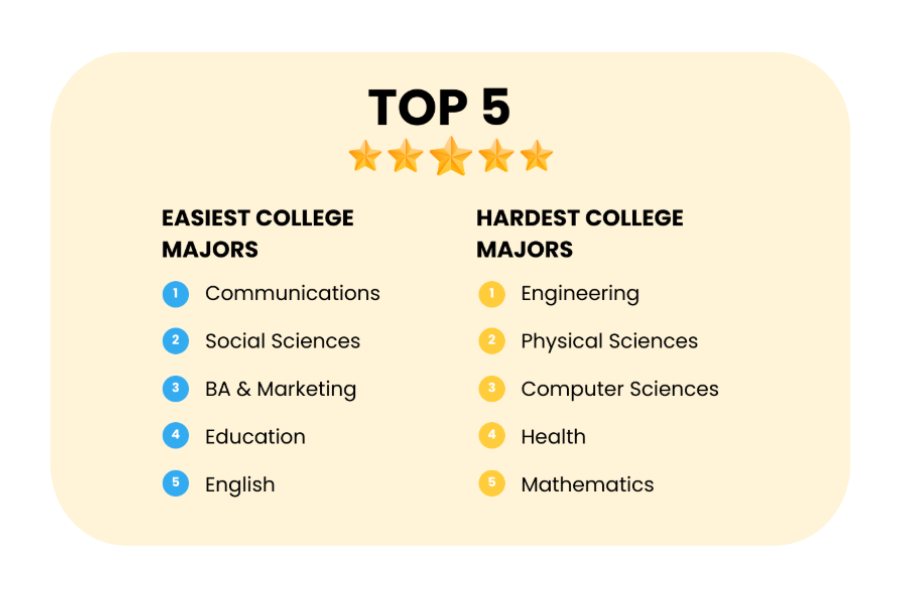
Communications: A communications degree develops highly transferable skills in writing, public speaking, media relations, and digital content creation. These skills are critical in marketing, public relations, corporate communications, and various media roles. Its broad utility makes it accessible for a wide range of career paths, often requiring strong soft skills rather than intense technical proficiency.
-
General Studies/Liberal Arts (with a Strategic Focus): While often criticized for lacking direct career paths, a general studies degree, when strategically paired with internships, minors in high-demand areas (like data analytics or digital marketing), or specific career goals, can be a financially sound choice. It can offer flexibility, a lower academic intensity in certain areas, and an opportunity to cultivate critical thinking and problem-solving skills valued by employers, especially when pursuing government or non-profit roles.
The key to maximizing the financial upside of these degrees lies in leveraging internships, networking, and developing complementary skills during the program.
Online Degrees: Lowering Geographic and Time Barriers for Financial Flexibility
The proliferation of accredited online degree programs has revolutionized accessibility, making education “easier” for many by removing geographic constraints and offering unparalleled scheduling flexibility. This directly translates to financial benefits.
-
Reduced Opportunity Cost: Online students can often continue working full-time or part-time, maintaining an income stream while pursuing their education. This significantly reduces the opportunity cost of lost wages that traditional on-campus study entails.
-
Lower Overall Costs: Online programs often have lower tuition fees, and students save on housing, commuting, and other campus-related expenses. This directly impacts the amount of student loan debt accumulated.
-
Global Access to Quality Education: Individuals in areas with limited local educational options can access reputable university programs, opening up new career possibilities and financial growth.
From associate degrees in accounting to bachelor’s degrees in IT or master’s degrees in business, online learning platforms provide a financially sensible route to obtaining credentials that can significantly boost earning potential.
Strategic Considerations for Financial Success Beyond the “Easy” Degree
While identifying an “easy” degree from a financial perspective is a smart starting point, true financial success is rarely solely dependent on the diploma itself. It’s about how that degree is leveraged and complemented by ongoing financial strategies and personal development.
Beyond the Diploma: Leveraging Your Degree for Income Generation
The “easiest” degree is only truly financially valuable if you know how to leverage it. This means actively pursuing opportunities that maximize its income-generating potential.
-
Networking: Actively build connections with professionals in your field. Networking can lead to job opportunities, mentorship, and invaluable career advice.
-
Internships and Practical Experience: Even with an “easy” degree, hands-on experience is critical. Internships, co-ops, and volunteer work demonstrate practical skills and a commitment to the field.
-
Continuous Learning: The job market evolves rapidly. Supplement your degree with certifications, online courses (e.g., in data analysis, digital marketing, project management), or workshops to stay competitive and enhance your skillset.
-
Entrepreneurship and Side Hustles: A degree can provide foundational knowledge for starting a business or launching a lucrative side hustle, turning your skills into multiple income streams.
Mitigating Student Debt: A Critical Financial Strategy
No matter how “easy” or affordable a degree is, debt management is paramount to financial well-being. Minimizing student loan burden maximizes the financial return on your educational investment.
-
Scholarships and Grants: Actively seek and apply for financial aid that doesn’t need to be repaid.
-
Community College Transfers: Start at a community college for general education requirements, which are significantly cheaper, then transfer credits to a four-year institution to complete a bachelor’s degree.
-
Employer Tuition Reimbursement: Many companies offer programs to help employees pay for degrees or certifications.
-
Public Service Loan Forgiveness (PSLF): For those considering careers in public service, PSLF can forgive federal student loan balances after a certain number of qualifying payments.
Smart financial planning before, during, and after your degree is essential for ensuring your education is a financial asset, not a liability.
The Long-Term Financial Value of Adaptability
The concept of an “easiest” degree also needs to be viewed through the lens of long-term financial adaptability. What might be “easy” to earn today and lead to immediate financial gains might not sustain its value in a rapidly changing economy. Therefore, the most financially sound approach involves selecting a degree that fosters critical, transferable skills.
-
Critical Thinking and Problem-Solving: These are invaluable skills that transcend specific industries and are crucial for career longevity and financial growth.
-
Digital Literacy: Proficiency in digital tools, data analysis, and online communication is increasingly non-negotiable across all sectors.
-
Communication Skills: The ability to articulate ideas clearly, both verbally and in writing, remains a top skill sought by employers, regardless of the technical nature of the role.
Choosing a degree that cultivates these foundational skills, even if it’s perceived as “easy” in its entry requirements, ensures a robust financial future by enabling continuous learning and career pivots.
Real-World Examples and Financial Outcomes
Observing real-world applications of accessible degrees helps illustrate their tangible financial benefits. These are not anecdotal outliers but common pathways to financial stability and growth.
Case Studies: Rapid Entry to Well-Paying Fields
-
The Registered Nurse (ADN): Many individuals pursue an Associate Degree in Nursing (ADN), typically a two-year program. Upon passing their licensing exam, they can immediately enter the workforce as an RN, earning competitive salaries and enjoying high job security. This quick entry allows them to begin paying off their relatively lower student debt much faster than a BSN graduate, often with opportunities for employer-funded BSN completion programs.
-
IT Support Specialist (Certifications/Associate Degree): An individual might earn a few key IT certifications (like CompTIA A+ and Network+) or an Associate’s in IT in 1-2 years. They can then secure an entry-level IT support position, which offers a decent starting salary and significant upward mobility into network administration, cybersecurity, or cloud computing, often with additional training.
-
Medical Sonographer (Associate Degree): These specialists perform diagnostic imaging, and their associate degree programs typically run for two years. They enter a specialized field with high demand and excellent compensation, showcasing how a targeted, accessible degree can lead to a highly lucrative career.
These examples highlight how focused, shorter-duration educational paths can provide a powerful financial springboard.

The Entrepreneurial Angle: Degrees as Launchpads for Side Hustles and Business Ventures
Even degrees not typically seen as direct paths to entrepreneurship can provide invaluable financial literacy and foundational skills. A Bachelor of Business Administration, for instance, offers insights into marketing, finance, and operations crucial for starting a side hustle or small business. A Communications degree equips individuals with the ability to market their services effectively. An IT associate degree provides the technical know-how to launch a tech consulting side gig.
The “easiest” degree, when combined with an entrepreneurial mindset, can be a potent tool for generating multiple income streams, building personal wealth, and achieving financial independence outside of traditional employment.
The question “what is the easiest degree to earn?” is, at its heart, a financially driven inquiry. It’s about making a strategic educational investment that yields the highest possible return in terms of income, career advancement, and overall financial well-being, all while minimizing the associated costs and time commitments. The “easiest” degree is subjective, depending on individual aptitudes and market demands, but it consistently aligns with programs that offer quick entry, lower financial barriers, and strong employability. By focusing on smart educational choices, diligent financial planning, and continuous skill development, anyone can transform an “easy” degree into a powerful tool for financial empowerment and long-term success.
aViewFromTheCave is a participant in the Amazon Services LLC Associates Program, an affiliate advertising program designed to provide a means for sites to earn advertising fees by advertising and linking to Amazon.com. Amazon, the Amazon logo, AmazonSupply, and the AmazonSupply logo are trademarks of Amazon.com, Inc. or its affiliates. As an Amazon Associate we earn affiliate commissions from qualifying purchases.