
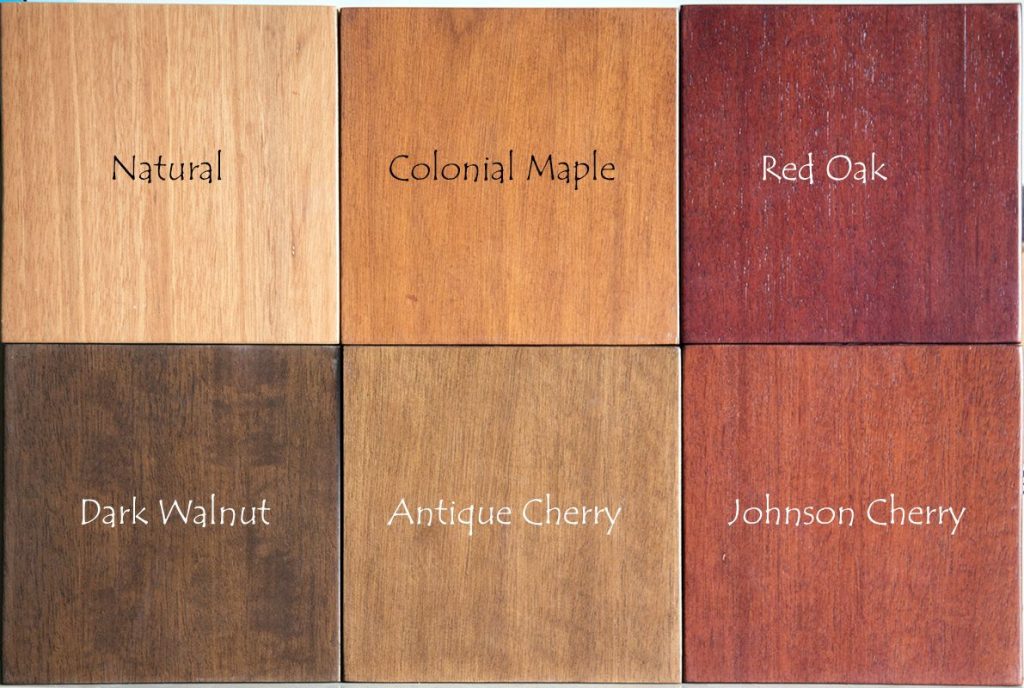
In the vast lexicon of colors, few evoke a sense of timeless elegance, deep heritage, and luxurious sophistication quite like mahogany. More than just a simple brown, mahogany is a hue laden with complexity and character, ranging from reddish-browns to deeper, almost purplish-browns, often with a warm, reddish undertone that catches the light. For brands aiming to communicate gravitas, quality, and a storied legacy, understanding and strategically employing the “color of mahogany” can be an incredibly powerful tool in their visual identity arsenal.
In the realm of branding, color is never just about aesthetics; it’s a language, a psychological trigger, and a foundational element of consumer perception. The question “what is the color of mahogany?” transcends a mere factual inquiry; it delves into how this rich, multifaceted hue can shape a brand’s narrative, influence consumer emotion, and distinguish it in a crowded marketplace. This article explores the nuanced identity of mahogany’s color and its strategic application in crafting compelling, memorable brands.
Decoding Mahogany: More Than Just a Hue
To harness the power of mahogany in branding, one must first understand its true essence. It’s not a flat, singular color but rather a spectrum of deep, warm tones.
The Spectrum of Mahogany
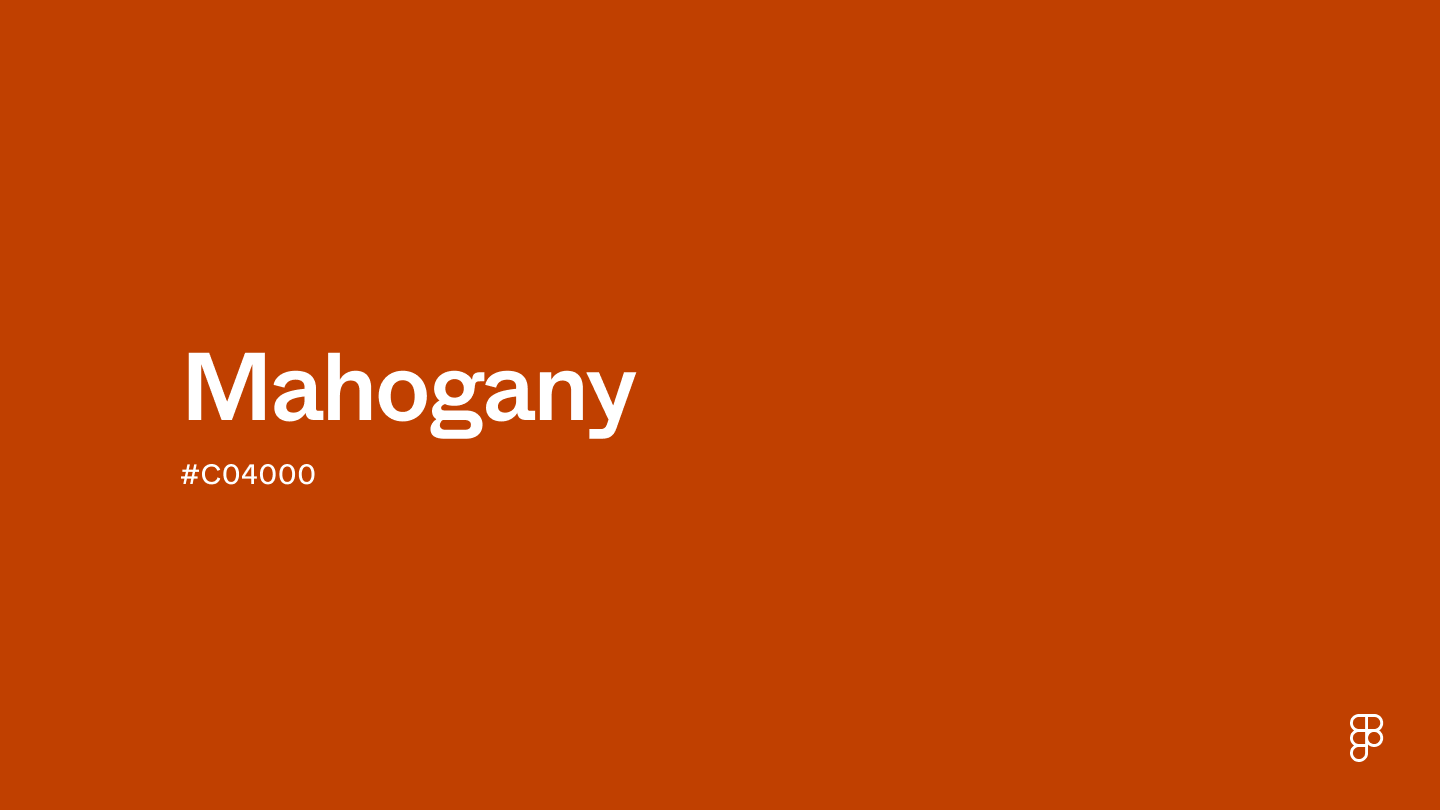
Traditionally, mahogany is associated with the wood of several tropical hardwood species, renowned for its durability, workability, and most importantly, its lustrous finish and deep, reddish-brown color. This natural origin imbues the color with inherent qualities that translate directly into brand associations. The “color of mahogany” typically refers to:
-
Deep Reddish-Browns: Often with strong red or auburn undertones, particularly when polished or exposed to light. This is the most common perception, suggesting warmth, richness, and vitality.
-
Darker, Almost Burgundy Tones: In some variations, the color can lean towards a deeper, more saturated burgundy or even a subtle purple-brown, particularly in less illuminated settings, conveying a sense of profound depth and luxury.
-
Subtle Grains and Sheen: While we are discussing color, the natural material also has a characteristic grain that, even when translated into a flat color, implies texture, depth, and organic authenticity. A successful brand interpretation often hints at this inherent richness.
This natural variation means that a “mahogany” brand color can be adapted to specific needs, allowing for flexibility while maintaining its core emotional appeal. It’s not a rigid primary color but a sophisticated family of tones.
Psychological Associations and Brand Archetypes
Colors carry inherent psychological weight, and mahogany is no exception. Its associations are deeply rooted in human experience and cultural symbolism:
-
Luxury and Sophistication: Mahogany wood has long been a material of choice for fine furniture, musical instruments, and high-end interiors. This history directly imbues the color with connotations of luxury, craftsmanship, and refined taste. Brands seeking to position themselves at the premium end of the market often find mahogany tones highly effective.
-
Tradition and Heritage: The enduring quality of mahogany wood links the color to legacy, history, and established values. Brands that emphasize tradition, longevity, or a rich heritage—think old-world craftsmanship, academic institutions, or established financial services—can use mahogany to underscore their reliability and storied past.
-
Warmth and Comfort: The reddish undertones provide warmth, creating a sense of comfort, security, and inviting appeal. This makes it suitable for brands in hospitality, interior design, or even personal care, where a nurturing and secure environment is key.
-
Strength and Stability: As a durable hardwood, mahogany’s color conveys resilience and steadfastness. This can be a powerful message for brands that want to communicate strength, dependability, and foundational support, such as consulting firms or financial institutions.
Understanding these psychological undercurrents is crucial for any brand considering mahogany as part of its identity, ensuring alignment between color choice and desired brand perception.
Strategic Application: Incorporating Mahogany into Your Brand Identity
Integrating a complex color like mahogany into a brand’s visual language requires careful planning and a holistic approach. It’s not just about selecting a swatch but about telling a story.
Crafting Logos and Visual Marks
A logo is often the first touchpoint consumers have with a brand. Using mahogany tones in a logo can immediately signal certain brand attributes:
-
Gravitas and Authority: For law firms, luxury automotive brands, or high-end retailers, a mahogany-hued logo can instantly communicate seriousness, prestige, and unwavering quality. Paired with gold or cream, it elevates the perception of exclusivity.
-
Subtlety in Luxury: Unlike stark black or bright gold, mahogany offers a softer, more understated form of luxury. It suggests wealth without ostentation, appealing to a discerning clientele that values quality over flashy display.
-
Versatility with Accents: Mahogany works beautifully as a primary color, offering a rich backdrop for metallic accents (gold, brass, copper) or contrasting lighter tones (cream, beige, pale green) to create a sophisticated and balanced palette.
Website Design and Digital Presence
In the digital realm, color choice impacts user experience, perceived professionalism, and brand recall. Mahogany tones can be incredibly effective:
-
Elegant User Interfaces: For luxury e-commerce sites, portfolios of high-end design firms, or content platforms focused on sophisticated topics, mahogany can provide an elegant, warm, and inviting backdrop. It reduces eye strain associated with overly bright white or stark black interfaces while maintaining a professional feel.
-
Call-to-Action (CTA) Strategy: While mahogany itself might be too subdued for high-impact CTAs, it creates an excellent foundation. A rich mahogany background can make a contrasting, brighter accent color (e.g., a muted gold or a deep emerald) pop for buttons and key messaging, guiding user attention without being aggressive.
-
Content Presentation: Mahogany backgrounds or accents can enhance the readability of text, particularly when paired with lighter fonts. It lends an air of seriousness and importance to content, making it ideal for thought leadership articles, luxury product descriptions, or academic resources.
Product Packaging and Physical Spaces
For brands with physical products or brick-and-mortar locations, mahogany’s color can create immersive brand experiences.
-
Premium Packaging: Imagine a watch box, a spirits bottle label, or a high-end chocolate wrapper featuring deep mahogany tones. It instantly elevates the product, suggesting superior quality and careful craftsmanship. The tactile experience of such packaging further reinforces the brand’s premium status.
-
Retail and Office Interiors: For luxury boutiques, upscale restaurants, corporate boardrooms, or exclusive members’ clubs, the incorporation of mahogany in walls, furniture, or accent pieces can transform a space. It creates an atmosphere of warmth, opulence, and enduring style, directly reflecting the brand’s identity and values. It invites patrons to linger, suggesting comfort and exclusivity.
-
Materiality and Texture: Even if the actual material isn’t mahogany wood, using the color in textures like leather, velvet, or matte finishes can evoke the same sense of depth and luxury, playing on the human tendency to associate colors with their natural origins.
Case Studies & Best Practices: Brands Mastering Mahogany Tones
While few brands explicitly name “mahogany” as their primary color, many iconic brands successfully leverage the deep red-brown spectrum to their advantage.
Luxury Goods and Apparel
Many high-end fashion houses and luxury accessory brands utilize deep, warm browns and burgundy tones reminiscent of mahogany. These colors are often seen in their leather goods, packaging, and brand collateral. They signify exclusivity, enduring style, and the brand’s commitment to quality craftsmanship. For instance, the deep brown often associated with luxury leather goods isn’t just “brown”; it’s a rich, almost mahogany hue that speaks volumes about tradition and investment pieces.
Automotive and Spirits Industries
Premium car manufacturers often feature mahogany-inspired interior finishes, from wood trim to leather upholstery. This color choice contributes to the vehicle’s luxurious, comfortable, and sophisticated ambiance. Similarly, high-end whisky, cognac, and wine brands frequently employ deep amber and mahogany labels, bottles, and packaging to convey age, richness, and connoisseur appeal. The color directly links to the perceived quality and depth of the product within.
Financial and Professional Services
Banks, investment firms, and consulting groups that want to project stability, trustworthiness, and a long-standing reputation often use deep red-browns, sometimes bordering on mahogany. This palette suggests conservative values, reliability, and established success, reassuring clients of their security and expertise. It helps in creating an image of a venerable institution.
Navigating the Nuances: Challenges and Opportunities
While the color of mahogany offers immense branding potential, its effective deployment requires careful consideration to avoid pitfalls and maximize impact.
Avoiding Stagnation and Cliché
The very strength of mahogany—its association with tradition and heritage—can become a weakness if not handled with contemporary sensibility. A brand risks appearing old-fashioned or staid if the mahogany tone is not balanced with modern design elements, fresh typography, or complementary colors.
- Opportunity: Pair mahogany with unexpected accent colors (e.g., a vibrant teal, a crisp silver, or a surprising coral) to inject modernity while retaining the foundational gravitas. Experiment with gradients or textures to give the color a dynamic edge.
Consistency Across Touchpoints
Maintaining color consistency is always a challenge, but with a nuanced color like mahogany, which has many variations, it becomes even more critical. Differences in screen calibration, print processes, and material finishes can lead to inconsistencies that dilute brand identity.
- Opportunity: Establish strict brand guidelines that include precise color codes (Pantone, CMYK, RGB, Hex) for various applications. Conduct thorough color proofs and material tests to ensure the mahogany tone remains true to the brand’s intended identity across all platforms, from digital ads to physical signage.

Cultural Sensitivity and Global Reach
While generally well-received for its luxury connotations in Western cultures, it’s always wise for global brands to consider how specific color shades are perceived in different cultural contexts, though mahogany’s associations are relatively universal for quality.
- Opportunity: Research target markets to ensure the color resonance is positive. Focus on the core psychological triggers that mahogany evokes—quality, warmth, tradition—which tend to have broader appeal.
The “color of mahogany” is far more than a simple description; it’s a powerful tool in a brand strategist’s kit. It embodies a spectrum of rich, deep red-browns that inherently communicate luxury, heritage, warmth, and stability. By understanding its psychological impact, strategically applying it across all brand touchpoints, and navigating its nuances, brands can effectively leverage the timeless allure of mahogany to forge a distinctive, memorable, and resonant identity in the minds of their audience. In a world saturated with fleeting trends, the enduring sophistication of mahogany offers a path to lasting brand prestige.
aViewFromTheCave is a participant in the Amazon Services LLC Associates Program, an affiliate advertising program designed to provide a means for sites to earn advertising fees by advertising and linking to Amazon.com. Amazon, the Amazon logo, AmazonSupply, and the AmazonSupply logo are trademarks of Amazon.com, Inc. or its affiliates. As an Amazon Associate we earn affiliate commissions from qualifying purchases.