
Trespassing, at its core, refers to the unauthorized entry onto or remaining upon the land or property of another. While often perceived solely through a legal lens, the question “what is the charge for trespassing?” extends far beyond a simple criminal code definition. It delves deeply into a complex web of financial consequences, impacting not just the individual accused but also property owners, businesses, and even the broader economy. Understanding these monetary implications is crucial for anyone seeking to manage personal financial risks, protect assets, or comprehend the full spectrum of costs associated with legal infractions. This article will explore the diverse financial burdens associated with trespassing, from direct fines and legal fees to indirect costs and the significant financial investments made in prevention and enforcement.
The Monetary Penalties for Trespassing: Fines and Restitution
When an individual is charged with trespassing, the most immediate and tangible financial consequence is typically a fine. However, the exact amount can vary dramatically based on the jurisdiction, the specific circumstances of the offense, and the intent of the trespasser. It’s not merely a fixed penalty but a dynamic assessment of the severity and impact of the unauthorized entry.
Understanding Fines: Misdemeanor vs. Felony
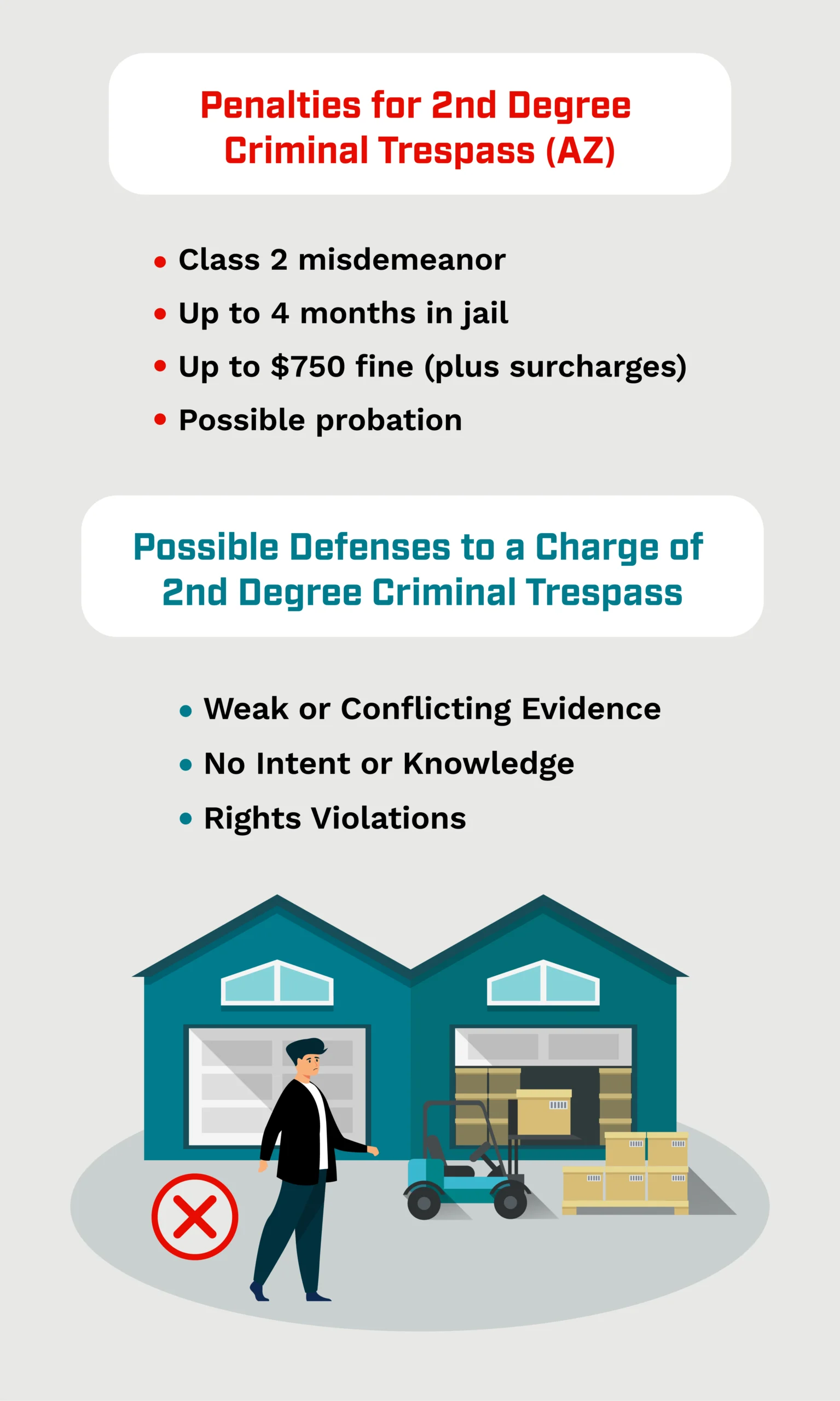
Trespassing charges can range from relatively minor infractions to serious criminal offenses, with the classification directly dictating the financial penalty. Most common trespassing incidents, such as unauthorized entry onto private land without malicious intent, are often classified as misdemeanors. These typically carry fines ranging from a few hundred dollars to several thousand, alongside potential jail time. For instance, a simple misdemeanor trespassing charge might result in a $500 fine and a few days in jail, depending on state law and the court’s discretion.
However, the severity escalates significantly if there are aggravating factors. Trespassing with the intent to commit another crime (e.g., theft, vandalism), breaking and entering, or repeated offenses can elevate the charge to a felony. Felony trespassing carries substantially higher fines, often starting in the thousands of dollars and potentially reaching tens of thousands, in addition to longer prison sentences. For example, trespassing on critical infrastructure like power plants or military bases, or engaging in “aggravated trespassing” (which often involves a weapon or threat), frequently incurs felony charges with hefty financial penalties that can cripple an individual’s financial standing for years.
Restitution for Damages: Beyond the Initial Fine
Beyond the statutory fines, an individual convicted of trespassing may also be ordered to pay restitution. This financial obligation is designed to compensate the victim (the property owner) for any damages or losses directly resulting from the trespassing incident. Restitution is not punitive like a fine; rather, it aims to make the victim whole again financially.
This can include a wide array of expenses:
-
Property Damage: Costs for repairing broken fences, shattered windows, vandalized structures, or damaged landscaping.
-
Clean-up Costs: Expenses incurred in removing trash, graffiti, or hazardous materials left behind by trespassers.
-
Loss of Revenue: For businesses, if trespassing led to a temporary shutdown, operational disruptions, or cancellation of events, the trespasser might be liable for the lost income.
-
Security Costs: In some cases, if the trespassing incident necessitated enhanced security measures or increased patrols, these costs might also be factored into restitution.
The amount of restitution can sometimes far exceed the initial criminal fine, particularly if extensive damage occurred. This means the financial charge for trespassing can compound rapidly, creating a substantial cumulative debt for the offender.
Aggravating Factors and Enhanced Penalties
Certain circumstances can significantly enhance the financial penalties associated with trespassing. These “aggravating factors” reflect a higher degree of culpability or a greater threat posed by the trespasser.
-
Prior Offenses: Repeat offenders often face stiffer fines and harsher sentencing, reflecting a pattern of disregard for property rights and legal boundaries.
-
Trespassing on Sensitive Locations: As mentioned, unauthorized entry onto places like schools, government facilities, utility infrastructure, or environmental protection zones often triggers elevated charges and corresponding higher fines, due to the potential for public safety risks or significant economic disruption.
-
Presence of Weapons: Trespassing while armed is universally treated with greater severity, leading to dramatically increased fines and the potential for additional weapons charges.
-
Damage Amount: The greater the financial value of the damage caused, the higher the restitution and potentially the criminal fine.
These enhanced penalties underscore that the financial “charge” for trespassing is not static; it scales dramatically with the perceived threat and actual harm caused.
Indirect Financial Burdens: Legal Fees and Lost Opportunity
While fines and restitution represent direct monetary outlays, the financial toll of a trespassing charge extends much further, encompassing significant indirect costs that can profoundly impact an individual’s financial health and future prospects.
The Cost of Legal Defense
Navigating the legal system requires expertise, and that expertise comes at a cost. Facing a trespassing charge often necessitates hiring an attorney, whose fees can quickly become a substantial financial burden. Private attorneys typically charge hourly rates, which can range from $150 to $500 per hour or more, depending on their experience and the complexity of the case. Even a relatively straightforward misdemeanor trespassing case can involve multiple court appearances, negotiations, and preparation time, accumulating thousands of dollars in legal fees.
While public defenders are available for those who cannot afford private counsel, they are not always “free.” Many jurisdictions levy application fees or require reimbursement for public defender services, which still add to the offender’s financial obligations. Furthermore, the workload of public defenders can limit the individualized attention a case receives, potentially impacting the outcome and thus the associated financial penalties. The decision to invest in a robust legal defense is often a calculation of mitigating greater financial risks (higher fines, restitution, and long-term consequences).
Court Costs and Administrative Fees
Beyond legal representation, the court system itself imposes various charges on defendants. These can include:
-
Filing Fees: Administrative charges for processing paperwork.
-
Court Reporter Fees: Costs associated with transcribing court proceedings.
-
Probation Fees: If probation is part of the sentence, there are often monthly supervision fees.
-
Drug Testing/Program Fees: If the trespassing incident was linked to substance abuse, mandatory testing or rehabilitation programs carry their own costs.
These administrative fees, while seemingly minor individually, can accumulate to hundreds or even thousands of dollars, adding another layer to the overall financial charge for trespassing.
Lost Wages and Career Impact
A trespassing charge, particularly if it results in a conviction, can have a profound and lasting impact on an individual’s earning potential.
-
Missed Work: Court dates, meetings with attorneys, and any time spent in jail or community service directly translate to lost wages, especially for hourly workers. This immediate income loss can create significant financial strain, affecting rent payments, utility bills, and daily living expenses.
-
Employment Barriers: A criminal record, even for a misdemeanor trespassing charge, can become a significant hurdle in securing future employment. Many employers conduct background checks, and a conviction can lead to job application rejections or even termination from current employment, particularly in fields requiring security clearances or positions of trust. This long-term impact on career prospects can result in a lifetime of reduced earning capacity.
-
Professional Licensing: Certain professions require clean criminal records for licensing (e.g., healthcare, education, finance). A trespassing conviction could jeopardize or prevent obtaining such licenses, effectively shutting down entire career paths.
These indirect financial burdens highlight that the “charge” for trespassing extends far beyond the immediate legal penalties, affecting an individual’s financial stability and future economic opportunities for years to come.
The Financial Repercussions for Property Owners and Businesses
While much of the discussion focuses on the offender, trespassing also imposes substantial financial charges and burdens on property owners and businesses. These costs encompass both proactive measures to prevent incidents and reactive expenses in the wake of unauthorized entry.
Security and Prevention Costs
Property owners, particularly those with valuable assets, sensitive operations, or a history of trespassing incidents, must make significant financial investments in security. These proactive costs are a direct charge incurred to deter potential trespassers and protect their property:
-
Physical Barriers: Fences, gates, walls, and landscaping designed to restrict access require substantial capital outlay for installation and ongoing maintenance.
-
Surveillance Systems: Installation and monitoring of CCTV cameras, alarm systems, and motion detectors represent significant technological and operational expenses.
-
Security Personnel: Hiring security guards or contracting with security firms for patrols can be a major recurring cost, especially for large properties or high-risk locations.
-
Signage: While seemingly minor, clear and legally compliant “No Trespassing” signs require purchase and placement, a necessary financial step to bolster legal standing in case of an incident.
These expenses are a continuous financial drain, but they are deemed necessary to mitigate even greater potential financial losses from trespassing-related damage, theft, or liability.
Damages, Clean-up, and Repair Expenses

When trespassing does occur, property owners often face immediate and direct financial charges for the aftermath:
-
Vandalism and Damage: Repairs to structures, equipment, vehicles, and landscaping damaged by trespassers can be costly, ranging from minor fixes to extensive overhauls.
-
Litter and Waste Removal: Trespassers often leave behind trash, debris, or even hazardous waste, requiring significant clean-up efforts and disposal costs.
-
Theft Losses: If trespassing leads to theft of property, equipment, or materials, the owner incurs the direct financial loss of those stolen assets.
-
Operational Disruptions: For businesses, trespassing can lead to temporary shutdowns, delays in production, or the need to divert resources to security or clean-up, all resulting in lost productivity and revenue.
These reactive costs can be unpredictable and substantial, placing an unexpected financial strain on budgets, especially for small businesses or individuals.
Legal Costs of Enforcement and Civil Action
Property owners may also incur significant financial charges in enforcing their property rights and seeking justice.
-
Law Enforcement Involvement: While reporting an incident is often free, repeatedly involving law enforcement can consume internal resources for documentation, witness statements, and follow-up.
-
Restraining Orders: Seeking legal protection like restraining orders against persistent trespassers involves court filing fees and legal representation costs.
-
Civil Lawsuits: In cases of significant damage or repeated incidents, property owners may choose to pursue civil lawsuits against trespassers to recover damages, lost income, or legal fees. These civil actions can be protracted and incredibly expensive, involving attorney fees, court costs, expert witness fees, and considerable time investment. While successful litigation can recoup losses, the upfront financial burden is substantial.
Business Interruption and Lost Revenue
For businesses, the financial implications of trespassing can be particularly severe, extending beyond direct damage to encompass broader operational and reputational costs.
-
Loss of Business Operations: A trespassing incident could force a business to temporarily close, leading to direct loss of sales and productivity.
-
Safety Risks and Liability: Trespassers on commercial property can create hazardous situations, increasing the risk of accidents or injuries, for which the business might be held liable, leading to expensive lawsuits, medical costs, and increased insurance premiums.
-
Reputational Damage: Persistent trespassing or incidents involving public safety can harm a business’s brand image and public trust, leading to a decline in customer patronage and long-term financial impact.
These financial charges underscore that property owners are not passive victims; they actively bear significant financial responsibilities and risks when it comes to preventing and addressing trespassing.
Insurance Implications and Risk Management from a Financial Standpoint
The financial impact of trespassing often extends to the realm of insurance, affecting both the offender and the property owner. Understanding these implications is crucial for comprehensive financial planning and risk management.
Impact on Personal and Business Insurance Premiums
For an individual convicted of trespassing, particularly if it involves property damage or leads to other criminal charges, their personal insurance policies might be affected. Homeowner’s or renter’s insurance might see increased premiums, or in severe cases, coverage might be difficult to obtain, as the individual is deemed a higher risk.
For property owners and businesses, repeated incidents of trespassing or significant claims related to damage caused by trespassers can lead to:
-
Increased Liability Insurance Premiums: If trespassers are injured on the property and the owner is found negligent, liability claims can be very expensive, causing premiums to skyrocket.
-
Higher Property Insurance Costs: Claims for vandalism or theft related to trespassing can drive up property insurance premiums.
-
Difficulty Obtaining Coverage: In extreme cases, insurers might decline to renew policies or offer coverage at all if the property is deemed excessively risky due to frequent trespassing.
Claim Denials and Coverage Gaps
It’s critical for property owners to understand the specifics of their insurance policies, as not all damages or liabilities related to trespassing may be covered.
-
Negligence Clauses: Insurance policies often have clauses that can deny coverage if the property owner is found to have been negligent in securing their property. For instance, if a business consistently fails to maintain fences or ignores broken security systems, and this contributes to an incident, an insurance claim might be denied, leaving the owner to bear the full financial cost.
-
Intentional Acts Exclusion: Insurance typically does not cover damages resulting from intentional criminal acts committed by the policyholder.
-
Specific Exclusions: Policies may explicitly exclude certain types of damages or scenarios related to trespassing, leaving the property owner financially exposed.
Thorough review of insurance policies and proactive risk assessment are essential financial management strategies to prevent unexpected financial “charges” in the event of a trespassing incident.
Strategic Financial Planning for Property Protection
From a financial perspective, managing the risk of trespassing requires deliberate planning. Businesses and high-value property owners should:
-
Budget for Security: Allocate specific funds for security upgrades, maintenance, and personnel. Viewing security as an investment rather than an expense is key.
-
Legal Consultation: Regularly consult with legal professionals to ensure property boundaries are clearly defined, signage is legally compliant, and procedures for addressing trespassing are robust. This upfront legal cost can prevent far greater expenses down the line.
-
Emergency Funds: Maintain an emergency fund to cover unexpected damages, legal fees, or operational disruptions that might arise from trespassing incidents.
For the general public, understanding the financial charges of trespassing also forms part of prudent personal financial planning – avoiding such actions prevents fines, legal costs, and potential career-damaging consequences.
Mitigating Financial Risks: Prevention and Prudent Action
The most effective financial strategy for dealing with trespassing, for all parties involved, is prevention. By understanding the potential financial “charges,” individuals and property owners can take proactive steps to avoid costly repercussions.
Clear Communication and Signage
For property owners, one of the most cost-effective deterrents is clear, conspicuous, and legally compliant “No Trespassing” signage. This simple measure serves multiple financial benefits:
-
Deterrence: Visibly warning potential trespassers can significantly reduce incidents, thereby avoiding repair costs, legal fees, and security expenses.
-
Legal Protection: In many jurisdictions, proper signage is a prerequisite for pursuing trespassing charges. It strengthens the owner’s legal standing, making it easier to secure convictions, fines, and restitution, thus recovering financial losses.
-
Reduced Liability: Clearly marking boundaries and warnings can also help reduce the owner’s liability if a trespasser is injured on the property, potentially saving massive legal and medical expenses.
Investing in good signage is a minimal financial outlay with substantial potential returns in risk mitigation.
Proactive Legal Counsel
For property owners, engaging with legal counsel before a major incident occurs is a wise financial investment. An attorney can help:
-
Define Property Lines: Ensure land surveys are current and boundaries are legally established.
-
Draft Legal Notices: Create custom “No Trespassing” notices that meet specific state requirements and strengthen enforcement capabilities.
-
Develop Response Protocols: Establish clear procedures for how to respond to trespassers, involving law enforcement appropriately, which can streamline processes and potentially reduce damage or prolonged incidents.
-
Understand Liabilities: Provide clarity on the owner’s responsibilities and potential liabilities regarding trespassers, helping to avoid costly lawsuits.
For individuals, understanding trespassing laws before entering unfamiliar property can prevent costly legal battles, fines, and a criminal record. A moment of caution can save thousands of dollars and preserve financial stability.
Community Engagement and Awareness
While less direct, fostering positive community relations and promoting awareness can also contribute to financial risk mitigation. Neighbors who respect property boundaries and understand local regulations are less likely to trespass. Educational initiatives about property rights and the financial consequences of unauthorized entry can also serve as a deterrent, reducing the overall incidence of trespassing and its associated costs for both individuals and property owners.

Conclusion
The question “what is the charge for trespassing?” unveils a multifaceted financial landscape that extends far beyond a simple legal penalty. For the individual offender, it encompasses direct fines, restitution for damages, exorbitant legal fees, court costs, and potentially devastating long-term impacts on employment and earning capacity. For property owners and businesses, the charge manifests in substantial proactive security investments, reactive expenses for repairs and clean-up, the significant costs of legal enforcement and civil action, and the profound financial ramifications of business interruption and reputational damage.
Understanding these intertwined monetary “charges” is not merely an academic exercise; it is an essential component of responsible personal finance, effective business management, and robust property protection. The most financially prudent approach for all parties is prevention—through clear communication, strategic security investments, proactive legal counsel, and an overarching awareness of the weighty financial consequences that accompany unauthorized entry. Ultimately, the true “charge” for trespassing is a complex and often crippling financial burden that everyone is well-advised to avoid.
aViewFromTheCave is a participant in the Amazon Services LLC Associates Program, an affiliate advertising program designed to provide a means for sites to earn advertising fees by advertising and linking to Amazon.com. Amazon, the Amazon logo, AmazonSupply, and the AmazonSupply logo are trademarks of Amazon.com, Inc. or its affiliates. As an Amazon Associate we earn affiliate commissions from qualifying purchases.