
In an increasingly saturated marketplace, where products and services often reach parity in features and functionality, the discerning consumer yearns for something more profound than mere utility. They seek connection, resonance, and an experience that transcends the transactional. This quest for deeper engagement has ushered in a new era of brand strategy, one that embraces what we term “sensualism in branding.” Far from being a mere indulgence, sensualism in this context is the strategic and holistic integration of sensory experiences into a brand’s identity and customer journey, designed to forge powerful emotional bonds, enhance memory, and cultivate unwavering loyalty.
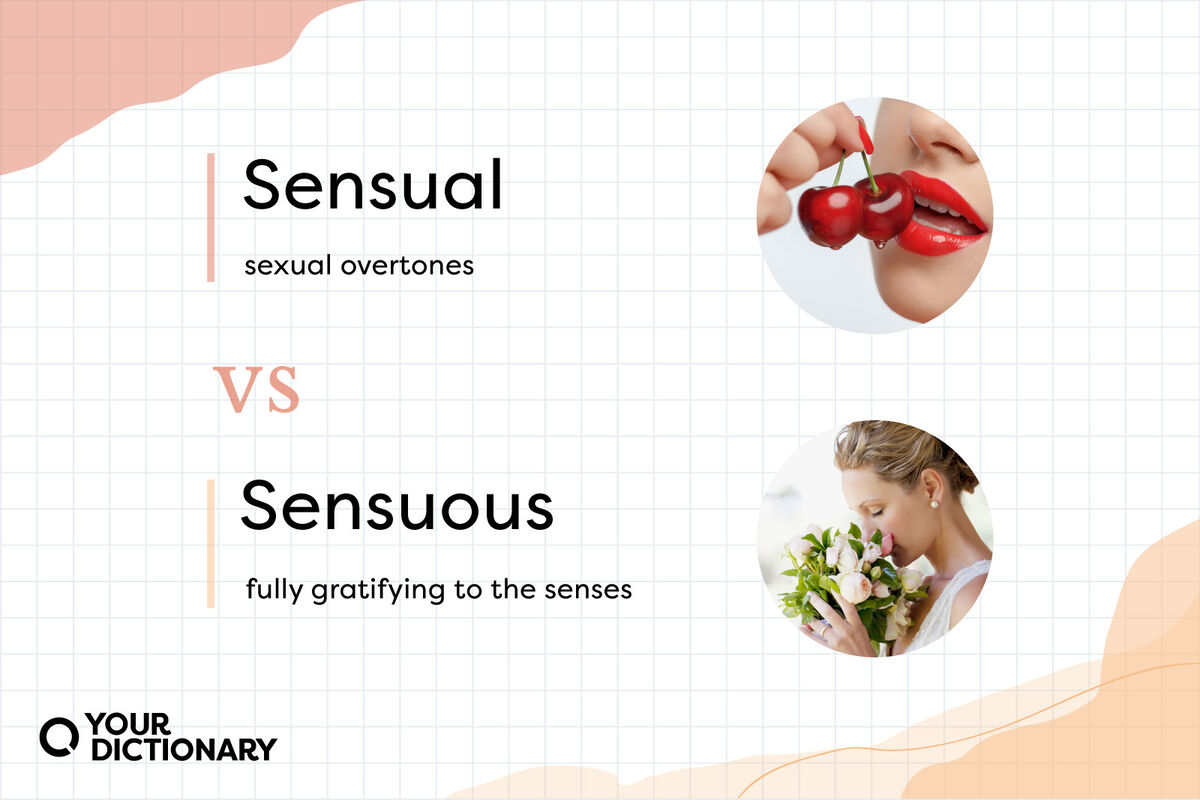
Sensualism in branding is the conscious effort to engage all five human senses – sight, sound, touch, smell, and taste – to create a richer, more immersive, and ultimately more compelling brand narrative. It acknowledges that human perception is multi-faceted and that our senses are the gateways to emotion and memory. By appealing to these fundamental human faculties, brands can elevate their presence from a collection of attributes to a cherished experience, embedding themselves deeper into the consumer’s psyche and lifestyle. In a world awash with digital noise, the ability to create tangible, memorable sensory touchpoints becomes a powerful differentiator, transforming passive consumption into active engagement.
The Core Principles of Sensory Branding
At its heart, sensory branding, or sensualism in branding, operates on several foundational principles that guide its effective implementation. These principles underscore the shift from a purely rational, feature-based marketing approach to one that embraces the full spectrum of human experience.
Beyond Visuals: Engaging All Five Senses
For decades, branding was largely a visual exercise. Logos, color palettes, advertisements, and packaging design dominated the creative landscape. While sight remains an undeniably powerful sense, modern branding recognizes its limitations when standing alone. A truly impactful brand experience extends beyond what the eye can see, tapping into the auditory, tactile, olfactory, and even gustatory realms. This holistic engagement creates a multi-layered perception, where each sense reinforces the others, building a more robust and coherent brand image. Consider a luxury car: its visual appeal is paramount, but the rich scent of leather, the reassuring thud of the door, the refined engine purr, and the ergonomic feel of the steering wheel all contribute equally, if not more, to its perceived quality and desirability. Moving beyond mere aesthetics means understanding how each sensory input contributes to the overall brand story.
Emotional Resonance and Memory Formation
The power of sensory input lies in its direct and often subconscious link to emotion and memory. Unlike cognitive processing, which can be deliberate and analytical, sensory experiences often trigger immediate emotional responses. A specific scent can instantly transport us to a childhood memory; a particular piece of music can evoke joy or melancholy. Brands that master sensualism leverage this phenomenon to create profound emotional resonance. When a brand experience consistently elicits positive emotions, it fosters affection, trust, and a sense of belonging. Furthermore, memories tied to sensory experiences are often more vivid and enduring. By embedding sensory cues into the customer journey, brands can enhance recall and ensure their presence lingers long after the interaction has concluded, transforming fleeting moments into lasting impressions.
Consistency Across Touchpoints
The efficacy of sensual branding hinges on unwavering consistency. Just as a visual identity needs to be consistent across all platforms, so too must the sensory elements. A brand’s signature scent should be present in its retail stores, event spaces, and potentially even subtly infused into product packaging. The sonic identity should echo in advertisements, digital interfaces, and customer service hold music. Inconsistency dilutes the sensory impact and can confuse consumers, undermining the very goal of a unified brand experience. Every touchpoint, from the initial encounter with an advertisement to the unboxing of a product, and even post-purchase service, must be carefully curated to deliver a harmonized sensory message. This requires a meticulous audit of all customer interactions and a strategic plan to integrate sensory elements seamlessly throughout the entire brand ecosystem.
Deconstructing the Five Senses in Brand Strategy
To effectively implement sensualism, brands must understand how to intentionally deploy each of the five senses to achieve specific strategic objectives. Each sense offers unique opportunities to deepen engagement and convey brand values.
Sight: The Dominant but Not Exclusive Sense
Sight remains foundational. Colors evoke emotions (red for passion, blue for trust), typography communicates personality (elegant serif vs. modern sans-serif), and imagery tells stories. Packaging design is a critical visual touchpoint, influencing perception of quality and value. Retail store layouts, digital user interfaces (UI/UX), and advertising visuals all contribute to the brand’s visual language. However, the shift in sensual branding is not to diminish sight but to ensure it works synergistically with other senses. The visual appeal should promise an experience that the other senses deliver upon, reinforcing the brand’s commitment to quality and attention to detail.
Sound: The Unseen Architect of Mood
Sound is a potent, yet often underutilized, tool. A brand’s sonic identity can include signature jingles, background music in retail environments, product sounds (e.g., the satisfying click of a high-quality camera lens, the distinct whir of a premium vacuum cleaner), and even the voice tone used in customer service. Sonic logos are increasingly being developed to create instant recognition in digital and audio-only contexts. Sound significantly influences mood and perception; an energetic beat can invigorate, while a calming melody can soothe. Thoughtful sound design can make a brand feel sophisticated, playful, trustworthy, or innovative, all without a single visual cue.
Touch: The Haptic Connection
Touch provides a direct, physical interaction that fosters a sense of tangibility and ownership. The weight and texture of a product, the feel of packaging materials (matte vs. glossy, smooth vs. textured), the ergonomics of a device, or even the fabric of a uniform worn by staff – all contribute to the haptic experience. Luxury brands often excel here, using premium materials like embossed cardstock, soft-touch coatings, or polished metals to convey exclusivity and quality. In the digital realm, haptic feedback (e.g., vibrations on a smartphone) can simulate touch, adding another layer of sensory richness to virtual interactions. A satisfying tactile experience can communicate craftsmanship, durability, and a commitment to quality that visuals alone cannot fully convey.
Smell: The Direct Path to Emotion and Memory
Smell is arguably the most primal and potent sense for memory and emotion. Because olfactory signals bypass the thalamus and go directly to the limbic system (the brain’s emotional center), scents can trigger powerful, instantaneous feelings and vivid memories. Brands leverage this through signature store scents (e.g., Abercrombie & Fitch’s distinct aroma, hotel lobbies with unique fragrances), product scents (laundry detergents, cosmetics), and even through events. A brand can create an olfactory signature that becomes instantly recognizable and deeply embedded in consumer memory, evoking specific brand associations long after the physical encounter.

Taste: The Ultimate Immersion
While most directly applicable to food and beverage brands, the concept of “taste” in branding can extend further. For culinary brands, taste is paramount, involving not just flavor profiles but also texture, temperature, and presentation. Beyond F&B, brands can evoke a metaphorical “taste” through experiences that are described as “refreshing,” “rich,” “smooth,” or “crisp.” For instance, a coffee brand might offer in-store samplings, but its overall brand experience might aim to taste “robust” and “energizing” through its visuals, sounds, and the feel of its packaging, even if a direct taste isn’t involved with every interaction. This broad interpretation suggests creating experiences that are utterly satisfying and leave a positive, lingering “flavor.”
Implementing Sensualism: Strategies and Best Practices
Translating the principles of sensualism into actionable strategies requires a systematic approach, ensuring that sensory elements are not merely decorative but are integral to the brand’s strategic objectives.
Auditing Your Brand’s Sensory Footprint
The first step is to conduct a comprehensive audit of all existing brand touchpoints to understand their current sensory impact. What do customers see, hear, touch, smell, and even taste (if applicable) when interacting with your brand? Identify both intended and unintended sensory signals. Are there incongruences? Are there missed opportunities to engage senses? This audit provides a baseline and highlights areas where sensory enhancement can make the biggest difference, aligning current experiences with desired brand perceptions.
Crafting a Sensory Brand Identity Guide
Just as a brand has a visual identity guide, a “sensory brand identity guide” outlines the specific sensory elements associated with the brand. This document would specify:
-
Visuals: Color palettes, typography, imagery styles, iconography, packaging standards.
-
Audio: Signature sounds, sonic logos, preferred music genres/tempos, voiceover guidelines.
-
Tactile: Preferred material textures for products/packaging, ergonomic considerations, haptic feedback guidelines.
-
Olfactory: Signature scents, acceptable product fragrances, guidelines for ambient scenting.
-
Gustatory: (For F&B) Core flavor profiles, ingredient quality, presentation standards.
This guide ensures consistency and provides clear instructions for all stakeholders involved in brand experience design.
Leveraging Technology for Enhanced Sensory Experiences
Technology offers powerful new avenues for sensual branding. Augmented Reality (AR) and Virtual Reality (VR) can create immersive visual and auditory experiences, allowing customers to virtually “try on” products or explore environments. Haptic technology can simulate touch in digital interactions, adding a layer of realism. Interactive displays in retail can respond to touch, sound, or even proximity, creating dynamic sensory engagements. From smart packaging that changes color to IoT devices that adapt ambient scents, technology can bridge the gap between physical and digital, offering highly personalized and engaging sensory encounters.
Measuring the Impact of Sensory Branding
Measuring the return on investment for sensory branding can be challenging but is crucial. Metrics can include:
-
Customer Feedback: Surveys, focus groups, and reviews specifically asking about sensory aspects of the brand experience.
-
Sales Data: Correlating sensory enhancements (e.g., new store scent, packaging redesign) with sales uplift.
-
Brand Perception Studies: Tracking changes in brand recall, recognition, and emotional associations.
-
Neuromarketing Insights: Using tools like eye-tracking, galvanic skin response, or fMRI to understand subconscious sensory responses.
By tying sensory initiatives to measurable outcomes, brands can refine their strategies and demonstrate the tangible value of sensual engagement.
The Future of Sensual Branding in a Digital Age
As technology continues to evolve and digital interactions become increasingly prevalent, the role of sensual branding faces new challenges and exciting opportunities.
From Physical to Digital: Bridging the Sensory Gap
One of the biggest hurdles is translating the richness of physical sensory experiences into the digital realm. While visuals and sound are easily reproduced, touch, smell, and taste pose greater difficulties. Innovations in haptic feedback are improving digital touch. The future may see advancements in personalized olfactory experiences through scent diffusers synchronized with digital content, or even micro-taste technologies. The goal is not necessarily to perfectly replicate physical sensations but to find innovative ways to evoke similar emotional and cognitive responses through digital means.
Personalization and Hyper-Sensory Experiences
The future of sensual branding will likely be highly personalized. AI-driven systems could learn individual sensory preferences and tailor brand experiences accordingly. Imagine a retail app that, knowing your preferred scents and musical tastes, adjusts the ambient environment of a store section as you approach it. Or virtual showrooms where you can customize the textures, sounds, and even ‘virtual smells’ of products. This hyper-personalization will move beyond mass-market sensory appeals to create unique, individual brand worlds for each consumer.

Ethical Considerations and Sensory Overload
As brands delve deeper into sensory manipulation, ethical considerations become paramount. There’s a fine line between engaging senses and overwhelming them, or worse, manipulating consumers subconsciously. Transparency, respect for individual differences, and avoiding sensory overload will be crucial. Brands must also consider accessibility, ensuring that sensory experiences are inclusive and do not alienate individuals with sensory sensitivities or disabilities. The power of sensual branding comes with the responsibility to use it judiciously and ethically, always prioritizing positive customer experience over coercive tactics.
In conclusion, sensualism in branding is no longer a niche concept but a strategic imperative for any brand seeking to thrive in the modern era. By consciously engaging all five senses, brands can move beyond mere functionality to create immersive, emotionally resonant experiences that foster deep connections and enduring loyalty. It’s about recognizing that humans perceive the world holistically, and the most powerful brands are those that can speak to every part of that experience, transforming ordinary interactions into extraordinary memories. As the digital landscape expands, the ability to weave compelling sensory narratives will be the hallmark of truly impactful and beloved brands.
aViewFromTheCave is a participant in the Amazon Services LLC Associates Program, an affiliate advertising program designed to provide a means for sites to earn advertising fees by advertising and linking to Amazon.com. Amazon, the Amazon logo, AmazonSupply, and the AmazonSupply logo are trademarks of Amazon.com, Inc. or its affiliates. As an Amazon Associate we earn affiliate commissions from qualifying purchases.