
Filing taxes is often viewed as a season of stress and complex paperwork, but in the realm of personal finance, it is one of the most critical annual events for maintaining financial health. Understanding how to file for taxes is not just about compliance with the law; it is about optimizing your financial position, maximizing your returns, and ensuring that you are utilizing every tool available to protect your wealth. Whether you are a traditional employee, a freelancer, or a small business owner, the process of filing taxes requires a strategic approach to documentation, methodology, and planning.
Preparation and Documentation: The Foundation of a Successful Tax Filing
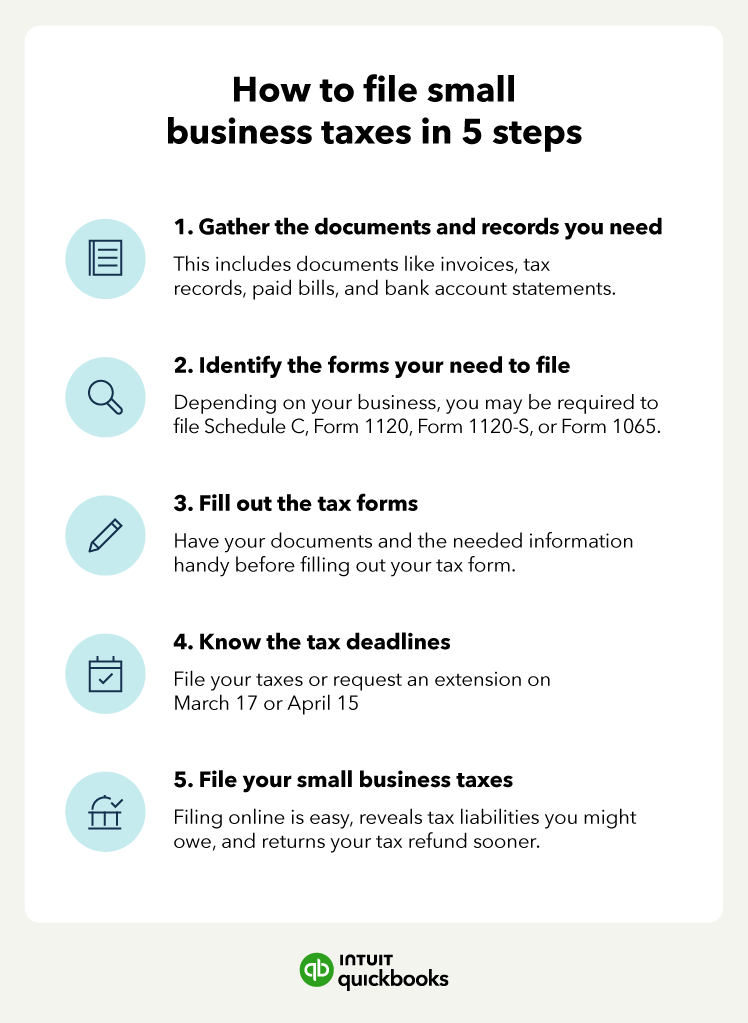
Before you even log into a financial tool or meet with a consultant, the success of your tax filing depends on the quality of your preparation. In the world of finance, data integrity is everything. If your records are disorganized, you risk missing out on significant deductions or, worse, triggering an audit due to inconsistencies.
Organizing Your Income Statements (W-2s and 1099s)
The first step in the filing process is gathering all proof of income. For those in traditional employment, this primarily involves the W-2 form, which outlines your earnings and the taxes already withheld by your employer. However, as the “gig economy” continues to grow, many individuals now receive multiple 1099 forms. These include 1099-NEC for non-employee compensation, 1099-INT for interest earned in savings accounts, and 1099-DIV for investment dividends.
Centralizing these documents early in the year prevents the last-minute scramble. A professional tip for personal finance management is to create a digital “Tax Vault” throughout the year, where PDFs of these forms are stored as soon as they become available in January.
Tracking Deductible Expenses and Receipts
While income is what you earn, deductions are what allow you to keep more of it. For individuals who itemize and for business owners, tracking expenses is a year-round job. This includes mortgage interest statements (Form 1098), property tax records, and receipts for charitable contributions. If you are self-employed, this also extends to home office expenses, travel, and equipment. Using financial tracking apps or even a simple spreadsheet to categorize these expenses monthly ensures that when “tax time” arrives, the hard work is already done.
Choosing the Right Filing Method: From Manual Paperwork to Advanced Financial Tools
Once your documentation is in order, the next strategic decision is determining how to file. The complexity of your financial life usually dictates the method you choose. In modern personal finance, there are three primary paths: DIY software, professional services, or manual filing.
Utilizing Tax Preparation Software
For the vast majority of taxpayers with straightforward financial situations, tax preparation software is the most efficient route. These platforms use interview-style interfaces to guide users through their finances, ensuring that no common credits or deductions are missed. From a financial perspective, these tools are cost-effective and provide a digital trail that is easy to reference in future years. Most software also includes an “audit-check” feature, which analyzes your return for red flags before you submit it to the IRS or relevant tax authority.
Working with a Certified Public Accountant (CPA)
If your financial portfolio includes rental properties, international investments, or complex business structures, a CPA is an invaluable asset. Unlike software, a CPA provides bespoke financial advice. They don’t just help you file; they help you plan. A professional can identify strategic moves—such as tax-loss harvesting in your investment accounts or restructuring business draws—that software might overlook. While the upfront cost is higher, the long-term financial gain from expert tax mitigation often far outweighs the fee.
Understanding Tax Deductions and Credits to Maximize Your Return

The core of effective tax filing lies in the distinction between deductions and credits. Both are essential for reducing your tax liability, but they function differently within your financial ecosystem. A deduction reduces the amount of your income that is subject to tax, while a credit provides a dollar-for-dollar reduction in the actual tax you owe.
Standard Deduction vs. Itemized Deductions
The most fundamental choice most filers face is whether to take the standard deduction or to itemize. The standard deduction is a fixed dollar amount that reduces the income you’re taxed on. In contrast, itemizing allows you to list specific expenses like medical bills, state and local taxes (SALT), and mortgage interest.
From a wealth-management perspective, you should only itemize if the sum of your individual deductions exceeds the standard deduction amount set for the year. Keeping a running tally of these costs throughout the year allows you to make an informed financial decision during the filing process.
Essential Tax Credits for Families and Individuals
Tax credits are the most powerful tools in the tax code. The Child Tax Credit (CTC) and the Earned Income Tax Credit (EITC) provide significant relief for families and low-to-moderate-income earners. Furthermore, for those investing in their future through education, the American Opportunity Tax Credit (AOTC) can offset the costs of higher education. Understanding the eligibility requirements for these credits is a vital part of personal finance, as they can turn a tax payment into a substantial refund.
Navigating Taxes for Freelancers and Small Business Owners
For those who are self-employed, filing taxes is a more frequent and complex responsibility. When you are your own employer, you are responsible for both the employee and employer portions of Social Security and Medicare taxes. This is a critical area of business finance that requires disciplined cash flow management.
Calculating Self-Employment Tax
Self-employment tax is currently set at 15.3% of your net earnings. It is a common pitfall for new freelancers to forget this obligation, leading to a “tax shock” in April. A sound financial strategy involves setting aside approximately 25-30% of every paycheck into a separate high-yield savings account dedicated solely to taxes. This ensures that the money is available when needed and earns interest in the meantime.
Quarterly Estimated Payments
Unlike W-2 employees, the self-employed generally do not have taxes withheld from their checks. To compensate, the IRS requires quarterly estimated tax payments. Failing to make these payments can result in underpayment penalties. Managing these payments is a core part of business finance, requiring you to project your annual income and adjust your payments as your business fluctuates throughout the year.
Finalizing Your Submission and Planning for the Future
The final stage of filing for taxes is the submission itself and the subsequent analysis of your financial performance. Filing is not just a backward-looking activity; it provides the data necessary for forward-looking financial planning.
Reviewing for Errors and E-Filing
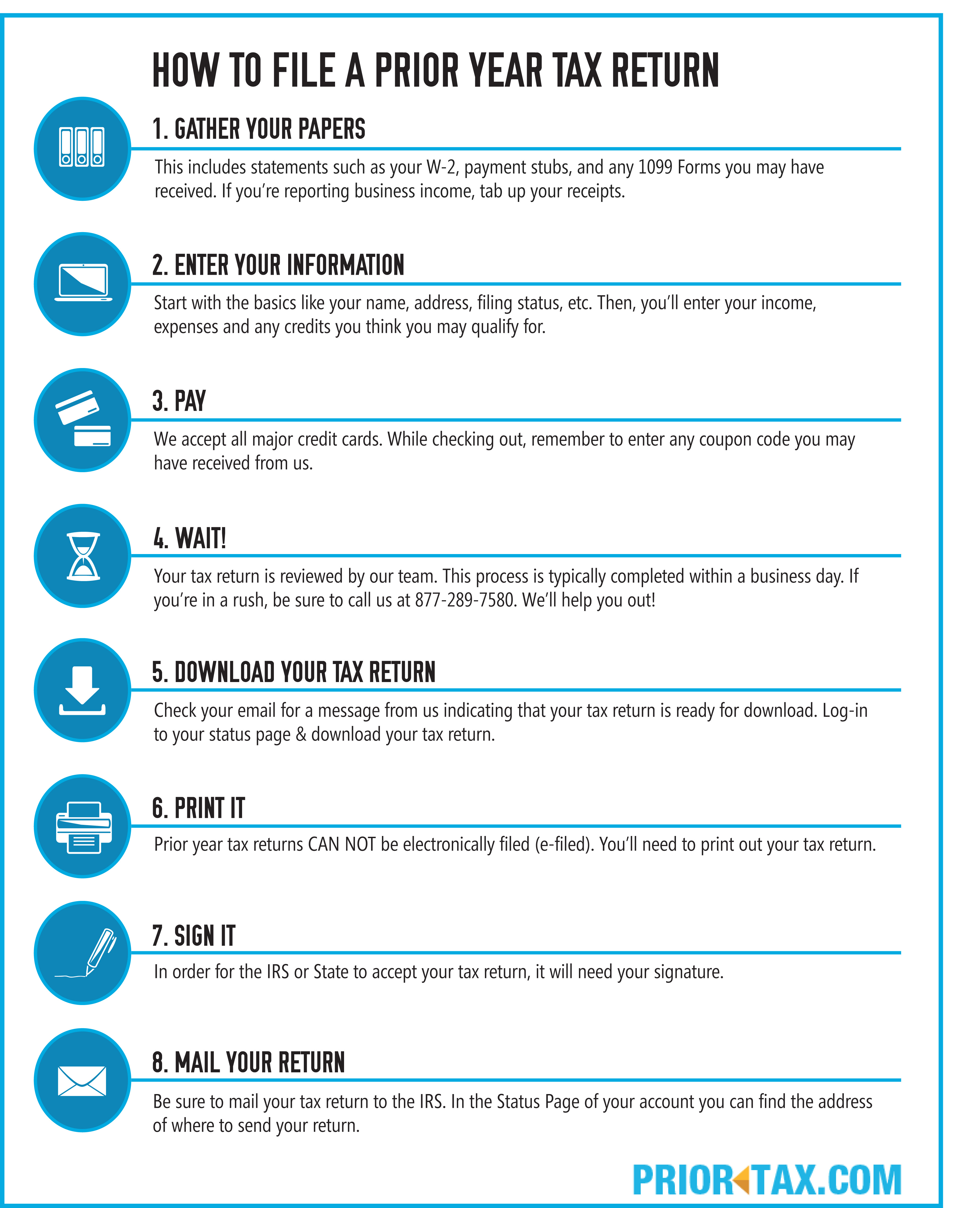
Before hitting the “submit” button, a thorough review is mandatory. Errors in Social Security numbers, bank account numbers for direct deposits, or misspelled names are the leading causes of delayed refunds. E-filing has become the gold standard in the financial industry because it is faster, more secure, and provides an immediate acknowledgment of receipt. If you are expecting a refund, choosing direct deposit is the most efficient way to get those funds back into your investment or savings vehicles where they can continue to grow.
Strategies for Better Financial Management Next Year
Once the filing is complete, the final step is to use that information to adjust your financial strategy for the coming year. If you received a massive refund, it means you essentially gave the government an interest-free loan; you might want to adjust your W-4 withholding to increase your monthly take-home pay. Conversely, if you owed a significant amount, you may need to increase your contributions to tax-deferred accounts like a 401(k) or a Traditional IRA.
By viewing tax filing as a component of a broader financial strategy—rather than a one-time chore—you empower yourself to make better decisions. Whether it’s choosing the right software, maximizing your deductions, or planning for quarterly payments, mastering the “how” of tax filing is a cornerstone of long-term financial success. In the world of money, it is not just about what you earn, but what you keep, and a disciplined approach to taxes is the best way to ensure you keep as much as possible.
aViewFromTheCave is a participant in the Amazon Services LLC Associates Program, an affiliate advertising program designed to provide a means for sites to earn advertising fees by advertising and linking to Amazon.com. Amazon, the Amazon logo, AmazonSupply, and the AmazonSupply logo are trademarks of Amazon.com, Inc. or its affiliates. As an Amazon Associate we earn affiliate commissions from qualifying purchases.