
In moments of unexpected financial need, individuals often seek quick and accessible solutions to bridge immediate gaps. Among the oldest and most enduring methods for accessing fast cash is pawning. Far from being a relic of the past, pawn shops remain a relevant part of the financial landscape for millions, offering a unique type of secured loan that bypasses traditional credit checks and extensive paperwork. But what exactly is pawning, how does it work, and what are its broader financial implications for individuals? This article delves into the mechanics, benefits, drawbacks, and responsible use of pawning as a financial tool, providing a comprehensive understanding for anyone considering this option.

Pawning, at its core, is a transaction where an individual receives a loan by offering a valuable item as collateral. Unlike a traditional bank loan, which might scrutinize credit scores and income statements, a pawn loan is secured solely by the tangible asset presented by the borrower. This makes it a particularly accessible option for those with poor credit histories, no credit, or simply an urgent need for funds without the delays associated with conventional lending. The item, which can range from jewelry and electronics to musical instruments and collectibles, is held by the pawnbroker until the loan is repaid, along with any accrued interest and fees. Should the borrower fail to repay the loan within the agreed-upon timeframe, the pawnbroker reserves the right to sell the collateral to recover their funds.
Understanding the Core Concept of Pawning
To fully grasp the nature of pawning, it’s essential to dissect its fundamental components and differentiate it from other common financial transactions. The relationship between the borrower and the pawnbroker is built on a specific agreement, making it distinct from outright selling or traditional borrowing.
The Fundamental Transaction: Collateral and Loans
The bedrock of any pawn transaction is the concept of a collateralized loan. When you pawn an item, you are not selling it outright; you are pledging it as security against a loan. The value of your item determines the maximum loan amount a pawnbroker is willing to offer, typically a percentage of the item’s resale value, often ranging from 25% to 60%. This conservative valuation protects the pawnbroker in case the loan is defaulted upon, ensuring they can likely recoup their investment by selling the item. The understanding is clear: repay the loan plus interest and fees, and your item is returned; fail to do so, and the item becomes the property of the pawnbroker. This mechanism shifts the risk away from the borrower’s creditworthiness and places it squarely on the tangible asset itself.
Key Players: Pawnbrokers and Borrowers
There are two primary participants in a pawn transaction: the borrower and the pawnbroker. The borrower is the individual seeking a short-term loan, offering a personal asset as collateral. They retain the right to reclaim their item upon fulfilling the loan terms. The pawnbroker, on the other hand, is a licensed business entity that specializes in making these collateralized loans. Pawnbrokers are regulated by state and local laws, which dictate maximum interest rates, loan terms, and disclosure requirements, aiming to protect consumers from predatory practices. They are experts in valuing a wide array of goods, assessing their market demand and condition to determine an appropriate loan offer. Their business model relies on both the interest earned from loans and, occasionally, the profit from selling unredeemed items.
Distinguishing Pawning from Selling
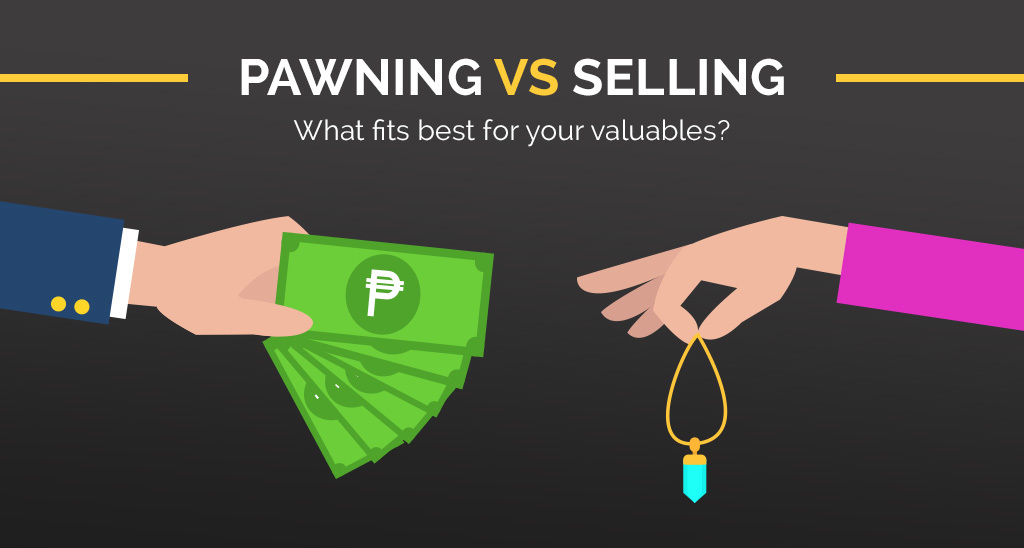
A crucial distinction to make is between pawning an item and selling it. When you sell an item, you permanently transfer ownership to the buyer in exchange for a cash payment. The transaction is final, and you have no right to reclaim the item. When you pawn an item, you retain ownership, contingent on repaying the loan. You are essentially renting money, using your item as leverage. This difference is significant for individuals who value their possessions and wish to retrieve them once their financial situation improves. While a pawnbroker might offer a higher amount for an outright sale, the primary appeal of pawning is the ability to get your item back.
How a Pawn Transaction Works: A Step-by-Step Guide
The process of obtaining a pawn loan is relatively straightforward, designed for speed and simplicity compared to traditional lending channels. Understanding each step can help borrowers navigate the system effectively.
Valuation and Appraisal: Determining Item Worth
The first step in a pawn transaction involves the pawnbroker assessing the item you wish to pawn. This appraisal process is critical as it determines the potential loan amount. Pawnbrokers evaluate items based on several factors: the item’s current market value, its condition, brand, and the likelihood of it selling quickly if it were to be forfeited. For instance, a high-end watch will undergo a more detailed inspection than a basic tool. Jewelry is often assessed for its precious metal content and gemstone quality. Electronics are tested for functionality. The pawnbroker’s experience and knowledge of various markets are central to this valuation, as they need to ensure the item provides sufficient security for the loan.
Loan Offer and Terms: Interest Rates and Repayment Periods
Once the item is appraised, the pawnbroker will present a loan offer. This offer will be a percentage of the item’s estimated resale value, not its original purchase price. Along with the loan amount, the pawnbroker will clearly outline the loan terms, which include the interest rate, any applicable fees (such as storage or processing fees), and the repayment period. Pawn loan interest rates can be significantly higher than those for traditional bank loans or credit cards, reflecting the higher risk associated with unsecured borrowers and the short-term, convenience-driven nature of the loans. Repayment periods are typically short, often 30 days, though extensions or renewals may be available for additional fees. It’s imperative for the borrower to fully understand these terms before agreeing to the loan.
The Pawn Ticket: Your Legal Agreement
Upon accepting the loan offer, you will be issued a pawn ticket, which serves as your legal contract. This document is extremely important. It details all aspects of the transaction: the borrower’s information, a description of the pawned item, the loan amount, the interest rate, applicable fees, the maturity date (when the loan is due), and the grace period, if any. The pawn ticket also specifies the terms under which the item can be redeemed and what happens if the loan is not repaid. This ticket is your proof of ownership and your right to reclaim the item. It is crucial to keep this ticket safe, as losing it could complicate the redemption process.
Redemption vs. Forfeiture: Getting Your Item Back or Losing It
As the maturity date approaches, the borrower faces a choice: redemption or forfeiture. To redeem an item, the borrower must return to the pawn shop before or on the maturity date and repay the original loan amount plus all accrued interest and fees. Once these payments are made, the pawn ticket is exchanged for the item, and the transaction is complete. If the borrower is unable to repay the full amount by the due date, they may have the option to renew the loan by paying just the interest and fees, thus extending the repayment period for another term. This can be done multiple times, though it means continually incurring more interest. However, if the borrower fails to repay the loan or renew it, the item enters forfeiture. At this point, the pawnbroker legally takes ownership of the item and is free to sell it to recover their losses. The borrower has no further obligation or recourse, and their credit score is not negatively impacted, as pawn loans are non-recourse loans secured solely by the collateral.
The Financial Implications: Pros and Cons of Pawning
Pawning offers a distinct set of advantages and disadvantages that must be weighed carefully by anyone considering it as a financial solution. Its suitability largely depends on an individual’s specific circumstances and financial literacy.
Advantages: Quick Cash, No Credit Checks, Retaining Ownership Potential
One of the most significant advantages of pawning is its speed and accessibility. For individuals facing an immediate cash crunch, a pawn loan can provide funds within minutes, without the lengthy application processes of traditional banks. There are no credit checks involved, making it an accessible option for those with poor or no credit history, or those who prefer to keep their borrowing activities off their credit report. Unlike selling an item outright, pawning offers the potential to retain ownership of cherished or valuable possessions. This aspect is particularly appealing for sentimental items, family heirlooms, or tools necessary for one’s livelihood. Furthermore, if a borrower defaults on a pawn loan, there are no adverse effects on their credit score, as the only recourse for the pawnbroker is to keep the collateral.
Disadvantages: High Interest Rates, Risk of Losing Valuables, Limited Loan Amounts
Despite its benefits, pawning comes with notable drawbacks. The most significant concern is the high interest rates and fees associated with pawn loans. While state regulations exist, annual percentage rates (APRs) can be exorbitant compared to conventional loans, making it an expensive way to borrow money, especially if the loan is rolled over multiple times. This high cost can trap borrowers in a cycle of debt if they struggle to repay. There’s also the risk of losing valuable items. If you cannot repay the loan, you will forfeit your collateral, which could be an item of significant monetary or sentimental value. Finally, the loan amounts are typically limited to a fraction of the item’s actual value, meaning pawning might not provide sufficient funds for larger financial needs. It’s often only suitable for relatively small, short-term cash requirements.
Comparing Pawning to Other Short-Term Financial Solutions
When facing a short-term financial need, it’s wise to compare pawning to other available options. Payday loans, for instance, offer quick cash without collateral but often carry even higher interest rates and can lead to severe debt traps. Credit card cash advances are another option, though they also come with high interest rates and can negatively impact your credit utilization. Personal loans from banks or credit unions offer lower interest rates but require good credit and take longer to process. For those with assets, a secured personal loan might be an alternative. Pawning often sits in a unique niche: more accessible than traditional loans, less impactful on credit than some alternatives, but potentially more expensive than a low-interest personal loan and carrying the risk of losing collateral.
When is Pawning a Viable Financial Option?
Given its unique characteristics, pawning isn’t suitable for everyone or every financial situation. However, there are specific scenarios where it can be a legitimate and even practical solution.
Emergency Funding for Immediate Needs
Pawning truly shines when there’s an urgent, unexpected need for a small amount of cash that cannot wait. Examples include a sudden car repair, an unforeseen medical bill, or preventing a utility shut-off when paychecks are still a few days away. In these cases, the speed and lack of bureaucracy associated with pawn loans can be invaluable. It’s a bridge loan, designed to provide temporary relief until a more stable income source or financial solution becomes available. It should never be seen as a long-term strategy for managing ongoing financial difficulties.
Accessing Funds Without Traditional Credit
For individuals who are unbanked, underbanked, have poor credit scores, or prefer not to use traditional credit products, pawning provides a crucial alternative. It democratizes access to short-term capital, relying solely on the tangible value of assets rather than a complex financial history. This can be a lifeline for entrepreneurs starting out with limited credit, recent immigrants, or anyone who has fallen on hard times and needs a fresh start. The ability to access funds without impacting credit scores is a compelling factor for many.
Considerations Before Pawning: Assessing Your Financial Situation
Before walking into a pawn shop, a thorough assessment of your financial situation is paramount. Ask yourself: Is this a genuine emergency, or are there other, less costly alternatives? Can I realistically repay the loan, including interest and fees, within the stipulated timeframe? Am I prepared to lose the item if I cannot repay? If the item holds significant sentimental value or is essential for your livelihood, the risk of forfeiture might outweigh the benefit of the loan. It’s also important to consider the actual amount of cash you need versus the amount you’re likely to get from your item. Pawning should be a carefully considered decision, not a desperate last resort without forethought.
Smart Strategies for Using Pawn Services Responsibly
For those who determine that pawning is indeed the right solution for their immediate needs, approaching the transaction strategically and responsibly can mitigate risks and ensure a smoother experience.
Researching Reputable Pawnbrokers
Not all pawn shops are created equal. It’s advisable to research and choose a reputable, licensed pawnbroker. Look for businesses with good reviews, clear signage of their licensing, and transparent communication regarding their terms and conditions. A trustworthy pawnbroker will be upfront about interest rates, fees, and repayment schedules, and will handle your collateral with care. Asking for recommendations or checking online directories can help identify reliable establishments in your area. Avoid any pawnbroker who seems evasive or unwilling to provide detailed information about their policies.
Understanding All Terms and Conditions
Before signing anything or accepting a loan, meticulously read and understand every detail on the pawn ticket. Pay close attention to the annual percentage rate (APR), the total amount due, the exact maturity date, and any fees that might apply for storage, processing, or extensions. Don’t hesitate to ask questions if anything is unclear. Understanding these terms empowers you to make an informed decision and prevents unpleasant surprises later. Knowledge is your best defense against potential misunderstandings or unforeseen costs.
Planning Your Repayment Strategy
Perhaps the most crucial step in responsible pawning is having a clear and realistic repayment strategy. Before you take the loan, calculate exactly how you plan to gather the funds to repay the principal, interest, and fees by the due date. This might involve setting aside a portion of your next paycheck, budgeting strictly, or selling other non-essential items. Relying on vague hopes of future income is a recipe for forfeiture. If you anticipate difficulty repaying, explore the option of renewing the loan (if available) but be mindful of the accumulating costs. The goal should always be to redeem your item as quickly and cost-effectively as possible.

Exploring Alternatives to Pawning
Even if you decide pawning is the best option for your immediate needs, it’s always beneficial to be aware of and explore other financial alternatives for future reference. These might include:
-
Emergency savings fund: The most ideal solution for unexpected expenses.
-
Borrowing from friends or family: Often interest-free and more flexible.
-
Credit counseling services: For help managing debt and budgeting.
-
Community assistance programs: For help with utility bills, food, or housing.
-
Payroll advances from employers: If available, these are often interest-free.
-
Secured credit cards: To build credit while having a safety net.
While pawning can be a legitimate and useful tool for immediate, short-term financial needs, it should be approached with caution and a clear understanding of its mechanics and costs. By understanding “what is pawning” in its entirety, borrowers can make informed decisions, mitigate risks, and use this age-old financial service responsibly.
aViewFromTheCave is a participant in the Amazon Services LLC Associates Program, an affiliate advertising program designed to provide a means for sites to earn advertising fees by advertising and linking to Amazon.com. Amazon, the Amazon logo, AmazonSupply, and the AmazonSupply logo are trademarks of Amazon.com, Inc. or its affiliates. As an Amazon Associate we earn affiliate commissions from qualifying purchases.