
The term “pareve” might seem like an esoteric dietary classification to the uninitiated, yet its understanding and proper application are critical for any food brand aspiring to navigate the complexities of the global food market successfully. Beyond its direct meaning within Jewish dietary law, “pareve” represents a significant strategic consideration for product development, market segmentation, and building brand trust. For brands, grasping what pareve entails is not merely about compliance; it’s about unlocking new market opportunities, enhancing product versatility, and solidifying a reputation for quality and integrity with a discerning consumer base. This article delves into the essence of pareve, exploring its culinary foundations and, more importantly, its profound implications for brand strategy, marketing efforts, and corporate identity in the competitive food industry.
The Culinary and Kosher Foundation of Pareve
At its core, “pareve” is a designation within kashrut, the body of Jewish dietary laws, that signifies a food item is neither meat nor dairy. This neutrality allows pareve foods to be consumed with either meat or dairy meals, offering unparalleled flexibility in kosher meal planning. Understanding this foundational concept is the first step for any brand contemplating kosher certification.
Defining Pareve: A Neutral Category
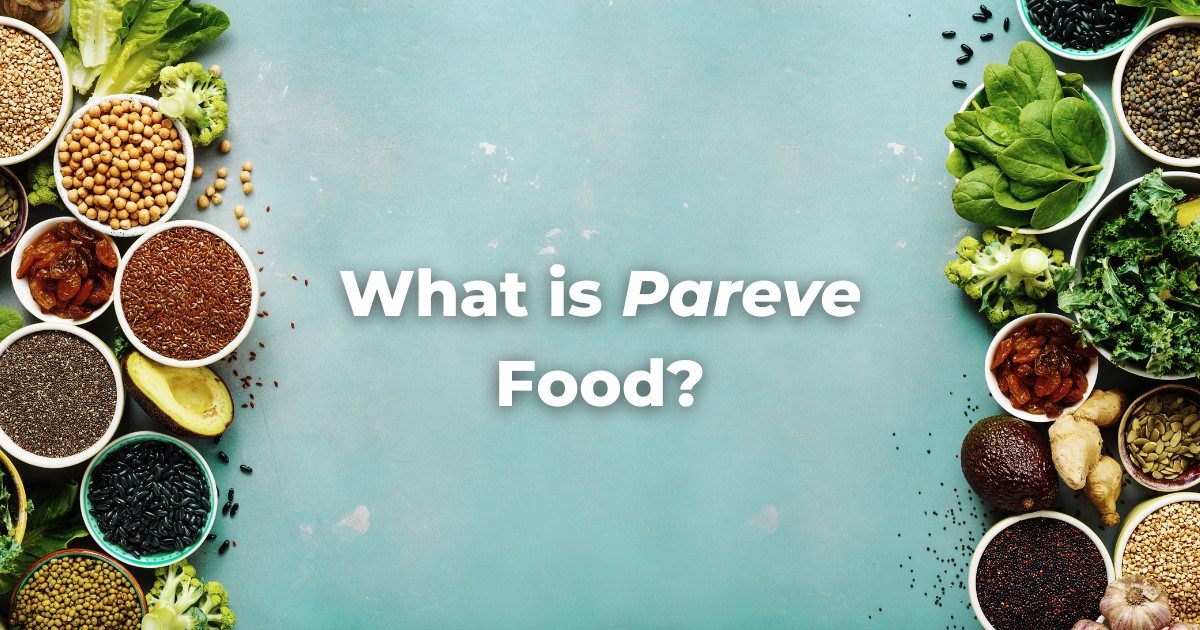
In the strictest sense of kashrut, foods are typically categorized into three groups: meat (fleishig), dairy (milchig), and pareve. Pareve foods are those that contain no meat or dairy ingredients and have not come into contact with meat or dairy products during their preparation, processing, or packaging in a way that would compromise their neutral status. Common examples of naturally pareve ingredients include all fruits, vegetables, grains, legumes, eggs, fish (excluding shellfish, which is not kosher), and a vast array of plant-based oils, spices, and seasonings. Crucially, water is also pareve.
For a product to be certified pareve, every single ingredient must be pareve, and the entire manufacturing process must be meticulously overseen to prevent any cross-contamination. This extends to the equipment used, which must be thoroughly cleaned or dedicated solely to pareve production, and even the air quality in processing facilities. This stringent requirement underscores the seriousness with which kosher laws, and by extension, kosher consumers, approach the integrity of pareve products.
The Role of Kashrut in Food Production
Kashrut is more than a list of permissible foods; it’s a comprehensive system of dietary laws that govern food preparation, from sourcing ingredients to serving meals. It dictates which animals are permissible (e.g., specific mammals and birds), how they must be slaughtered (shechita), and which parts of the animal can be eaten. It also prohibits certain combinations, most notably the mixing of meat and dairy. This separation is where pareve truly shines, acting as a culinary bridge.
For food brands, entering the kosher market means adhering to these intricate laws, which often require significant operational adjustments and dedicated oversight from a certifying agency. The “kosher seal” on a product is not merely a logo; it is a testament to rigorous adherence to a defined set of standards, offering consumers a guarantee of quality and compliance. This commitment to detail forms the bedrock of trust between kosher consumers and the brands they choose, making the correct application of pareve principles an integral part of a brand’s operational integrity.
Pareve as a Strategic Branding and Market Entry Tool
Beyond religious observance, the pareve designation holds substantial strategic value for food brands seeking to expand their market reach, enhance product versatility, and build a reputation for inclusivity and quality. It’s a powerful tool for market penetration and differentiation.
Tapping into the Kosher Market
The kosher food market is a significant segment, extending far beyond the observant Jewish community. Millions of consumers worldwide choose kosher products for various reasons, including perceived quality, health considerations, allergies (as pareve foods are inherently dairy-free and often meat-free, appealing to vegans and those with lactose intolerance), and general ethical concerns. Estimates place the global kosher market value in the tens of billions of dollars, with steady growth.
For brands, obtaining pareve certification (and kosher certification generally) is a direct pathway to accessing this robust and loyal consumer base. By clearly labeling products as pareve, brands immediately communicate their suitability to a broad audience, including Jewish consumers, vegetarians, vegans, and those with specific dietary restrictions or preferences, thereby significantly expanding their potential customer base without needing to develop entirely new product lines. It’s a strategic move to unlock a lucrative niche that often overlaps with other dietary-conscious demographics.
Expanding Product Versatility
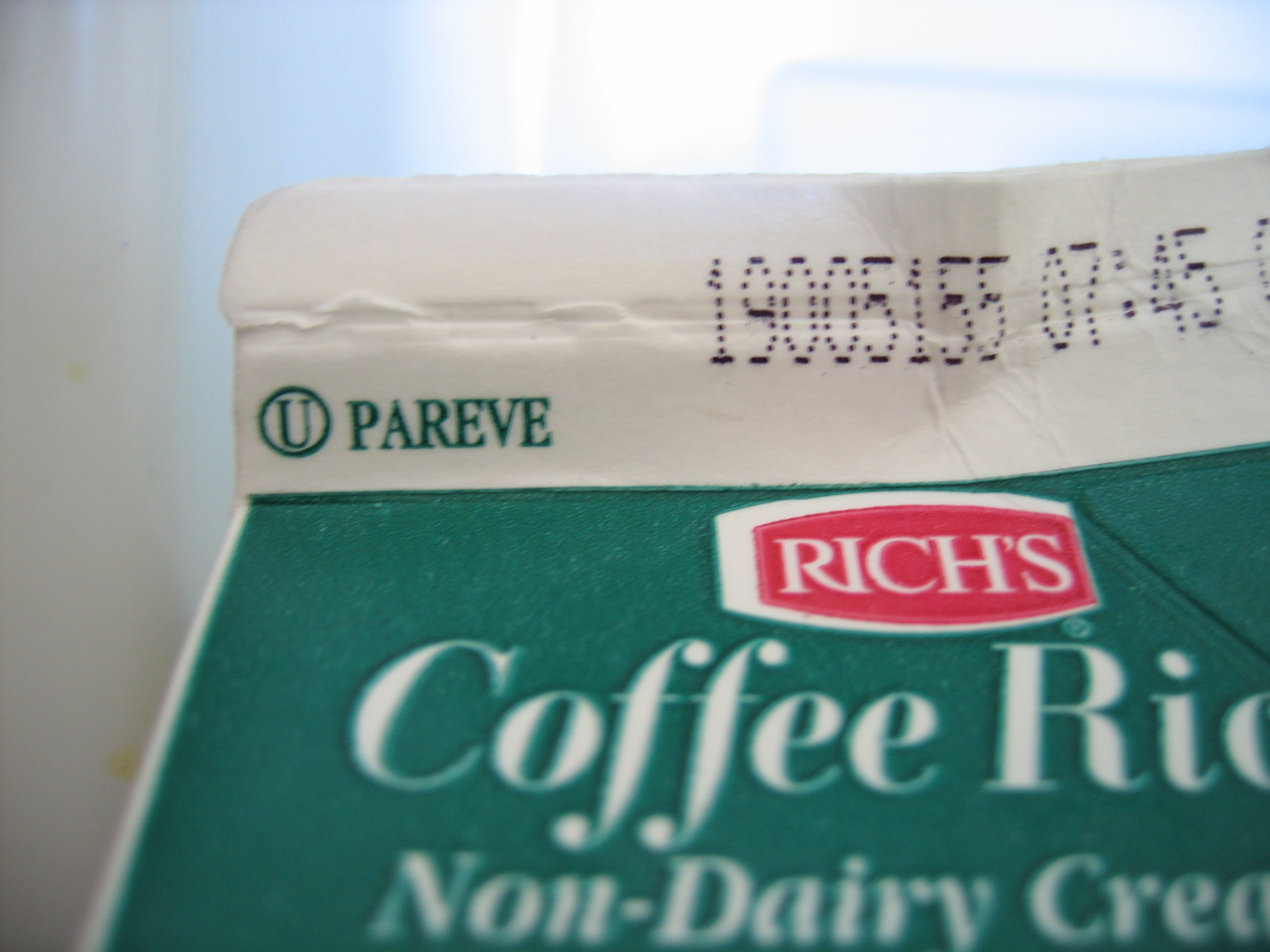
One of the most compelling advantages of pareve products for brands is their inherent versatility. Because pareve items can be safely consumed with either meat or dairy dishes, they offer consumers greater flexibility in meal preparation and dining. For example, a pareve dessert can be served after a meat meal, where a dairy dessert would be prohibited. A pareve coffee creamer can be used in coffee regardless of the meal being served.
This versatility enhances the appeal of a product across a wider array of culinary contexts. Brands producing pareve goods, such as snacks, baking ingredients, condiments, and plant-based alternatives, find that their products naturally fit into more diverse dietary patterns and meal occasions. This broad appeal simplifies purchasing decisions for consumers and allows brands to position their products as universal staples, not just niche items, thereby increasing sales potential and market penetration.
Building Trust and Authenticity
In today’s competitive food landscape, consumer trust is paramount. Brands that demonstrate transparency, adhere to high standards, and cater to specific needs often gain a significant advantage. Pareve certification, as part of broader kosher compliance, serves as a powerful symbol of a brand’s commitment to quality, integrity, and meticulous production processes.
The rigorous auditing and oversight by kosher certifying agencies instill confidence not only in kosher consumers but also in the general public. Consumers often associate kosher certification with stricter quality control, cleaner ingredients, and ethical sourcing, even if they don’t strictly follow kosher laws. For brands, this translates into an enhanced corporate identity built on reliability and authenticity. A clearly labeled pareve product communicates a promise of consistency and adherence to specific standards, fostering deep loyalty among those who value such assurances. This perception of higher quality can become a core component of a brand’s equity.
Navigating Certification and Production Challenges for Brand Integrity
Achieving and maintaining pareve status for products is not without its operational challenges. Brands must be prepared to invest in stringent processes and rigorous oversight to ensure compliance and, by extension, protect their brand integrity.
The Rigors of Kosher Certification
Obtaining pareve certification requires a comprehensive audit of a brand’s entire production ecosystem. This includes a detailed review of all ingredients, supplier certifications, manufacturing processes, equipment, sanitation protocols, and even pest control. Certifying agencies will typically send rabbinic inspectors (mashgichim) to oversee production, conduct facility inspections, and ensure strict adherence to kosher laws.
For brands, this often means making significant operational adjustments. Dedicated production lines might be required for pareve products, or existing lines may need extensive “kosherization” (a thorough cleansing process) between runs of dairy or meat products. Ingredient sourcing must be meticulously verified to ensure every component is pareve and comes from kosher-certified suppliers. These requirements necessitate investment in time, resources, and often, personnel training. However, the payoff in terms of market access and brand credibility often far outweighs these initial challenges.
Preventing Cross-Contamination: A Brand’s Imperative
The absolute prohibition against mixing meat and dairy extends to pareve products, meaning any accidental contact with meat or dairy ingredients or equipment can compromise a product’s pareve status. For a brand, preventing cross-contamination is not merely a regulatory hurdle; it’s a critical imperative for maintaining brand trust and avoiding costly recalls or damage to reputation.
Manufacturers must implement robust cleaning protocols, possibly dedicating specific machinery to pareve production, and establishing strict segregation measures throughout the facility. This includes storage areas, transport methods, and packaging processes. A single oversight could lead to a product being mislabeled, resulting in a loss of kosher certification, consumer backlash, and significant financial repercussions. Brands must integrate these practices into their core operational identity, demonstrating an unwavering commitment to product purity and accurate labeling.
Transparent Labeling as a Brand Promise
Clear and unambiguous labeling is the final, crucial step in communicating a product’s pareve status to the consumer. The kosher symbol, often accompanied by the word “Pareve,” serves as an immediate visual cue that the product meets the stringent requirements. This transparency is a direct brand promise.
Brands must ensure that their packaging design not only features the kosher symbol prominently but also avoids any imagery or language that could mislead consumers about the product’s status. For instance, using an image of a dairy cow on a pareve product, even if conceptually unrelated, could cause confusion. Accurate labeling reinforces the brand’s commitment to honesty and integrity, empowering consumers to make informed choices. Any ambiguity or error in labeling can erode consumer confidence, damaging the brand’s hard-earned reputation within the kosher and broader dietary-conscious communities.
Marketing Pareve: Communication Strategies for Brands
Once a product achieves pareve status, effective communication becomes key to leveraging this designation for market advantage. Brands need tailored marketing strategies to highlight the benefits and versatility of their pareve offerings.
Educating the Consumer Base
Many consumers, even within the kosher market, may not fully understand the nuances of pareve. Brands have an opportunity and a responsibility to educate their audience on what pareve means and why it matters. Marketing campaigns can explain the benefits of pareve products – their versatility, their suitability for various diets (vegan, dairy-free), and the rigorous standards behind their certification.
This education can take various forms: informative blog posts, social media content, explainer videos, or detailed product descriptions on websites. By demystifying “pareve,” brands can transform it from an unknown term into a value proposition, making it relevant to a broader segment of the population and positioning themselves as thought leaders in dietary consciousness.
Differentiating Through Dietary Claims
In a crowded market, pareve can serve as a powerful differentiator. Brands can strategically position their pareve products not just as kosher, but also as naturally dairy-free, vegan-friendly, or suitable for those with specific allergies. This allows brands to appeal to multiple dietary segments simultaneously, broadening their market appeal.
For instance, a plant-based milk alternative that is also pareve can be marketed to vegans, individuals with lactose intolerance, and kosher consumers all at once. This multi-faceted appeal makes the product inherently more valuable and accessible. Brands should integrate “pareve” into their broader dietary claims alongside “gluten-free,” “non-GMO,” or “organic” to create a compelling and inclusive product story that resonates with diverse consumer groups.
Leveraging Digital and Traditional Channels
Effective marketing of pareve products requires a multi-channel approach. Digitally, brands can utilize social media platforms to target specific demographics interested in kosher or plant-based diets, employ SEO strategies to rank for terms like “pareve desserts” or “kosher vegan options,” and partner with kosher food bloggers, influencers, and community platforms. Online recipe sharing and cooking demonstrations highlighting the versatility of pareve ingredients can also be highly effective.
Traditionally, brands can engage with kosher magazines, participate in kosher food festivals and expos, and develop partnerships with Jewish community centers or organizations. In-store promotions with clear signage can also guide consumers. By strategically deploying both digital and traditional marketing tactics, brands can effectively communicate the value proposition of their pareve products, fostering strong brand recognition and driving sales within and beyond the kosher market.

Conclusion
Understanding “what is pareve” extends far beyond a simple dietary definition; for food brands, it represents a multifaceted strategic imperative. Embracing pareve principles offers a robust pathway to market expansion, allowing brands to tap into the lucrative kosher market while simultaneously appealing to a broader audience seeking versatile, high-quality, and allergen-friendly options. The commitment required for pareve certification—from meticulous ingredient sourcing to rigorous production oversight and transparent labeling—is a testament to a brand’s dedication to integrity and quality. By leveraging pareve in their brand strategy and marketing communications, businesses can not only meet the specific needs of a discerning consumer base but also strengthen their overall corporate identity, foster deep consumer trust, and differentiate themselves effectively in an increasingly competitive global food landscape. Pareve, therefore, is not merely a dietary classification, but a powerful tool for brand growth and enduring market relevance.
aViewFromTheCave is a participant in the Amazon Services LLC Associates Program, an affiliate advertising program designed to provide a means for sites to earn advertising fees by advertising and linking to Amazon.com. Amazon, the Amazon logo, AmazonSupply, and the AmazonSupply logo are trademarks of Amazon.com, Inc. or its affiliates. As an Amazon Associate we earn affiliate commissions from qualifying purchases.