
Understanding the “normal” level of any biomarker, such as progesterone, is a cornerstone of health management, particularly in women’s reproductive health. While traditionally this knowledge was gleaned through conventional laboratory tests, the advent of digital health technologies, wearable devices, and sophisticated AI analytics is revolutionizing how we monitor, interpret, and act upon such crucial physiological data. This article explores how technology is enhancing our ability to understand individual progesterone levels, moving beyond static lab reports to dynamic, personalized insights.
The Evolution of Hormone Monitoring: From Lab Tests to Smart Devices
For decades, the standard procedure for assessing hormone levels, including progesterone, involved blood samples drawn at a clinic and analyzed in a laboratory. While these methods remain the gold standard for diagnostic accuracy, they often lack the convenience and real-time insights desired for proactive health management. The digital age, however, is ushering in an era of accessible and continuous monitoring, transforming the landscape of hormone tracking.
Traditional Methods: The Baseline for Progesterone Measurement
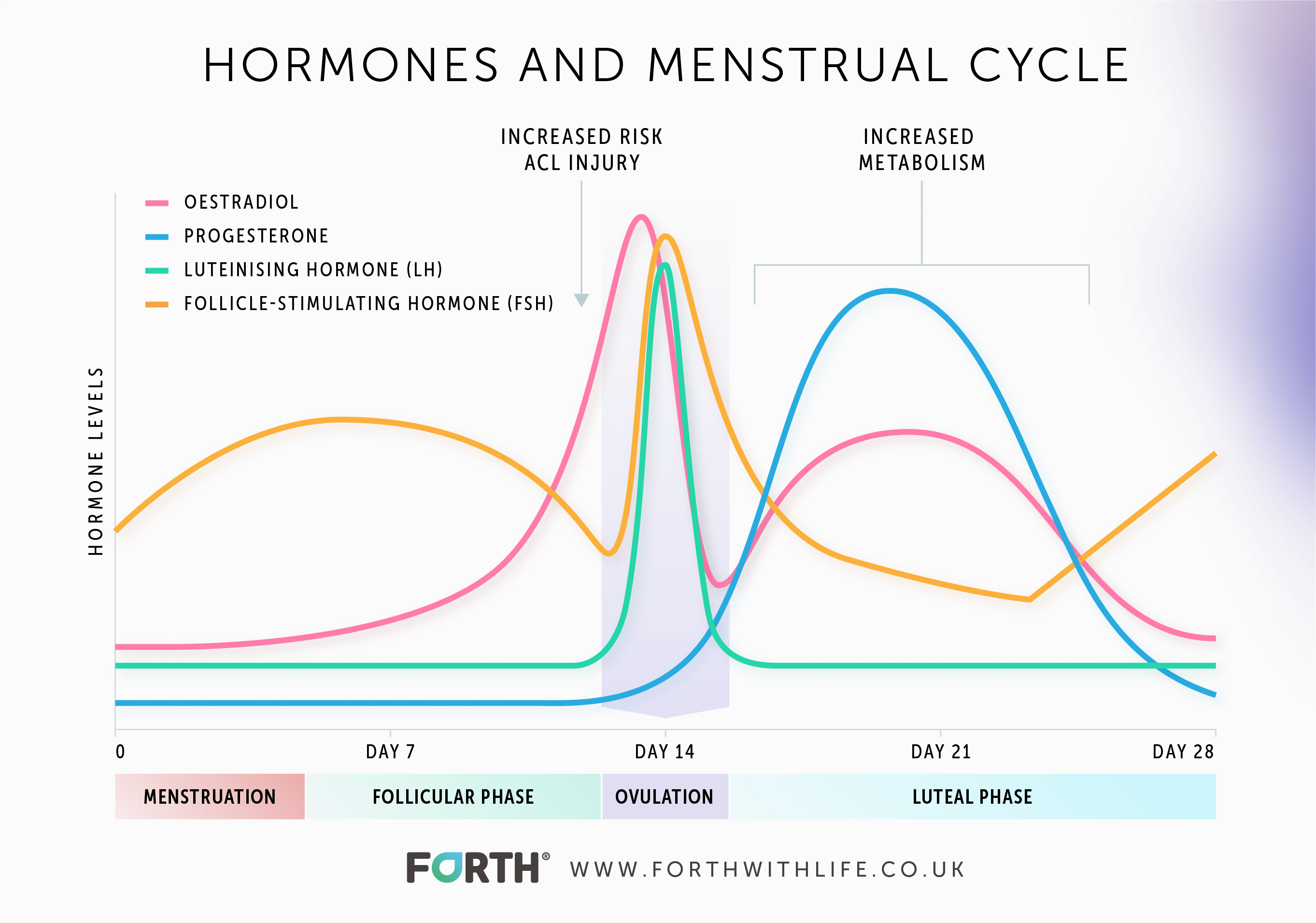
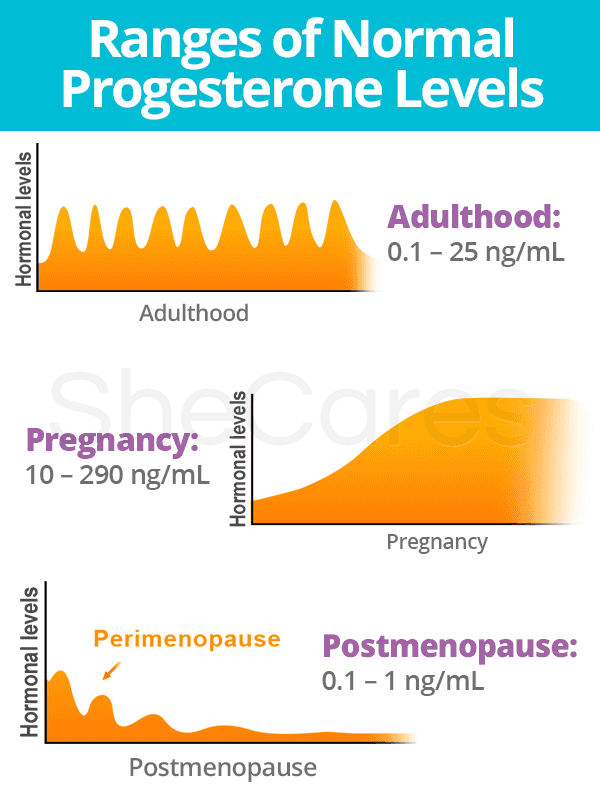
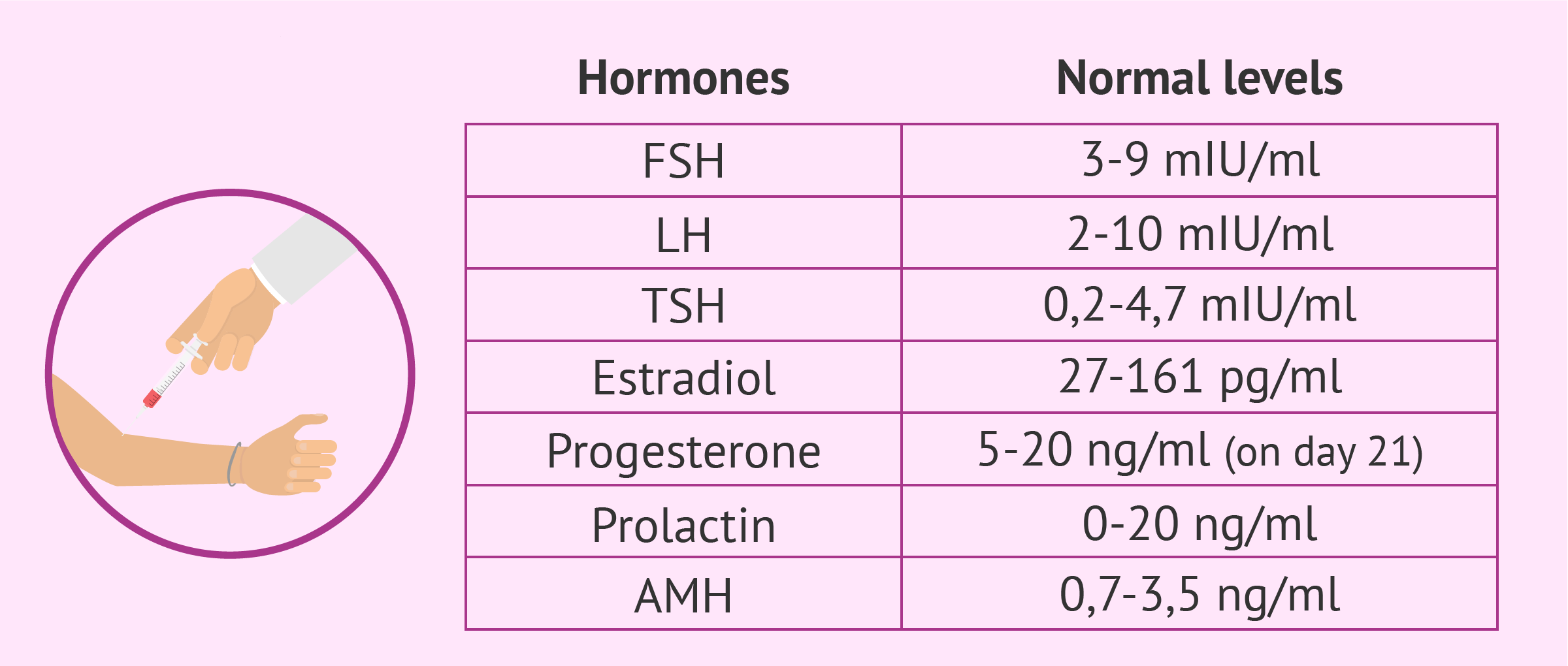
Historically, a doctor would order a serum progesterone test, typically at a specific point in a woman’s menstrual cycle—often seven days after ovulation—to confirm ovulation or assess luteal phase adequacy. These tests provide a snapshot, indicating progesterone concentration at that precise moment. Reference ranges are established based on large population studies, categorizing results as “normal,” “low,” or “high” for specific phases of the cycle (e.g., follicular, luteal, pregnancy). While accurate for diagnosis, the infrequent nature of these tests often misses the dynamic fluctuations of hormones and requires clinic visits, which can be inconvenient and stressful.
Moreover, the definition of “normal” itself can be nuanced. What’s normal for one individual might not be optimal for another, given variations in physiology, age, lifestyle, and specific health goals (e.g., trying to conceive versus managing PCOS). This is where technology steps in, offering tools that can complement traditional methods by providing a more comprehensive and personalized view.
Emerging Tech: Wearables and At-Home Testing Kits
The market for health tech is booming, bringing sophisticated hormone monitoring capabilities directly into the hands of consumers. Wearable devices, while not directly measuring progesterone, can track proxies like basal body temperature (BBT), heart rate variability (HRV), and sleep patterns. Algorithms then interpret these physiological shifts to infer ovulation and, indirectly, the rise and fall of progesterone post-ovulation. For instance, a sustained rise in BBT after ovulation is indicative of progesterone’s thermogenic effect. Apps integrated with these wearables can then chart these trends, helping users identify their fertile window and track cycle regularity.
Beyond wearables, a significant leap has been made with at-home testing kits. These range from simple ovulation predictor kits (OPKs) that detect luteinizing hormone (LH) surges to more advanced tests that can quantitatively measure progesterone metabolites in urine or saliva. Companies are developing innovative microfluidic devices and smartphone-connected readers that allow users to perform tests at home, upload results via an app, and receive immediate, actionable insights. While not always as precise as laboratory blood tests, these kits offer convenience, allow for more frequent testing over time, and empower individuals to gather data on their own terms, filling the gaps between clinical visits. This shift democratizes access to valuable health data, enabling proactive management and earlier intervention.
AI and Data Analytics in Decoding Progesterone Patterns
The sheer volume of data generated by modern tracking methods, from wearable sensors to at-home test results, would be overwhelming without advanced analytical tools. Artificial intelligence (AI) and machine learning (ML) are becoming indispensable in transforming raw data into meaningful, personalized health insights, particularly concerning hormone patterns like progesterone.
Predictive Analytics for Fertility and Menstrual Cycles
AI’s strength lies in its ability to identify complex patterns and correlations within large datasets that might elude human observation. In the context of progesterone, AI-powered applications can analyze historical cycle data (BBT, LH levels, period dates, symptom tracking) to predict ovulation with increasing accuracy. By understanding when ovulation is likely to occur, individuals can better time intercourse for conception or conversely, use this information for natural family planning.
Furthermore, AI can move beyond simple prediction to offer more nuanced insights. For women experiencing irregular cycles or conditions like Polycystic Ovary Syndrome (PCOS), where progesterone patterns can be erratic, AI algorithms can help identify underlying anomalies. By correlating various data points—sleep quality, stress levels, exercise, dietary intake—with hormonal fluctuations, AI can generate personalized hypotheses about factors influencing progesterone levels and cycle regularity, guiding users towards lifestyle adjustments or indicating when professional medical advice is warranted. This predictive power reduces uncertainty and empowers individuals with foresight into their reproductive health.
Personalized Health Insights through Machine Learning
Machine learning algorithms are designed to learn and improve over time, making them ideal for personalized health tracking. When an individual continuously feeds data into a specialized app—whether it’s daily BBT, weekly at-home hormone test results, or symptom logs—the ML model can build a unique profile. It can then identify what constitutes a “normal” progesterone pattern for that specific individual, rather than relying solely on population averages.
For instance, an ML algorithm might learn that a user’s typical luteal phase progesterone peak is slightly lower than the population average but is consistent and results in successful ovulation. Or, it might detect a subtle, consistent dip in progesterone prior to menstruation that signals an impending period, even before physical symptoms appear. This level of personalization is critical because optimal health exists on a spectrum, not as a single, universal benchmark. By providing insights tailored to individual physiology, ML tools empower users to understand their unique hormonal narrative, recognize deviations from their personal normal, and make more informed decisions about their health and fertility journey.
The Role of Mobile Applications and Digital Platforms
Mobile applications and digital platforms serve as the central nervous system for modern hormone tracking, consolidating data, performing analytics, and presenting information in an understandable format. They are the primary interface through which users interact with their health data and connect with broader healthcare ecosystems.
Tracking, Visualization, and User-Friendly Interfaces
The success of any health technology hinges on its usability. Mobile apps designed for hormone tracking excel at providing intuitive interfaces for data entry, whether manual or automatically synced from wearables. Beyond simple data logging, these apps offer powerful visualization tools. Graphs and charts illustrate progesterone trends over days, weeks, or months, allowing users to easily spot patterns, identify peaks and troughs, and understand the duration of different cycle phases. This visual representation makes complex hormonal dynamics accessible and comprehensible to the layperson, fostering a deeper engagement with one’s body.
Many apps also incorporate educational content, explaining the role of progesterone, what different levels might signify, and when to seek medical advice. This demystifies reproductive health and turns abstract biomarker data into actionable knowledge. The user-friendly design ensures that individuals, regardless of their technological proficiency, can effectively monitor their health and gain valuable insights.
Connecting Patients with Healthcare Providers and Telemedicine
Perhaps one of the most transformative aspects of digital platforms is their ability to bridge the gap between self-monitoring and professional healthcare. Many advanced apps allow users to generate comprehensive reports of their tracked data, which can then be easily shared with their doctors. Instead of relying on a patient’s potentially inaccurate memory or a single lab test result, clinicians gain access to a longitudinal dataset, offering a far richer context for diagnosis and treatment planning. This digital data can be invaluable for women struggling with fertility issues, menstrual irregularities, or perimenopausal symptoms, providing concrete evidence of hormonal patterns over time.
Furthermore, these platforms often integrate with telemedicine services. Users can consult with healthcare professionals remotely, discussing their app-generated insights and receiving guidance without the need for an in-person visit. This enhances accessibility, reduces geographical barriers to care, and makes proactive health management a more integrated and continuous process. Telemedicine, powered by digital tracking tools, ensures that personalized data translates directly into personalized medical care.
Data Security and Privacy in Hormone Monitoring Tech
As health technology becomes increasingly pervasive, the immense benefits come with a significant responsibility: safeguarding sensitive personal health information. Data concerning hormone levels, reproductive health, and fertility is deeply personal and requires robust security and privacy measures.
Protecting Sensitive Health Information in the Digital Age
The proliferation of health apps and wearable devices means that vast amounts of intimate physiological data are being collected, stored, and often shared across various platforms. For progesterone tracking, this could include not just numerical values, but also cycle regularity, ovulation dates, pregnancy attempts, and related symptoms. The protection of this data from unauthorized access, breaches, and misuse is paramount. Companies developing these technologies must adhere to stringent data encryption standards, secure server protocols, and regular security audits. Users, in turn, must be vigilant about the privacy policies of the apps and devices they use, understanding how their data is collected, stored, and potentially utilized. Opting for apps that are transparent about their data practices and committed to privacy-by-design principles is crucial.
Regulatory Compliance and User Trust
The regulatory landscape for health data is complex and varies by region (e.g., HIPAA in the US, GDPR in Europe). Companies operating in this space must ensure strict compliance with these regulations, which dictate how personal health information is handled, shared, and protected. Compliance builds trust, a critical factor for user adoption and engagement in health tech. When users trust that their sensitive hormone data is secure and will only be used in ways they explicitly consent to, they are more likely to embrace these technologies. This includes clear consent mechanisms for data sharing, robust anonymization techniques for research purposes, and the right for users to access and delete their data. Maintaining user trust through transparent privacy practices and unwavering security commitment is not just a regulatory requirement; it’s a fundamental ethical imperative that underpins the future success of digital health.
The Future Landscape: Integration and Accessibility
The trajectory of hormone monitoring technology points towards greater integration, enhanced intelligence, and wider accessibility, promising a future where personalized health management is seamless and ubiquitous.
Interoperability of Devices and Health Records
Currently, data from various health devices and apps can often exist in silos, making a holistic view challenging. The future of hormone monitoring tech lies in achieving true interoperability. Imagine a scenario where data from a smart ring tracking BBT, an at-home urine test measuring progesterone metabolites, and an AI-powered fertility app all seamlessly feed into a unified personal health record (PHR). This PHR could then be securely accessed by both the individual and their healthcare providers, painting a comprehensive and dynamic picture of hormonal health alongside other vital signs, lifestyle data, and medical history. Standards like FHIR (Fast Healthcare Interoperability Resources) are paving the way for such integration, enabling different systems to “speak the same language” and exchange data securely and efficiently. This integrated approach will empower individuals and clinicians with unprecedented insights, leading to more precise diagnoses and tailored treatment plans.
Expanding Access to Advanced Hormone Monitoring
Technological advancements often start as premium offerings, but the trend in digital health is towards greater democratization. As the cost of sensors decreases, manufacturing processes become more efficient, and AI algorithms become more refined, advanced hormone monitoring solutions will become more affordable and accessible to a broader population. This expansion of access is critical for addressing health disparities and ensuring that individuals in diverse socio-economic and geographical contexts can benefit from personalized health insights. Efforts to create user-friendly, culturally relevant, and multi-language interfaces will further break down barriers. The ultimate vision is a future where understanding one’s “normal” progesterone level, and acting upon that knowledge, is not a privilege but a widely available tool for proactive health and well-being, supported and enhanced by continuous technological innovation.
aViewFromTheCave is a participant in the Amazon Services LLC Associates Program, an affiliate advertising program designed to provide a means for sites to earn advertising fees by advertising and linking to Amazon.com. Amazon, the Amazon logo, AmazonSupply, and the AmazonSupply logo are trademarks of Amazon.com, Inc. or its affiliates. As an Amazon Associate we earn affiliate commissions from qualifying purchases.