
When you finance a vehicle, the journey toward ownership involves more than just selecting the make and model. It involves a complex web of legal and financial obligations, the most significant of which is the presence of a lienholder. Understanding who a lienholder is and what power they hold over your vehicle is essential for any borrower, as it dictates your rights, responsibilities, and the ultimate path to clear title ownership.
Defining the Lienholder and Their Legal Role
At its core, a lienholder is a financial institution, bank, credit union, or private lender that provides the funds for you to purchase a vehicle. Because you are borrowing a significant amount of capital, the lender requires collateral to mitigate their risk. In this scenario, the vehicle serves as that collateral. The “lien” is a legal claim that the lender places on your vehicle’s title, signifying that they have a financial stake in the asset until the loan is paid in full.

The Mechanism of the Lien
When you sign a loan agreement, you aren’t just agreeing to make monthly payments; you are granting the lender a security interest in the car. This interest is formalized through the Department of Motor Vehicles (DMV) or the relevant state agency. You will notice that your car title does not list you as the sole owner. Instead, it lists the lending institution as the lienholder. This prevents you from selling, gifting, or transferring the car without their express permission, as the lender technically holds a superior claim to the asset until the debt is satisfied.
Why Lenders Require Liens
The lien provides the lender with a safety net. If a borrower defaults on their payments—meaning they stop paying the loan according to the agreed-upon schedule—the lienholder has the legal authority to repossess the vehicle. They can then sell the car to recoup the remaining balance of the loan. Without this protection, lending institutions would be far less likely to offer auto loans, as the risk of total loss would be prohibitive.
The Practical Implications for Car Owners
While having a lienholder on your title is a standard part of financing, it creates specific boundaries for how you can interact with your vehicle. Many first-time buyers are surprised to learn that their ability to modify or move their vehicle is constrained by the existence of this legal claim.
Limitations on Selling and Trading
You cannot simply sell a car with an active lien to a private party without addressing the debt first. Because the lienholder is a legal co-owner, they must be paid off before the title can be “cleared.” When you sell a vehicle with a lien, the transaction usually requires a three-way coordination: the buyer pays the lender the amount needed to satisfy the lien, the lender releases the lien, and the remaining balance (if any) is either kept by you or paid to the lender. This process adds a layer of complexity to private-party sales and necessitates careful coordination with the lienholder’s payoff department.
Insurance Requirements
One of the most overlooked aspects of having a lienholder is the insurance mandate. Because the vehicle is the lender’s collateral, they have a vested interest in ensuring it remains valuable. Consequently, almost all auto lenders require borrowers to maintain comprehensive and collision coverage throughout the life of the loan. While these policies are generally recommended regardless of financing, they become mandatory when a lienholder is involved. If you fail to maintain this coverage, the lender may purchase “force-placed” insurance on your behalf, which is almost always more expensive and provides less protection for the borrower.

Understanding Title Retention
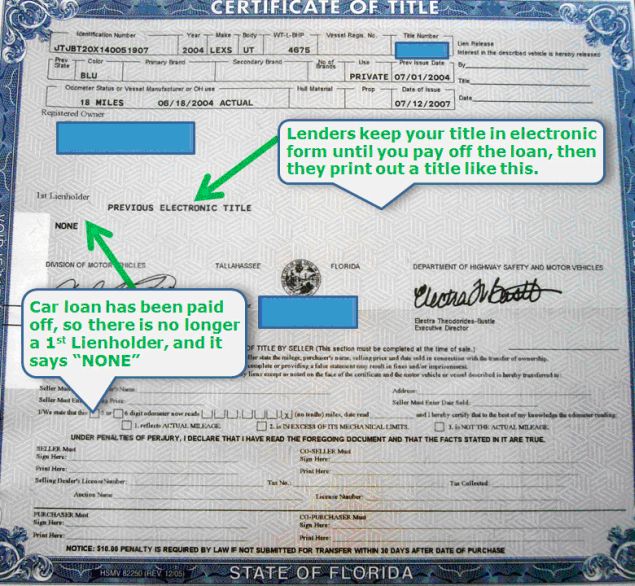
In many states, the physical title is mailed directly to the lienholder rather than to the borrower. The lender keeps the title in their records for the duration of the loan. This can cause anxiety for some owners who worry about proof of ownership. Rest assured, you are still the registered owner and operator of the vehicle; the lender is merely a secured party. Once you make your final payment, the lender is legally obligated to release the lien.
Managing the Relationship with Your Lienholder
The relationship between a borrower and a lienholder is primarily transactional, but it is critical to keep communication lines open. Successfully navigating this relationship ensures that your path to ownership is smooth and that your credit score remains protected.
The Payoff Process
When you reach the end of your loan term—or decide to pay it off early—you must request a “payoff quote” from your lender. It is important to note that a payoff quote is different from your current balance shown on a monthly statement. The quote includes interest calculated up to a specific date. Once the balance is paid in full, the lender will notify the state’s DMV and issue a lien release. This document is your most important piece of paperwork, as it verifies that the legal claim against your car has been removed.
Dealing with Delinquencies
If you encounter financial hardship, communication is your most powerful tool. Many lienholders have programs for temporary payment deferment or loan restructuring. Ignoring a lienholder is the fastest way to trigger repossession protocols. If you find yourself unable to keep up with payments, reaching out before you are in default can often lead to a mutually beneficial arrangement.
Refinancing and Changing Lienholders
You are not necessarily stuck with the original lienholder for the duration of your loan. If interest rates drop or your credit score improves, you may choose to refinance your auto loan. During this process, a new lender pays off the original lienholder. The old lien is released, and a new lien is placed on the vehicle by the new lender. This can be an excellent financial strategy to lower monthly payments or reduce the total cost of interest, provided that the terms of the new loan are superior to the original.
Moving Beyond the Lien: Achieving Clear Title
The ultimate goal of any car loan is to transition from having a lienholder to holding a “clear title.” This represents the full, unencumbered ownership of your vehicle.
What Happens After the Final Payment?
Once the lender receives your final payment, they are typically required by state law to send a notice of lien release to the DMV. In many cases, the DMV will then mail you a new, clean title in your name only. If your state uses electronic titles (e-titles), this update will occur in the state’s digital database. It is vital to verify that your records reflect this change. Occasionally, administrative errors occur, and a lien may remain on your title long after the debt is paid. Always follow up with the DMV a few weeks after your final payment to confirm that the lien has been officially discharged.
Why a Clear Title Matters
Holding a clear title grants you total control over the asset. You can sell the car to whomever you choose at the price you set, you can donate the vehicle, or you can use the car as collateral for an entirely different type of loan. Furthermore, without a lienholder, you are no longer required to maintain the specific levels of insurance mandated by the lender, which can sometimes provide more flexibility in your personal financial planning.
In summary, a lienholder is a temporary but necessary partner in your vehicle acquisition. While they add layers of regulation to the ownership experience, they are the entities that make the accessibility of vehicle ownership possible for millions. By understanding their role, respecting their requirements, and managing your payoff process with diligence, you can ensure that your car serves as a valuable asset rather than a source of financial friction.
aViewFromTheCave is a participant in the Amazon Services LLC Associates Program, an affiliate advertising program designed to provide a means for sites to earn advertising fees by advertising and linking to Amazon.com. Amazon, the Amazon logo, AmazonSupply, and the AmazonSupply logo are trademarks of Amazon.com, Inc. or its affiliates. As an Amazon Associate we earn affiliate commissions from qualifying purchases.