
In the intricate landscape of modern financial planning and employee benefits, group insurance stands out as a cornerstone offering, providing a crucial safety net for millions. Far from a niche concept, it’s a fundamental mechanism through which employers, associations, and other large entities can provide comprehensive insurance coverage to their members at a potentially lower cost than individual policies. Understanding group insurance is not merely an academic exercise; it’s essential for businesses looking to attract and retain top talent, and for individuals seeking to maximize their financial security and well-being. This comprehensive guide will delve into the essence of group insurance, dissecting its mechanics, benefits, types, and the strategic implications it holds for all involved parties.
The Core Concept of Group Insurance: A Collective Safety Net
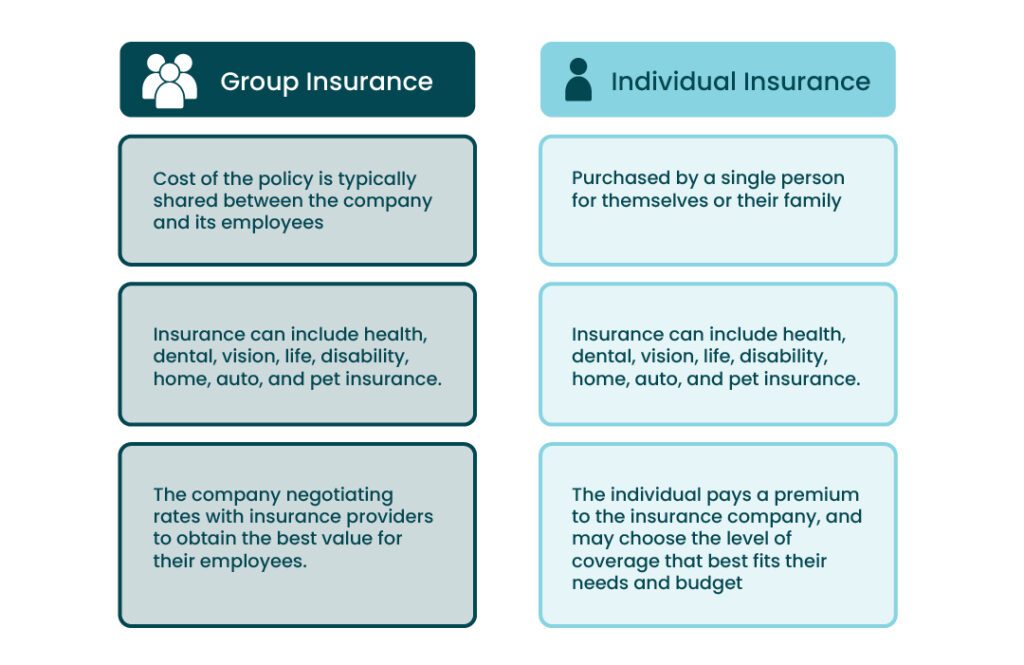
At its heart, group insurance is a form of insurance that covers a group of people, often employees of a company, members of an organization, or a specific demographic within a community, under a single master policy. Unlike individual insurance, where each person applies for and owns their policy, group insurance operates on a collective basis, leveraging the power of numbers to achieve more favorable terms and rates.
Defining Group Insurance
Group insurance is a contract between an insurer and a policyholder (typically an employer or organization) that provides coverage to a defined group of individuals. The policyholder acts as the administrator, managing enrollment, premium collection (often with employee contributions), and claims processing for the group members. The coverage provided can vary widely, encompassing everything from health and life insurance to disability and dental plans, all under the umbrella of a single, unified agreement. This structure simplifies administration for the insurer and the policyholder, while also making insurance more accessible and affordable for the covered individuals.
How it Differs from Individual Policies
The distinction between group and individual insurance is pivotal. With individual policies, underwriting is performed on each applicant, considering their specific health status, age, lifestyle, and other risk factors. This often results in premiums tailored to individual risk profiles, which can be higher for those deemed high-risk. In contrast, group insurance underwriting typically focuses on the characteristics of the group as a whole, rather than each individual. This means that a person who might be uninsurable or face very high premiums on the individual market due to pre-existing conditions could still obtain coverage through a group plan, often at the same rate as healthier colleagues. This “spreading of risk” across a larger pool is a defining characteristic and a primary advantage. Furthermore, individual policies require direct payment from the policyholder, while group policy premiums are often subsidized by the employer, reducing the direct financial burden on employees.
The Underlying Principle: Risk Pooling
The efficacy of group insurance hinges on the principle of risk pooling. By combining a large number of individuals into a single group, insurers can average out the risk. The likelihood of a large number of claims occurring simultaneously across the entire group is statistically lower than the cumulative risk if each individual were insured separately. This diversification of risk allows insurers to offer more competitive rates and broader coverage. For instance, in a group health plan, the premiums paid by younger, healthier employees help subsidize the costs incurred by older or less healthy employees, creating a balanced and sustainable system. This collective approach makes insurance more viable and cost-effective for both the insurer and the insured.
Key Benefits and Advantages for Stakeholders
Group insurance isn’t just a financial product; it’s a strategic asset with profound benefits for every party involved – employees, employers, and even the insurance providers themselves. Its multi-faceted advantages contribute to financial security, talent attraction, and market stability.
For Employees: Enhanced Financial Security and Affordability
For individual employees, group insurance is often the most accessible and affordable pathway to comprehensive coverage. The primary benefit is cost efficiency; because employers typically subsidize a portion of the premiums, employees pay less out-of-pocket than they would for comparable individual plans. Furthermore, group plans often offer better benefits and lower deductibles than what might be available on the individual market. This provides a significant boost to personal financial planning, reducing the burden of unexpected medical costs, providing for dependents in case of untimely death, or offering income protection during disability. The convenience of payroll deductions also simplifies premium payments, making financial management easier for the insured individual.
For Employers: Attracting Talent and Tax Advantages
From an employer’s perspective, offering a robust group insurance package is a powerful tool for talent acquisition and retention. In today’s competitive job market, comprehensive benefits are often as important as salary for prospective employees. A strong benefits package signals an employer’s commitment to employee well-being, fostering loyalty and reducing turnover. Beyond human capital benefits, there are significant financial incentives. Employer contributions to group insurance premiums are generally tax-deductible as a business expense, reducing the company’s taxable income. Additionally, the premiums paid by employees are often pre-tax deductions, offering them a tax advantage as well. This dual tax benefit makes group insurance a financially savvy decision for businesses of all sizes.
For Insurers: Broader Market Reach and Stable Portfolios
Insurance companies also derive substantial advantages from group policies. Group insurance allows insurers to access a large pool of policyholders efficiently, expanding their market reach without the high acquisition costs associated with selling individual policies one by one. The administrative burden is also streamlined, as they deal with one policyholder (the employer) rather than hundreds or thousands of individuals. More importantly, the principle of risk pooling results in a more stable and predictable claims experience. With a larger, more diverse group, the actuarial calculations are more reliable, leading to lower volatility in claims and a more consistent profit margin for the insurer.
Types of Group Insurance Policies
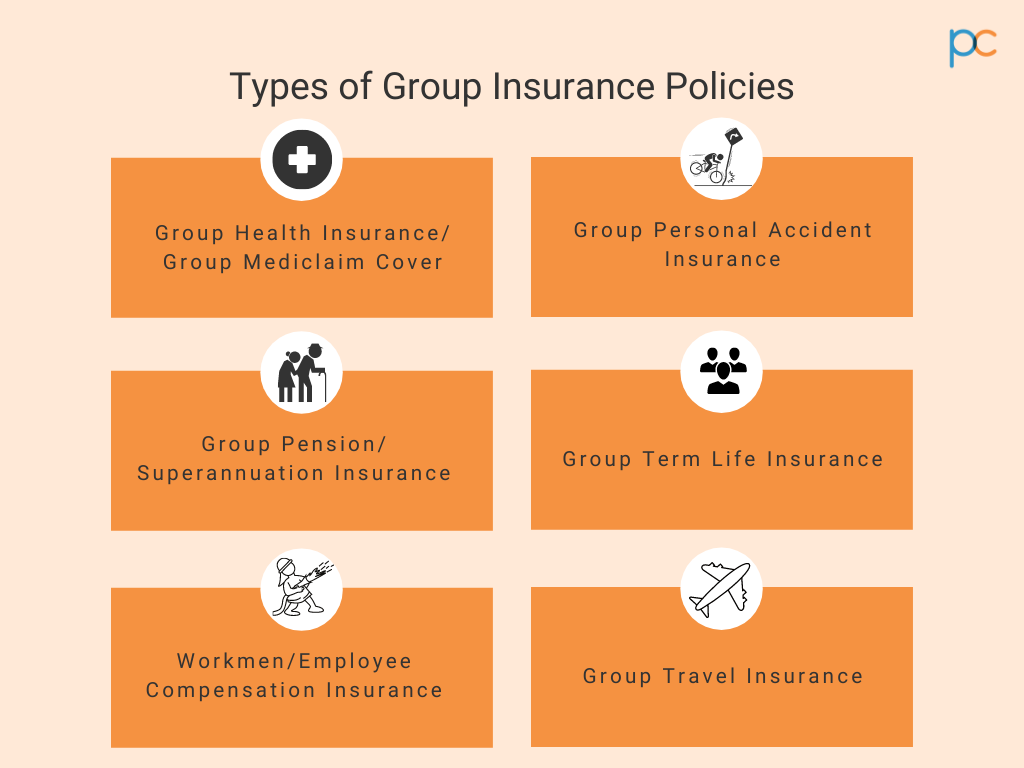
The term “group insurance” is broad, encompassing a variety of specialized coverages designed to meet different needs. While health insurance is often the first type that comes to mind, the spectrum of available group policies is much wider, each playing a critical role in a comprehensive benefits package.
Group Health Insurance
Undoubtedly the most common and vital form of group insurance, group health insurance provides coverage for medical expenses, including doctor visits, hospital stays, prescription drugs, and preventive care. These plans are crucial for ensuring employees have access to necessary healthcare without facing crippling financial burdens. Options typically include Health Maintenance Organizations (HMOs), Preferred Provider Organizations (PPOs), Point of Service (POS) plans, and High-Deductible Health Plans (HDHPs) often paired with Health Savings Accounts (HSAs). The choice of plan can significantly impact employee costs, provider networks, and flexibility.
Group Life Insurance
Group life insurance provides a financial payout to beneficiaries upon the death of the insured employee. Often offered as a multiple of the employee’s annual salary (e.g., one or two times salary), it provides essential financial protection for families. Many employers offer a basic level of group life insurance as a standard benefit, with employees having the option to purchase additional “supplemental” coverage at group rates, often without requiring a medical exam up to a certain coverage limit. This makes it an incredibly valuable and often overlooked benefit for ensuring family security.
Group Disability Insurance (Short-term and Long-term)
Disability insurance is designed to replace a portion of an employee’s income if they become unable to work due to illness or injury.
-
Short-term Disability (STD): Typically covers a period of a few weeks to several months, replacing a percentage of income after a short waiting period. It’s crucial for unexpected, temporary incapacitations.
-
Long-term Disability (LTD): Kicks in after STD benefits expire, providing income replacement for extended periods, potentially until retirement age. LTD is vital for catastrophic illnesses or injuries that prevent long-term employment, safeguarding an individual’s financial future.
Group Dental and Vision Insurance
While often considered secondary to health insurance, dental and vision plans are highly valued benefits that address routine health maintenance.
-
Group Dental Insurance: Covers a portion of costs for preventive care (cleanings, X-rays), basic procedures (fillings, extractions), and sometimes major procedures (crowns, bridges, orthodontics). Good dental health is linked to overall well-being, making this a valuable offering.
-
Group Vision Insurance: Helps cover the costs of eye exams, prescription glasses, and contact lenses. Given the increasing screen time in modern workplaces, vision care is more relevant than ever.
Other Specialized Group Coverages
The group insurance market continues to evolve, with various other specialized coverages emerging:
-
Group Critical Illness Insurance: Provides a lump-sum payment upon diagnosis of specific critical illnesses (e.g., cancer, heart attack), which can be used to cover medical or non-medical expenses.
-
Group Accident Insurance: Offers benefits for injuries sustained in accidents, covering ambulance rides, emergency room visits, and hospital stays.
-
Group Legal Plans: Provide access to legal services for various personal matters, often at reduced rates.
-
Employee Assistance Programs (EAPs): While not traditional insurance, EAPs are often bundled with group benefits, offering confidential counseling and referral services for personal and work-related issues.
Understanding Eligibility, Enrollment, and Administration
The practical implementation of group insurance involves specific processes for eligibility, enrollment, and ongoing administration. These steps ensure that the right individuals are covered and that the benefits are managed effectively.
Eligibility Criteria for Group Members
While group insurance typically offers broad coverage, there are often specific criteria for who can join the group plan. For employer-sponsored plans, eligibility usually requires an individual to be a full-time employee and have completed a probationary period (e.g., 30 or 90 days). Dependents (spouses, children) are also typically eligible for coverage, though their inclusion may require additional premiums. For other groups, such as professional associations, membership in good standing would be the primary criterion. These criteria ensure that the group remains cohesive and that the risk pool is accurately defined.
The Enrollment Process: Open Enrollment vs. Special Enrollment
Enrollment is the process by which eligible individuals sign up for or make changes to their group insurance coverage.
-
Open Enrollment: This is an annual period, usually lasting a few weeks, during which employees can elect to enroll in, change, or waive coverage for the upcoming plan year. This period allows individuals to re-evaluate their needs and select the most appropriate plans.
-
Special Enrollment: Outside of open enrollment, individuals can only enroll or make changes if they experience a “qualifying life event.” These events include marriage, divorce, birth or adoption of a child, loss of other coverage, or a significant change in employment status. Special enrollment periods ensure that individuals can adjust their coverage as their life circumstances change, without having to wait for the next open enrollment.
Role of the Employer in Policy Administration
The employer (or organization) plays a central role in administering group insurance. They are responsible for:
-
Selecting plans and negotiating with insurers: Choosing the right mix of benefits that align with company budget and employee needs.
-
Communicating benefits to employees: Explaining plan options, costs, and enrollment procedures.
-
Managing enrollment: Facilitating the sign-up process and submitting enrollment data to the insurer.
-
Collecting premiums: Withholding employee contributions from paychecks and remitting total premiums to the insurer.
-
Acting as a liaison: Assisting employees with questions, claims issues, or other administrative tasks related to the benefits.
Proper administration is crucial for the smooth functioning of the group plan and for employee satisfaction.
Portability and Continuation of Coverage
A common concern with group insurance is what happens when an employee leaves their job or the group disbands. While group coverage typically terminates upon separation from the employer, several mechanisms exist for continuation or portability:
-
COBRA (Consolidated Omnibus Budget Reconciliation Act): In the United States, COBRA allows eligible individuals and their dependents to continue their group health coverage for a limited time (typically 18 or 36 months) after leaving employment, although they are responsible for paying the full premium plus an administrative fee.
-
Conversion Privilege: Many group life and disability policies offer a “conversion privilege,” allowing an individual to convert their group coverage into an individual policy without a medical exam, though usually at a higher premium.
-
State Continuation Laws: Some states have laws similar to COBRA that provide for continuation of coverage for smaller employers not covered by federal COBRA.
-
Spousal Coverage: Often, individuals can be added to a spouse’s group plan if they lose their own coverage due to a qualifying event.
Navigating the Financial and Strategic Implications
Beyond the immediate benefits, group insurance carries significant financial and strategic implications for businesses, influencing everything from bottom lines to corporate culture. Understanding these broader impacts is key to leveraging group benefits effectively.
Cost-Benefit Analysis for Businesses
For businesses, the decision to offer group insurance is a major financial commitment. A thorough cost-benefit analysis is essential. While premiums represent a substantial expense, they must be weighed against the tangible and intangible returns. Tangible returns include tax deductions and potentially reduced healthcare costs for a healthier workforce. Intangible benefits are often more impactful: improved employee morale, higher productivity, reduced absenteeism, and a stronger employer brand. The investment in benefits can pay dividends in terms of a more engaged, loyal, and efficient workforce, ultimately contributing to profitability and long-term success.
Impact on Employee Retention and Morale
The psychological and practical impact of a robust benefits package on employees cannot be overstated. Knowing they have access to quality healthcare, income protection, and financial security fosters a sense of appreciation and loyalty. This directly translates into higher employee retention rates, as employees are less likely to seek opportunities elsewhere if their current employer provides valuable benefits. High morale also boosts productivity and collaboration, contributing to a positive work environment and reducing the costs associated with recruitment and training new hires. In essence, group insurance is an investment in human capital that yields significant returns.
Regulatory Landscape and Compliance Considerations
Group insurance is subject to a complex web of federal and state regulations, which employers must navigate meticulously. In the U.S., key regulations include:
-
ERISA (Employee Retirement Income Security Act): Governs most private-sector employee benefit plans, setting standards for reporting, disclosure, and fiduciary responsibilities.
-
ACA (Affordable Care Act): Has significantly impacted group health plans, mandating essential health benefits, coverage for pre-existing conditions, and employer shared responsibility provisions.
-
HIPAA (Health Insurance Portability and Accountability Act): Focuses on protecting patient health information and ensures the portability of health coverage.
-
COBRA: As mentioned, provides for continuation of health coverage.
Non-compliance with these regulations can lead to substantial penalties, making it crucial for employers to stay informed and work with experienced benefits consultants or legal counsel.
Future Trends in Group Benefits
The landscape of group insurance is continuously evolving, driven by technological advancements, demographic shifts, and changing employee expectations. Key trends include:
-
Personalization and Flexibility: A move towards more customizable benefit options, allowing employees to choose plans that best fit their individual needs, often through “cafeteria plans.”
-
Integration of Wellness Programs: Increased emphasis on preventive care and wellness initiatives, often linked to lower premiums or incentives, promoting healthier lifestyles.
-
Mental Health and Well-being Support: Greater focus on comprehensive mental health coverage and resources, recognizing its critical role in overall employee well-being.
-
Digital Platforms and AI: Leveraging technology for streamlined enrollment, benefit administration, and personalized recommendations, enhancing the employee experience.
-
Gig Economy and Portable Benefits: Exploring new models of group coverage that can cater to the growing gig economy and provide portable benefits that move with workers.
In conclusion, group insurance is a sophisticated and indispensable component of modern financial infrastructure, serving as a powerful financial tool for both businesses and individuals. It facilitates widespread access to critical protections, fosters a stable workforce, and offers strategic advantages that extend far beyond simple risk transfer. As the economic and social landscapes continue to shift, understanding and effectively utilizing group insurance will remain paramount for securing financial futures and building resilient organizations.
aViewFromTheCave is a participant in the Amazon Services LLC Associates Program, an affiliate advertising program designed to provide a means for sites to earn advertising fees by advertising and linking to Amazon.com. Amazon, the Amazon logo, AmazonSupply, and the AmazonSupply logo are trademarks of Amazon.com, Inc. or its affiliates. As an Amazon Associate we earn affiliate commissions from qualifying purchases.