
In an increasingly visual and attention-driven world, the art of communication has evolved far beyond mere text. Brands, creatives, and organizations are constantly seeking innovative ways to connect with their audiences, convey complex messages, and establish a memorable identity. Enter the graphic novel—a sophisticated and potent medium that transcends traditional entertainment, emerging as a surprisingly effective tool in the realm of brand strategy, corporate identity, and compelling marketing. But what precisely is a graphic novel, and how does this unique blend of sequential art and narrative become an invaluable asset for building and expressing a brand?
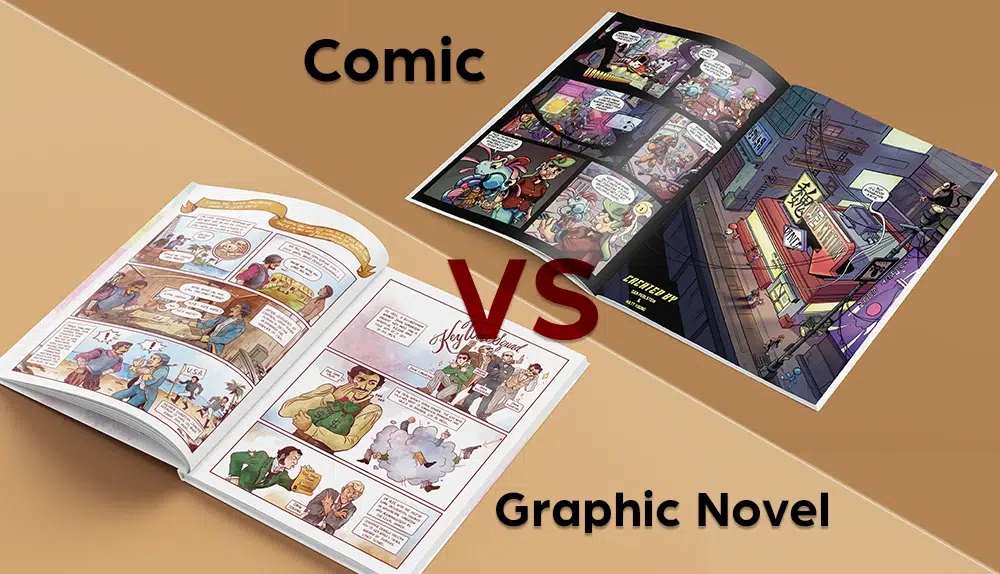
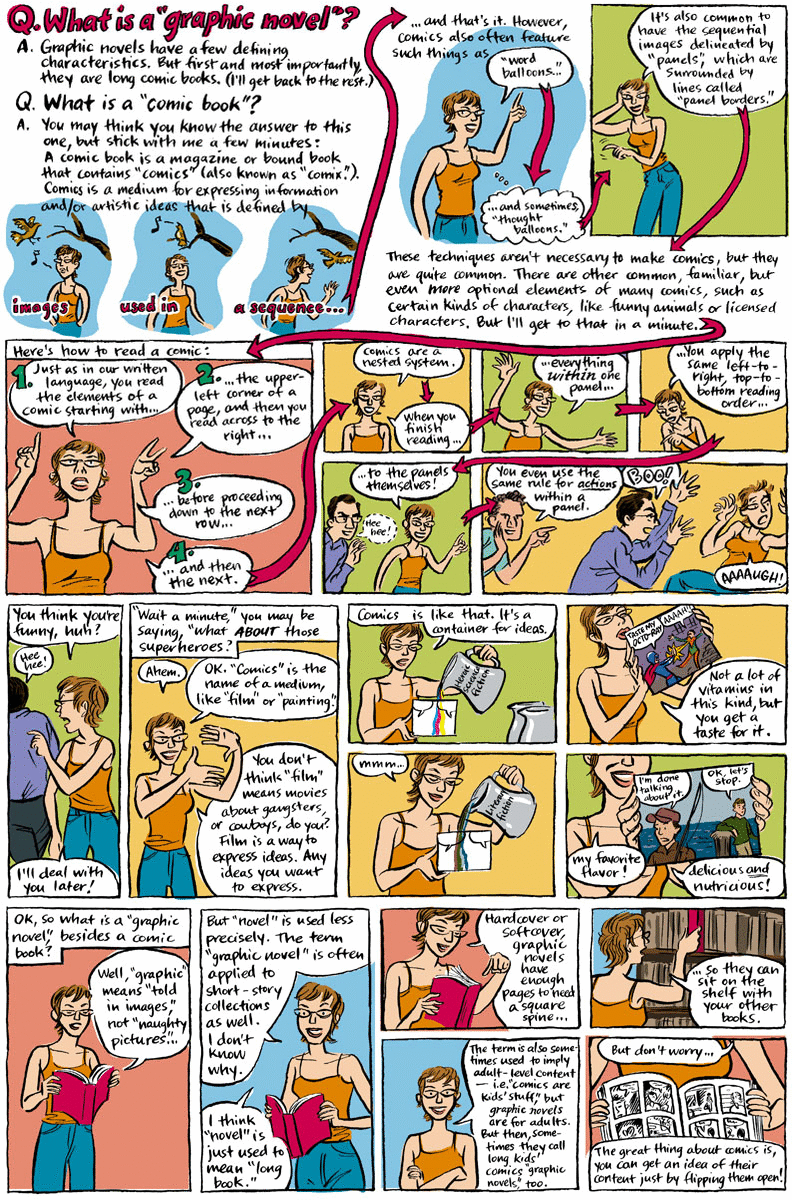
At its core, a graphic novel is a complete story told through a sequence of illustrated panels, typically bound in a single volume, much like a traditional book. It’s distinct from the episodic, serial nature of traditional comic books, offering a self-contained narrative arc that can explore a vast array of genres and themes with depth and nuance. Far from being mere “comic books for adults,” graphic novels are a recognized literary and artistic form capable of profound emotional resonance, intricate character development, and sophisticated world-building. For brands, this inherent ability to blend visual aesthetics with comprehensive narrative makes the graphic novel an unparalleled medium for storytelling, design, and establishing a powerful brand presence.
Beyond Comics: Defining the Modern Graphic Novel
To truly appreciate the graphic novel’s potential in brand strategy, it’s essential to understand its foundational characteristics and how it distinguishes itself within the broader landscape of sequential art. This unique format has matured into a sophisticated medium capable of diverse applications.
The Fusion of Art and Narrative
The essence of a graphic novel lies in its symbiotic relationship between visual art and written narrative. Unlike prose, where descriptions paint mental pictures, or film, where images move independently, a graphic novel relies on the interplay of static images and accompanying text (dialogue, narration, captions) to propel the story forward. Each panel serves as a moment in time, with the artist’s choices in composition, character design, color palette, and line work contributing significantly to the emotional tone, pacing, and overall message. This fusion means that every visual element—from a character’s posture to the background architecture—can convey information, emotion, or thematic relevance, making it a highly efficient and immersive form of communication. For a brand, this translates into the ability to literally show its story, values, and vision, rather than just tell them. The visual language becomes an integral part of the brand’s identity, instantly recognizable and evocative.
Differentiating from Traditional Comics
While sharing the fundamental DNA of sequential art, graphic novels often differ from traditional comic books in scope, intent, and perception. Historically, comic books were serialized publications, often featuring ongoing superhero sagas or lighthearted adventures, published in thinner, periodical formats. Graphic novels, on the other hand, are conceived as complete, standalone works, similar to a novel. They often tackle more mature or complex themes, boast higher production values (e.g., hardcover editions, full-color art), and are found alongside prose books in libraries and bookstores. This distinction has elevated the medium’s literary standing, shedding previous stereotypes and opening doors to a wider, more discerning audience. For brands, aligning with the “graphic novel” format lends an air of seriousness, artistic merit, and substantial content, positioning their message as something valuable and enduring, rather than ephemeral or juvenile.
The Evolution of a Medium
The journey of the graphic novel from niche subculture to mainstream literary form is a testament to its artistic versatility and narrative power. Early pioneers like Will Eisner, with his seminal work “A Contract with God” (1978), began to define the form, demonstrating its capacity for serious, autobiographical storytelling. Subsequent works like Art Spiegelman’s “Maus,” Alan Moore and Dave Gibbons’ “Watchmen,” and Marjane Satrapi’s “Persepolis” garnered critical acclaim, proving that graphic novels could tackle history, politics, and personal trauma with unparalleled impact. This evolution has broadened the public’s understanding and acceptance of the medium, making it a credible and respected vehicle for all forms of communication. Brands can now tap into this established credibility, leveraging the graphic novel’s proven track record of engaging diverse audiences with sophisticated narratives.
The Graphic Novel as a Strategic Branding Tool
In an era saturated with digital noise and fleeting content, cutting through the clutter requires novel approaches. The graphic novel offers a distinctive and highly effective strategy for brand communication, allowing companies to articulate their story, values, and vision in an unforgettable manner.
Engaging Audiences Through Visual Storytelling
Humans are inherently visual creatures, processing images far faster than text. Graphic novels capitalize on this by immersing the reader in a visually rich narrative experience that prose alone cannot replicate. For a brand, this means the ability to tell its origin story, illustrate its mission, or explain complex products and services in a way that is immediately captivating and easy to digest. A visually engaging narrative can humanize a brand, create emotional connections, and foster a deeper understanding of its purpose. Instead of a dry “About Us” page, imagine a beautifully illustrated graphic novel detailing the journey of a startup, the challenges overcome, and the vision realized. This not only informs but also entertains and inspires loyalty.
Building Brand Identity and Connection
Brand identity is more than just a logo; it’s the sum of all sensory experiences and perceptions associated with a brand. A graphic novel provides an expansive canvas to define and reinforce this identity. Through consistent art style, character design, color palettes, and narrative voice, a brand can visually articulate its personality, values, and ethos. For example, a tech company might commission a graphic novel featuring its innovative solutions in action, showcasing its brand as forward-thinking and problem-solving through futuristic aesthetics and empowering character arcs. This creates a cohesive and memorable brand image that resonates with audiences on an emotional level, fostering genuine connection and trust that traditional advertising often struggles to achieve.
Versatility in Brand Communication
The applications of graphic novels in branding are remarkably diverse. They can serve as:
-
Corporate Histories: Transforming dense company timelines into engaging visual sagas.
-
Product Launches: Explaining complex features or benefits through a compelling narrative.
-
Educational Materials: Simplifying intricate processes or concepts for employees or customers.
-
Marketing Campaigns: Creating memorable brand narratives that stand out from competitors.
-
Employee Handbooks/Onboarding Guides: Making internal communication more engaging and understandable.
-
Social Impact Reports: Illustrating a company’s commitment to social responsibility through human-centric stories.
Their flexibility allows brands to convey specific messages to targeted demographics, from internal stakeholders to prospective customers, in a format that breaks through conventional communication barriers.
Design Principles in Graphic Novels and Their Brand Application
The creation of a graphic novel is a masterclass in visual communication and design. The underlying principles that make a graphic novel effective are directly transferable and incredibly valuable when considering broader brand design and corporate identity.
Visual Language and Aesthetic Cohesion
Just as a brand develops a visual style guide, a graphic novel relies on a consistent visual language to maintain aesthetic cohesion and reinforce its narrative. This includes choices in line work, coloring techniques, panel layouts, and lettering. For a brand utilizing this medium, the art style chosen for its graphic novel becomes an extension of its overall visual identity. A modern, minimalist brand might opt for clean lines and a restricted color palette, while a more playful brand might lean into expressive, vibrant artwork. This visual consistency across all panels and pages of a graphic novel ensures that the brand’s aesthetic is reinforced, making it instantly recognizable and strengthening its overall design equity. It’s about creating a harmonious visual experience that reflects the brand’s core values.
Character Design as Brand Persona
Characters in a graphic novel are often the emotional anchor of the story. Their appearance, expressions, and actions are meticulously designed to convey personality, motivations, and relatability. In a branding context, these characters can serve as powerful embodiments of the brand’s persona. Imagine a company’s mascot or a metaphorical representation of its values brought to life through a dynamic graphic novel character. This character can interact with customers, navigate challenges, and demonstrate the brand’s solutions in a personable and engaging way. Effective character design in a graphic novel can translate into a strong, identifiable brand persona that audiences can connect with, anthropomorphizing abstract brand concepts and making them more approachable and memorable.
Layout and Pacing for Impact
The arrangement of panels on a page, known as “page layout” or “paneling,” is a critical design element in graphic novels. It dictates the pacing of the story, guides the reader’s eye, and can amplify dramatic tension or emotional beats. A crowded page with many small panels might create a sense of urgency, while sparse pages with large panels can convey awe or quiet reflection. These principles of visual flow and pacing are highly relevant to brand design. How a brand presents information, whether on its website, in marketing materials, or in a graphic novel, influences user experience and message retention. Understanding how to use visual hierarchy and rhythm, perfected in graphic novel design, can help brands craft more impactful and engaging communication materials that guide the audience through their message effectively.
Marketing and Reach: Leveraging Graphic Novels
Beyond their inherent storytelling capabilities and design finesse, graphic novels offer distinct advantages in marketing and expanding a brand’s reach. They are a unique content format that can capture attention and resonate in ways traditional advertisements often cannot.
Expanding Brand Reach and Accessibility
Graphic novels possess a broad appeal that spans various demographics, from young adults to seasoned professionals. They are particularly effective at reaching audiences who might be disengaged by traditional marketing or lengthy prose. The visual nature makes complex information more accessible, breaking down barriers for understanding. By distributing graphic novels online, through digital platforms, or as physical giveaways at events, brands can tap into new segments and expand their organic reach. Furthermore, the shareability of compelling visual content means a well-executed graphic novel can go viral, generating significant buzz and exposure far beyond initial marketing efforts, creating valuable earned media.
Content Marketing Through Sequential Art
In the realm of content marketing, authenticity and value are paramount. A graphic novel is not perceived as a direct advertisement but rather as an entertaining and informative piece of content. This subverts traditional marketing skepticism, allowing the brand’s message to be absorbed more readily. Brands can leverage graphic novels to showcase their expertise, explain their impact, or articulate their unique selling propositions through engaging narratives rather than overt sales pitches. This positions the brand as a thought leader and a valuable resource, fostering goodwill and trust. Whether it’s a graphic novel illustrating a new industry trend or a story demonstrating a customer’s success with a product, the medium adds significant weight and originality to content marketing strategies.
Case Studies: Brands Embracing the Format
A growing number of forward-thinking brands have recognized the power of graphic novels. For example, some non-profit organizations have used graphic novels to explain their humanitarian missions, illustrating complex global issues in an empathetic and digestible format. Tech companies have created graphic novels to demystify advanced technologies, making them understandable and exciting for a broader audience. Even educational institutions are commissioning graphic novels to engage students with historical events or scientific concepts. These real-world applications demonstrate how the graphic novel format allows brands to tell their unique stories, differentiate themselves in crowded markets, and build deeper, more meaningful connections with their stakeholders.
Crafting Your Brand Narrative: The Graphic Novel Advantage
Embarking on the creation of a brand graphic novel is a strategic decision that requires careful planning, a deep understanding of storytelling, and a commitment to visual excellence. When executed effectively, it can become a cornerstone of your brand’s communication efforts.
From Concept to Visual Strategy
The process begins with defining the core message and objective. What story do you want to tell, and what brand values do you want to convey? This involves collaborating with writers and artists to translate abstract brand concepts into a compelling narrative and a distinctive visual strategy. It’s about more than just drawing pictures; it’s about crafting a coherent visual identity that aligns perfectly with your brand’s overall aesthetic and messaging. The initial stages involve scriptwriting, character development, world-building, and establishing the artistic style that will best represent the brand’s essence. This ensures that the final product is not only visually stunning but also deeply resonant with the brand’s strategic goals.
The Collaborative Process and Brand Integrity
Creating a graphic novel is inherently a collaborative endeavor, typically involving a writer, an artist (or team of artists for penciling, inking, coloring), and a letterer. For a brand, this process must also include brand strategists, marketing teams, and key stakeholders to ensure that the narrative remains authentic to the brand’s voice and values. Maintaining brand integrity throughout the creative process is paramount. This means consistent oversight to ensure that characters, dialogue, art style, and thematic elements all reinforce the desired brand image and message. The collaboration acts as a quality control mechanism, ensuring the graphic novel serves as a true extension of the brand.

Measuring Impact and Engagement
Like any strategic branding initiative, the impact of a graphic novel can and should be measured. While direct ROI might be harder to quantify than a click-through rate, metrics such as audience engagement (reads, shares, social media mentions), brand perception shifts, website traffic driven by the graphic novel, and qualitative feedback can provide valuable insights. Tracking how the graphic novel influences brand recall, sentiment, and affinity can demonstrate its effectiveness as a brand storytelling tool. Ultimately, a successful brand graphic novel is one that not only entertains but also leaves a lasting positive impression, solidifying the brand’s identity and fostering enduring connections with its audience.
In conclusion, the graphic novel stands as a dynamic and sophisticated medium, ripe with potential for brands seeking to differentiate themselves and communicate with unprecedented impact. By embracing its unique fusion of art and narrative, leveraging its strong design principles, and tapping into its broad marketing reach, companies can transform their brand stories into immersive experiences that captivate, educate, and inspire. In an increasingly visual world, understanding “what is a graphic novel” is no longer just for literary enthusiasts; it’s a critical insight for any brand committed to crafting a powerful and memorable identity.
aViewFromTheCave is a participant in the Amazon Services LLC Associates Program, an affiliate advertising program designed to provide a means for sites to earn advertising fees by advertising and linking to Amazon.com. Amazon, the Amazon logo, AmazonSupply, and the AmazonSupply logo are trademarks of Amazon.com, Inc. or its affiliates. As an Amazon Associate we earn affiliate commissions from qualifying purchases.