
Gene cloning, a cornerstone of modern biotechnology, represents a sophisticated suite of techniques used to isolate and make multiple identical copies of a specific gene or DNA sequence. Far from the sensationalized concepts often portrayed in science fiction, gene cloning in reality is a meticulously engineered technological process that has profoundly revolutionized our understanding of biology and delivered unprecedented tools for medicine, agriculture, and scientific research. It is a fundamental technique that underpins countless advancements, allowing scientists to study genes in detail, manipulate genetic material for desired traits, and produce valuable proteins and therapies on an industrial scale.

At its core, gene cloning is about amplification – taking a single, microscopic piece of genetic information and replicating it millions or even billions of times in a controlled laboratory environment. This process is not about creating entire organisms or “clones” in the reproductive sense, but rather about isolating and multiplying specific segments of DNA. This powerful capability allows researchers and industries to harness the intricate machinery of life for specific technological ends, from developing new drugs to engineering more robust crops. Understanding gene cloning is to understand a critical piece of the technological puzzle that defines the biotechnology landscape of the 21st century.
The Fundamental Concept of Gene Cloning
Gene cloning is a precise molecular engineering technique designed to create identical copies of a specific gene. This process is distinct from reproductive cloning (which aims to create a genetically identical organism) and therapeutic cloning (which aims to create embryonic stem cells for medical use). Instead, gene cloning focuses on the replication of the genetic material itself – a specific sequence of DNA – to facilitate its study, manipulation, or expression.
Defining Gene Cloning: A Molecular Replication Process
Gene cloning, often referred to as molecular cloning, involves the transfer of a DNA fragment from a source organism to a self-replicating genetic element, such as a bacterial plasmid. This process ensures that when the plasmid replicates within its host cell (typically bacteria), the inserted DNA fragment (the gene of interest) is also copied along with it. The result is a population of genetically identical cells, each containing multiple copies of the desired gene. This amplification is crucial because natural DNA exists in such minute quantities that studying or utilizing a single gene directly would be virtually impossible without this technological intervention.
The process leverages the natural replication machinery of host cells, turning them into microscopic factories for producing large quantities of specific DNA sequences. The beauty of this technology lies in its precision; scientists can target and isolate virtually any gene from any organism and integrate it into a stable, replicable system. This precise control over genetic material has opened doors to unprecedented levels of genomic analysis and manipulation. It’s a foundational technique that enables subsequent biotechnological endeavors, acting as the starting point for everything from gene sequencing to protein production.
Why Clone Genes? Unveiling the Purpose
The primary motivation behind gene cloning is manifold, driven by both fundamental scientific inquiry and practical technological applications. Fundamentally, cloning a gene allows scientists to obtain sufficient quantities of the DNA sequence for detailed study. This includes determining its exact sequence, understanding its structure, and identifying the proteins it codes for. Such detailed knowledge is essential for mapping genomes, understanding genetic diseases, and exploring evolutionary relationships.
Beyond basic research, the practical applications are vast. One major purpose is the production of specific proteins. Once a gene is cloned into an expression vector, it can be introduced into a host cell (like bacteria, yeast, or mammalian cells) that is then programmed to synthesize the protein encoded by that gene. This has revolutionized the pharmaceutical industry, enabling the mass production of therapeutic proteins such as insulin, human growth hormone, and various vaccines, which were previously difficult or impossible to obtain in sufficient quantities.
Furthermore, gene cloning is indispensable for genetic engineering. By isolating and modifying genes, scientists can introduce new traits into organisms, such as conferring pest resistance to crops or enhancing nutritional value. It’s also a crucial step in gene therapy, where healthy copies of genes are introduced into patients to correct genetic defects. In essence, gene cloning serves as a powerful technological enabler, providing the raw material for countless advancements across biotechnology, medicine, agriculture, and environmental science.
The Core Technologies and Techniques Behind Gene Cloning
The success of gene cloning hinges on a carefully orchestrated sequence of molecular techniques and specialized tools. These technologies have evolved over decades, becoming increasingly efficient and precise, transforming what was once a laborious process into a relatively routine laboratory procedure. Understanding these core techniques is key to appreciating the ingenuity and power of gene cloning.
Essential Tools: Restriction Enzymes, Ligase, and Vectors
At the heart of gene cloning are three indispensable molecular tools:
-
Restriction Enzymes: Often referred to as “molecular scissors,” these bacterial enzymes recognize and cut DNA at specific nucleotide sequences. There are hundreds of different restriction enzymes, each with a unique recognition site. This specificity is crucial, as it allows scientists to precisely excise a desired gene from a larger DNA molecule and to create compatible “sticky ends” (overhanging single-stranded DNA sequences) that can later be joined.
-
DNA Ligase: This enzyme acts as “molecular glue.” After restriction enzymes have cut DNA and a gene fragment is inserted, DNA ligase forms phosphodiester bonds between the sugar-phosphate backbone of the DNA fragments, effectively joining them together to create a continuous, recombinant DNA molecule.
-
Vectors: These are DNA molecules that can carry foreign DNA into a host cell and replicate there. Plasmids, small circular DNA molecules found in bacteria, are the most commonly used vectors. They possess key features: an origin of replication (allowing them to self-replicate), a multiple cloning site (a region with several unique restriction enzyme recognition sites for inserting foreign DNA), and often a selectable marker gene (e.g., antibiotic resistance) to identify host cells that have successfully taken up the vector. Other vectors include bacteriophages, cosmids, and artificial chromosomes, each suited for carrying different sizes of DNA inserts.
The synergistic use of these tools allows for the precise cutting, joining, and propagation of specific DNA fragments, forming the bedrock of recombinant DNA technology.
The Step-by-Step Process: From Isolation to Transformation
The gene cloning process typically involves several distinct stages:
-
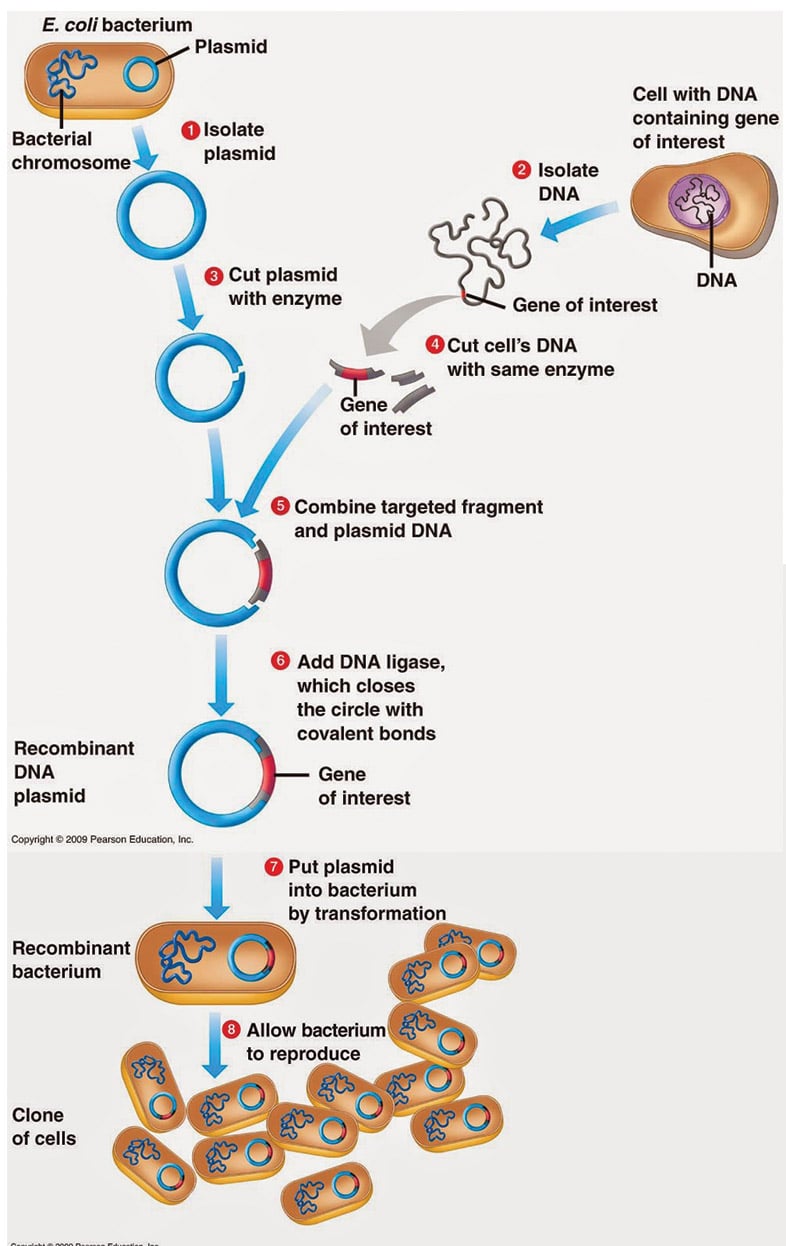
Isolation of Target DNA and Vector: First, the DNA containing the gene of interest is extracted from the source organism. Simultaneously, the plasmid vector is also isolated.
-
Restriction Digestion: Both the target DNA and the vector are then cut with the same restriction enzyme(s). This ensures that they produce complementary sticky ends, allowing them to be joined together.
-
Ligation: The cut gene fragment and the cut vector are mixed together in the presence of DNA ligase. The ligase enzyme forms covalent bonds between the sticky ends, creating a recombinant DNA molecule (a plasmid containing the inserted gene).
-
Transformation: The recombinant plasmid is then introduced into host cells, typically E. coli bacteria. This process, called transformation, can be induced by various methods, such as heat shock or electroporation, which temporarily make the bacterial cell membranes permeable to DNA.
-
Selection and Screening: Not all bacterial cells will successfully take up the plasmid, and not all plasmids will contain the desired gene insert. Therefore, a selection process is employed. Often, the plasmid carries an antibiotic resistance gene, so only bacteria that have taken up the plasmid can survive on an antibiotic-containing growth medium. Further screening (e.g., using blue-white screening or PCR) is then used to identify colonies that specifically contain the plasmid with the correct gene insert.
-
Amplification: Once identified, these bacterial colonies are grown in culture, where they multiply rapidly, creating millions of copies of the recombinant plasmid and, by extension, the cloned gene. The plasmids can then be isolated from the bacterial culture for further use.
This systematic approach allows for the efficient and targeted amplification of specific genes, paving the way for their study and application.
PCR: A Revolutionary Complement to Traditional Cloning
While traditional restriction enzyme-based cloning remains vital, the advent of the Polymerase Chain Reaction (PCR) revolutionized gene amplification and dramatically streamlined certain cloning workflows. PCR is an in vitro (test tube) method that rapidly makes millions of copies of a specific DNA segment without the need for host cells. It uses primers (short DNA sequences that bind to the start and end of the target gene), a heat-stable DNA polymerase enzyme (like Taq polymerase), and cycles of heating and cooling to exponentially amplify the DNA.
PCR significantly speeds up the initial amplification of a target gene, especially from very small or degraded samples. It can be used to generate large quantities of a gene which can then be directly ligated into a vector using specialized PCR cloning kits (e.g., TA cloning, TOPO cloning), or even integrated directly into expression systems for protein production. While not replacing traditional cloning entirely, PCR acts as a powerful technological complement, enhancing the efficiency, speed, and versatility of gene cloning processes, making it an indispensable tool in virtually every molecular biology lab today.
Applications and Impact Across Industries
The technological prowess of gene cloning has rippled across numerous industries, fundamentally altering how we approach challenges in health, food production, and environmental sustainability. Its ability to isolate, manipulate, and amplify specific genetic sequences has unlocked unprecedented capabilities, driving innovation and delivering tangible benefits worldwide.
Biotechnology and Pharmaceuticals: Producing Therapeutic Proteins
Perhaps one of the most profound impacts of gene cloning has been in the biotechnology and pharmaceutical sectors. Before gene cloning, many vital human proteins, such as insulin for diabetes patients or growth hormone for children with deficiencies, had to be extracted from animal sources or cadavers. These sources were limited, expensive, and carried risks of allergic reactions or disease transmission.
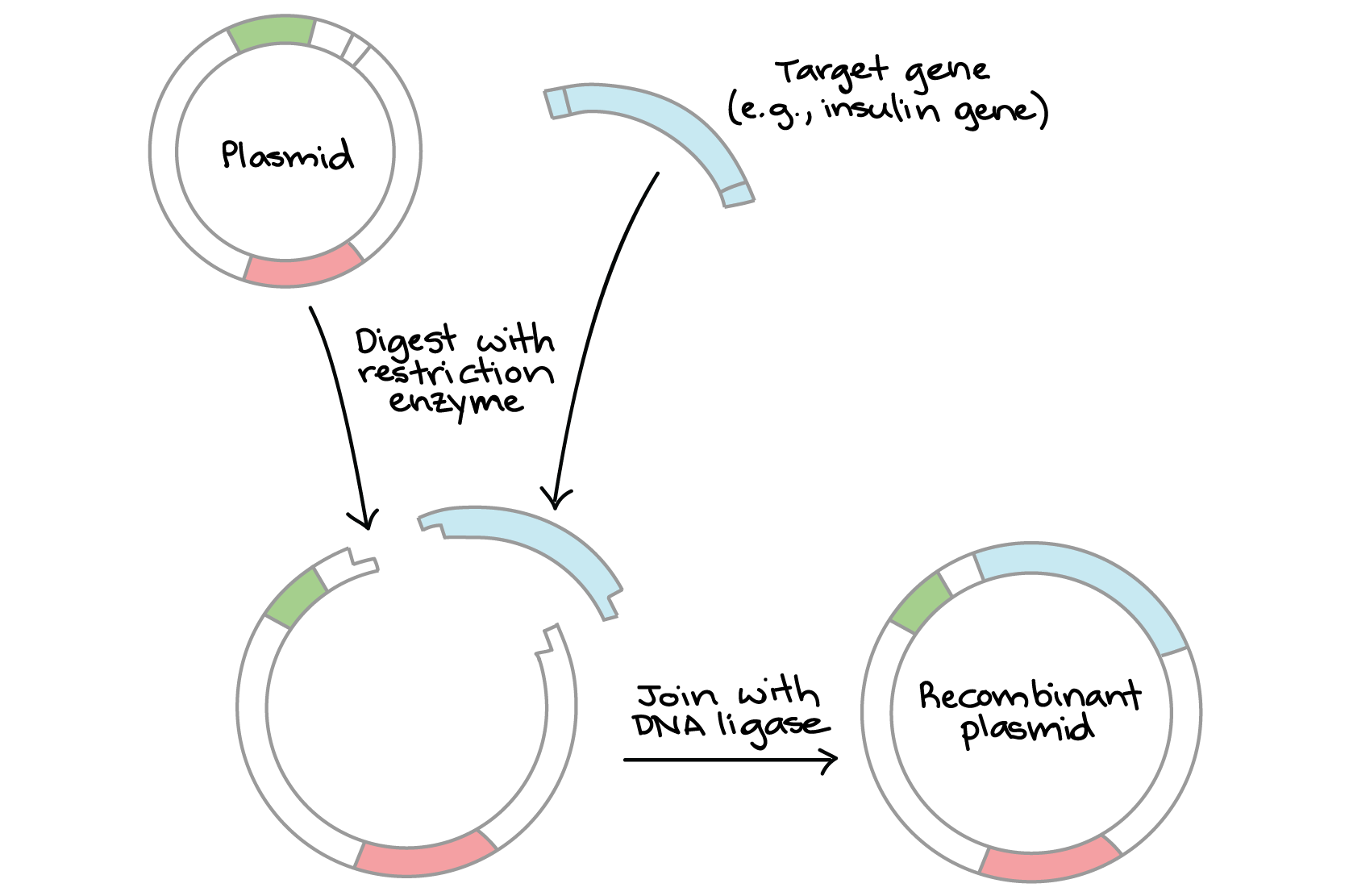
Gene cloning changed everything. By isolating the human gene for insulin, inserting it into a bacterial plasmid, and transforming bacteria with this recombinant plasmid, scientists could effectively reprogram bacteria to produce human insulin. These “biological factories” can churn out vast quantities of pure, human-specific proteins safely and economically. This technology has led to the development and mass production of a wide array of biopharmaceuticals, including:
-
Insulin: Recombinant human insulin is the standard treatment for diabetes.
-
Human Growth Hormone: Treats growth deficiencies.
-
Erythropoietin: Stimulates red blood cell production, used in kidney disease.
-
Blood Clotting Factors: Essential for treating hemophilia.
-
Vaccines: Subunit vaccines, like the Hepatitis B vaccine, are produced using cloned viral genes expressed in yeast cells.
-
Monoclonal Antibodies: Used in cancer treatment and autoimmune diseases.
This ability to precisely engineer microorganisms to produce complex therapeutic proteins has revolutionized modern medicine, making life-saving treatments accessible to millions.
Agriculture: Enhancing Crop Traits and Pest Resistance
In agriculture, gene cloning is a foundational technology for genetic engineering, enabling the development of genetically modified (GM) crops with enhanced traits. By cloning specific genes from other organisms or even within the same species, scientists can introduce desirable characteristics into plants that improve yield, nutritional value, and resistance to environmental stressors.
Key applications include:
-
Pest Resistance: Genes encoding insecticidal proteins (e.g., Bt toxin from Bacillus thuringiensis) can be cloned and inserted into crops like corn and cotton, making them naturally resistant to certain pests. This reduces the need for chemical pesticides, benefiting both the environment and human health.
-
Herbicide Tolerance: Cloning genes that confer resistance to specific herbicides allows farmers to use broad-spectrum herbicides to control weeds without harming their crops, leading to more efficient weed management.
-
Enhanced Nutritional Value: “Golden Rice,” for example, was engineered by cloning genes for beta-carotene production (a precursor to Vitamin A) into rice, aiming to combat Vitamin A deficiency in developing countries.
-
Disease Resistance: Cloning genes that provide resistance to viral, bacterial, or fungal diseases helps protect crops from devastating pathogens.
-
Improved Shelf Life: Genes involved in fruit ripening or spoilage can be modified to extend the shelf life of produce, reducing waste.
These advancements demonstrate how gene cloning can contribute to food security and sustainable agricultural practices by making crops more robust and productive.
Research and Diagnostics: Understanding Disease and Developing Cures
Beyond therapeutics and agriculture, gene cloning is an indispensable tool in basic scientific research and clinical diagnostics. It provides the means to dissect the intricate workings of genes and their products, shedding light on fundamental biological processes and the mechanisms of disease.
In research, cloned genes are used to:
-
Study Gene Function: By cloning a gene and introducing mutations, scientists can observe the resulting changes in protein function or cellular behavior, thereby elucidating the gene’s role.
-
Generate Gene Libraries: These are collections of cloned DNA fragments representing the entire genome of an organism, serving as valuable resources for gene discovery and sequencing efforts.
-
Develop Animal Models: Cloning human disease genes into laboratory animals (e.g., mice) creates models to study disease progression and test potential therapies.
In diagnostics, gene cloning plays a crucial role in:
-
Developing Diagnostic Probes: Cloned genes or gene fragments can be labeled and used as probes to detect the presence of specific DNA sequences (e.g., identifying viral infections or genetic mutations associated with disease).
-
Forensic Science: While PCR is often the primary tool for DNA amplification in forensics, cloned genes are used in the development of standards and specialized probes for DNA fingerprinting.
-
Genetic Testing: Cloned genes are vital for developing tests to diagnose genetic disorders, assess disease susceptibility, and guide personalized medicine approaches.
The ability to isolate and amplify specific genetic material through cloning continues to be a driving force behind discoveries in genetics, molecular biology, and medicine, leading to better diagnostic tools and a deeper understanding of human health and disease.
Ethical Landscape, Challenges, and Future Prospects
As a powerful and transformative technology, gene cloning naturally brings forth a complex interplay of ethical considerations, technical challenges, and exciting future prospects. Navigating these dimensions responsibly is crucial for ensuring that this technology continues to benefit humanity while minimizing potential risks.
Navigating the Ethical Maze: Responsible Innovation
The very term “cloning” often conjures up images of ethical dilemmas, largely conflating gene cloning with reproductive cloning. It is essential to reiterate that gene cloning, as discussed here, involves the replication of specific DNA sequences, not entire organisms. Nevertheless, the applications of gene cloning, particularly in genetic engineering, do raise valid ethical questions that require careful consideration.
Key ethical discussions revolve around:
-
Safety of Genetically Modified Organisms (GMOs): Concerns exist regarding the potential ecological impact of GM crops (e.g., gene flow to wild relatives, impact on non-target organisms) and their long-term effects on human health. Robust regulatory frameworks and continuous scientific assessment are paramount to address these concerns responsibly.
-
Access and Equity: As gene cloning facilitates the development of advanced therapies and agricultural products, ethical considerations arise concerning equitable access to these technologies, especially in developing nations. The potential for exacerbating existing inequalities is a significant concern.
-
“Playing God” and Unnaturalness: Some ethical frameworks raise concerns about human intervention in natural genetic processes, viewing it as potentially crossing moral boundaries. This perspective often emphasizes the importance of respect for the inherent integrity of natural systems.
-
Dual-Use Dilemmas: Like many powerful technologies, gene cloning has the potential for misuse, such as in the development of bioweapons. Strict oversight and ethical guidelines are necessary to prevent such scenarios.
Addressing these ethical concerns requires ongoing public dialogue, transparent scientific communication, and the establishment of clear, adaptive regulatory policies that balance scientific progress with societal values and safety.
Technical Hurdles and Optimization Challenges
Despite its widespread use, gene cloning is not without its technical hurdles and ongoing optimization challenges. While routine for many applications, certain scenarios still present difficulties:
-
Cloning Large Genes or Complex Sequences: Extremely large genes or those with highly repetitive or GC-rich sequences can be challenging to clone stably and accurately. These sequences can be prone to rearrangements or deletions within host cells.
-
Toxicity of Cloned Gene Products: If the protein encoded by the cloned gene is toxic to the bacterial or host cells, its production can be difficult, leading to poor yield or even cell death. Specialized host strains or inducible expression systems are often required.
-
Low Efficiency of Ligation and Transformation: The efficiency of ligating the gene into the vector and subsequently transforming host cells can vary, leading to a need for efficient screening methods to identify successful clones.
-
Vector Instability: Some recombinant plasmids can be unstable over many generations, losing the inserted gene or undergoing rearrangements, especially under selective pressures.
-
Optimization of Protein Expression: Even after successful cloning, optimizing the expression of the target protein to achieve high yields and proper folding can be a complex and time-consuming process, requiring fine-tuning of promoters, ribosome binding sites, and culture conditions.
Ongoing research in molecular biology continually seeks to develop more efficient, reliable, and high-throughput cloning strategies, including advanced synthetic biology approaches, to overcome these technical limitations.
The Horizon of Gene Cloning: Next-Generation Technologies and Personalized Medicine
The future of gene cloning is intrinsically linked with the broader advancements in genetic engineering and synthetic biology. While the core principles remain, next-generation technologies are poised to enhance its capabilities and expand its reach:
-
CRISPR-Cas9 and Gene Editing Integration: The revolutionary CRISPR-Cas9 system for precise gene editing is not a replacement for gene cloning but a powerful complement. Cloned genes can serve as templates for homologous recombination or be inserted into specific genomic locations guided by CRISPR. This synergy allows for even more targeted and sophisticated genetic modifications.
-
Automation and High-Throughput Cloning: Advances in robotics and automation are making it possible to perform cloning experiments at an unprecedented scale, accelerating drug discovery, synthetic biology circuit construction, and functional genomics studies.
-
Cell-Free Cloning Systems: Emerging cell-free systems that can amplify and manipulate DNA in vitro without the need for living host cells offer faster, potentially more stable, and easier-to-control alternatives for certain cloning applications, reducing toxicity issues.
-
Synthetic Biology: The field of synthetic biology, which aims to design and build new biological parts, devices, and systems, heavily relies on gene cloning. As researchers design increasingly complex genetic circuits, efficient and accurate gene cloning becomes even more critical for assembling these synthetic constructs.
-
Personalized Medicine: Gene cloning contributes to personalized medicine by enabling the study of individual genetic variations, the development of patient-specific disease models, and the production of customized therapeutic proteins or gene therapy vectors tailored to a patient’s unique genetic makeup.
In conclusion, gene cloning remains a fundamental and evolving technological pillar of modern biology and biotechnology. From its foundational role in understanding gene function to its pervasive impact on drug production, agriculture, and diagnostics, its influence is undeniable. As we continue to refine its techniques and integrate it with emerging technologies, gene cloning will undoubtedly continue to drive innovation, offering increasingly precise and powerful tools to tackle humanity’s greatest challenges.
aViewFromTheCave is a participant in the Amazon Services LLC Associates Program, an affiliate advertising program designed to provide a means for sites to earn advertising fees by advertising and linking to Amazon.com. Amazon, the Amazon logo, AmazonSupply, and the AmazonSupply logo are trademarks of Amazon.com, Inc. or its affiliates. As an Amazon Associate we earn affiliate commissions from qualifying purchases.