
In the intricate tapestry of modern technology, some materials, though seldom discussed in popular discourse, are absolutely indispensable. Frit is one such silent workhorse, a versatile and critical component underpinning countless technological innovations that shape our daily lives. From the screens we gaze upon to the protective coatings on our appliances, and from advanced electronic circuits to the very infrastructure of renewable energy, frit plays a pivotal, often unseen, role. Far from a simple ingredient, frit is a carefully engineered vitreous material, a powdered glass designed with specific thermal, chemical, and electrical properties, making it an essential enabler for a wide array of high-tech applications.
This deep dive will explore what frit is, how it’s engineered, and critically, why its unique characteristics make it a cornerstone in diverse technological sectors. We will navigate its pivotal contributions to electronics and displays, its transformative impact on advanced materials and manufacturing, and its burgeoning significance in sustainable technologies and emerging fields. Understanding frit is to understand a fundamental element of technological progress, a testament to materials science’s ability to create highly specialized compounds for very specific, high-performance demands.
The Core Composition and Creation of Frit
At its heart, frit is a carefully formulated glass material that has undergone a specific thermal and mechanical process to render it useful for technological applications. Its utility stems directly from its controlled composition and the precision with which it is manufactured.
Defining Frit: A Vitreous Enigma
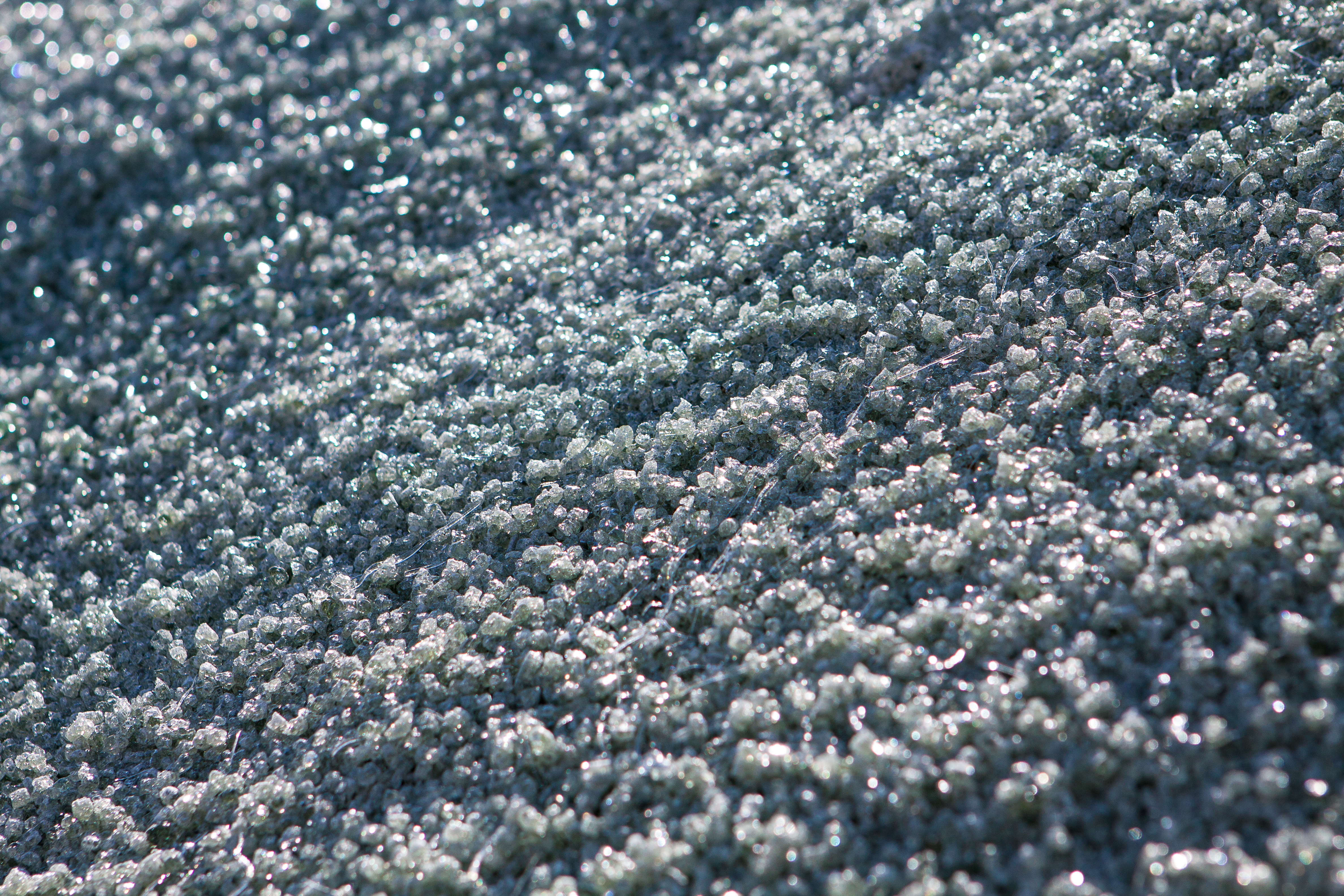
Frit is essentially a finely ground, amorphous (non-crystalline) glass powder that has been engineered to possess specific characteristics, most notably a lower melting or softening point than the bulk materials it interacts with. Unlike ordinary glass, which might melt at extremely high temperatures, frit compositions are tailored to flow and consolidate at much more manageable temperatures, often hundreds of degrees lower than the processing temperatures of the substrates or components it is applied to. This attribute is paramount in avoiding damage to sensitive electronic components or substrates during manufacturing.
Its composition is typically a complex blend of various oxides, such as silica (SiO2), boron oxide (B2O3), alumina (Al2O3), lead oxide (PbO – though increasingly replaced by lead-free alternatives), bismuth oxide (Bi2O3), zinc oxide (ZnO), and alkali oxides like sodium oxide (Na2O) or potassium oxide (K2O). The precise combination of these oxides dictates the frit’s final properties, including its melting temperature, viscosity, chemical durability, thermal expansion coefficient (CTE), and optical or electrical characteristics.
From Raw Materials to Refined Granules: The Manufacturing Process
The creation of frit is a sophisticated process that begins with the meticulous selection and mixing of raw materials. These materials, typically high-purity metal oxides and carbonates, are batched according to a specific recipe.
-
Melting: The mixed raw materials are then fed into a high-temperature furnace, often a continuous glass melting furnace, where they are heated to temperatures typically ranging from 1200°C to 1500°C (2200°F to 2700°F). At these temperatures, the raw materials react and melt into a homogeneous, molten glass. This stage is crucial for ensuring uniform chemical composition and eliminating any unreacted constituents.
-
Quenching: Once the molten glass achieves the desired homogeneity, it is rapidly cooled. This rapid cooling, known as quenching, prevents the glass from crystallizing, thus maintaining its amorphous structure. Common quenching methods involve pouring the molten glass into cold water or between rapidly rotating chilled rollers, creating thin flakes or granules of “frit” – often termed “frit cake” at this stage.
-
Grinding and Milling: The quenched frit is then dried and subjected to a grinding or milling process. This mechanical reduction breaks down the larger pieces into a fine powder, carefully controlling the particle size distribution. The specific particle size is critical for different applications; for instance, fine powders are required for thin-film applications or dense ceramic formulations, while coarser frits might be used for certain coatings. Advanced milling techniques, such as jet milling, are often employed to achieve extremely fine and uniform particle sizes.
-
Classification and Quality Control: Throughout the process, rigorous quality control measures are applied, including chemical analysis, particle size analysis, thermal property testing, and visual inspection, to ensure the frit meets the exact specifications required for its intended technological application.
Key Properties Driving Technological Utility
The unique combination of physical and chemical properties is what elevates frit from a simple glass to a critical technological material.
-
Low Melting/Softening Point: This is perhaps the most defining characteristic. It allows frit to be processed at temperatures that do not degrade or damage sensitive electronic components, temperature-sensitive substrates, or complex assemblies.
-
Controlled Thermal Expansion Coefficient (CTE): Matching the CTE of the frit to the substrate it adheres to is vital to prevent stress-induced cracking or delamination upon heating and cooling. This is particularly important in semiconductor packaging and display manufacturing.
-
Chemical Durability: Frit often provides excellent resistance to chemical attack, moisture, and environmental degradation, offering protective barriers for sensitive components.
-
Electrical Properties: Depending on its composition, frit can be formulated as an excellent electrical insulator (dielectric), or in combination with conductive particles, it can form resistive or conductive layers.
-
Optical Properties: Frit can be transparent, opaque, or formulated to absorb or transmit specific wavelengths of light, making it useful in display technologies and optical coatings.
-
Adjustable Viscosity: The flow characteristics of molten frit can be precisely controlled, which is crucial for achieving uniform layers, precise seals, and defect-free coatings.
These tailored properties make frit an incredibly versatile material, enabling solutions that would be impossible with traditional bulk glass or other materials.
Frit’s Indispensable Role in Electronics and Displays
The miniaturization and increased performance demands in electronics and display technologies would be severely hampered without the precision and protective capabilities offered by frit.
Hermetic Sealing and Encapsulation Technologies
One of the most critical applications of frit in electronics is the creation of hermetic seals. Many sensitive electronic components, such as microelectromechanical systems (MEMS), sensors, optoelectronic devices, and high-reliability integrated circuits, require complete isolation from environmental contaminants like moisture and oxygen. Frit glass solders, often in the form of low-temperature sealing glasses, are applied around the perimeter of two substrates (e.g., a silicon chip and a glass lid) and then heated. The frit melts and flows, creating an impermeable, hermetic seal that protects the device for its entire operational lifetime. This technology is foundational for ensuring the reliability and longevity of countless electronic devices, from medical implants to automotive sensors.
Similarly, frit is employed in the encapsulation of display panels, particularly in older plasma display panels (PDPs) and increasingly in advanced OLED (Organic Light-Emitting Diode) displays. Here, frit forms a crucial barrier against moisture and oxygen ingress, which can rapidly degrade organic materials, ensuring the displays maintain their brightness, color accuracy, and lifespan.
Functional Pastes and Thick-Film Applications
Beyond sealing, frit is a core component in the formulation of various functional pastes used in thick-film technology. These pastes are applied to ceramic or glass substrates through screen printing and then fired at elevated temperatures.
-
Dielectric Layers: Frit-based dielectric pastes create electrically insulating layers between conductive traces in multilayer ceramic circuits (e.g., Low-Temperature Co-fired Ceramic, LTCC technology). These layers allow for complex circuit designs in a compact form factor.
-
Resistors and Conductors: While not purely frit, frit acts as a binder or matrix in conductive and resistive pastes. For instance, in conductive silver pastes, frit helps to sinter the silver particles together and adhere them to the substrate, providing mechanical strength and chemical stability. In resistive pastes, frit combines with resistive particles (e.g., ruthenium oxide) to form stable resistor networks with precisely controlled resistance values.
-
Ceramic Substrates: Frit is used in the creation of LTCC substrates themselves. By incorporating specific glass frit compositions with ceramic powders, these materials can be co-fired at lower temperatures (typically <1000°C), allowing for the integration of active components and complex 3D structures.
Enhancing Display Performance and Longevity
The evolution of display technology owes a significant debt to frit. In addition to encapsulation, frit materials are critical for defining the pixel structure and protective layers in various display types. In traditional cathode ray tubes (CRTs) and later PDPs, frit was used to seal the vacuum and define cell structures. For advanced displays like OLEDs, ultra-fine frit powders can be used in patterned encapsulation layers to protect individual pixels or groups of pixels, optimizing light output and preventing crosstalk. Furthermore, specific frit compositions are explored for their optical properties, potentially enabling new types of quantum dot displays or improved light management layers.
Advanced Materials, Coatings, and Manufacturing with Frit
The utility of frit extends far beyond electronics, revolutionizing a multitude of advanced materials and manufacturing processes through its unique binding, protective, and aesthetic properties.
Glazes, Enamels, and Protective Surfaces
One of the oldest and most widespread applications of frit, historically and currently, is in glazes for ceramics and enamels for metals. Here, frit serves as the primary glassy component.
-
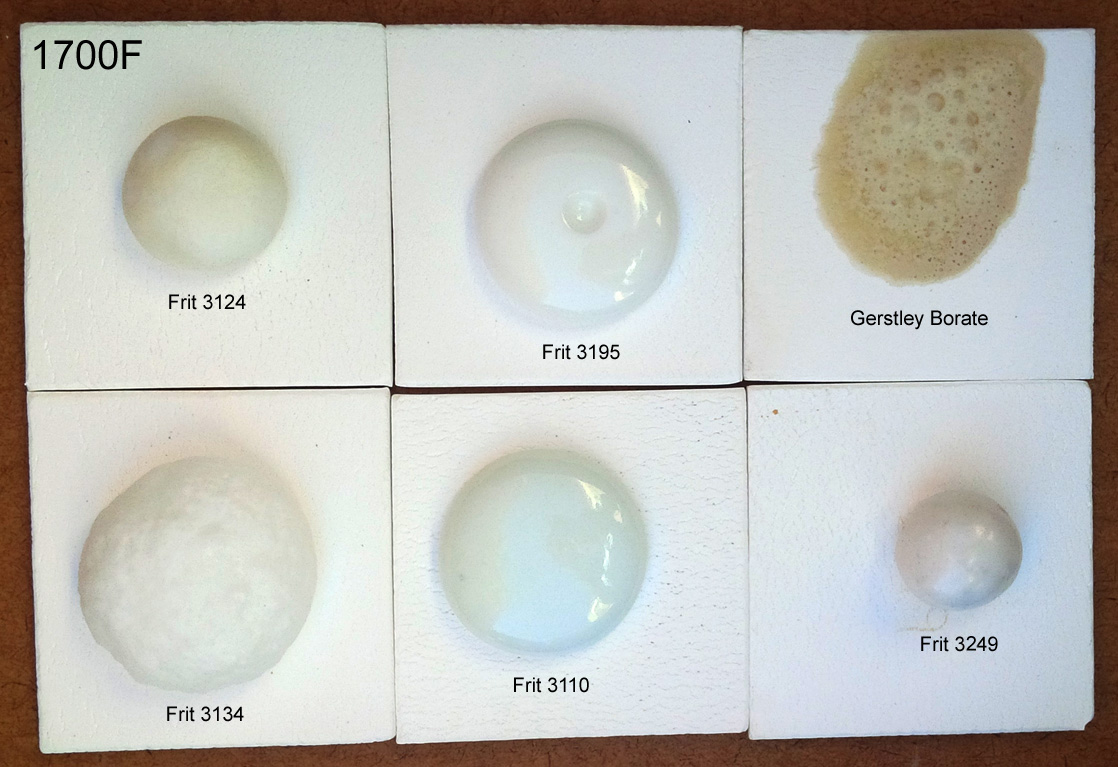
Ceramic Glazes: In pottery, tiles, and sanitaryware, frit is mixed with other ceramic raw materials and applied as a suspension. During firing, the frit melts, forming a smooth, durable, impervious, and often aesthetically pleasing glassy coating. This glaze provides waterproofing, enhanced strength, scratch resistance, and often a decorative finish. The precise CTE matching between the glaze and the ceramic body is crucial to prevent crazing (fine cracks) or peeling.
-
Metal Enamels: For applications ranging from industrial coatings on chemical reactors to domestic appliances (e.g., washing machines, ovens), frit-based enamel coatings provide exceptional chemical resistance, abrasion resistance, and high-temperature stability to metal surfaces. These vitreous enamel coatings bond fused glass to metal, offering superior protection compared to paints or plastics in harsh environments.
Revolutionizing Glass-Ceramics and Dental Restorations
Frit is also a key ingredient in the production of glass-ceramics and advanced dental materials.
-
Glass-Ceramics: These materials combine the properties of both glass (easy processing) and ceramics (high strength, thermal shock resistance). Frit, typically with specific nucleating agents, is melted and formed into a glass, which is then heat-treated in a controlled manner to induce partial crystallization. The result is a material with fine, dispersed crystalline phases within a glassy matrix, offering exceptional mechanical properties, thermal stability, and specific optical characteristics. Applications include cookware, missile nose cones, and specialized mirrors.
-
Dental Restorations: In dentistry, specialized frits are used to create dental ceramics for crowns, bridges, and veneers. These frits are formulated to mimic the natural aesthetics (translucency, shade) and mechanical properties of natural tooth enamel, while also offering biocompatibility and durability. The low-temperature processing of these frits allows for precise shaping and strong bonding to underlying structures.
Precision Brazing, Soldering, and Joining Technologies
In advanced manufacturing, frit-based materials are employed in specialized brazing and soldering applications, particularly where traditional high-temperature metal solders are unsuitable or where specific CTE matching is required. Glass frit solders can be used to join dissimilar materials that might otherwise be difficult to bond, or to create high-integrity, hermetic joints at lower temperatures. This is vital in vacuum tube manufacturing, specialized sensor assemblies, and certain power electronics, where the integrity of the joint and the prevention of thermal stress are paramount. The ability to precisely control the flow and wetting characteristics of the molten frit is a significant advantage in these precision joining operations.
Frit in Sustainable Technologies and Emerging Fields
As the world shifts towards more sustainable practices and explores novel technological frontiers, frit continues to adapt and expand its utility, demonstrating its enduring relevance.
Contributing to Renewable Energy Solutions
Frit plays a vital role in enhancing the durability and efficiency of renewable energy technologies.
-
Solar Cell Encapsulation: In photovoltaic (solar) panels, frit is used in sealing the glass components, particularly in thin-film solar cells, or as part of specialized glass-frit composites that encapsulate and protect the sensitive semiconductor layers. This protection against moisture, UV radiation, and mechanical stress is critical for the long-term performance and lifespan of solar modules. The ability of frit to create robust, hermetic seals at relatively low temperatures is a key enabler here.
-
Solid Oxide Fuel Cells (SOFCs): Frit is essential for creating high-temperature, gas-tight seals within SOFC stacks. These seals prevent the mixing of fuel and oxidant gases, which is critical for efficient and safe operation of the fuel cell. The frit must withstand extreme temperatures (600-1000°C) and corrosive environments while maintaining its sealing integrity and CTE compatibility with other stack components.
Addressing Environmental and Safety Concerns
The technological development of frit is also increasingly driven by environmental considerations.
-
Lead-Free Frits: Historically, lead oxide (PbO) was a common component in frits due to its ability to lower melting points and improve flow characteristics. However, due to health and environmental concerns, there has been a significant global effort to develop high-performance lead-free frits. These alternative compositions, often based on bismuth, zinc, or phosphate oxides, offer comparable or superior properties, ensuring continued technological advancement without the associated environmental risks. This transition represents a major technological achievement in materials science.
-
Nuclear Waste Immobilization: In a highly specialized but critical application, frit is used in the vitrification process for high-level radioactive waste. The radioactive waste is mixed with glass-forming chemicals (including frit components) and melted into a stable glass matrix. This process permanently immobilizes the radioactive isotopes within the chemically durable glass, preventing their release into the environment and facilitating safe long-term storage.

The Horizon of Frit Innovation: Smart Materials and Additive Manufacturing
The future of frit is dynamic, with ongoing research pushing its boundaries into smart materials and advanced manufacturing techniques.
-
Functionalized Frits: Researchers are exploring ways to imbue frits with additional functionalities. This could include frits that are electrically conductive, magnetic, photocatalytic, or even responsive to external stimuli, opening doors for novel sensor applications, self-cleaning surfaces, or advanced catalytic converters.
-
Frit in Additive Manufacturing (3D Printing): The precise control over particle size and thermal properties of frit makes it a promising material for additive manufacturing processes. Frit-based inks or powders could be used in various 3D printing techniques to create complex, customized ceramic or glass structures with tailored properties, potentially revolutionizing areas like microelectronics, custom medical devices, and intricate optical components.
-
Advanced Sensing and IoT: As the Internet of Things (IoT) expands, there’s a growing need for robust, miniaturized, and environmentally stable sensors. Frit’s role in hermetic sealing, packaging, and creating functional layers for these sensors will become even more critical, ensuring their reliability in diverse operating conditions.
In conclusion, frit, though often an invisible enabler, is a marvel of materials science, a meticulously engineered glass powder whose tailored properties drive innovation across the technological spectrum. From securing the integrity of microelectronics to protecting our appliances and advancing renewable energy, its presence is a testament to the power of specialized materials to overcome complex engineering challenges. As technology continues its relentless march forward, the humble frit, continuously evolving and adapting, will undoubtedly remain a cornerstone of progress, enabling the sophisticated devices and systems of tomorrow.
aViewFromTheCave is a participant in the Amazon Services LLC Associates Program, an affiliate advertising program designed to provide a means for sites to earn advertising fees by advertising and linking to Amazon.com. Amazon, the Amazon logo, AmazonSupply, and the AmazonSupply logo are trademarks of Amazon.com, Inc. or its affiliates. As an Amazon Associate we earn affiliate commissions from qualifying purchases.