
In the intricate landscape of brand development, corporate identity, and personal branding, terms like “morals” and “ethics” are frequently invoked. They are often used interchangeably, yet their distinct meanings carry significant weight, particularly when shaping a brand’s character, guiding its actions, and building trust with its audience. For any brand, whether it’s a multinational corporation, a burgeoning startup, or an individual professional cultivating their personal presence, a clear understanding of the difference between morals and ethics is not merely an academic exercise; it is a foundational pillar for authenticity, sustainability, and long-term success.

This distinction empowers brands to navigate complex decisions, communicate their values effectively, and build a reputation that withstands scrutiny. By delving into these concepts, we can better appreciate how they influence everything from product development and marketing campaigns to corporate culture and public relations.
The Foundational Concepts: Morals vs. Ethics in Brand Context
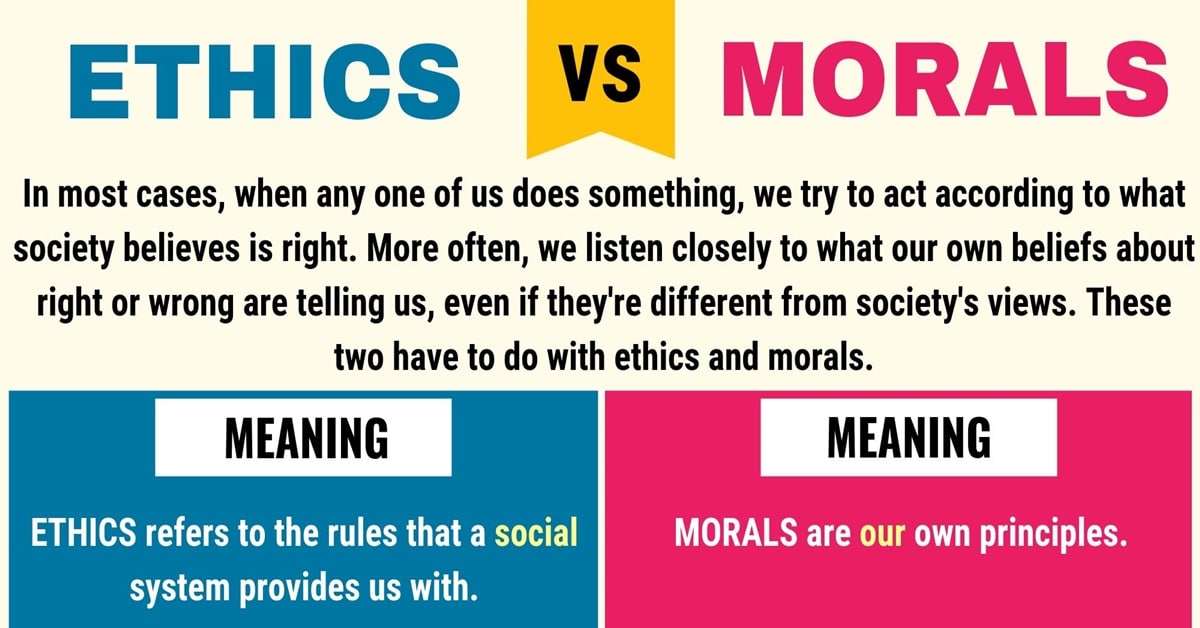
To truly grasp their impact on branding, it’s essential to first differentiate between morals and ethics. While both relate to principles of right and wrong, they originate from different sources and operate on different levels.
Morals: The Inner Compass of a Brand
Morals can be understood as an individual’s or a brand’s deeply held, personal principles regarding right and wrong. They are often derived from personal experiences, upbringing, culture, religion, and an innate sense of justice. For a brand, morals represent its internal compass, the fundamental beliefs and values that guide its founders, leaders, and core team members. These are the “gut feelings” about what is good, fair, and just, even when no external rules explicitly dictate it.
Think of a startup founder who refuses to cut corners on product quality, not because of regulatory pressure, but because they morally believe in delivering excellence and integrity to their customers. This intrinsic commitment to quality, fairness, or social responsibility forms the moral bedrock of their brand. These morals often dictate the internal culture, hiring practices, and the types of partnerships a brand chooses to forge. They are the unseen forces that shape the brand’s soul, influencing decisions that might not always be visible to the public but are crucial for maintaining internal coherence and purpose. A brand’s morals are its non-negotiables, the deep-seated convictions that define its true character and mission.
Ethics: The External Framework for Brand Conduct
Ethics, in contrast, are a set of widely accepted rules, standards, or principles that govern the conduct of a group, profession, or organization. They are often codified and can be influenced by societal norms, legal frameworks, industry best practices, and philosophical traditions. For a brand, ethics represent its external framework—the publicly articulated codes of conduct, policies, and responsibilities that guide its interactions with stakeholders, competitors, customers, and the broader community.
Consider a tech company adhering to data privacy regulations (like GDPR) or following an industry-specific code of conduct regarding advertising truthfulness. These are ethical obligations. Ethics provide a standardized lens through which a brand’s actions can be evaluated by external parties. They ensure accountability, transparency, and a level playing field. Corporate Social Responsibility (CSR) initiatives, fair trade practices, environmental sustainability policies, and transparent marketing strategies all fall under the umbrella of a brand’s ethics. While morals are about what a brand believes is right, ethics are about how a brand demonstrates what is right in its operational conduct and public engagements.
Why This Distinction Matters for Brand Identity and Strategy
Understanding the difference between morals and ethics is not just semantic; it’s strategic. This distinction is critical for building a brand that is both authentic internally and respected externally, fostering trust and resilience in an increasingly transparent world.
Building an Authentic Brand: Aligning Internal Morals with External Ethics
The greatest challenge and opportunity for any brand lies in aligning its internal morals with its external ethical practices. An authentic brand is one where its core values (morals) are consistently reflected in its actions and policies (ethics). When this alignment is strong, the brand narrative is cohesive, credible, and resonant. Consumers, employees, and investors are increasingly sophisticated; they can detect hypocrisy from a mile away.
Consider a brand that loudly champions environmental sustainability in its marketing (ethics) but uses exploitative labor practices or unsustainable materials in its supply chain (a moral failing disguised by external ethical claims). Such misalignment inevitably leads to brand crises, eroding trust, and severe reputational damage. The phenomenon of “greenwashing” is a prime example of an ethical veneer covering a moral void. Conversely, a brand whose deep moral commitment to, say, community welfare genuinely translates into robust ethical programs like fair wages, local sourcing, and charitable initiatives, builds an unshakeable foundation of trust and loyalty. Authenticity, therefore, is born from the congruence of a brand’s inner moral compass and its outward ethical conduct.
Navigating Reputation and Trust in a Transparent World
In today’s hyper-connected, social media-driven landscape, information travels at the speed of light. Every ethical lapse or perceived moral failing of a brand is instantly scrutinized, amplified, and debated by a global audience. Reputation is no longer built solely on product quality or clever marketing; it hinges on the perceived integrity and responsibility of the brand.
Ethical considerations, such as data privacy, fair pricing, responsible AI development, and transparent communication, are constantly under public microscope. A single misstep can trigger a consumer boycott, a viral backlash, or regulatory action. Brands that proactively define their ethical boundaries and consistently uphold them are better equipped to navigate potential crises and maintain public trust. Furthermore, a strong ethical framework, rooted in clear moral principles, acts as a guiding light during times of uncertainty, enabling consistent decision-making that reinforces the brand’s commitment to its values. This proactive approach to ethics, informed by core morals, builds a reservoir of goodwill that can insulate a brand during challenging times, fostering loyalty even when mistakes happen.

Implementing Ethical and Moral Principles in Brand Practice
Translating abstract moral and ethical concepts into concrete brand practices is where strategy meets action. It’s about embedding these principles into every facet of the brand’s operation, from its messaging to its market behavior.
Crafting a Value-Driven Brand Narrative
A brand’s narrative is its story, and the most compelling stories are those driven by clear values. A deep understanding of the brand’s core morals allows for the creation of an authentic and compelling narrative. This isn’t just about what the brand sells, but what it stands for. When morals are at the heart of the brand story, the messaging moves beyond transactional benefits to resonate on a deeper, emotional level with the audience.
For example, Patagonia’s brand narrative is deeply rooted in its moral commitment to environmental activism, which translates into ethical practices like using recycled materials, repairing products, and donating a percentage of sales to environmental causes. Their communication consistently reflects these values, attracting customers who share similar moral convictions. A value-driven narrative, informed by genuine morals and supported by consistent ethics, builds a community around the brand, transforming customers into advocates.
Corporate Social Responsibility (CSR) and Ethical Marketing
CSR initiatives and ethical marketing practices are direct manifestations of a brand’s ethical framework, often stemming from its underlying moral beliefs. These are the outward-facing actions that demonstrate a brand’s commitment to responsible conduct.
-
CSR: Beyond legal compliance, CSR encompasses a brand’s voluntary actions to contribute to societal good. This could include sustainable sourcing, fair labor practices, community investment programs, or philanthropic endeavors. These initiatives are not merely PR stunts; they are ethical obligations a brand takes on, driven by a moral understanding of its role in the world.
-
Ethical Marketing: This involves honesty and transparency in advertising, avoiding manipulative tactics, protecting consumer data, and promoting products responsibly. It means ensuring that marketing messages are not just legally compliant but also morally sound, respecting the intelligence and well-being of the target audience. Brands that commit to ethical marketing build trust and long-term relationships, avoiding the pitfalls of deceptive or exploitative campaigns.
Personal Branding: The Moral Imperative of Individual Integrity
The distinction between morals and ethics is equally crucial for personal branding. An individual’s personal brand is built on their reputation, expertise, and—critically—their character. Here, morals represent the individual’s core values, integrity, and personal code of conduct. Ethics, then, are how these values are expressed in professional behavior, interactions, and public presence.
A personal brand thrives when there’s an undeniable alignment between an individual’s professed values (ethics) and their actual conduct (morals). A professional who advocates for diversity and inclusion (ethics) but demonstrates bias in their hiring practices (moral failing) will quickly see their personal brand crumble. Conversely, a consistent moral compass, translated into ethical professional behavior, builds a powerful and resilient personal brand characterized by trustworthiness, reliability, and authenticity. This is vital for career progression, networking, and thought leadership.
The Long-Term Impact: Brand Resilience and Legacy
Ultimately, a deep appreciation for the difference between morals and ethics, and their consistent application, contributes to a brand’s enduring resilience and its lasting legacy.
Fostering Loyalty and Advocacy Through Principled Operations
Brands that operate with clear moral principles and robust ethical frameworks inspire deeper loyalty among customers, employees, and stakeholders. Consumers are increasingly willing to pay a premium for brands that align with their own values. Employees are more engaged and productive when they work for organizations whose ethics reflect their personal morals. Investors seek out companies with strong ESG (Environmental, Social, Governance) credentials, recognizing that ethical leadership mitigates risk and fosters sustainable growth. This loyalty translates into sustained market share, reduced turnover, and a strong pipeline of talent and investment, making the brand more resilient to economic downturns and competitive pressures.
Adapting to Evolving Moral and Ethical Landscapes
The moral and ethical landscape is not static; it evolves with societal changes, technological advancements, and new global challenges. Brands that understand the interplay between their fixed moral compass and their adaptable ethical framework are better positioned to respond to these shifts. Their core morals provide stability, while their ethical practices can be updated to meet new expectations, such as evolving views on data privacy, diversity, climate action, or supply chain transparency. A brand with a strong moral foundation can adapt its ethical policies without losing its identity, ensuring relevance and continued respect across generations.
Conclusion
The terms “moral” and “ethics” are not mere synonyms; they represent distinct yet interdependent forces that profoundly shape a brand’s identity, strategy, and legacy. Morals are the deeply personal, internal principles that form the conscience of a brand, defining its soul and core beliefs. Ethics are the external, codified rules of conduct that govern a brand’s actions, ensuring accountability and aligning with societal expectations.
For any brand aiming for authenticity, trust, and enduring success, understanding and harmonizing these two concepts is paramount. A brand that consistently aligns its inner moral compass with its outward ethical conduct builds an unshakeable foundation of integrity, fosters deep loyalty, and earns a respected place in the hearts and minds of its audience. In an era where transparency is king and values matter more than ever, mastering the difference between morals and ethics is not just good business; it’s essential branding.
aViewFromTheCave is a participant in the Amazon Services LLC Associates Program, an affiliate advertising program designed to provide a means for sites to earn advertising fees by advertising and linking to Amazon.com. Amazon, the Amazon logo, AmazonSupply, and the AmazonSupply logo are trademarks of Amazon.com, Inc. or its affiliates. As an Amazon Associate we earn affiliate commissions from qualifying purchases.