
In the dynamic world of business finance, the term “buyout” frequently surfaces, often associated with significant corporate maneuvers, strategic shifts, and substantial financial transactions. At its core, a buyout represents an acquisition where one party—be it an individual, a group of investors, or another company—purchases a controlling stake, or often the entirety, of a company’s shares or assets. This fundamental concept, while seemingly straightforward, underpins a complex array of financial strategies, corporate restructuring efforts, and wealth creation opportunities. Understanding what constitutes a buyout, its various forms, and its implications is crucial for anyone navigating the intricate landscape of modern business and investment.
A buyout is not merely a transaction; it is a strategic repositioning, a calculated gamble, and often a transformative event for the acquired entity, its employees, and its stakeholders. Unlike simple stock purchases made by individual investors on public markets, buyouts are typically large-scale, privately negotiated deals aimed at achieving specific financial or strategic objectives. These objectives can range from turning around underperforming companies and unlocking hidden value to facilitating generational transitions or expanding market share. The allure of a buyout lies in its potential for significant returns, but it also carries inherent risks, particularly when substantial debt is involved. This article will delve into the intricacies of buyouts, exploring their definitions, types, rationales, processes, and the profound impact they have on the financial ecosystem.
Defining the Buyout Concept
A buyout is fundamentally a change of ownership and control, executed through the acquisition of a company’s equity. It represents a strategic move designed to transfer proprietary interest from one party to another, often with the specific aim of restructuring, optimizing, or ultimately reselling the acquired entity for a profit. This concept is distinct from organic growth or typical mergers, carrying its own unique characteristics and implications.
The Core Mechanism of a Buyout
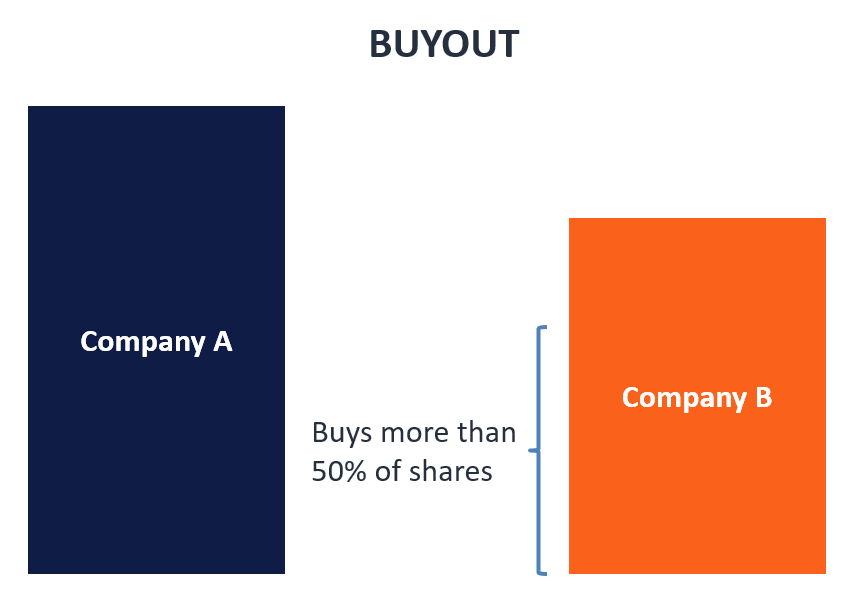
At its heart, a buyout involves the purchase of a sufficient number of shares to gain control over a company’s operations and strategic direction. This control typically implies acquiring more than 50% of the voting shares, though effective control can sometimes be achieved with less if the remaining shares are widely dispersed. The acquiring party, often referred to as the acquirer or sponsor, believes they can enhance the target company’s value under their ownership, perhaps by improving operational efficiency, divesting non-core assets, or implementing a new growth strategy.
The funding for a buyout can come from various sources. It might be financed through the acquirer’s existing cash reserves, equity contributions from private equity firms or investment funds, or, very commonly, through a significant portion of borrowed capital. The structure of the financing is a critical determinant of the buyout’s risk profile and potential returns. The transaction typically involves a premium over the target company’s current market valuation, reflecting the strategic value perceived by the acquirer and often providing an attractive exit for current shareholders.
Buyouts vs. Mergers & Acquisitions (M&A)
While buyouts fall under the broader umbrella of Mergers & Acquisitions (M&A), they possess distinct characteristics. M&A encompasses a wide range of corporate combinations and asset purchases. A merger involves two companies combining to form a new single entity, often of roughly equal size, with both management teams typically retaining significant roles. An acquisition, more broadly, is simply one company buying another.
A buyout is a specific type of acquisition where the primary intent is often to take a company private (if it was public), restructure its operations, and typically sell it later for a profit. Crucially, buyouts often involve a significant reliance on debt financing, a characteristic that differentiates them from many other M&A transactions. The acquiring party in a buyout is usually a financial sponsor (like a private equity firm) or the company’s existing management, rather than a strategic competitor looking purely for market consolidation. While all buyouts are acquisitions, not all acquisitions are buyouts in the specialized sense of the term.
Common Types of Buyouts
The world of buyouts is not monolithic; various forms exist, each with its own structure, financing mechanisms, and strategic objectives. Understanding these distinctions is vital for grasping the nuances of corporate finance and investment strategies.
Leveraged Buyouts (LBOs)
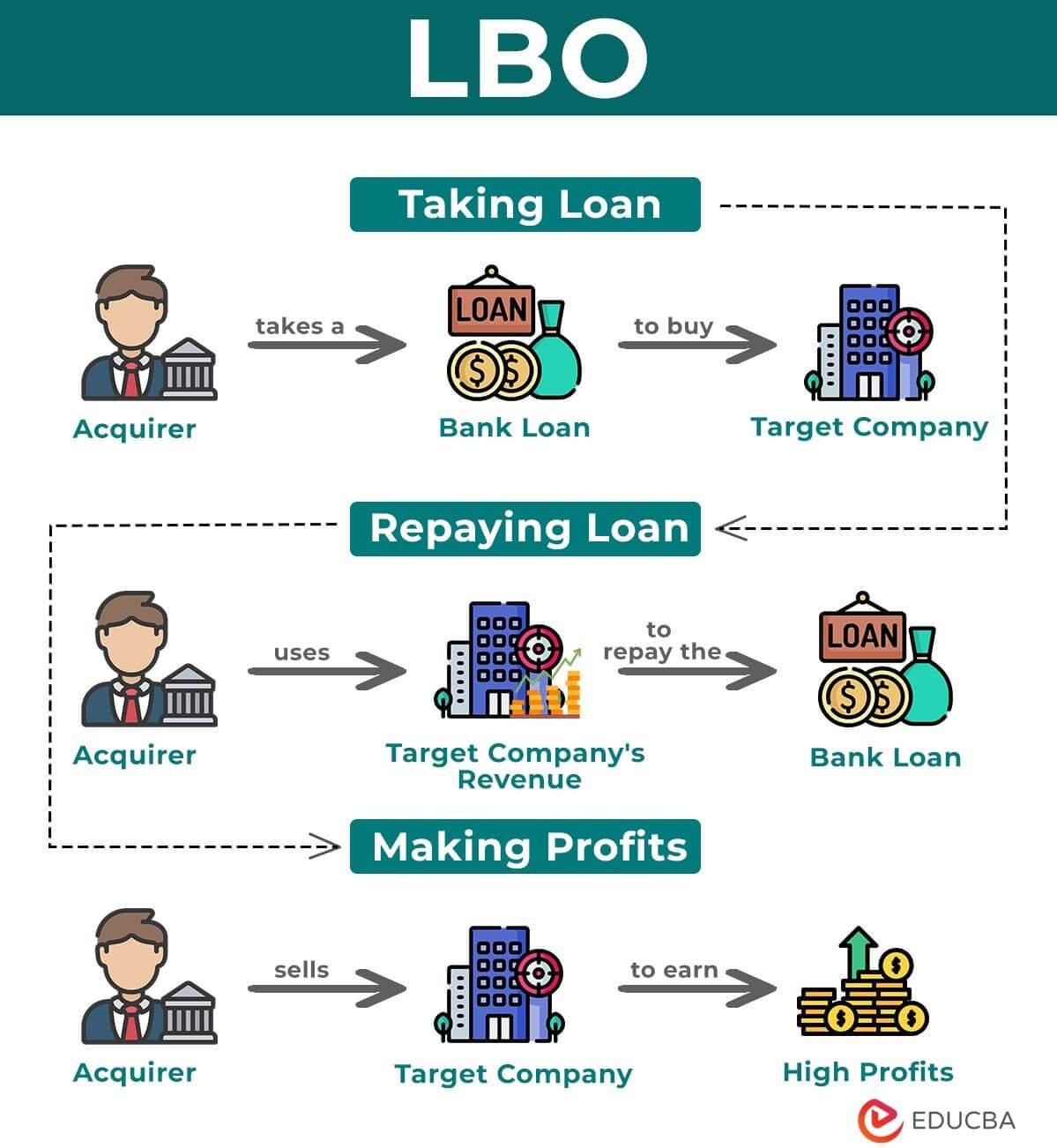
The Leveraged Buyout (LBO) is arguably the most recognized and often sensationalized form of buyout. In an LBO, a acquiring firm, typically a private equity firm, purchases another company using a significant amount of borrowed money (leverage) to meet the cost of acquisition. The assets of the acquired company are often used as collateral for the loans. The acquiring firm contributes a relatively small amount of equity, allowing them to control a large company with minimal personal capital invested.
The premise of an LBO is that the cash flow generated by the acquired company will be sufficient to service the debt, and that operational improvements or market shifts will enhance the company’s value significantly by the time the private equity firm exits its investment, usually within three to seven years. The high leverage magnifies returns on the equity invested if the strategy succeeds, but it also amplifies losses if the company underperforms or economic conditions sour. LBOs were particularly prominent in the 1980s and have remained a staple of private equity activity, focusing on mature companies with stable cash flows, strong management, and often undervalued assets.
Management Buyouts (MBOs)
A Management Buyout (MBO) occurs when a company’s existing management team acquires a significant portion, or all, of the business they manage. This often happens when the current owner, perhaps a private equity firm or a conglomerate, wishes to divest a non-core division, or when a founder is looking to retire. The management team, leveraging their intimate knowledge of the company’s operations, market, and challenges, partners with a financial sponsor (like a private equity firm) or secures financing independently to acquire the business.
MBOs are attractive because the acquiring team already possesses deep operational expertise and a vested interest in the company’s success, which can lead to smoother transitions and improved performance post-acquisition. The challenge often lies in the management team’s ability to raise the substantial capital required, making external financial backing almost always a necessity.
Management Buy-ins (MBIs)
Closely related to MBOs, a Management Buy-in (MBI) involves an external management team acquiring a company. This team does not currently work for the target company but is brought in specifically to acquire and run it. MBIs often occur when a company is underperforming or requires a significant strategic overhaul, and the existing management team is deemed unable or unwilling to execute the necessary changes.
An MBI team typically brings fresh perspectives, new skills, and a different strategic vision to the target company. Like MBOs, MBIs often involve partnering with private equity firms or other financial backers to secure the necessary funding. The risk in an MBI can be higher due to the external team’s initial lack of familiarity with the company’s internal workings, culture, and specific market dynamics.
Employee Buyouts (EBOs)
In an Employee Buyout (EBO), the employees of a company collectively acquire ownership of the business. This is often structured through an Employee Stock Ownership Plan (ESOP) or a direct employee cooperative. EBOs are frequently seen as a way to save jobs when a company is being sold or closed, or as a succession planning tool for owners looking to retire without selling to an outside entity.
The primary motivations for an EBO include preserving jobs, fostering a strong employee culture, and distributing wealth more broadly among the workforce. Financing for EBOs can come from various sources, including employee contributions, bank loans, and government-backed programs. While EBOs can lead to increased employee engagement and productivity, they also place the financial burden and risks of ownership directly on the employees.
Divisional Buyouts
A Divisional Buyout occurs when a larger corporation sells off one of its divisions or subsidiaries to an acquiring party. This often happens as part of a strategic refocusing, where the parent company decides to divest non-core assets to concentrate on its primary business lines. The acquired division may then operate as an independent entity under new ownership. These can often be structured as LBOs or MBOs, depending on who the acquiring party is (e.g., if the management of that division leads the buyout).
The Strategic Rationale Behind Buyouts
Buyouts are not random occurrences; they are meticulously planned financial and strategic maneuvers driven by specific objectives from all parties involved. Understanding these motivations is key to appreciating why these complex transactions take place.
For Acquirers: Value Creation and Restructuring
For the acquiring party, especially private equity firms, the primary motivation behind a buyout is the potential for significant financial returns through value creation. Acquirers typically identify companies that they believe are undervalued, underperforming, or have untapped potential. Their strategy often involves:
-
Operational Improvements: Implementing efficiencies, streamlining processes, reducing costs, and optimizing supply chains to boost profitability.
-
Strategic Repositioning: Divesting non-core assets, expanding into new markets, or introducing new products to enhance market position.
-
Financial Engineering: Optimizing the company’s capital structure, often by reducing debt or refinancing it at more favorable terms, once initial value has been created.
-
Synergies: If the acquirer is a strategic buyer (another company in the same industry), they may seek synergies in operations, distribution, or customer base to achieve cost savings or revenue growth.
The goal is to transform the company during the holding period and then exit the investment, typically through a public offering (IPO), a sale to another company (strategic sale), or a secondary buyout (sale to another private equity firm), realizing a substantial profit.
For Sellers: Exit Strategies and Liquidity
For the selling party, a buyout offers a clear and often lucrative exit strategy. Common motivations for selling include:
-
Retirement or Succession: Founders or owners without a clear succession plan within their family or management team may opt for a buyout to monetize their lifetime’s work.
-
Divestiture of Non-Core Assets: Large corporations may sell divisions that no longer fit their core strategy, freeing up capital and management focus for their main businesses.
-
Liquidity for Shareholders: Public shareholders can receive a premium for their shares when a company goes private through an LBO, offering immediate liquidity.
-
Access to Capital: For privately held companies, a buyout can provide the capital infusion necessary for growth that they might not otherwise be able to secure.
-
Distressed Situations: Owners of struggling companies might pursue a buyout as a way to salvage some value before the company faces bankruptcy, or to bring in new management and capital for a turnaround.
For Management/Employees: Control and Equity Stakes
In the case of MBOs, MBIs, and EBOs, the management team or employees have distinct motivations:
-
Control and Autonomy: Management teams often seek greater control over the company’s strategic direction and operations, freed from the constraints of a parent company or passive shareholders.
-
Equity Ownership: Acquiring an equity stake allows management and employees to directly participate in the wealth creation they help generate, aligning their incentives with the company’s long-term success.
-
Job Security: In EBOs, employees may acquire the company to prevent its sale to an external party that might downsize or relocate operations, thus preserving their jobs and community ties.
-
Leveraging Expertise: Existing management teams believe their deep understanding of the business makes them the best stewards for its future, and a buyout allows them to act on that conviction.
The Buyout Process: A Step-by-Step Guide
The execution of a buyout is a complex, multi-stage process involving extensive due diligence, intricate financial structuring, and rigorous legal negotiations. It typically unfolds over several months, sometimes even longer, requiring coordination among numerous parties.
Identification and Due Diligence
The process typically begins with the acquirer identifying a suitable target company. This involves market research, financial analysis, and a strategic assessment of potential candidates. Once a target is identified and initial interest is established, the acquirer enters a phase of intensive due diligence. This critical step involves a thorough examination of every aspect of the target company’s business, including:
-
Financials: Detailed review of income statements, balance sheets, cash flow statements, debt obligations, and historical performance.
-
Legal: Assessment of contracts, litigation risks, intellectual property, regulatory compliance, and corporate structure.
-
Operational: Evaluation of production processes, supply chain, technology infrastructure, management team, and human resources.
-
Market: Analysis of market position, competitive landscape, customer base, and growth prospects.
The findings from due diligence inform the valuation of the company and identify potential risks or opportunities that will influence the deal structure and post-acquisition strategy.
Financing the Acquisition
Securing the necessary funding is perhaps the most challenging and pivotal aspect of the buyout process, especially for LBOs. The financing structure is typically a mix of equity and debt:
-
Equity: Provided by the acquirer itself (e.g., a private equity firm’s fund, the management team’s personal capital). This is typically the “first loss” capital, meaning it bears the initial risk.
-
Debt: Sourced from banks, institutional lenders, and bond markets. This can include senior debt (secured by company assets, lower interest rates), mezzanine debt (unsecured, higher interest rates, often with equity features), and high-yield bonds.
The amount of debt an acquirer can raise depends on the target company’s projected cash flow, asset base, and market conditions. Financial advisors and investment banks play a crucial role in structuring these complex debt packages.
Integration and Value Creation
Once the buyout is complete, the focus shifts to integrating the acquired company and executing the value creation strategy. This phase is critical for realizing the financial returns envisioned by the acquirer. It often involves:
-
Management Changes: Installing new leadership, if necessary, or empowering the existing management team with new directives.
-
Operational Overhauls: Implementing identified efficiencies, cost-cutting measures, and performance improvements.
-
Strategic Initiatives: Launching new products, expanding into new markets, or divesting non-core assets.
-
Financial Restructuring: Optimizing the capital structure, possibly by refinancing debt or making strategic acquisitions.
The acquirer typically works closely with the management team, providing strategic guidance, operational expertise, and additional capital when needed.
The Exit Strategy
Buyouts, particularly those driven by financial sponsors, are not permanent holdings. From the outset, the acquirer plans an exit strategy to realize their return on investment. Common exit avenues include:
-
Initial Public Offering (IPO): Listing the company on a public stock exchange, allowing the acquirer to sell its shares to public investors.
-
Strategic Sale: Selling the company to another corporation (often a larger competitor) that sees strategic value in the acquired business.
-
Secondary Buyout: Selling the company to another private equity firm. This often occurs when the company still has significant growth potential, but the current owner is ready to deploy capital elsewhere.
-
Recapitalization: Refinancing the company’s debt structure and potentially issuing a dividend to the equity holders, allowing the acquirer to recoup some of its investment while retaining ownership.
The timing of the exit is crucial and depends on market conditions, the company’s performance, and the acquirer’s investment horizon.
Risks, Rewards, and Long-Term Impact
Buyouts are high-stakes endeavors, offering the potential for substantial rewards but also carrying significant risks. Their long-term impact extends beyond the immediate financial transaction, affecting employees, stakeholders, and even broader economic landscapes.
Potential Benefits: Efficiency, Growth, and Returns
When executed successfully, buyouts can generate considerable benefits:
-
Enhanced Efficiency and Profitability: Acquirers often bring rigorous operational discipline and strategic focus, leading to improved efficiencies, reduced waste, and higher profit margins.
-
Accelerated Growth: Access to new capital and strategic guidance can enable companies to invest in R&D, expand into new markets, or acquire complementary businesses, accelerating growth.
-
Significant Financial Returns: For private equity firms and other investors, successful buyouts can generate impressive returns on equity, often multiples of their initial investment, contributing to wealth creation.
-
Job Creation and Economic Stimulus: By revitalizing underperforming companies, buyouts can stabilize and even create jobs, stimulate local economies, and foster innovation.
-
Succession and Liquidity: They provide essential exit routes for retiring owners and liquidity for shareholders, facilitating the natural evolution of businesses.
Inherent Risks: Debt Burden, Integration Challenges, Economic Downturns
The high-leverage nature of many buyouts introduces substantial risks:
-
Debt Burden: The significant debt taken on during an LBO can strain the acquired company’s cash flow, making it vulnerable to interest rate hikes or an inability to service its obligations, potentially leading to bankruptcy.
-
Integration Challenges: Merging cultures, systems, and operations post-acquisition can be complex and fraught with difficulties, potentially disrupting productivity and employee morale.
-
Economic Downturns: Recessions or industry-specific downturns can severely impact a highly leveraged company’s ability to generate sufficient cash flow, making debt repayment extremely difficult.
-
Valuation Risks: Overpaying for a target company can erode potential returns, even if operational improvements are made. The success of a buyout heavily relies on a realistic initial valuation.
-
Management Misalignment: If the new owners and the existing management team have conflicting visions or incentives, it can hinder the execution of the value creation strategy.

Impact on Employees, Stakeholders, and the Broader Economy
The ripple effects of a buyout extend broadly:
-
Employees: Buyouts can lead to both positive and negative outcomes for employees. They may experience job insecurity due to cost-cutting measures, or benefit from revitalized companies and new growth opportunities. MBOs and EBOs, in particular, can empower employees and foster a strong sense of ownership.
-
Local Communities: Changes in company operations, closures, or relocations can have significant socio-economic impacts on communities dependent on the acquired business.
-
Suppliers and Customers: Relationships with suppliers and customers can be affected by changes in purchasing policies, product offerings, or service levels post-buyout.
-
Broader Economy: Buyouts play a crucial role in capital allocation, directing investment to sectors and companies deemed to have high growth potential, thereby contributing to market efficiency and economic dynamism. However, overly aggressive or failed leveraged buyouts can also contribute to financial instability.
In conclusion, a buyout is a multifaceted financial transaction with profound implications. Far from being a simple exchange of ownership, it is a strategic tool used to unlock value, facilitate transitions, and drive corporate transformation. While promising substantial rewards for investors and offering crucial liquidity for sellers, the inherent complexities and risks demand meticulous planning, robust financial structuring, and expert execution. As a cornerstone of business finance, understanding buyouts is essential for anyone seeking to comprehend the forces shaping modern corporations and investment strategies.
aViewFromTheCave is a participant in the Amazon Services LLC Associates Program, an affiliate advertising program designed to provide a means for sites to earn advertising fees by advertising and linking to Amazon.com. Amazon, the Amazon logo, AmazonSupply, and the AmazonSupply logo are trademarks of Amazon.com, Inc. or its affiliates. As an Amazon Associate we earn affiliate commissions from qualifying purchases.