
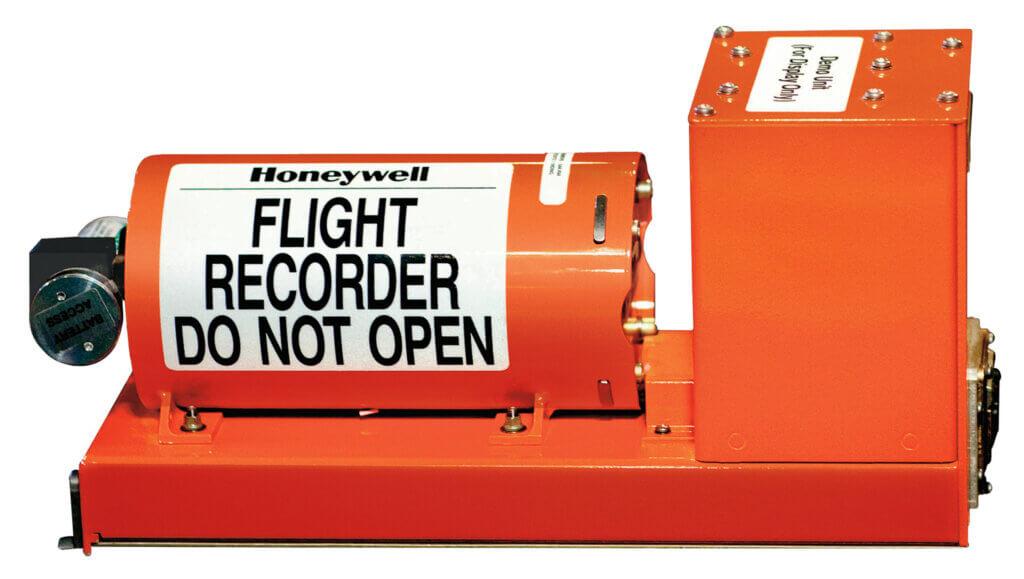
The phrase “black box” conjures images of a mysterious, indestructible device holding the secrets to aviation’s most perplexing tragedies. While the popular imagination often pictures a sleek, dark container, the reality is far more colorful—literally. These vital pieces of equipment are, in fact, brightly colored, typically fluorescent orange, to aid in their recovery after an incident. Far from being a mere enigma, the black box, or more accurately, the flight recorder, is a sophisticated technological marvel, a cornerstone of aviation safety, and an indispensable tool for understanding and preventing accidents.
In the complex ecosystem of modern aviation, where human ingenuity meets the unforgiving laws of physics, the flight recorder stands as a silent witness. Its primary purpose is simple yet profoundly critical: to record a myriad of data points and audio information during a flight, providing investigators with invaluable insights into the final moments leading up to an incident. Without this technology, piecing together the events of an aircraft accident would be an infinitely more challenging, often impossible, task, leaving critical safety lessons unlearned and risks unmitigated. This article delves into the intricacies of these remarkable devices, exploring their components, functionality, technological evolution, and the pivotal role they play in continually enhancing the safety of air travel worldwide.
Beyond the Misnomer: What a Flight Recorder Truly Is
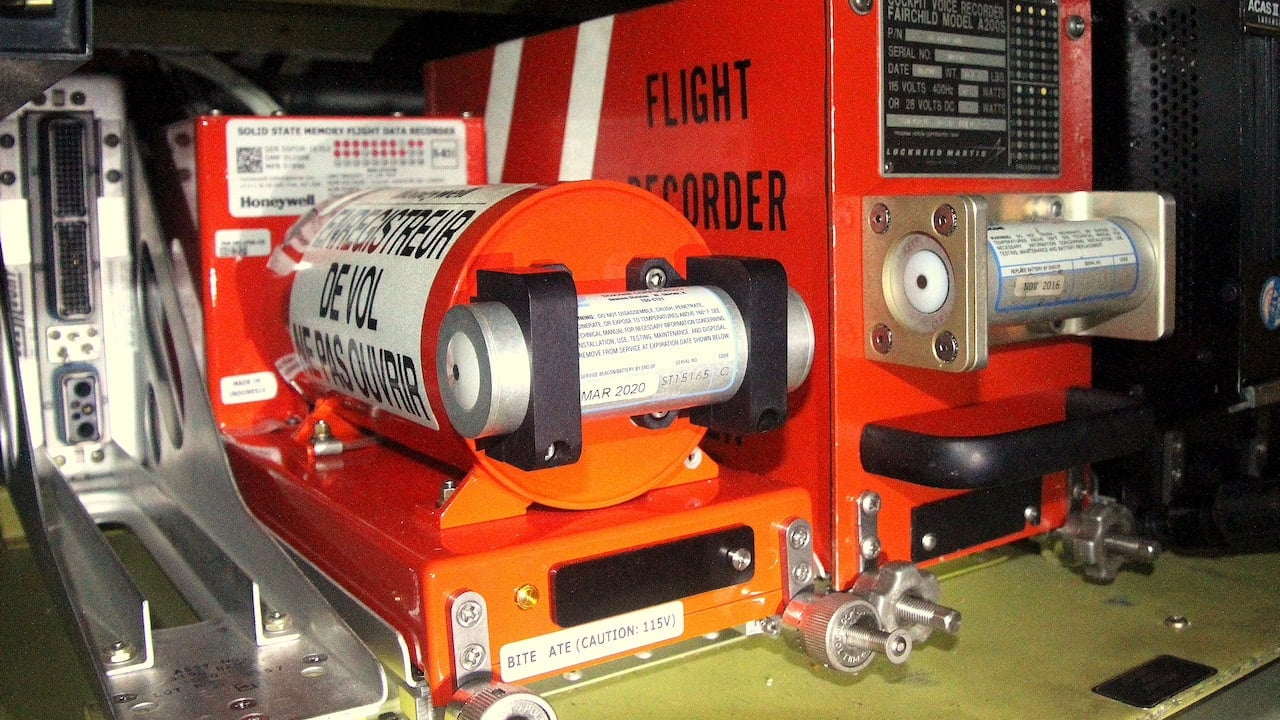
The term “black box” is a historical legacy, perhaps referring to the early, rather plain appearance of the original prototypes or the clandestine nature of their contents. However, modern flight recorders are anything but black. Their distinctive bright orange hue is a deliberate design choice, maximizing their visibility in wreckage, whether scattered across land or submerged deep underwater. These aren’t single units but rather a synergistic pair of devices, each serving a distinct yet complementary function.
The Dual Components: CVR and FDR
A typical commercial aircraft carries two primary flight recorders, each housed in separate, ultra-protective units:
-
The Cockpit Voice Recorder (CVR): As its name suggests, the CVR captures all audio within the flight deck. This includes not only conversations between the pilots but also communications with air traffic control, cabin crew, and even ambient sounds from the cockpit environment. The nuances of engine noise, stall warnings, clicks of switches, and the sounds of structural failure can provide critical clues. Modern CVRs typically record the last two hours of audio, overwriting older data continuously. This audio forensic evidence can reveal pilot actions, decision-making processes, crew coordination, and the progression of an emergency, offering a crucial human element to accident investigation.
-
The Flight Data Recorder (FDR): This device is the aircraft’s digital diary, logging hundreds of operational parameters every second. It captures a vast array of technical information, painting a comprehensive picture of the aircraft’s performance throughout the flight. Data points typically include:
-
Flight controls: Elevator, rudder, aileron positions, indicating pilot inputs.
-
Performance data: Airspeed, altitude, vertical acceleration, heading, pitch, roll.
-
Engine parameters: RPM, thrust settings, temperature, fuel flow.
-
Navigation data: GPS coordinates, autopilot status.
-
Systems status: Landing gear position, flap settings, pressurization, hydraulic systems, warning annunciations.
Modern FDRs record approximately the last 25 hours of flight data, providing a detailed, second-by-second technical chronology of the aircraft’s journey.
-
Physical Characteristics and Durability
The construction of flight recorders is a testament to engineering designed for extreme resilience. They are engineered to withstand the most catastrophic events imaginable, ensuring the data they hold survives to tell its story.
-
Materials: The outer casing of both CVRs and FDRs is typically crafted from robust materials like hardened stainless steel or titanium. This protective shell encases memory modules that are further insulated to guard against intense heat and impact forces.
-
Extreme Resilience: These devices are designed to survive:
-
Impact: Forces exceeding 3,400 Gs (gravitational force), equivalent to crashing at hundreds of miles per hour.
-
Fire: Temperatures up to 1,100 degrees Celsius (2,012 degrees Fahrenheit) for at least 60 minutes.
-
Water Pressure: Depths of up to 6,000 meters (20,000 feet) for an indefinite period, withstanding pressures that would crush a submarine.
-
-
Underwater Locator Beacon (ULB): Crucially, if submerged, the flight recorder automatically activates an Underwater Locator Beacon (ULB). This “pinger” emits ultrasonic pulses at regular intervals (typically 37.5 kHz) for at least 30 days, allowing search teams to home in on its location using specialized hydrophones. This feature is critical for recovering boxes from deep ocean environments, though its limited battery life can present significant challenges in vast search areas.
The Indispensable Role in Aviation Safety and Investigation
The value of flight recorders becomes starkly apparent in the aftermath of an aviation incident. They are not merely data storage devices; they are key witnesses, providing the objective, unfiltered truth that forms the bedrock of every accident investigation.
Decoding Disaster: How Data Aids Investigators
When an aircraft accident occurs, national and international aviation safety bodies (like the NTSB in the US or the AAIB in the UK) race to recover the flight recorders. Once retrieved, the data is painstakingly downloaded and analyzed.
-
Sequence of Events: The synchronized CVR and FDR data allows investigators to reconstruct the precise sequence of events leading up to the incident. They can correlate pilot commands with aircraft responses, system failures with warnings, and environmental conditions with flight parameters.
-
Root Cause Identification: By cross-referencing this data with wreckage analysis, eyewitness accounts, and meteorological information, investigators can identify the direct and contributing factors to the accident. This might reveal human error, mechanical failure, design flaws, maintenance issues, air traffic control errors, or environmental influences (e.g., severe weather, bird strikes).
-
Objective Evidence: The recorders offer an objective, unbiased account. Unlike human memory, which can be fallible or subject to bias, the data does not lie. This objectivity is paramount in establishing causality and preventing speculative conclusions.
Preventing Future Accidents: The Iterative Safety Loop
The insights gleaned from flight recorder data extend far beyond merely understanding past tragedies. They are the engine of continuous improvement in aviation safety.
-
Lessons Learned and Recommendations: Every accident investigation culminates in a report detailing findings and, crucially, recommendations. These recommendations are often directly informed by flight recorder data. They can lead to:
-
Design Changes: Modifications to aircraft components or systems to eliminate vulnerabilities.
-
Operational Procedures: Updates to standard operating procedures (SOPs) for pilots and air traffic controllers.
-
Training Enhancements: Revision of pilot training curricula, focusing on specific scenarios or skill deficiencies identified.
-
Regulatory Reforms: New rules or standards from aviation authorities (e.g., FAA, EASA) regarding aircraft certification, maintenance, or operations.
-
-
Proactive Safety Measures: The data contributes to a proactive safety culture, where lessons from past incidents are used to anticipate and prevent future ones. This iterative safety loop has made air travel progressively safer, transforming it into one of the most secure modes of transportation today.

Technological Evolution and Modern Advancements
The “black box” of today bears little resemblance to its earliest ancestors. Like all technology, flight recorders have undergone significant evolution, driven by the desire for greater reliability, increased data capacity, and faster retrieval.
From Analog Tapes to Solid-State Memory
-
Early Recorders (1950s-1960s): The first flight recorders used thin metal foil or wire, engraved with data using a stylus. These were rudimentary by today’s standards, offering limited parameters and prone to damage.
-
Magnetic Tape (1960s-1990s): The advent of magnetic tape recorders brought significant improvements in data capacity and reliability. However, magnetic tapes were still susceptible to degradation from extreme heat or physical trauma, and the sequential nature of tape access made data retrieval somewhat cumbersome.
-
Solid-State Memory (1990s-Present): The most significant leap came with the transition to solid-state memory, similar to that found in USB drives or SSDs. This technology offers numerous advantages:
-
Increased Capacity: Allows for recording many more parameters and for longer durations.
-
Enhanced Durability: No moving parts, making them far more resistant to impact, vibration, and environmental stress.
-
Faster Data Retrieval: Instantaneous access to any part of the recorded data.
-
Improved Data Integrity: Less prone to data corruption or loss.
-
Emerging Technologies and Future Directions
The quest for even greater safety and efficiency continues to drive innovation in flight recorder technology.
-
Real-Time Data Streaming: One of the most significant advancements being explored is the ability to stream flight data in real-time to ground stations or cloud servers. In the event of an incident, investigators would have immediate access to the latest data, even if the physical recorders are unrecoverable. This could drastically reduce search times for wreckage and accelerate the investigative process, as demonstrated by lessons learned from incidents like MH370.
-
Enhanced CVRs: Proposals include extending CVR recording times significantly (e.g., to 25 hours to match FDRs) and improving audio quality and source separation for clearer understanding of cockpit conversations and sounds.
-
Video Recording in Cockpits: This is a highly controversial topic due to pilot privacy concerns, but the potential for cockpit video to provide visual context to CVR and FDR data is undeniable. Some cargo aircraft already incorporate cockpit video recorders.
-
Cloud-Based Storage and AI Analytics: Beyond immediate post-incident analysis, aggregating vast amounts of flight data in the cloud allows for predictive analytics using AI. This could identify subtle trends or precursors to failures, enabling proactive maintenance or operational adjustments before an incident occurs, moving from reactive investigation to preventative safety.
Challenges and Ethical Considerations
Despite their sophistication, flight recorders are not without their challenges, both technological and ethical.
Data Retrieval Hurdles
-
Locating Recorders: In incidents involving vast ocean expanses or remote, rugged terrain, locating the relatively small flight recorders can be an immense logistical and financial challenge. The battery life of ULBs is finite, and adverse weather conditions or deep-sea currents can complicate search efforts.
-
Damage to Recorders: While designed for extreme durability, recorders can still sustain damage that makes data extraction difficult or impossible, particularly if exposed to prolonged heat or fragmentation. Specialized labs and techniques are required for data recovery from damaged units.
Privacy Concerns and Data Usage
-
Pilot Privacy (CVR Recordings): CVR recordings capture highly sensitive information, including private conversations and emotional states during stressful situations. Pilots’ unions often advocate for strict protocols regarding access and use of CVR data to protect the privacy of crew members. The “just culture” principle ensures that individuals are not unfairly blamed without considering systemic factors, fostering an environment where errors are reported and learned from without fear of retribution.
-
Confidentiality of Investigation Data: The raw data from flight recorders is often considered highly sensitive and is typically kept confidential during investigations to prevent misinterpretation, speculation, or misuse. Balancing the need for transparency with the protection of sensitive information is a constant challenge for accident investigation bodies.
-
Data Security: As flight data moves towards real-time streaming and cloud storage, ensuring the cybersecurity of this critical information becomes paramount to prevent unauthorized access or manipulation.
The Impact on Air Travel and Public Trust
The black box, in its silent diligence, has transformed air travel from a perilous adventure into the safest mode of long-distance transportation. Its impact on public trust is immeasurable.
Rebuilding Confidence After Incidents
In the wake of an aviation accident, public confidence can be severely shaken. The thorough, data-driven investigations enabled by flight recorders are crucial for restoring that trust. By providing clear, factual explanations of what happened, why it happened, and what steps are being taken to prevent recurrence, aviation authorities demonstrate accountability and a commitment to safety. This transparency is vital for ensuring that the flying public continues to have faith in the integrity and safety of commercial aviation.
The Unsung Hero of the Skies
Ultimately, the flight recorder is an unsung hero. It operates continuously, meticulously documenting every moment, often without ever being needed for its primary function. Yet, in those rare, catastrophic moments when it is called upon, its contribution is profound. It provides the narrative, the proof, and the hard-won lessons that propel aviation safety forward. It embodies the industry’s unwavering commitment to learning from every incident, big or small, to ensure that future flights are safer still.
In conclusion, the “black box” is far more than a mysterious piece of equipment; it is a sophisticated, technologically advanced system crucial for modern aviation. Its dual components, unparalleled durability, and continuous evolution underscore its pivotal role in accident investigation and the iterative process of safety improvement. As technology progresses, so too will the capabilities of these indispensable flight recorders, further cementing their status as guardians of the sky and guarantors of the public’s confidence in air travel. They are, quite simply, the cornerstone upon which much of contemporary aviation safety is built.
aViewFromTheCave is a participant in the Amazon Services LLC Associates Program, an affiliate advertising program designed to provide a means for sites to earn advertising fees by advertising and linking to Amazon.com. Amazon, the Amazon logo, AmazonSupply, and the AmazonSupply logo are trademarks of Amazon.com, Inc. or its affiliates. As an Amazon Associate we earn affiliate commissions from qualifying purchases.