
In the realm of homeownership, every decision, from appliance purchases to garden maintenance, carries a financial implication. While a lush, vibrant lawn might seem like a purely aesthetic pursuit, the methods employed to achieve it directly impact your wallet. Understanding the optimal time to water your lawn is not merely about green grass; it’s a critical component of shrewd financial management, resource conservation, and safeguarding your most significant asset: your home. This guide delves into the economic rationale behind proper lawn hydration, revealing how strategic watering can translate into substantial savings and enhanced property value.

The Financial Imperative of Optimal Lawn Hydration
Wasteful watering practices are a silent drain on household budgets. Like leaving lights on in an empty room, irrigating your lawn at the wrong time means paying for water that never effectively benefits your turf. Embracing best practices is not just environmentally responsible; it’s a financially astute move that pays dividends in both the short and long term.
Avoiding Water Waste: Direct Savings on Utility Bills
Water is a metered commodity, and every gallon dispensed from your tap or sprinkler system contributes to your monthly utility bill. Watering during peak evaporation periods—typically the hottest parts of the day—means a significant portion of that expensive water never reaches your lawn’s root system. Instead, it vanishes into the atmosphere. Studies consistently show that evaporative losses can account for 30-50% of applied water during inefficient watering times. This translates directly to paying for water that provides no benefit, essentially pouring money down the drain. By timing your watering correctly, you ensure maximum absorption and minimize evaporation, directly reducing your water consumption and, consequently, your utility costs. Over a season, or even years, these savings can accumulate into hundreds, if not thousands, of dollars.
Protecting Your Investment: The Value of a Vibrant Lawn
Your home’s exterior, particularly its landscaping, is the first impression it makes. A well-maintained, healthy lawn significantly enhances curb appeal, which is a key factor in property valuation. Real estate professionals often emphasize that good landscaping can increase a home’s value by 7% to 15%. Conversely, a parched, brown, or diseased lawn can detract from appeal and value, potentially delaying a sale or forcing a price reduction. Treating your lawn as an integral part of your property investment—and watering it judiciously—is a proactive strategy to maintain or even boost your home’s market worth. It’s a return on investment that’s tangible in a future sale or even in the daily enjoyment of your living space.
Hidden Costs of Poor Watering Practices
Beyond the obvious financial hit of higher water bills, inefficient watering can lead to a cascade of other expenses. Overwatering, often a consequence of trying to compensate for poor timing, can lead to fungal diseases like brown patch or dollar spot, requiring costly fungicide treatments or even complete sod replacement. Underwatering, on the other hand, stresses the grass, making it susceptible to pests, weeds, and eventual die-off, necessitating expensive reseeding or renovation projects. Furthermore, runoff from overwatering can carry away soil nutrients, forcing you to purchase and apply more fertilizers more frequently, adding another recurring cost. These “hidden costs” underscore the importance of precision and timing in lawn care—a seemingly minor detail that holds significant sway over your overall property maintenance budget.
Understanding the Science of Savings: Why Timing Matters
The science behind optimal lawn watering is rooted in principles of botany, meteorology, and soil physics. Understanding these dynamics reveals precisely why certain times of day offer superior financial efficiency compared to others. It’s about leveraging natural conditions to maximize water utility and minimize waste.
Evaporation and the Bottom Line
The most significant scientific factor influencing watering efficiency is the rate of evaporation. Sunlight, high temperatures, and wind all contribute to water evaporating from the lawn surface and leaves before it can penetrate the soil to reach the roots. During midday, when the sun is highest and temperatures peak, evaporation rates are at their maximum. Watering at this time means a substantial portion of the water applied simply dissipates into the air, doing nothing to hydrate your grass. Financially, this is akin to overpaying for a service without receiving the full benefit. By watering when evaporation is minimal—typically during cooler, calmer parts of the day—you ensure that the majority of your water budget is absorbed by the soil, directly nourishing your lawn and providing maximum return on every dollar spent.
Disease Prevention: Averting Costly Replacements
While often associated with overwatering, improper watering timing can significantly increase the risk of lawn diseases, leading to costly interventions. Watering too late in the evening, for instance, leaves grass blades wet overnight. This prolonged moisture creates an ideal environment for the proliferation of fungal pathogens. Fungal diseases can rapidly spread, causing unsightly patches, thinning turf, and, if severe, requiring expensive fungicide applications or even the complete removal and replacement of affected areas. The cost of fungicides alone can range from tens to hundreds of dollars per application, not to mention the labor or the depreciation in curb appeal. Strategic watering, which allows grass blades to dry before nightfall, is a preventative measure that saves you from these significant, unexpected expenses.
Root Development: Building a Resilient, Low-Maintenance Asset
The ultimate goal of watering is to encourage deep, robust root systems. Deeper roots make grass more resilient to drought, heat stress, and pests, translating into a lower-maintenance, healthier lawn. Watering lightly and frequently, especially during the heat of the day, encourages shallow root growth. This makes the grass entirely dependent on constant surface watering, creating a vicious cycle of high water consumption and susceptibility to stress. Conversely, watering deeply and infrequently, timed correctly, coaxes roots to grow deeper in search of moisture. A lawn with a deep root system requires less frequent watering overall, stands up better to adverse conditions, and needs fewer chemical treatments to stay healthy. From a financial perspective, a deeply rooted lawn is a more self-sufficient asset, requiring less ongoing expenditure for water, fertilizers, and pest control over its lifetime.
The Golden Hours: Maximizing Your Watering ROI
Identifying the “golden hours” for lawn watering is crucial for any financially savvy homeowner. These are the periods when environmental conditions conspire to maximize water absorption and minimize waste, ensuring every drop contributes effectively to your lawn’s health and your budget’s well-being.
Early Morning: The Peak Window for Efficiency
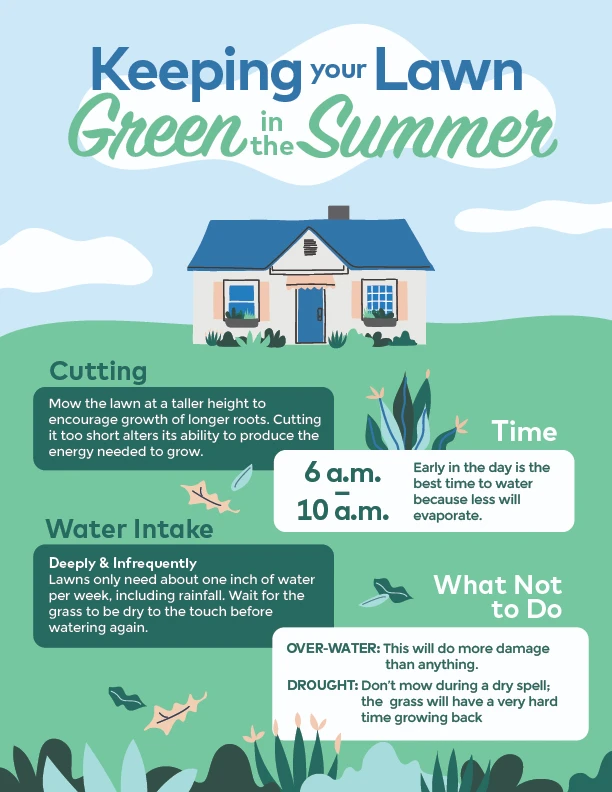
Without a doubt, the early morning—between 4 AM and 9 AM—represents the optimal window for watering your lawn. During these hours, several factors align to provide maximum efficiency:
-
Minimal Evaporation: Temperatures are typically at their lowest, and winds are usually calmest, significantly reducing evaporative losses. Almost all the water applied penetrates the soil, reaching the roots.
-
Adequate Drying Time: Watering in the early morning allows the grass blades to dry completely as the sun rises, before nightfall. This is critical for preventing fungal diseases that thrive in prolonged damp conditions, thus saving you from the expense of fungicides or turf replacement.
-
Root Absorption: The cooler soil temperature allows water to percolate effectively to the root zone before the heat of the day can cause rapid surface drying. This encourages deep root growth, fostering a more resilient lawn that demands less frequent watering in the long run. By choosing this window, you get the absolute best return on your water investment.
Late Evening: A Secondary, Cautious Approach
While early morning is superior, late evening—typically between 6 PM and 9 PM—can serve as a secondary option, though with more caution.
-
Reduced Evaporation: Temperatures are cooling down, and winds often subside, leading to lower evaporation rates compared to midday.
-
Potential for Disease: The primary drawback of late evening watering is that it leaves the grass wet for an extended period overnight. If you must water in the evening, ensure it’s early enough (e.g., before 9 PM) to allow surface moisture to evaporate before midnight. Even so, lawns in humid climates or those prone to fungal issues should ideally avoid evening watering. If this is your only option, ensure you are watering deeply but infrequently to minimize the duration of leaf wetness and monitor for signs of disease, which could incur future treatment costs.
When to Absolutely Avoid Watering (and Why it Costs You)
Knowing when not to water is as important as knowing when to. Watering at specific times is not only inefficient but actively detrimental to your lawn and your finances.
-
Midday (10 AM – 4 PM): This is the worst time to water. High temperatures, intense sunlight, and increased wind speeds mean evaporation rates are at their peak. Up to 50% of the water applied can be lost before it even reaches the roots. This is pure financial waste, doubling your effective water cost.
-
Overnight (after 9 PM): While evaporation is low, leaving grass wet for the entire night creates a perfect breeding ground for fungal diseases. These diseases can quickly decimate sections of your lawn, leading to significant expenses for treatments, repair, or replacement. The short-term savings on evaporation are quickly overshadowed by the potential long-term financial burden of disease management. Avoiding these periods is a critical money-saving strategy.
Smart Watering Strategies for the Fiscally Prudent Homeowner
Optimizing watering time is just one piece of the puzzle. Integrating smart strategies ensures sustained financial efficiency and a consistently healthy lawn. These strategies empower you to make data-driven decisions that impact your budget positively.
Investing in Smarter Irrigation: Long-Term Savings
While an initial outlay, investing in smart irrigation systems can lead to substantial long-term financial savings. These systems, equipped with rain sensors, soil moisture sensors, and weather-based controllers, automatically adjust watering schedules based on real-time conditions. They prevent unnecessary watering after rainfall, reduce water application during cool periods, and ensure water is delivered only when and where it’s needed most. Some studies show these systems can reduce outdoor water use by 30-50%. The upfront cost of installation is quickly recouped through drastically reduced water bills, often within a few seasons, making them a wise investment for any homeowner committed to financial prudence and property value.
Tailoring to Your Turf: Soil Type and Grass Variety
Not all lawns are created equal, and a one-size-fits-all watering approach is rarely financially efficient.
-
Soil Type: Sandy soils drain quickly and require more frequent, lighter watering. Clay soils retain water longer and need less frequent, deeper watering. Understanding your soil type prevents both overwatering (wasting water) and underwatering (damaging the lawn).
-
Grass Variety: Different grass types (e.g., Bermuda, Zoysia, Fescue) have varying water requirements. Warm-season grasses generally tolerate drought better than cool-season grasses. Researching your specific turfgrass type allows you to tailor watering schedules precisely, avoiding wasteful application for resilient varieties or insufficient hydration for thirsty ones, ultimately optimizing resource use and avoiding costly turf replacement.
Seasonal Adjustments: Dynamic Financial Planning for Your Lawn
The amount of water your lawn needs changes dramatically with the seasons. A financially savvy approach dictates adjusting your watering schedule dynamically:
-
Spring: As grass emerges from dormancy, water needs are moderate.
-
Summer: Peak heat and growth demand the most water, but always during the golden hours.
-
Fall: As temperatures drop and growth slows, reduce watering frequency and duration significantly.
-
Winter: In many regions, dormant lawns require minimal to no watering.
Failing to adjust seasonally leads to either overwatering (wasting money) or underwatering (stressing the lawn and potentially incurring future costs). Regularly reassessing and adapting your watering plan is a fundamental aspect of efficient financial management for your landscape.
Beyond the Water Bill: Broader Financial Implications
The financial benefits of proper lawn watering extend far beyond the immediate reduction in your utility bill. It touches upon the broader financial health and investment value of your entire property.
Enhancing Curb Appeal: A Boost to Property Value
As previously mentioned, a meticulously maintained lawn is a significant asset when it comes to property value. Imagine two identical homes on the market: one with a vibrant, healthy lawn and another with patchy, struggling turf. The former will command higher interest, potentially lead to quicker sales, and often fetch a better price. Effective watering contributes directly to this aesthetic advantage, ensuring your home stands out positively. This isn’t just about avoiding a penalty for poor landscaping; it’s about actively increasing the perceived and actual value of your real estate investment, providing a substantial return on your diligent lawn care.
Reducing Chemical Dependency: Saving on Fertilizers and Pesticides
A healthy, deeply rooted lawn that receives optimal watering is naturally more robust and less susceptible to common issues that require chemical interventions. When grass is stressed due by improper watering, it becomes weaker and more vulnerable to weeds, insect pests, and diseases. This often prompts homeowners to spend money on expensive fertilizers to revive growth or pesticides and herbicides to combat infestations. By consistently watering correctly, you foster a resilient ecosystem that can often outcompete weeds and resist pests naturally, thereby reducing or even eliminating the need for costly chemical applications. This translates into tangible savings on product purchases and application services, promoting both financial and environmental health.

The Peace of Mind Dividend: Avoiding Costly Regrets
Finally, there there is the often-overlooked financial benefit of peace of mind. Knowing that you are efficiently managing your resources, keeping your lawn healthy, and protecting your property investment brings a significant, albeit intangible, dividend. Avoiding the stress, time, and unexpected expenses associated with a dying lawn, failed landscaping, or exorbitant utility bills allows you to allocate your financial resources and mental energy to other priorities. A well-watered, thriving lawn, managed with financial prudence, becomes a source of pride and enjoyment, rather than a recurring source of concern and unbudgeted expense.
In conclusion, the simple question of “what is the best time of day to water your lawn” unravels a complex web of financial implications. By embracing the golden hours of early morning, understanding the science of water efficiency, and implementing smart watering strategies, homeowners can transform a mundane chore into a powerful tool for personal finance, property asset management, and long-term savings. Your lawn isn’t just grass; it’s an integral part of your financial landscape.
aViewFromTheCave is a participant in the Amazon Services LLC Associates Program, an affiliate advertising program designed to provide a means for sites to earn advertising fees by advertising and linking to Amazon.com. Amazon, the Amazon logo, AmazonSupply, and the AmazonSupply logo are trademarks of Amazon.com, Inc. or its affiliates. As an Amazon Associate we earn affiliate commissions from qualifying purchases.