
In an increasingly dynamic and competitive food and beverage landscape, the emergence of novel products demands a profound understanding of brand strategy, market positioning, and consumer perception. The question, “what is banana milk,” transcends a mere inquiry into ingredients; it opens a window into the intricate process of defining a new product category, carving out a unique market niche, and building a resonant brand identity from the ground up. This article delves into the strategic considerations behind introducing and establishing banana milk within the consumer consciousness, examining how branding principles dictate its journey from concept to market staple.

The proliferation of plant-based alternatives has reshaped consumer expectations, moving beyond simple dairy substitutes to a demand for variety, functionality, and compelling narratives. Banana milk, while not yet as ubiquitous as oat or almond milk, represents an intriguing case study in branding innovation. Its success hinges not just on its taste or nutritional profile, but on how effectively brands can communicate its unique value proposition, differentiate it from existing options, and forge an emotional connection with discerning consumers. Understanding “what is banana milk” thus becomes an exercise in decoding its brand essence—its purpose, promise, and personality in the crowded marketplace.
Defining a Novel Product Category: The Essence of Banana Milk
The initial step in bringing any new product to market is a precise definition of its identity. For banana milk, this involves articulating its fundamental characteristics in a way that resonates with target consumers while distinguishing it from a plethora of alternatives. This foundational understanding forms the bedrock upon which all subsequent brand strategies are built.
Ingredients, Process, and Nutritional Profile: Communicating Brand Integrity
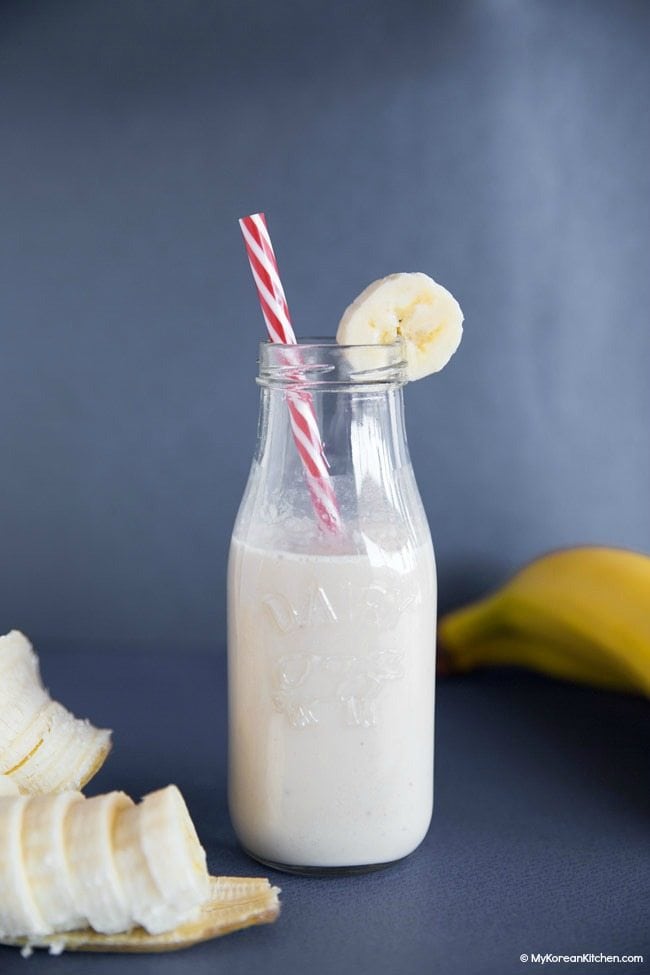
At its core, banana milk typically involves blending ripe bananas with water and often other ingredients like plant-based milk (e.g., oat or almond), sweeteners, and stabilizers. From a branding perspective, the transparency and integrity of these components are paramount. Brands must decide how to feature their ingredients—emphasizing naturalness, specific sourcing (e.g., organic, fair trade), or innovative processing methods. For instance, highlighting the use of ‘upcycled’ bananas can appeal to environmentally conscious consumers, transforming a potential waste product into a story of sustainability.
The nutritional profile—whether positioned as a source of potassium, a naturally sweet alternative, or a dairy-free option—becomes a key brand message. Is it a post-workout recovery drink, a breakfast staple, or a healthy snack? The narrative around its nutritional benefits must be clear, consistent, and aligned with the brand’s overall promise. This communication strategy directly influences how consumers perceive its value and utility, moving it beyond a simple beverage to a solution for specific dietary or lifestyle needs.
Sensory Experience and Consumer Appeal: Crafting the Brand Promise
The sensory experience of banana milk is a critical component of its brand appeal. Its unique flavor profile—naturally sweet, often creamy, and distinctly banana-forward—is its primary differentiator. Brands must carefully calibrate this experience, ensuring it is consistently delightful and aligns with consumer expectations. Is the goal a bold, intense banana flavor, or a subtle, nuanced one? The texture, aroma, and aftertaste all contribute to the overall brand experience.
Consumer appeal extends beyond taste to include the emotional connection. For some, banana milk might evoke nostalgia for childhood flavors; for others, it might represent an adventurous new taste discovery. Brands can tap into these sentiments through evocative language and imagery in their marketing, positioning banana milk not just as a drink, but as an experience—a moment of comfort, an energy boost, or a guilt-free indulgence. The brand promise, therefore, becomes a blend of sensory satisfaction and emotional fulfillment, carefully crafted to resonate with the target demographic.
Differentiating from Traditional and Plant-Based Alternatives: Unique Selling Proposition
The beverage market is saturated with options, from traditional dairy to established plant-based milks like almond, soy, and oat, and emerging contenders like potato or pea milk. For banana milk to thrive, brands must articulate a clear and compelling Unique Selling Proposition (USP). What makes it unequivocally better or different from the myriad of choices available?
This differentiation strategy could hinge on several factors:
-
Flavor Profile: Emphasizing its distinct, natural sweetness and creamy texture, making it a standalone treat rather than just a substitute.
-
Nutritional Advantages: Highlighting specific nutrients like potassium or emphasizing its naturally occurring sugars as opposed to added ones in some alternatives.
-
Sustainability Story: If bananas are sourced ethically or imperfect bananas are utilized, this can be a powerful differentiator for eco-conscious consumers.
-
Allergen-Friendly: Positioning it as a suitable option for those with nut, soy, or gluten allergies, broadening its appeal.
By clearly defining its unique attributes, brands can position banana milk as a deliberate choice rather than just another option, cultivating a distinct brand identity that stands out in a crowded marketplace.
Strategic Positioning in a Saturated Beverage Market
Effective brand positioning is crucial for banana milk to secure a meaningful foothold. It involves strategically placing the product in the minds of consumers relative to competing offerings, identifying its most lucrative niche, and tailoring messaging to resonate with the chosen audience.
Identifying the Niche: Health, Flavor, or Sustainability
A brand cannot be everything to everyone. For banana milk, identifying its primary niche is a foundational strategic decision. Is it aiming to be:
-
The Health-Conscious Choice: Targeting consumers seeking natural energy, specific vitamins, or a low-calorie dairy alternative. The branding would emphasize nutritional facts, natural ingredients, and functional benefits.
-
The Flavor-Forward Indulgence: Positioning it as a delicious, naturally sweet treat for those prioritizing taste and enjoyment. This approach might leverage sensory descriptions, dessert-like associations, and focus on the pleasure of consumption.
-
The Sustainable/Ethical Option: Appealing to consumers concerned with environmental impact, fair trade practices, or reducing food waste. The brand narrative would highlight sourcing, production transparency, and ecological benefits.
Each niche requires a distinct brand voice, visual identity, and marketing focus. A brand might weave multiple themes, but one primary niche should guide its core positioning to avoid diluting its message and confusing consumers.
Target Audience Analysis: Who is Banana Milk For?
Understanding the target audience is paramount for effective positioning. Is it primarily for children seeking a fun, healthy drink? Athletes looking for natural electrolytes? Vegans and vegetarians seeking new plant-based options? Or individuals simply curious about novel flavors?
Developing detailed consumer personas—complete with demographics, psychographics, lifestyle choices, and purchasing motivations—allows brands to tailor every aspect of their strategy. For instance, if the target is environmentally conscious millennials, the branding might emphasize minimalist design, digital-first marketing, and a strong sustainability narrative. If it’s parents seeking healthy options for children, the branding might focus on fun, natural sweetness, and nutritional benefits for growth. This specificity ensures marketing efforts are precise and yield maximum impact, fostering a strong brand connection with the intended consumer base.
Pricing Strategies and Perceived Value
Pricing is a critical element of brand positioning, signaling perceived value and exclusivity. Banana milk can be positioned as a premium product, justifying a higher price point through superior ingredients, unique flavor, sustainable practices, or artisanal production. Alternatively, it could aim for a more accessible mass-market position, competing on volume and affordability.
The chosen pricing strategy must align with the brand’s overall identity. A premium price point, for example, demands premium packaging, an elevated brand story, and a flawless product experience. Conversely, an accessible price point requires efficient production, wide distribution, and a message of everyday enjoyment. Consumers draw conclusions about a brand’s quality and positioning based on its price, making this a crucial decision in the brand’s strategic framework.
Crafting a Compelling Brand Identity for Banana Milk
Beyond the product itself, a brand’s identity is its outward expression—the visual, verbal, and experiential cues that differentiate it and create recognition. For banana milk, a compelling brand identity is essential for standing out and building lasting consumer relationships.
Naming Conventions and Visual Branding
The name of a banana milk brand is its first and most memorable touchpoint. Should it be straightforward (“Banana Milk Co.”), playful (“Bananasaurus Milk”), or sophisticated (“Pure Banane Elixir”)? The name should be easy to pronounce, memorable, and reflective of the brand’s personality and positioning.
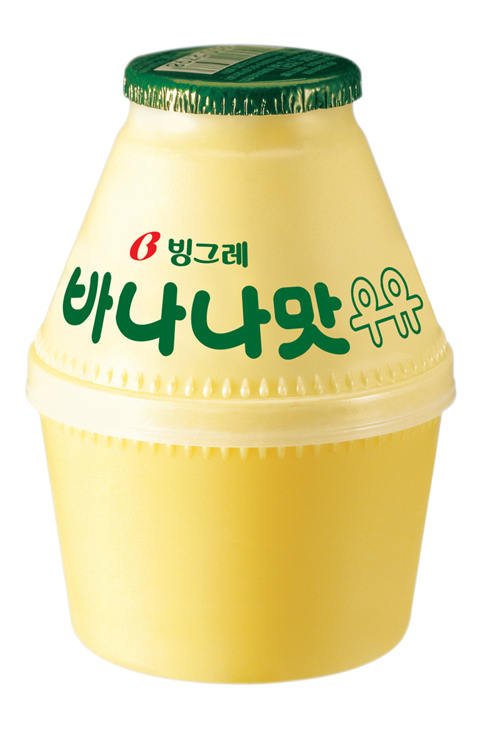
Visual branding, encompassing the logo, color palette, typography, and packaging design, brings the brand to life. For banana milk, visual elements can evoke freshness, naturalness, health, or even fun. Yellows and greens might dominate the color scheme, while imagery could feature ripe bananas, lush tropical landscapes, or playful character designs. Packaging is particularly vital; it must protect the product, communicate key brand messages at a glance, and stand out on a crowded shelf. A minimalist design might suggest purity and sophistication, while a vibrant, illustrative design could target a younger demographic.
Storytelling and Brand Narratives
Consumers today seek authenticity and connection. A powerful brand narrative can transform banana milk from a mere beverage into a product with purpose and personality. This storytelling can cover:
-
Origin Story: How the idea for banana milk came about, perhaps from a personal journey, a desire to solve a problem (e.g., food waste), or a passion for natural ingredients.
-
Ingredient Story: Detailing where the bananas come from, the care in their cultivation, or the sustainable practices involved.
-
Benefit-Driven Narratives: Instead of just listing nutrients, telling stories about how banana milk enhances a consumer’s day—providing a healthy start, a moment of calm, or the energy for an adventure.
By crafting compelling narratives, brands can imbue banana milk with meaning, fostering an emotional bond with consumers that goes beyond functional benefits. This deepens brand loyalty and encourages advocacy.
Building Brand Loyalty and Community
True brand success is measured not just by sales, but by the loyalty and advocacy of its customer base. For banana milk, building a community around the brand can be transformative. This involves:
-
Consistent Brand Experience: Ensuring every interaction with the brand, from the product itself to customer service, reflects its core values and personality.
-
Engagement Strategies: Utilizing social media, newsletters, and events to create dialogue, gather feedback, and make consumers feel like part of a larger movement.
-
Brand Ambassadors: Identifying and collaborating with influencers, dietitians, or everyday consumers who genuinely love the product and can authentically share their experiences.
By fostering a sense of belonging and shared values, brands can cultivate a loyal community that not only repeatedly purchases banana milk but also champions it to others, becoming its most effective marketing force.
Marketing and Communication in the Digital Age
The digital landscape offers unprecedented opportunities for banana milk brands to connect with consumers, tell their stories, and drive engagement. Effective marketing and communication strategies are essential for awareness, conversion, and sustained growth.
Leveraging Digital Platforms: Social Media, Influencers, and Content Marketing
For a novel product like banana milk, digital platforms are invaluable for education and discovery.
-
Social Media: Platforms like Instagram, TikTok, and Pinterest are ideal for visually rich content that showcases the product’s appeal, versatility (e.g., in smoothies, recipes), and lifestyle alignment. Engaging with user-generated content, running contests, and utilizing relevant hashtags can expand reach.
-
Influencer Marketing: Collaborating with food bloggers, health and wellness influencers, or even niche content creators can introduce banana milk to new audiences through authentic endorsements and relatable content. The key is to partner with influencers whose values align with the brand’s and whose audience matches the target demographic.
-
Content Marketing: Developing blog posts, recipe videos, and educational articles about the benefits of bananas, plant-based diets, or sustainable food choices can establish the brand as a thought leader and attract consumers searching for relevant information. This builds credibility and trust, positioning banana milk as a conscious choice.
Experiential Marketing and In-Store Presence
While digital is crucial, physical touchpoints remain vital.
-
Experiential Marketing: Pop-up events, sampling stations at farmers’ markets, or collaborations with cafes can offer consumers a direct, sensory experience with banana milk. First-hand taste experiences can be incredibly powerful for converting curiosity into purchase.
-
In-Store Presence: Eye-catching packaging, clear shelf placement, and compelling point-of-sale materials are essential for capturing attention in grocery aisles. Merchandising strategies can draw parallels with other popular plant-based milks or place banana milk in innovative sections, guiding consumers’ perceptions.
Crisis Management and Brand Reputation
In the fast-paced digital era, brand reputation can be built or damaged in an instant. For a food product, issues like product recalls, ingredient concerns, or negative customer experiences can spread rapidly. Brands must have a robust crisis management plan that includes:
-
Transparency: Openly communicating about any issues, demonstrating accountability, and outlining corrective actions.
-
Responsiveness: Quickly addressing consumer complaints or negative feedback on social media and other channels.
-
Consistency: Ensuring all communications align with the brand’s core values and maintain its established tone of voice.
Proactive monitoring of online sentiment and a commitment to genuine customer service are crucial for maintaining trust and protecting the banana milk brand’s reputation.
The Future of Banana Milk: Innovation and Market Expansion
The long-term success of banana milk, like any product, hinges on a brand’s ability to innovate, adapt, and strategically expand its reach. This forward-looking perspective ensures continued relevance and growth in an ever-evolving market.
Product Diversification and Flavor Extensions
Initial success often paves the way for product diversification. Brands might explore:
-
Flavor Extensions: Introducing variations like chocolate banana milk, strawberry banana, or spiced banana milk (e.g., with cinnamon or nutmeg) to cater to diverse taste preferences and seasonal demands.
-
Different Formats: Offering banana milk in different sizes (single-serve, family packs), or even incorporating it into other products like yogurts, ice creams, or baked goods, thus extending the brand’s presence across multiple categories.
-
Functional Variations: Developing versions with added protein, probiotics, or adaptogens to appeal to specific health and wellness trends, positioning banana milk as a functional beverage.
Each diversification must be carefully evaluated to ensure it aligns with the core brand identity and does not dilute its original promise.
Global Market Potential and Cultural Adaptation
The appeal of bananas is global, suggesting significant international market potential for banana milk. However, global expansion requires careful cultural adaptation:
-
Taste Preferences: Adjusting sweetness levels or flavor profiles to suit regional palates.
-
Packaging and Language: Localizing packaging design and ensuring all textual content is culturally appropriate and linguistically accurate.
-
Distribution Channels: Understanding local retail landscapes and forming strategic partnerships for effective market entry.
-
Regulatory Compliance: Navigating different food safety and labeling regulations across countries.
A successful global strategy for banana milk would involve thorough market research and a willingness to adapt brand messaging and product attributes to resonate with diverse consumer segments while maintaining the essence of the core brand.
Sustainability and Ethical Sourcing as Brand Pillars
As consumer awareness of environmental and social issues grows, sustainability and ethical sourcing are no longer just marketing buzzwords but fundamental brand pillars. For banana milk, this means:
-
Responsible Sourcing: Ensuring bananas are sourced from farms that adhere to fair labor practices and environmentally sound cultivation methods. Certifications like Fair Trade or Rainforest Alliance can be powerful brand assets.
-
Packaging Innovation: Exploring sustainable packaging solutions, such as recyclable materials, compostable options, or reduced plastic usage, to minimize environmental footprint.
-
Waste Reduction: Highlighting how the brand contributes to reducing food waste, perhaps by utilizing ‘ugly’ bananas that might otherwise be discarded.
Integrating these values into the brand’s DNA and communicating them transparently can build profound trust and loyalty, appealing to the growing segment of consumers who vote with their wallets for brands that align with their ethical convictions.
In conclusion, “what is banana milk” is far more than a simple product definition. It’s an invitation to explore the intricate world of brand development, from carving a niche in a crowded market and defining a unique identity to leveraging modern communication channels and planning for sustainable growth. For banana milk to truly flourish, brands must strategically answer this question, not just for themselves, but compellingly for the global consumer.
aViewFromTheCave is a participant in the Amazon Services LLC Associates Program, an affiliate advertising program designed to provide a means for sites to earn advertising fees by advertising and linking to Amazon.com. Amazon, the Amazon logo, AmazonSupply, and the AmazonSupply logo are trademarks of Amazon.com, Inc. or its affiliates. As an Amazon Associate we earn affiliate commissions from qualifying purchases.