
In an era defined by rapid technological advancement, the term “applied sciences” stands as a cornerstone, often operating behind the scenes, yet shaping virtually every innovation we encounter. From the smartphones in our pockets to the AI-driven systems optimizing global logistics, the practical application of scientific knowledge is the engine of modern progress. At its heart, applied sciences represent the critical bridge connecting abstract scientific theories and discoveries with tangible, real-world solutions. It’s the domain where hypotheses are tested against practical challenges, and where theoretical understanding is transformed into functional technologies, tools, and systems that directly address human needs and improve quality of life.
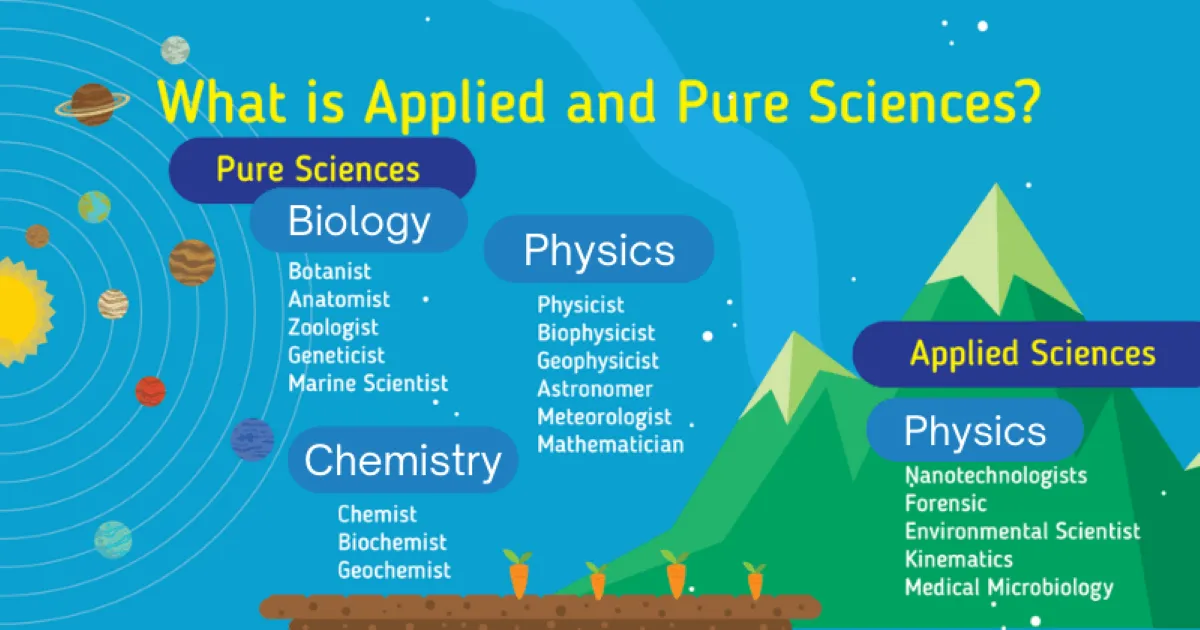
Unlike pure or fundamental sciences, which primarily seek to expand our understanding of the natural world without immediate practical goals, applied sciences are inherently problem-driven and solution-oriented. They leverage the foundational insights provided by physics, chemistry, biology, mathematics, and computer science, translating them into innovations that can be engineered, manufactured, and deployed. This distinction is crucial for understanding the dynamic role applied sciences play in accelerating technological development, driving industrial innovation, and laying the groundwork for the technologies of tomorrow. It’s a field characterized by its practicality, ingenuity, and a relentless pursuit of efficacy, making it indispensable to the tech landscape.
Bridging Theory and Innovation: The Core of Applied Sciences
The fundamental essence of applied sciences lies in its unique position at the intersection of discovery and utility. It’s where the “what if” of theoretical inquiry meets the “how to” of practical application, giving rise to an endless cycle of innovation that defines our technological age.
From Fundamental Principles to Practical Solutions
Every technological breakthrough, no matter how sophisticated, can often trace its lineage back to a fundamental scientific principle. The invention of the transistor, for instance, a bedrock of modern electronics, wasn’t just a random discovery; it was the result of applied physics, translating quantum mechanics into a practical semiconductor device. Similarly, the entire field of computer science, which underpins all software and AI, stems from applied mathematics and logic. Applied scientists take these abstract understandings—laws of motion, principles of electromagnetism, genetic codes—and meticulously engineer ways to harness them. They ask: “How can we use this knowledge to solve a specific problem or create a new capability?” This question drives the iterative process of research, experimentation, design, and refinement, ultimately leading to functional technologies that impact daily life and industrial processes. Without this translation, many profound scientific discoveries would remain confined to academic papers and laboratories, never realizing their potential to transform society.
The Interdisciplinary Nature of Applied Science
One of the most defining characteristics of applied sciences, especially in the context of technology, is its inherent interdisciplinarity. Few modern technological challenges can be solved by a single field alone. Developing a new generation of smart devices might require expertise in electrical engineering for circuit design, materials science for durable and efficient components, computer science for software and operating systems, and even psychology for user interface design. Applied scientists often operate at the confluence of multiple disciplines, drawing insights and methodologies from diverse areas to construct comprehensive solutions. This cross-pollination of knowledge fosters a rich environment for innovation, breaking down traditional academic silos and encouraging collaborative problem-solving. It’s this collaborative spirit that allows for the creation of complex systems—like autonomous vehicles, advanced medical imaging, or global communication networks—that integrate numerous technological facets into a coherent whole.
Driving Technological Progress
The relentless march of technological progress is inextricably linked to the work of applied scientists. They are the architects of innovation, transforming nascent ideas into tangible products and services. When a new scientific discovery emerges, applied scientists are quick to explore its potential applications, often initiating extensive research and development (R&D) efforts. This drive extends beyond creating entirely new technologies; it also encompasses the continuous improvement and optimization of existing ones. For example, while the basic principles of aerodynamics have been known for centuries, applied aerospace engineering constantly refines aircraft design for greater fuel efficiency, speed, and safety. In the realm of digital technology, applied computer science and software engineering are perpetually innovating algorithms and programming paradigms to make computers faster, more intelligent, and more capable. This ongoing cycle of innovation, driven by applied sciences, ensures that technology doesn’t stagnate but continually evolves, meeting new demands and opening up unprecedented possibilities.
Key Disciplines and Their Technological Impact
The broad umbrella of applied sciences encompasses a multitude of specialized fields, each contributing uniquely to the technological landscape. Understanding these key disciplines reveals the intricate web of expertise that fuels modern innovation.
Engineering: The Cornerstone of Applied Tech
Engineering stands as perhaps the most prominent and direct application of scientific principles to practical problems. It is the discipline concerned with the design, building, and use of engines, machines, and structures. All forms of engineering are inherently applied sciences, translating physics, chemistry, and mathematics into functional creations.
Software Engineering and Digital Infrastructure
Software engineering is critical to the digital world. It applies systematic, disciplined, quantifiable approaches to the development, operation, and maintenance of software. From operating systems and productivity applications to complex cloud infrastructures and embedded systems in IoT devices, software engineers translate abstract computational theories into robust, reliable, and scalable digital solutions. Their work directly enables the functionality of all modern technology, from personal computers to global networks.
Electrical Engineering and Modern Electronics
Electrical engineering is foundational to almost all modern technology. It deals with the study and application of electricity, electronics, and electromagnetism. This includes the design of electronic circuits, power systems, telecommunication systems, and the microprocessors that power every digital device. Without advancements in electrical engineering, breakthroughs in computing, communication, and automation would be impossible.
Mechanical Engineering and Physical Systems
Mechanical engineering focuses on the design, analysis, manufacturing, and maintenance of mechanical systems. This vast field underpins everything from automotive design and robotics to HVAC systems and advanced manufacturing processes. Mechanical engineers apply principles of motion, energy, and force to create efficient and functional physical technologies that interact with the world around us.
Computer Science and Information Technology
While often considered a pure science in its theoretical aspects, computer science is profoundly applied. It involves the study of computation and information, including algorithmic processes, computational machines, and the theoretical foundations of information. Its applied dimensions are vast, leading directly to the development of software, programming languages, artificial intelligence, cybersecurity protocols, and network architectures. Information Technology (IT) is the direct practical application of computer science to manage and process information, covering areas like data management, network administration, and system integration, forming the backbone of all digital operations in businesses and governments.
Material Science and Nanotechnology
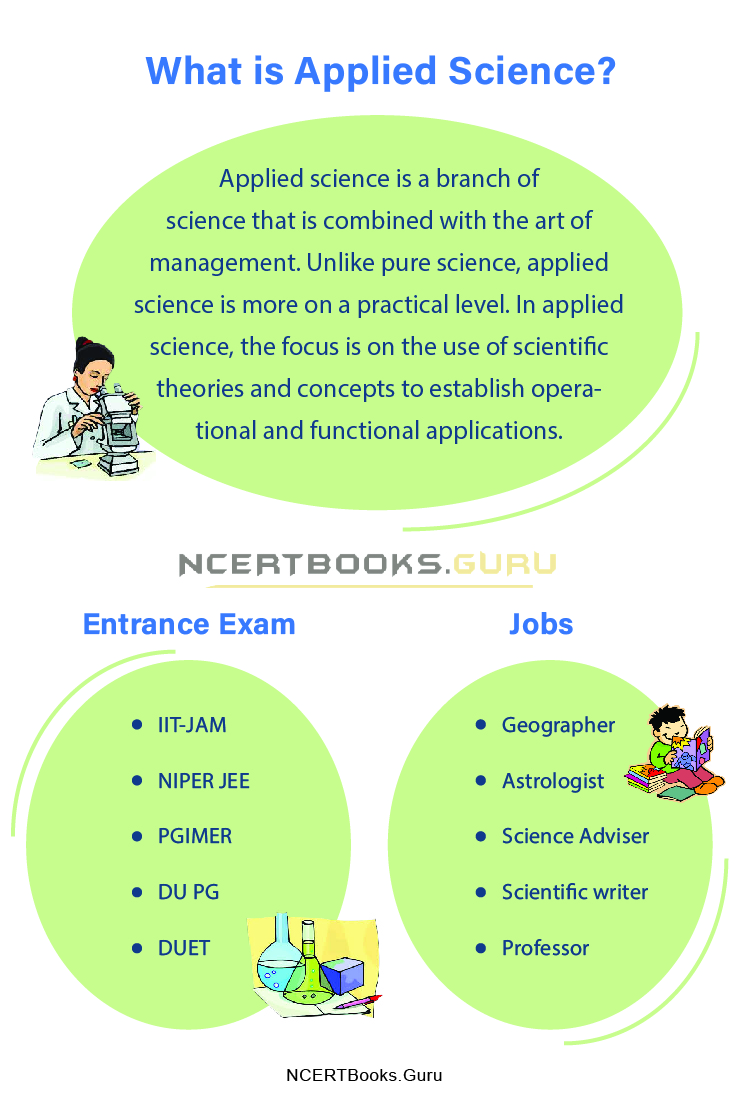
Material science is an interdisciplinary field that investigates the relationship between the structure and properties of materials. Applied material scientists develop new materials or improve existing ones with specific characteristics for technological applications. This includes everything from stronger alloys for aerospace components and lighter composites for electric vehicles to advanced semiconductors and biocompatible materials for medical implants. Nanotechnology, a sub-discipline, focuses on manipulating matter on an atomic and molecular scale. Applied nanotechnology leads to innovations like more efficient solar cells, ultra-small sensors, advanced drug delivery systems, and revolutionary electronic components, pushing the boundaries of what is physically possible in tech.
Biomedical Engineering and Healthcare Tech
Biomedical engineering applies engineering principles and design concepts to medicine and biology for healthcare purposes. This highly interdisciplinary field integrates physical, chemical, mathematical, and computer sciences with engineering principles to develop innovative technologies that improve human health. This includes the creation of prosthetic limbs, medical imaging equipment (MRI, CT scans), diagnostic tools, therapeutic devices, surgical robots, and advanced drug delivery systems. Applied biomedical science is at the forefront of personalized medicine, health monitoring devices, and life-saving medical technology.
Applied Sciences in the Modern Technological Landscape
The dynamic interplay of applied sciences is nowhere more evident than in the rapid evolution of contemporary technology. From intelligent algorithms to sustainable energy solutions, applied science is the driving force.
Fueling AI, Machine Learning, and Data Science
The explosion of Artificial Intelligence (AI) and Machine Learning (ML) is a direct testament to the power of applied sciences. While the theoretical underpinnings of AI trace back decades to pure mathematics and logic, their practical realization in tools like natural language processing, computer vision, and predictive analytics is the work of applied computer science, statistics, and engineering. Data science, another rapidly expanding field, combines statistical analysis, computer science, and domain expertise to extract insights and knowledge from data. Applied data scientists develop algorithms that power recommendation engines, optimize business processes, and enable complex decision-making, transforming raw data into actionable intelligence.
Advancing Robotics and Automation
Robotics and automation represent a pinnacle of interdisciplinary applied science. The creation of a sophisticated robot requires a synthesis of mechanical engineering for its physical structure, electrical engineering for its power and control systems, computer science for its programming and AI, and materials science for its components. Applied robotics engineers design, build, and program robots to perform tasks autonomously, ranging from industrial manufacturing and surgical assistance to exploration in hazardous environments and domestic tasks. Automation, enabled by these robotic systems and intelligent software, is revolutionizing industries, enhancing efficiency, and redefining human-machine interaction.
Shaping Connectivity: IoT and Telecommunications
The Internet of Things (IoT) and advanced telecommunications networks are profoundly shaped by applied sciences. IoT devices, from smart home appliances to industrial sensors, require applied electrical engineering for miniaturized, efficient hardware; applied computer science for their embedded software and network protocols; and data science for processing the vast amounts of generated data. Telecommunications engineering, a specialized form of electrical engineering, constantly innovates to build faster, more reliable, and more secure communication networks (like 5G and beyond), enabling instantaneous global connectivity and powering the vast ecosystem of digital services that define modern life.
Powering Sustainable Technology and Green Solutions
Applied sciences are crucial for addressing global challenges, particularly in the realm of environmental sustainability. Renewable energy technologies, such as advanced solar panels, efficient wind turbines, and next-generation battery storage systems, are products of applied physics, materials science, and chemical engineering. Environmental engineering applies scientific principles to improve environmental quality, manage waste, and develop sustainable infrastructure. From carbon capture technologies to smart grids and sustainable manufacturing processes, applied scientists are at the forefront of developing the green solutions necessary to mitigate climate change and foster a more sustainable future.
The Impact and Future of Applied Sciences
The pervasive influence of applied sciences is undeniable, driving not just technological advancement but also shaping economies, societies, and our very way of life. Its future promises even more profound transformations.
Solving Real-World Problems Through Innovation
At its core, applied sciences exist to solve problems. Whether it’s developing vaccines for diseases (applied biology/biomedical engineering), designing earthquake-resistant buildings (civil/structural engineering), creating communication tools that transcend geographical barriers (telecommunications engineering), or building AI systems that optimize energy consumption, the focus is always on practical utility. This problem-solving approach directly translates into tangible benefits for humanity, improving health outcomes, enhancing safety, increasing productivity, and enriching personal experiences. The continuous quest to address new challenges, from climate change to resource scarcity, ensures that applied sciences will remain a critical engine for human progress.
Fostering Economic Growth and Industry Evolution
The innovations born from applied sciences are direct catalysts for economic growth. New technologies create entirely new industries, generate jobs, and foster competition, leading to increased productivity and prosperity. The digital revolution, powered by applied computer science and engineering, has spawned a trillion-dollar software industry, global e-commerce platforms, and a vast ecosystem of tech startups. Advancements in materials science drive innovation in manufacturing, while breakthroughs in biomedical engineering fuel the burgeoning healthcare technology sector. Countries and regions that invest heavily in applied science research and development often become global leaders in technology and innovation, attracting talent and investment, and positioning themselves at the forefront of the global economy.

Preparing for Tomorrow’s Technological Challenges
Looking ahead, the scope and complexity of technological challenges will only grow, underscoring the indispensable role of applied sciences. Issues like data privacy and security in an interconnected world, the ethical implications of advanced AI, the need for sustainable resource management, and the development of resilient infrastructure in the face of environmental changes all demand sophisticated, scientifically grounded solutions. Applied scientists are already working on quantum computing, advanced robotics for space exploration, personalized medicine based on genomic data, and revolutionary energy storage solutions. Their work will be critical in navigating the complexities of emerging technologies and ensuring that future innovations are not only powerful but also responsible, equitable, and beneficial for all of humanity. The future of technology, and indeed our world, will be largely defined by the continued ingenuity and dedication of applied scientists.
aViewFromTheCave is a participant in the Amazon Services LLC Associates Program, an affiliate advertising program designed to provide a means for sites to earn advertising fees by advertising and linking to Amazon.com. Amazon, the Amazon logo, AmazonSupply, and the AmazonSupply logo are trademarks of Amazon.com, Inc. or its affiliates. As an Amazon Associate we earn affiliate commissions from qualifying purchases.