
A Limited Liability Company (LLC) is one of the most popular legal structures for small businesses and startups in the Lone Star State. It serves as a hybrid entity, blending the limited liability protection typically associated with a corporation with the operational flexibility and pass-through taxation of a partnership or sole proprietorship. For Texas entrepreneurs, understanding the mechanics of an LLC is the first step toward safeguarding personal assets while establishing professional credibility.
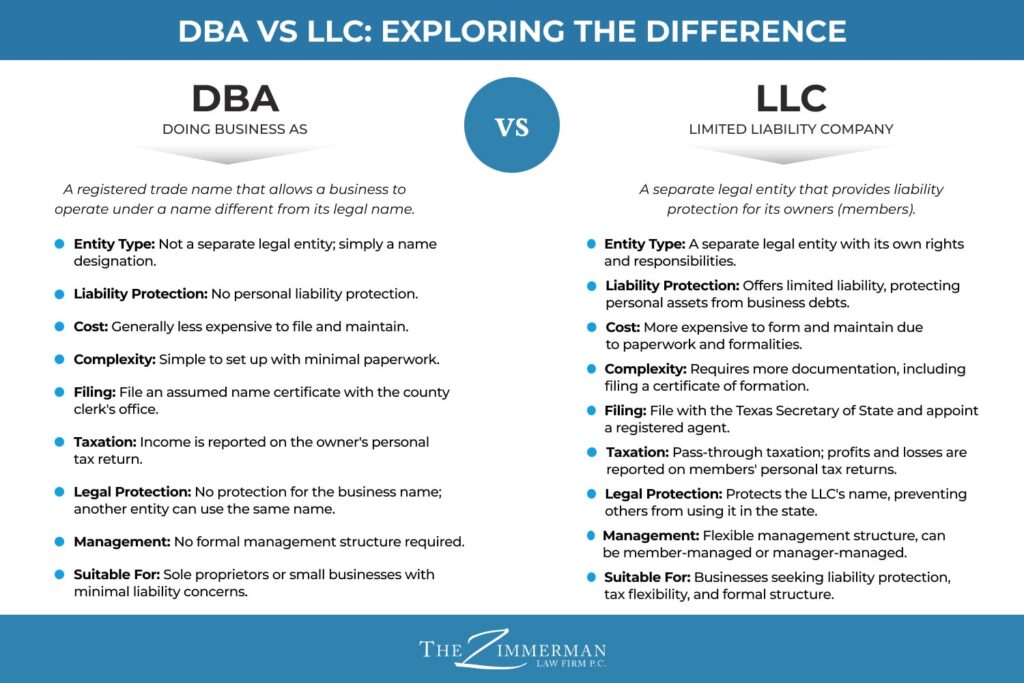
In Texas, LLCs are governed by the Texas Business Organizations Code (BOC). When you form an LLC, you are creating a legal entity that is distinct from its owners, who are referred to as members. This separation is the cornerstone of why most business owners choose this structure: if the business faces lawsuits, debts, or other financial liabilities, the personal assets of the members—such as homes, personal savings, and vehicles—are generally shielded from those claims.

Why Choose a Texas LLC for Your Business?
The decision to formalize your business as an LLC involves balancing various factors, including administrative overhead, tax implications, and asset protection. Texas is widely considered a business-friendly environment, offering unique advantages for those looking to launch or scale their operations within state lines.
Asset Protection and Liability Shield
The primary driver for forming an LLC in Texas is the “corporate veil.” In a sole proprietorship, there is no legal distinction between the owner and the business. If the business is sued or falls into significant debt, creditors can pursue the owner’s personal assets. By filing a Certificate of Formation with the Texas Secretary of State, you create a buffer. Should the business face a legal judgment or bankruptcy, the liability is generally limited to the amount the members have invested in the company, protecting their personal wealth from business-related catastrophes.
Tax Flexibility and Pass-Through Status
By default, the IRS classifies an LLC as a “pass-through” entity. This means that the company itself does not pay federal income tax. Instead, business profits and losses “pass through” to the owners’ personal tax returns. Members report their share of the profits on their Form 1040, paying income tax at their individual rates. This avoids the “double taxation” often faced by C-corporations, where profits are taxed at the corporate level and then again when distributed as dividends.
Furthermore, Texas offers a unique landscape for state-level taxes. While most states impose a state-level personal income tax, Texas does not. This can lead to significant savings for business owners. However, LLCs in Texas must be mindful of the “Franchise Tax.” While many small businesses qualify for a “no tax due” report under the state’s exemption thresholds, it remains a mandatory filing requirement for almost all LLCs operating in the state.
The Formation Process: Step-by-Step
Forming an LLC in Texas is a streamlined process compared to many other jurisdictions. It involves a series of regulatory steps that must be completed accurately to ensure the entity is recognized by the state and the IRS.
Choosing a Unique Business Name
Your name must be distinguishable from any other entity already registered with the Texas Secretary of State. You can search the SOSDirect database to ensure your desired name is available. Additionally, Texas law requires that the name of an LLC includes a designator such as “Limited Liability Company,” “Limited Company,” or an abbreviation like “LLC” or “L.L.C.”
Filing the Certificate of Formation
The official document required to launch your LLC is the Certificate of Formation (Form 205). This form requests basic information, including:
- The name of the LLC.
- The name and address of the registered agent.
- The business address.
- The names and addresses of the governing persons (the members or managers).
- A statement regarding whether the LLC will be member-managed or manager-managed.
Once the filing fee is paid and the document is processed, your LLC becomes a legal entity.
Appointing a Registered Agent
Every Texas LLC is required to have a registered agent. This individual or company is designated to receive service of process (legal documents) and official government correspondence on behalf of the business. The registered agent must be a Texas resident or a business entity authorized to transact business in Texas, and they must maintain a physical office address in the state during normal business hours.
Internal Governance: The Company Agreement
While Texas law does not strictly require an LLC to have a written Company Agreement (or Operating Agreement) on file with the state, it is considered a non-negotiable requirement for sound business management. This internal document outlines how the business is run, how decisions are made, and how profits are distributed.
Defining Roles and Responsibilities
In a multi-member LLC, internal disputes can jeopardize the viability of the company. A formal Company Agreement defines the roles of each member, the process for voting on major business decisions, and the procedure for admitting new members or handling the departure of existing ones. Without this document, you are subject to the default rules provided by the Texas Business Organizations Code, which may not align with your specific vision for the company.
Protecting Your Liability Shield
A well-drafted Company Agreement helps document that the LLC is functioning as a distinct entity. Courts often look for evidence that a business is being operated with the formality expected of an LLC. If you treat your business bank account like a personal piggy bank or fail to document business decisions, you risk “piercing the corporate veil.” Maintaining rigorous internal documentation is a proactive step in ensuring that your liability protection remains intact.
Managing Ongoing Requirements and Compliance
Starting an LLC is not a “set it and forget it” task. To remain in good standing with the state and keep your liability protections valid, you must adhere to annual or biennial obligations.
The Franchise Tax and Public Information Report
As mentioned earlier, the Texas Franchise Tax is a significant consideration. Most LLCs must file a “No Tax Due” report if their total revenue falls below the state’s annual exemption threshold (which is indexed for inflation). Failure to file this report, even if no tax is owed, can result in the loss of your right to transact business in the state and the potential forfeiture of your company’s legal status.
Maintaining Proper Financial Records
To maximize the benefits of an LLC, you must keep personal and business finances strictly separate. This means opening a dedicated business bank account and using it exclusively for business transactions. Never use business funds to pay for personal expenses, and conversely, avoid using personal funds for business costs without proper accounting and reimbursement documentation. This separation is the most important factor in preventing creditors from claiming that the LLC is merely an “alter ego” of the owners, which would negate your liability protection.

Adaptability and Growth
As your business evolves, your LLC structure can evolve with it. You can choose to be taxed as an S-Corporation or a C-Corporation if it becomes more tax-advantageous as your revenue grows. You can add partners, issue membership interests, or establish a management structure that facilitates hiring outside talent. The flexibility of the Texas LLC makes it an ideal vehicle not just for small side hustles or consulting firms, but for scalable enterprises with complex financial needs.
By understanding these fundamentals, you position yourself to leverage the legal and financial benefits of a Texas LLC effectively. Whether you are launching your first venture or expanding an existing operation, the LLC provides a robust framework for managing risk, optimizing your tax posture, and professionalizing your brand within the Texas marketplace.
aViewFromTheCave is a participant in the Amazon Services LLC Associates Program, an affiliate advertising program designed to provide a means for sites to earn advertising fees by advertising and linking to Amazon.com. Amazon, the Amazon logo, AmazonSupply, and the AmazonSupply logo are trademarks of Amazon.com, Inc. or its affiliates. As an Amazon Associate we earn affiliate commissions from qualifying purchases.