
In the vast and intricate tapestry of the natural world, adaptation is the fundamental process by which organisms evolve traits that enhance their survival and reproductive success in a specific environment. From the polar bear’s thick fur to the chameleon’s masterful camouflage, every species is a testament to the power of adaptation. Yet, this profound biological principle extends far beyond the animal kingdom. In the fiercely competitive and ever-shifting landscapes of commerce, the concept of adaptation is equally, if not more, critical for the enduring success of brands.
Just as a species must continuously evolve to withstand environmental pressures, evade predators, and secure resources, a brand must exhibit remarkable agility and foresight to navigate consumer trends, technological disruptions, and the relentless march of competitors. To ignore the imperative of adaptation is to invite obsolescence, relegating a once-vibrant entity to the fossil record of market failures. This article delves into what adaptation means in the context of branding, drawing powerful, insightful parallels from the animal kingdom to illuminate the strategies and mindset necessary for brands to not just survive, but truly flourish in the wild of modern business. We will explore how brands must learn from nature’s wisdom, embracing change as an opportunity for evolutionary growth and sustained relevance.
The Evolutionary Imperative: Why Brands Must Adapt
For any organism, failure to adapt to its environment spells extinction. The same stark reality confronts brands operating in today’s dynamic markets. Adaptation is not merely an option; it is the evolutionary imperative that dictates long-term survival and prosperity. Brands exist within complex ecosystems of consumers, competitors, technology, and culture, all of which are in constant flux. Stasis is a death sentence.
Changing Environments and Consumer Ecosystems
The “environment” for a brand is its market, and this environment is characterized by relentless change. Consumer behaviors, preferences, and values are constantly evolving, influenced by socioeconomic shifts, technological advancements, and global events. A brand that fails to monitor these shifts, to understand the migration patterns of its target audience, or to recognize new watering holes of demand, risks becoming irrelevant. Just as climate change can force animal species to alter their habitats or dietary habits, shifts in consumer demographics or purchasing power compel brands to reassess their product offerings, pricing strategies, and distribution channels. For instance, the rise of conscious consumerism has pushed many brands to adapt their supply chains and marketing messages to reflect sustainability and ethical practices, an adaptation crucial for attracting a new generation of environmentally and socially aware buyers.
Predation and Competition: The Battle for Market Share
In the natural world, every species faces predators or competitors vying for the same limited resources. In the brand ecosystem, this takes the form of aggressive competition. New startups emerge with disruptive innovations, established rivals launch improved products, and global giants muscle into local markets. A brand that remains static in the face of such “predation” will inevitably see its market share dwindle. Adaptation here means continuous innovation, differentiation, and strategic positioning. It’s about developing a unique competitive advantage—a specialized niche, a superior service, or a distinctive brand voice—that makes it harder for rivals to “prey” on your customer base. Think of how Netflix continuously adapts its content strategy and user experience to fend off new streaming services, akin to a species evolving better defenses or hunting techniques.
Resource Scarcity and Opportunity: Niche Specialization
Resources, whether food and shelter for animals or customer attention and budget for brands, are always finite. Scarcity often drives adaptation, pushing species into specialized niches where competition is less intense. Similarly, brands must adapt to capture and retain scarce resources like consumer attention, trust, and disposable income. This might involve refining a product to serve a highly specific segment (niche marketing), optimizing content for maximum digital visibility, or innovating business models to unlock new revenue streams. For example, a brand might adapt by focusing on a premium segment, thereby justifying a higher price point and appealing to consumers seeking exclusivity, much like a specialized feeder animal that thrives on a specific, less-contested food source. The ability to spot and exploit untapped market opportunities, or to adapt existing offerings to fill a newly identified gap, is a hallmark of an adaptive brand.
Morphological Adaptations: Evolving Brand Identity and Design
In biology, morphological adaptations refer to changes in an organism’s physical structure. For brands, this translates directly to the evolution of their outward presentation—their identity, design, and overall aesthetic. These “morphological” shifts are vital for communicating relevance, attracting new audiences, and reflecting internal changes.
Visual Camouflage and Distinctiveness: Logos, Color, and Aesthetics
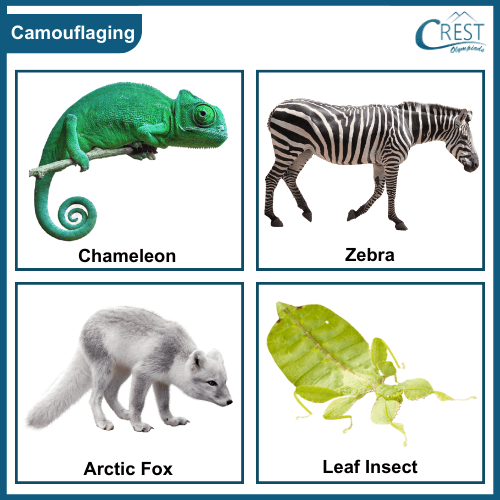
Just as a chameleon changes its skin color to blend into its surroundings or stand out during courtship, a brand’s visual identity must adapt. Sometimes this means blending in with contemporary design trends to appear modern and accessible (visual camouflage). Other times, it means purposefully standing out with bold, distinctive aesthetics to capture attention and differentiate from a sea of competitors (distinctiveness). Think of iconic brands like Apple or Nike; their logos and design language have undergone subtle yet significant adaptations over decades, maintaining their core recognition while refreshing their appeal. A brand’s color palette, typography, and imagery are not static entities; they are living components that must evolve to resonate with current cultural sensibilities and communicate desired brand attributes effectively. Failure to update can make a brand appear dated, irrelevant, or out of touch, much like an animal whose camouflage no longer suits its changing habitat.
Functional Design for User Experience: Products and Services
Beyond aesthetics, morphological adaptation in branding extends to the functional design of products and services. This is akin to a bird’s beak evolving a specific shape for a particular type of seed, or a fish developing fins optimized for speed or maneuverability. Brands must continually refine the design and functionality of their offerings based on user interaction, feedback, and technological advancements. A mobile app must constantly adapt its interface to be intuitive and efficient; a physical product must undergo ergonomic improvements; a service must streamline its processes to enhance customer satisfaction. The user experience (UX) and user interface (UI) are critical functional adaptations. Brands that meticulously observe how users interact with their products and services, and then adapt their design accordingly, create more effective, engaging, and ultimately, more “fit” solutions that consumers prefer.
Behavioral Adaptation: Marketing and Communication Strategies
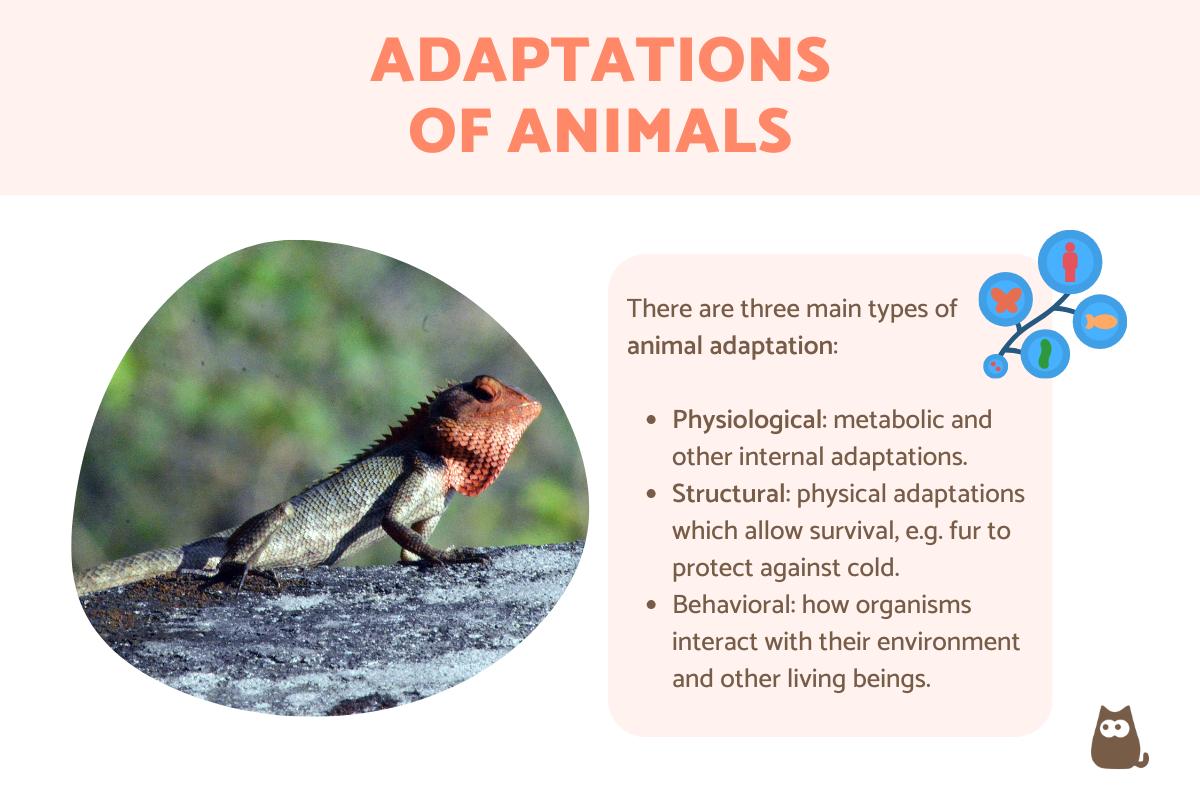
Behavioral adaptations in animals involve changes in their actions or routines, such as migration patterns or hunting strategies. For brands, this manifests as evolving marketing and communication strategies. How a brand speaks to its audience, where it communicates, and what messages it conveys are all subject to adaptation. The shift from traditional advertising to digital marketing, the rise of influencer collaborations, the emphasis on storytelling, and the adoption of personalized communication are all behavioral adaptations. Brands must learn to “speak” in the language of their target demographic, adapt their tone for different platforms (e.g., professional on LinkedIn, casual on TikTok), and adjust their messaging to reflect current cultural conversations. A brand’s ability to pivot its communication strategy in response to a crisis, a new trend, or changing consumer sentiment is a prime example of crucial behavioral adaptation, ensuring its message remains heard and relevant.
Physiological Adaptations: Operational Resilience and Core Values
Physiological adaptations in biology refer to internal body processes that allow an organism to survive in its environment, such as a camel’s ability to store water or an animal’s altered metabolism in hibernation. For brands, these are the internal, operational changes and the evolution of core values that underpin external adaptations, ensuring resilience and long-term vitality.
Metabolic Shifts: Adapting Business Models
A brand’s “metabolism” is its business model—how it creates, delivers, and captures value. Just as an animal might adapt its metabolism to conserve energy during lean times, brands must be prepared to enact “metabolic shifts” by adapting their business models. This could involve pivoting from product sales to subscriptions, embracing a direct-to-consumer approach, or integrating new technologies like AI into core operations. Consider how many traditional retailers adapted by building robust e-commerce platforms, or how software companies shifted from one-time licenses to recurring SaaS models. These are profound internal adaptations that reconfigure the very energy source of the brand, allowing it to sustain itself and grow in altered market conditions. Such shifts require significant investment, strategic foresight, and a willingness to challenge long-held assumptions about how value is generated and delivered.
Genetic Mutations: Innovation and Product Development
Innovation in branding can be likened to beneficial genetic mutations in biology. These are the spontaneous, often experimental, developments that, if successful, can lead to significant evolutionary advantages. Product development, research and development (R&D), and the continuous pursuit of novel solutions are the brand’s equivalent of genetic mutations. Brands must foster a culture that encourages experimentation, allows for failure, and rewards breakthrough ideas. The release of a groundbreaking product, the development of a patented technology, or the invention of a new service delivery method are all “mutations” that can fundamentally alter a brand’s competitive landscape. Not all mutations are successful, but those that are provide the blueprint for future adaptations, leading to new species of products or services that dominate their niches.
The DNA of Brand Culture: Adapting Internal Values
An animal’s DNA carries the blueprint for its entire being. Similarly, a brand’s culture—its shared values, beliefs, and behaviors—forms its organizational DNA. For a brand to truly adapt externally, its internal culture must also evolve. This means fostering adaptability, agility, and a growth mindset among employees. If a brand’s culture is rigid, risk-averse, or resistant to change, then external adaptations will be superficial and unsustainable. Adapting internal values involves creating an environment where learning is continuous, diverse perspectives are valued, and employees feel empowered to contribute to the brand’s evolution. A brand that genuinely embraces sustainability, for example, must embed those values into its hiring practices, internal operations, and employee incentives, not just its marketing messages. This deep-seated cultural adaptation ensures that the brand’s external message is authentic and its strategic pivots are supported from within.
Symbiosis and Co-evolution: Partnering for Survival
In nature, many species engage in symbiotic relationships, where they live in close association, often to their mutual benefit. Co-evolution describes how two or more species reciprocally affect each other’s evolution. For brands, these concepts translate into strategic partnerships and dynamic relationships with their customer base, which are increasingly vital for navigating complex market landscapes.
Ecosystem Collaboration: Strategic Partnerships
No species exists in complete isolation, and neither should a brand. Strategic partnerships are the brand’s equivalent of ecosystem collaboration. Brands might form alliances with complementary businesses, collaborate with technology providers, or engage in joint ventures to expand reach, share resources, or innovate faster. These symbiotic relationships can create mutual benefits, allowing each brand to leverage the strengths of the other to overcome limitations or access new markets. For instance, a fashion brand might partner with a sustainable materials company to enhance its eco-credentials, or a tech startup might collaborate with an established firm to gain market access. Such collaborations are adaptations that enable brands to pool resources, mitigate risks, and collectively thrive in an increasingly interconnected business environment, much like different species collaborating for protection or resource gathering.
Consumer-Brand Mutualism: Adapting to Customer Needs
Perhaps the most crucial symbiotic relationship for any brand is with its consumers. This is a mutualistic relationship: consumers provide loyalty, advocacy, and revenue, while brands provide value, solutions, and identity. True brand adaptation involves a continuous cycle of listening to, understanding, and responding to consumer needs and desires. This means not just selling to consumers, but co-creating with them through feedback loops, community engagement, and personalized experiences. Brands that excel at this level of adaptation essentially co-evolve with their customer base. They anticipate future needs, adapt their offerings proactively, and build strong emotional connections. The brand’s survival becomes intertwined with the consumer’s satisfaction, creating a robust, resilient bond where both parties mutually benefit from the ongoing adaptation and evolution of their relationship.

Conclusion
The question “What is an adaptation in animals?” evokes images of incredible resilience, ingenuity, and the relentless drive for survival that defines life on Earth. When we transpose this fundamental biological principle to the world of branding, its significance becomes equally profound. Brands, like animals, exist in dynamic environments, constantly facing pressures from competition, changing conditions, and the need to secure vital resources.
The brands that thrive are not necessarily the biggest or the oldest, but those that are most adept at adaptation. They possess the foresight to anticipate environmental shifts, the agility to morph their identity and offerings, the internal fortitude to pivot their operations and culture, and the wisdom to engage in symbiotic relationships. By embracing the lessons from the natural world—understanding the imperative to evolve, to specialize, to innovate, and to collaborate—brands can ensure their own evolutionary journey leads not to extinction, but to sustained relevance, growth, and a lasting legacy in the ever-unfolding ecosystem of the global market. Adaptation is not just a strategy; it is the very essence of brand vitality.
aViewFromTheCave is a participant in the Amazon Services LLC Associates Program, an affiliate advertising program designed to provide a means for sites to earn advertising fees by advertising and linking to Amazon.com. Amazon, the Amazon logo, AmazonSupply, and the AmazonSupply logo are trademarks of Amazon.com, Inc. or its affiliates. As an Amazon Associate we earn affiliate commissions from qualifying purchases.