
In the dynamic and ever-evolving landscape of technology, the role of a team lead stands as a critical pivot point, bridging the gap between high-level strategic vision and day-to-day technical execution. Far more than just a senior individual contributor, a team lead is a multifaceted leader, mentor, strategist, and problem-solver whose influence is instrumental in the success of projects, the growth of team members, and the overall productivity of an organization. This article delves into the core definition of a team lead within the tech sphere, exploring their evolving responsibilities, essential skill sets, leadership approaches, and the profound impact they have on innovation and delivery.

The tech industry, characterized by its rapid advancements and complex projects, necessitates structured yet agile leadership. A team lead, in this context, is typically an experienced professional who has demonstrated not only technical prowess but also an innate ability to guide and inspire others. They are the frontline managers responsible for the performance, development, and well-being of a specific group of technical individuals—be it software developers, QA engineers, data scientists, or IT operations specialists. Their role is to ensure that the team is aligned with organizational goals, operates efficiently, and consistently delivers high-quality solutions.
This position is often a stepping stone from a purely technical role into management, requiring a significant shift in focus from individual output to collective success. It demands a delicate balance between maintaining technical credibility and honing crucial leadership and interpersonal skills. Understanding “what is a team lead” is therefore to grasp a role that is foundational to how technology products are built, maintained, and brought to life.
The Evolving Role of a Team Lead in Tech
The nature of technology work is constantly shifting, and with it, the expectations and responsibilities placed upon team leads. What began as a largely supervisory role has morphed into a complex blend of technical expertise, servant leadership, and strategic foresight.
From Individual Contributor to Leader
The journey to becoming a team lead typically begins with a strong track record as an individual contributor (IC). An engineer, for instance, excels in coding, problem-solving, and delivering features. However, the transition to a team lead signifies a pivotal shift. While technical skills remain important for credibility and guiding architectural decisions, the primary focus moves from doing the work to enabling others to do their best work. This involves delegating tasks, providing constructive feedback, removing roadblocks, and fostering an environment where team members can thrive autonomously. The challenge often lies in letting go of direct technical control and trusting the team to execute, while still offering guidance and support. This transition requires a conscious effort to develop management and leadership competencies.
Bridging Technical Execution and Strategic Vision
One of the most critical functions of a tech team lead is to act as a crucial link between senior management’s strategic objectives and the team’s daily technical execution. They must translate high-level business goals and product roadmaps into actionable tasks and technical specifications for their team. This involves not only understanding the “what” and “why” behind the projects but also communicating it effectively to their team, ensuring clarity and motivation. Conversely, team leads are responsible for providing realistic assessments of technical feasibility, timelines, and potential challenges back to stakeholders, ensuring that strategic plans are grounded in practical reality. They become the voice of their team in broader organizational discussions, advocating for resources, bandwidth, and technical priorities.
Agile Methodologies and Cross-functional Collaboration
Modern tech development heavily relies on agile methodologies (Scrum, Kanban, etc.) and cross-functional teams. In this environment, the team lead’s role gains added layers of complexity and importance. They often facilitate daily stand-ups, sprint planning, and retrospectives, ensuring adherence to agile principles and continuous improvement. Beyond their immediate team, tech team leads frequently collaborate with other leads (e.g., product, design, QA, DevOps) to ensure seamless integration, resolve dependencies, and align efforts across different functions. This requires strong coordination, negotiation, and communication skills to ensure that the collective product or project vision is realized efficiently and effectively. Their ability to foster collaboration not just within their team but also across organizational silos is paramount for delivering integrated solutions.
Key Responsibilities and Skill Sets of a Tech Team Lead
The scope of a tech team lead’s responsibilities is broad, demanding a unique blend of technical acumen and sophisticated soft skills. These responsibilities are intertwined, requiring a leader who can fluidly switch between technical problem-solving and people management.
Technical Oversight and Problem Solving
At their core, tech team leads must maintain a strong grasp of the technical stack and architectural principles relevant to their team’s work. They provide technical guidance, review code, ensure adherence to best practices and coding standards, and help unblock complex technical challenges. While they might not be writing as much code as before, their ability to understand and contribute to technical discussions, make sound architectural decisions, and troubleshoot problems remains vital. They often define technical roadmaps for their domain, assess new technologies, and ensure the team’s output is robust, scalable, and maintainable.
Project Management and Delegation
Effective project management is a cornerstone of the team lead role. This includes breaking down large projects into manageable tasks, assigning them appropriately based on team members’ skills and development goals, and tracking progress. They are responsible for setting realistic deadlines, managing scope creep, and ensuring that projects are delivered on time and within agreed parameters. Delegation is a key skill here, as it not only helps distribute the workload but also empowers team members and fosters their growth. The team lead must understand individual strengths and weaknesses to delegate tasks effectively, ensuring that each team member has opportunities to contribute meaningfully and develop new skills.
Team Development and Performance Management
Perhaps one of the most impactful responsibilities is the development and nurturing of their team members. This involves regular one-on-one meetings, providing constructive feedback, identifying areas for growth, and coaching individuals to reach their full potential. Team leads are often involved in performance reviews, career path discussions, and identifying training opportunities. They are responsible for fostering a positive and productive team environment, addressing conflicts, and promoting psychological safety where team members feel comfortable taking risks and learning from mistakes. Their role extends to onboarding new members, integrating them smoothly into the team, and ensuring they have the resources and support needed to succeed.
Communication and Stakeholder Management
Exemplary communication skills are non-negotiable for a tech team lead. They must communicate clearly and concisely with their team, senior management, cross-functional partners, and sometimes even external clients. This involves translating complex technical concepts into understandable language for non-technical stakeholders and vice-versa. Managing expectations, providing regular updates on project status, highlighting risks, and celebrating successes are all part of this responsibility. Effective stakeholder management ensures alignment, builds trust, and garners support for the team’s initiatives.
Essential Soft Skills for Tech Leadership
Beyond the technical and project management capabilities, successful tech team leads possess a suite of critical soft skills:
-
Empathy and Emotional Intelligence: Understanding team members’ perspectives, motivations, and challenges.
-
Problem-Solving and Decision-Making: Ability to analyze situations, weigh options, and make timely, effective decisions under pressure.
-
Mentorship and Coaching: Guiding and developing individuals, fostering a culture of continuous learning.
-
Conflict Resolution: Mediating disagreements and fostering a cohesive team environment.
-
Adaptability and Resilience: Navigating change, setbacks, and maintaining a positive outlook.
-
Strategic Thinking: Connecting daily tasks to broader organizational goals.
Leadership Styles and Mentorship in Tech Teams
The approach a team lead takes to leadership and mentorship significantly impacts team morale, productivity, and innovation. No single style fits all, but certain principles are particularly effective in the tech industry.
Empowering Autonomy and Ownership
In tech, where creativity and problem-solving are paramount, a command-and-control leadership style often stifles innovation. Effective tech team leads empower their team members by granting them autonomy and fostering a sense of ownership over their work. This means delegating not just tasks, but also the responsibility and authority to make decisions within defined boundaries. By trusting their team to find solutions and execute independently, leads cultivate a sense of purpose and accountability, leading to higher quality work and greater job satisfaction. This also frees up the lead to focus on higher-level strategic planning and cross-functional coordination.
Coaching and Skill Development
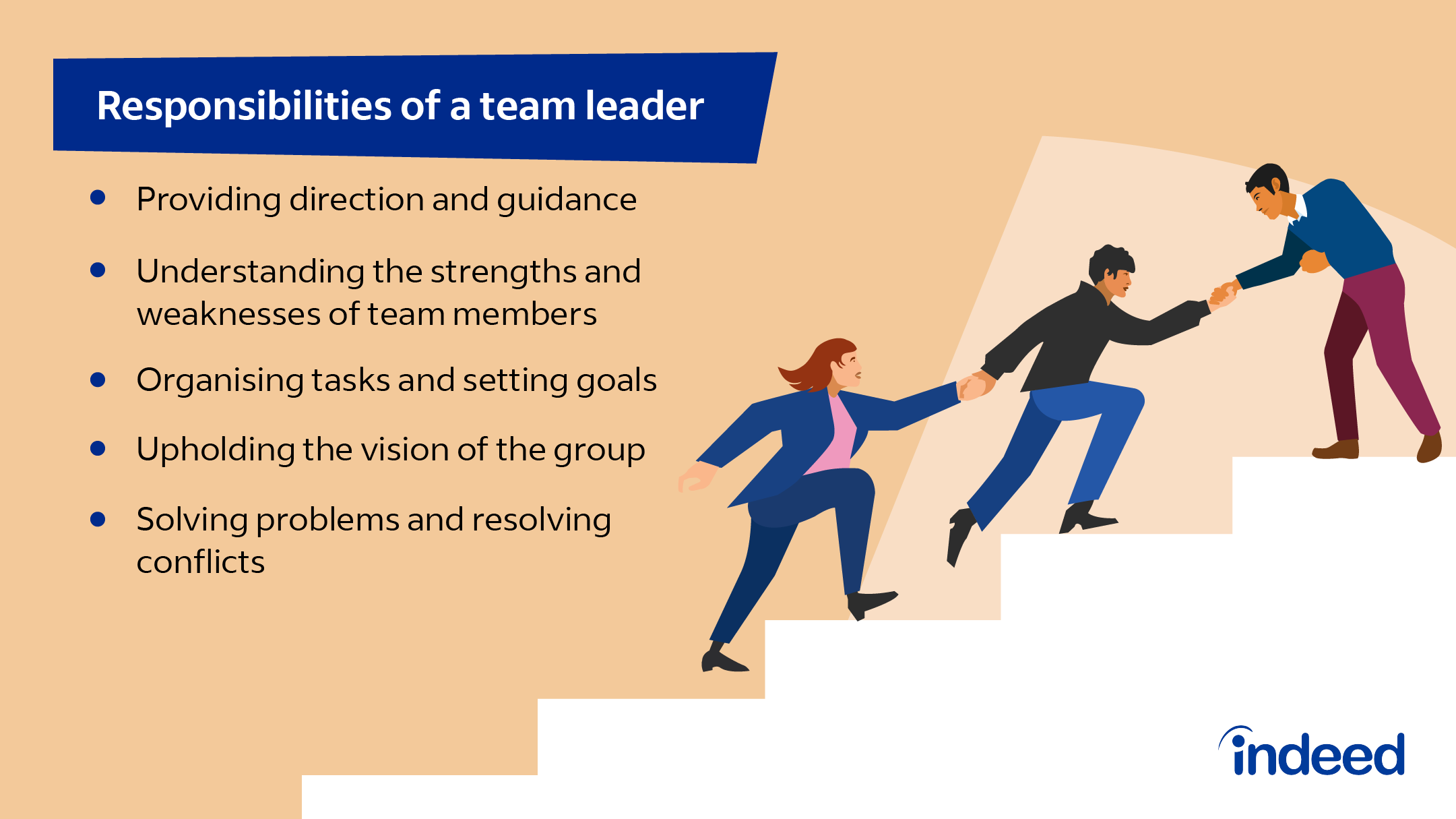
Mentorship is a cornerstone of tech leadership. A team lead is often the primary coach for their team members, guiding them through technical challenges, helping them refine their skills, and advising on career progression. This involves providing regular, constructive feedback, identifying skill gaps, and suggesting resources or projects that can help individuals grow. Effective coaching goes beyond simply pointing out flaws; it involves asking probing questions, offering different perspectives, and helping team members discover solutions themselves, thereby fostering self-reliance and critical thinking. This investment in individual development directly translates to a more capable and motivated team.
Fostering a Culture of Innovation and Learning
The tech industry thrives on innovation. A strong team lead creates an environment where experimentation is encouraged, failure is seen as a learning opportunity, and continuous improvement is a shared value. This involves promoting knowledge sharing, encouraging exploration of new technologies, and providing dedicated time for professional development. They champion psychological safety, making it safe for team members to propose new ideas, challenge existing assumptions, and admit mistakes without fear of retribution. By fostering curiosity and a growth mindset, team leads cultivate a vibrant culture where innovation can flourish.
Conflict Resolution and Team Cohesion
Even the most high-performing teams experience conflicts. A team lead’s ability to identify and address interpersonal or technical disagreements promptly and fairly is crucial for maintaining team cohesion and productivity. This involves active listening, mediation, and facilitating open communication to resolve underlying issues. By building strong relationships and promoting respect among team members, leads can create a supportive environment where differences are constructively discussed rather than allowed to fester. A cohesive team is one that trusts each other, works collaboratively, and supports one another through challenges.
Challenges and Strategies for Effective Tech Team Leadership
The path of a tech team lead is not without its obstacles. The unique demands of the role require strategic approaches to overcome common challenges.
Balancing Technical Work with Management Duties
One of the most persistent challenges for tech team leads is balancing their desire to stay technically hands-on with the increasing demands of management. Many leads ascended to their role due to technical expertise and can struggle with the shift away from direct coding or engineering work. This balance is crucial: too much technical involvement can lead to micromanagement and neglect of leadership duties, while too little can erode technical credibility and understanding of the team’s challenges.
Strategy: Deliberately carve out time for both. Set clear boundaries for technical contributions, perhaps focusing on code reviews, architectural discussions, or critical path unblocking rather than feature development. Prioritize management tasks like one-on-ones, performance reviews, and strategic planning. Delegate technical tasks to empower the team, and trust their abilities.
Managing Diverse Personalities and Skill Levels
Tech teams are often composed of individuals with varying levels of experience, personalities, working styles, and career aspirations. Managing such diversity effectively requires flexibility and tailored approaches. A junior developer will need more direct guidance, while a senior engineer might thrive with greater autonomy. Personality clashes or differing communication styles can also impact team dynamics.
Strategy: Adopt a situational leadership approach, adapting your style based on the individual and the task at hand. Invest in understanding each team member’s strengths, weaknesses, motivations, and communication preferences through regular one-on-ones. Facilitate team-building activities that encourage understanding and empathy. Provide opportunities for peer mentorship to leverage diverse skill sets within the team.
Navigating Technical Debt and Project Deadlines
The pressure to deliver features quickly often leads to technical debt—shortcuts taken in development that accrue interest in the form of increased maintenance effort and slowed future development. Balancing the need for rapid delivery with the imperative to maintain a healthy codebase is a constant tension for team leads, especially when aggressive project deadlines are imposed.
Strategy: Advocate for allocating dedicated time for technical debt repayment and refactoring during sprint planning. Educate stakeholders on the long-term costs of ignoring technical debt. Prioritize critical technical debt alongside new features. Implement robust code review processes and foster a culture of quality to minimize new debt. Be transparent with stakeholders about the trade-offs between speed and quality, managing their expectations effectively.
Strategies for Continuous Improvement and Adaptation
The tech industry is characterized by constant change—new technologies, methodologies, and market demands emerge rapidly. A team lead must not only adapt themselves but also guide their team through these changes, ensuring they remain relevant and competitive.
Strategy: Cultivate a culture of continuous learning within the team, encouraging exploration of new tools and techniques. Regularly conduct retrospectives to identify what’s working well and what needs improvement, both technically and operationally. Stay informed about industry trends and assess their potential impact. Be a role model for adaptability and open-mindedness, embracing change as an opportunity for growth. Empower the team to experiment with new approaches and integrate successful learnings into their workflow.
Career Path and Impact of a Team Lead
The team lead role is a significant milestone in a tech professional’s career, offering a unique blend of technical engagement and leadership development.
Pathways to Leadership
Typically, the journey to becoming a team lead starts with several years of hands-on technical experience, demonstrating not only mastery of specific technologies but also strong problem-solving skills and a collaborative attitude. Performance as a senior engineer, architect, or principal developer often precedes this step. Organizations look for individuals who can naturally mentor others, take ownership of projects beyond their immediate scope, and effectively communicate technical concepts. Formal leadership training, project management certifications, and internal mentorship programs can further equip aspiring leads with the necessary skills for the transition.
Measuring Success and Impact
The success of a tech team lead isn’t solely measured by project completion rates or code output, but by a broader set of metrics. These include:
-
Team Productivity and Quality: Consistent delivery of high-quality, stable solutions.
-
Team Morale and Retention: Low attrition rates, high engagement, and positive team feedback.
-
Individual Growth: Observable development and career progression of team members.
-
Project Health: Efficient execution, adherence to timelines, and effective management of risks and technical debt.
-
Stakeholder Satisfaction: Positive feedback from product managers, other teams, and senior leadership regarding communication and collaboration.
A truly successful team lead creates a high-performing, self-sufficient team that consistently delivers value and grows together.

Beyond the Team Lead Role
The team lead position is often a launchpad for further career advancement within the tech sector. Possible next steps include:
-
Engineering Manager: Managing multiple teams or a larger department, with a greater focus on strategic planning, organizational structure, and broader people management.
-
Technical Program Manager: Focusing on coordinating large, complex cross-functional projects across multiple teams and stakeholders.
-
Principal Engineer/Architect: A more senior individual contributor path, focusing on deep technical expertise, architectural design, and mentoring without direct people management responsibilities.
-
Director of Engineering/VP of Engineering: Leading entire engineering organizations, influencing company-wide technical strategy, and fostering an innovative culture at a macro level.
The skills honed as a team lead—leadership, communication, problem-solving, project management, and mentorship—are transferable and highly valued across all these advanced roles, making it a foundational experience for aspiring tech leaders.
In conclusion, “what is a team lead” can be distilled into the role of a pivotal leader who steers a technical team towards success. They are the linchpins of execution, the catalysts for growth, and the guardians of quality within the tech development lifecycle. Their journey from individual contributor to influential leader demands continuous learning, adaptability, and a deep commitment to both technical excellence and people development. As technology continues to evolve at breakneck speed, the indispensable role of the tech team lead will only grow in importance, shaping not just the products we use but also the careers and capabilities of the individuals who build them.
aViewFromTheCave is a participant in the Amazon Services LLC Associates Program, an affiliate advertising program designed to provide a means for sites to earn advertising fees by advertising and linking to Amazon.com. Amazon, the Amazon logo, AmazonSupply, and the AmazonSupply logo are trademarks of Amazon.com, Inc. or its affiliates. As an Amazon Associate we earn affiliate commissions from qualifying purchases.