
In the vast landscape of home maintenance and cleaning tools, the pressure washer stands out as an indispensable gadget for tackling grime, dirt, and stubborn stains with remarkable efficiency. But what exactly defines a “good” pressure washer? It’s not merely about sheer power; rather, it’s a nuanced combination of technology, design, performance, and suitability for specific tasks. For anyone looking to invest in one, understanding the underlying mechanics and key specifications is crucial to making an informed decision that aligns with their needs, transforming tiresome cleaning into a satisfying and effective endeavor. This article delves into the technical aspects that distinguish an average pressure washer from a truly exceptional one, guiding you through the considerations that matter most.
Understanding the Core Technology: How Pressure Washers Work
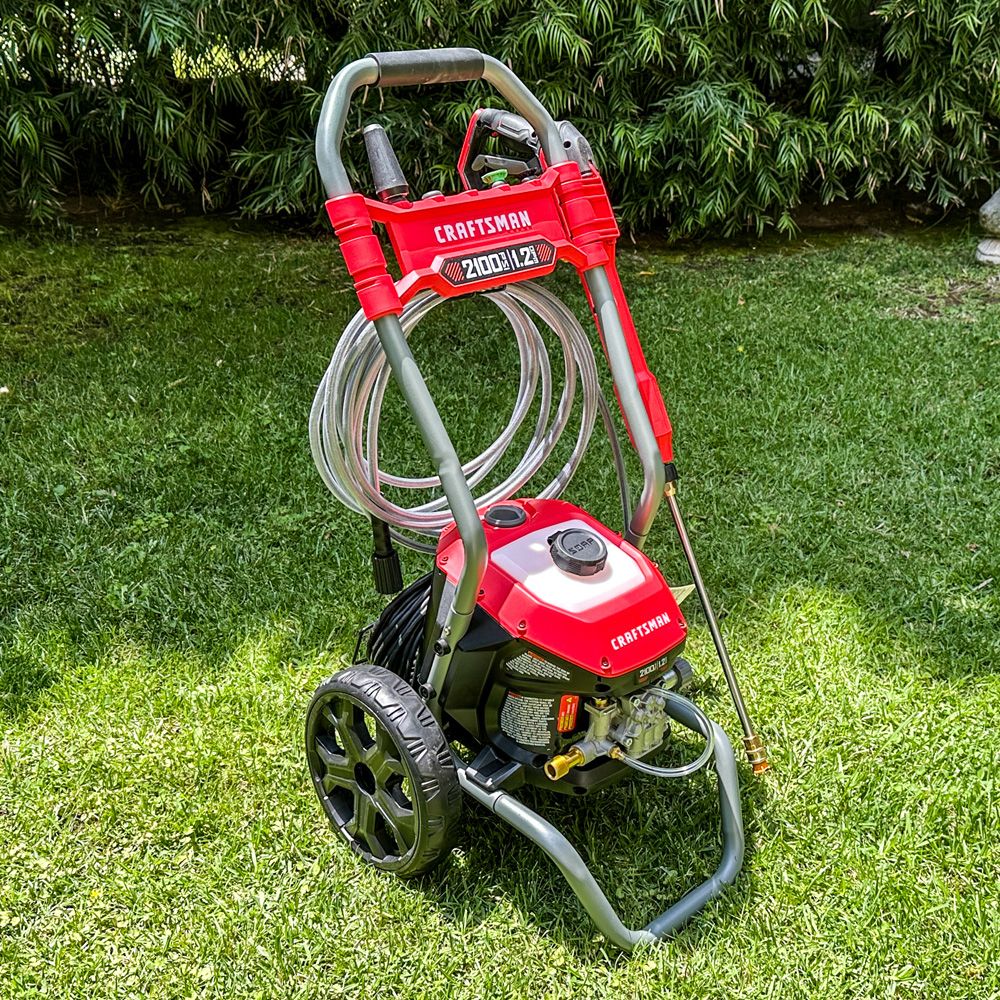
At its heart, a pressure washer is a sophisticated pump system designed to amplify the force of water. It takes an ordinary water supply, typically from a garden hose, and propels it through a concentrated nozzle at extremely high velocity, creating a powerful jet capable of dislodging even the most embedded dirt. The “goodness” of this process often stems from the efficiency and durability of its core components.
The Fundamental Mechanics: Pump, Motor, and Nozzle
Every pressure washer relies on three primary components: the pump, the motor (or engine), and the nozzle. The motor (electric or gasoline-powered) drives the pump, which pressurizes the incoming water. This high-pressure water then travels through a hose to a spray gun, where the nozzle precisely shapes and concentrates the water jet. A good pressure washer features a robust pump, often made from durable materials like brass or aluminum, designed for longevity and consistent performance. The motor needs to be powerful enough to sustain the required pressure and flow without overheating or excessive strain. Lastly, the quality and variety of nozzles are critical, as they dictate the spray pattern and intensity, directly impacting cleaning effectiveness and safety.
PSI (Pounds Per Square Inch) Explained
PSI, or Pounds Per Square Inch, is perhaps the most commonly cited specification for pressure washers, representing the force with which the water hits the surface. Higher PSI generally translates to greater cleaning power. For a pressure washer to be “good,” its PSI rating must be appropriate for its intended use. For light-duty tasks like cleaning patio furniture or delicate car washes, 1300-1900 PSI might suffice. Medium-duty tasks, such as cleaning decks, siding, or fences, typically require 2000-2800 PSI. Heavy-duty applications like stripping paint or deep cleaning concrete often demand 2900 PSI or more. A “good” pressure washer strikes a balance, offering sufficient PSI without being overkill, which could potentially damage surfaces.
GPM (Gallons Per Minute) Explained
While PSI measures the force, GPM (Gallons Per Minute) measures the volume of water delivered. A good pressure washer excels not just in brute force (PSI) but also in its ability to rinse away dirt efficiently (GPM). Imagine scrubbing a stubborn stain: PSI helps to break it loose, but GPM ensures it’s quickly washed away. A higher GPM allows for faster rinsing and more efficient cleaning, especially on larger surfaces. For general residential use, a GPM of 1.4 to 2.0 is often considered good. Commercial or heavy-duty units can range from 2.5 GPM upwards. The optimal synergy between PSI and GPM determines the true cleaning units (CU = PSI x GPM) of a pressure washer, offering a more holistic view of its performance capability.
Key Specifications: Power, Flow, and Pressure
Beyond the basic understanding, drilling down into the specific metrics of power, flow, and pressure is essential for discerning a truly good pressure washer. These specifications are not just numbers; they directly translate into the machine’s capability and efficiency in various cleaning scenarios.
Decoding Pressure (PSI) for Different Tasks
A “good” pressure washer offers a PSI range that is versatile enough for common tasks while also being powerful enough for more challenging ones without causing damage. For instance, a pressure washer topping out at 1500 PSI might be excellent for washing a car, but it would be frustratingly slow on a driveway. Conversely, a 3500 PSI machine would clean a car quickly but might strip its paint if not handled with extreme care. Therefore, a good residential pressure washer typically hovers in the 2000-2800 PSI range, offering a balance that can tackle most household chores effectively. For professionals or those with extensive heavy-duty cleaning needs, higher PSI models are justifiable investments, provided they come with appropriate safety features and diverse nozzle options.
The Importance of Flow Rate (GPM)
As mentioned, GPM influences how quickly you can rinse away the dislodged dirt. A pressure washer with high PSI but low GPM might be able to blast dirt loose, but you’ll spend more time trying to clear the debris. A “good” pressure washer, particularly for larger areas, will have a respectable GPM that complements its PSI. For example, a 2000 PSI / 1.5 GPM unit will clean more slowly than a 2000 PSI / 2.0 GPM unit, even though they have the same pressure. Higher GPM means more water volume, which speeds up the cleaning process and can make a significant difference over expansive surfaces like driveways, decks, or siding.
Motor/Engine Power: Horsepower (HP) and Amperage (Amps)
For electric models, motor power is typically measured in amperes (Amps) or sometimes reflected in the wattage. A higher amperage generally indicates a more powerful motor capable of sustaining higher PSI and GPM. For gas models, power is measured in horsepower (HP) or cubic centimeters (CC). A “good” gas pressure washer will feature a robust engine that starts reliably, runs smoothly, and provides consistent power delivery without bogging down under load. Engine quality also impacts fuel efficiency and noise levels, both important aspects of user experience. The engine/motor is the heart of the pressure washer; its quality directly influences the unit’s overall performance and longevity.
Choosing the Right Type: Electric vs. Gas, Residential vs. Commercial
The “goodness” of a pressure washer is highly contextual, depending on the user’s specific requirements. Deciding between electric and gas models, and understanding the classifications of residential versus commercial use, is a fundamental step in finding the right fit.
Electric Pressure Washers: Pros, Cons, and Ideal Uses
Electric pressure washers are characterized by their relative quietness, ease of use (just plug it in), and low maintenance requirements. They produce no emissions, making them suitable for use in enclosed or semi-enclosed spaces. However, their power output is generally lower than gas models, typically ranging from 1300 to 2300 PSI. A “good” electric pressure washer is perfect for light to medium-duty tasks such as cleaning cars, patio furniture, grills, or small decks. They are often more compact, lightweight, and easier to store. The primary limitation is the need for a power outlet and the restriction of mobility due to the power cord.
Gas Pressure Washers: Power, Portability, and Trade-offs

Gas pressure washers are the undisputed champions of power and portability. Free from the constraints of power outlets, they can be used virtually anywhere. They typically offer significantly higher PSI and GPM ratings, ranging from 2000 to over 4000 PSI, making them ideal for heavy-duty tasks like cleaning large driveways, brickwork, heavy machinery, or removing tough stains and paint. A “good” gas pressure washer is built with durable components and a reliable engine. However, they are louder, require more maintenance (oil changes, spark plugs, fuel stabilizers), produce exhaust fumes, and are generally heavier and more expensive than electric models. The trade-off for superior power and mobility is increased noise, maintenance, and environmental considerations.
Matching the Tool to the Task: Light, Medium, Heavy-Duty
Ultimately, a “good” pressure washer is one that is appropriately matched to the tasks it will perform.
-
Light-Duty (1300-1900 PSI / ~1.4 GPM): Best for cleaning vehicles, grills, patio furniture, and small concrete patios. Often electric.
-
Medium-Duty (2000-2800 PSI / ~1.5-2.0 GPM): Suitable for most homeowner tasks including decks, siding, fences, driveways, and walkways. Can be high-end electric or entry-level gas.
-
Heavy-Duty (2900 PSI+ / 2.0+ GPM): Designed for challenging jobs like large driveways, commercial properties, paint stripping, stubborn oil stains, and farm equipment. Almost exclusively gas-powered, or high-end professional electric models.
A “good” pressure washer for you will fall within the category that covers the majority of your anticipated cleaning projects, providing ample power without being excessive or insufficient.
Beyond the Basics: Features That Define “Good”
While PSI, GPM, and power source are foundational, a truly “good” pressure washer distinguishes itself through a range of practical features that enhance usability, versatility, and durability. These often overlooked details significantly impact the overall user experience.
Nozzle Variety and Quick-Connect Systems
A “good” pressure washer provides a diverse set of nozzles, typically including 0° (pencil jet), 15°, 25°, and 40° spray patterns, plus a soap nozzle. The ability to quickly and easily switch between these nozzles via a quick-connect system is a hallmark of good design. This versatility allows the user to adapt the spray to different surfaces and cleaning requirements, from concentrated blasting to wide, gentle rinsing. Some advanced models also include turbo/rotary nozzles, which offer an oscillating zero-degree spray for faster cleaning over larger, durable surfaces.
Hose Quality and Length: Durability and Reach
The high-pressure hose is a critical component, and its quality greatly impacts durability and user convenience. A “good” pressure washer will come with a flexible, kink-resistant, and abrasion-resistant hose, preferably steel-braided or reinforced with high-quality PVC. The length is also crucial; a longer hose (25-50 feet) reduces the need to frequently move the entire unit, significantly improving reach and reducing effort. Hose reels, either integrated or as an accessory, are another feature that adds to the “goodness” by simplifying storage and preventing tangles.
Detergent Tanks and Application Systems
For many cleaning tasks, detergent application is essential. A “good” pressure washer will incorporate an effective detergent application system, whether it’s an onboard tank, a siphoning tube, or compatibility with a separate foam cannon. The system should allow for easy filling, precise mixing (if applicable), and consistent application of cleaning solutions. The ability to switch between high-pressure washing and low-pressure soap application seamlessly is a significant convenience feature.
Ergonomics and Portability: Wheels, Handles, and Design
Even the most powerful pressure washer can be frustrating to use if it’s cumbersome. A “good” model prioritizes user ergonomics and portability. This includes robust, large wheels that can navigate various terrains, comfortable and adjustable handles, and a balanced design that makes moving and storing the unit easier. Thoughtful design elements like onboard storage for nozzles, hoses, and spray guns also contribute to a better user experience by keeping accessories organized and readily accessible.
Smart Features and Digital Controls
While less common, some advanced pressure washers are beginning to incorporate “smart” features. This might include digital displays for pressure settings, automatic shut-off features to conserve energy and prolong pump life, or even app connectivity for monitoring usage or adjusting settings. While not strictly essential, these technological integrations can enhance convenience, efficiency, and provide a more refined user experience for those seeking cutting-edge tools.
Maintenance and Safety: Ensuring Longevity and Performance
A “good” pressure washer isn’t just about initial performance; it’s also about its ability to maintain that performance over time and to be operated safely. Proper maintenance and adherence to safety protocols are paramount for maximizing the lifespan of the unit and preventing accidents.
Essential Maintenance Practices for Your Pressure Washer
To keep a pressure washer “good” for years, regular maintenance is vital. For gas models, this includes checking and changing the oil, cleaning or replacing air filters and spark plugs, and using fuel stabilizer during storage. Electric models are generally lower maintenance but still benefit from cleaning intake filters and proper winterization. After each use, flushing the pump with clean water is crucial to remove detergent residues and mineral deposits. Storing the unit in a dry, frost-free environment is also key to preventing damage to the pump and seals. A good pressure washer is designed with ease of maintenance in mind, with accessible components and clear instructions.
Safety First: Operating Your Pressure Washer Responsibly
The immense power of a pressure washer necessitates strict adherence to safety guidelines. A “good” user understands and respects this power. Always wear appropriate personal protective equipment (PPE), including eye protection, hearing protection (especially for gas models), and closed-toe shoes. Never point the spray gun at people, pets, or electrical outlets. Always start with the lowest pressure setting or widest nozzle, gradually increasing as needed. Familiarize yourself with the machine’s controls, including the safety lock on the spray gun, and always ensure a stable footing. The design of a good pressure washer often includes safety features like thermal relief valves and automatic total stop systems to prevent overheating and prolong pump life.
Storage Best Practices
Proper storage is critical for the longevity of any pressure washer. For regions with freezing temperatures, winterization is non-negotiable. This involves draining all water from the pump, hoses, and spray gun, and often using a pump protector fluid to prevent corrosion and freezing damage. Store the unit in a clean, dry area, protected from extreme temperatures. For gas models, it’s also wise to either run the engine until the fuel tank is empty or use a fuel stabilizer to prevent fuel degradation and carburetor issues. Adhering to these storage best practices ensures that your “good” pressure washer remains ready for action whenever you need it.
In conclusion, identifying a “good” pressure washer involves more than just looking at the highest PSI number. It requires a comprehensive understanding of its core technology, key specifications like PSI and GPM, the advantages and disadvantages of electric versus gas models, and a critical evaluation of its features, ergonomics, and maintenance requirements. A truly good pressure washer is one that is technically robust, perfectly matched to your cleaning tasks, user-friendly, durable, and safe to operate, making it a valuable asset in maintaining your property’s pristine appearance.
aViewFromTheCave is a participant in the Amazon Services LLC Associates Program, an affiliate advertising program designed to provide a means for sites to earn advertising fees by advertising and linking to Amazon.com. Amazon, the Amazon logo, AmazonSupply, and the AmazonSupply logo are trademarks of Amazon.com, Inc. or its affiliates. As an Amazon Associate we earn affiliate commissions from qualifying purchases.