
In the complex tapestry of legal classifications, a criminal misdemeanor occupies a unique and often misunderstood position. It sits squarely between the minor infractions known as infractions (like parking tickets) and the grave offenses classified as felonies. While often perceived as “less serious” crimes, the implications of a misdemeanor, particularly its financial ramifications, can be anything but minor. For individuals navigating personal finance, considering business ventures, or striving for online income, understanding what constitutes a misdemeanor and its potential economic fallout is crucial. This article delves into the definition of a criminal misdemeanor, meticulously exploring its immediate and long-term financial consequences, and offering insights into how to protect your financial well-being in its wake.
Defining the Misdemeanor Landscape: More Than Just a Legal Term
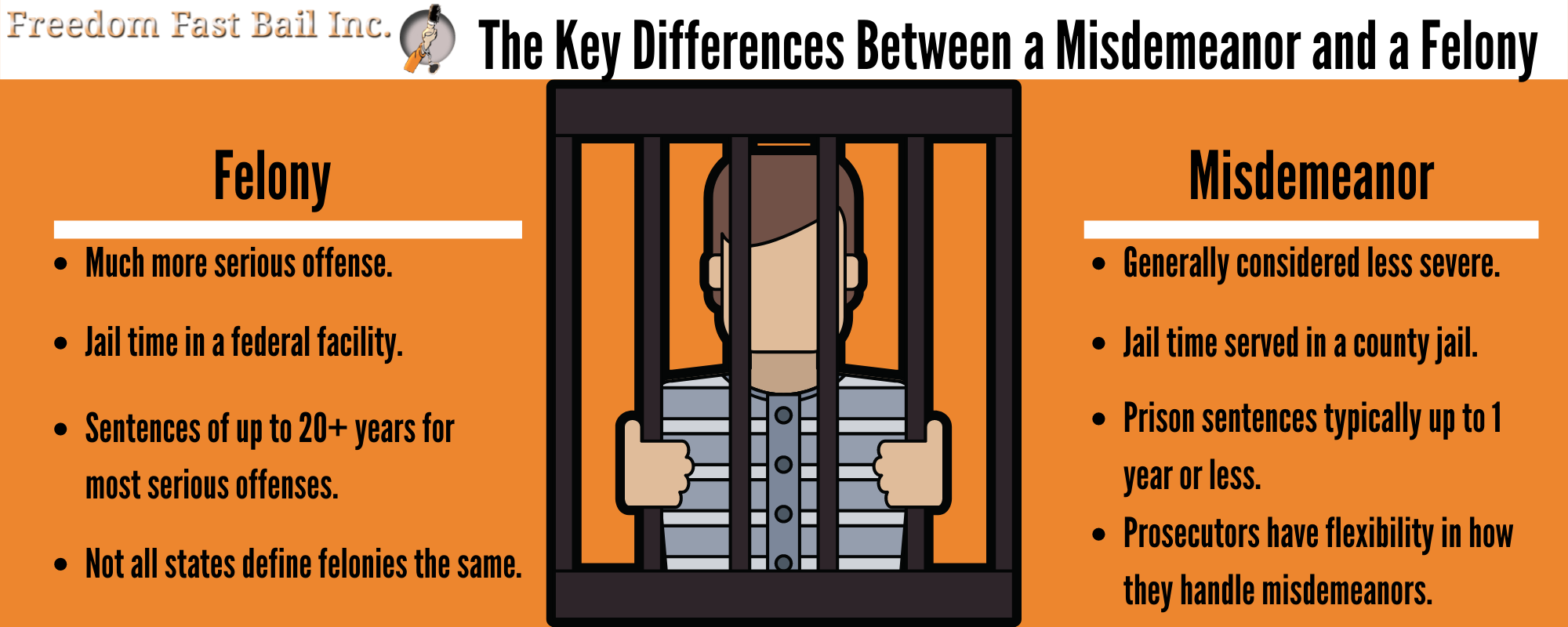
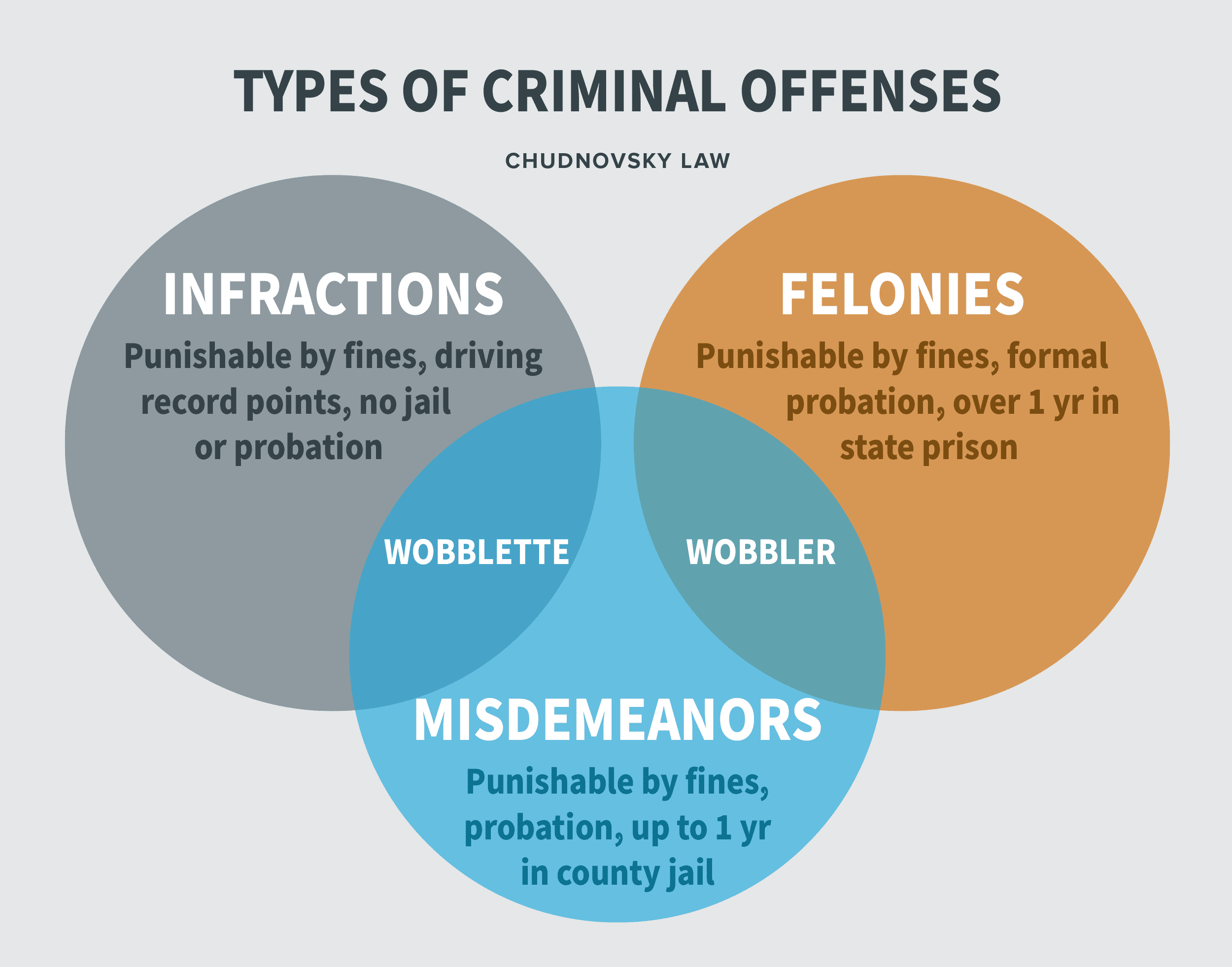
At its core, a criminal misdemeanor refers to an offense punishable by less than one year in jail, a fine, or both. The exact definition and penalties vary significantly by jurisdiction, but this general rule distinguishes it from felonies, which carry potential sentences of a year or more in state or federal prison. From a financial perspective, even without a lengthy prison sentence, misdemeanors can trigger a cascade of economic burdens that can derail personal budgets, jeopardize business ventures, and restrict earning potential.
What Differentiates a Misdemeanor from a Felony?
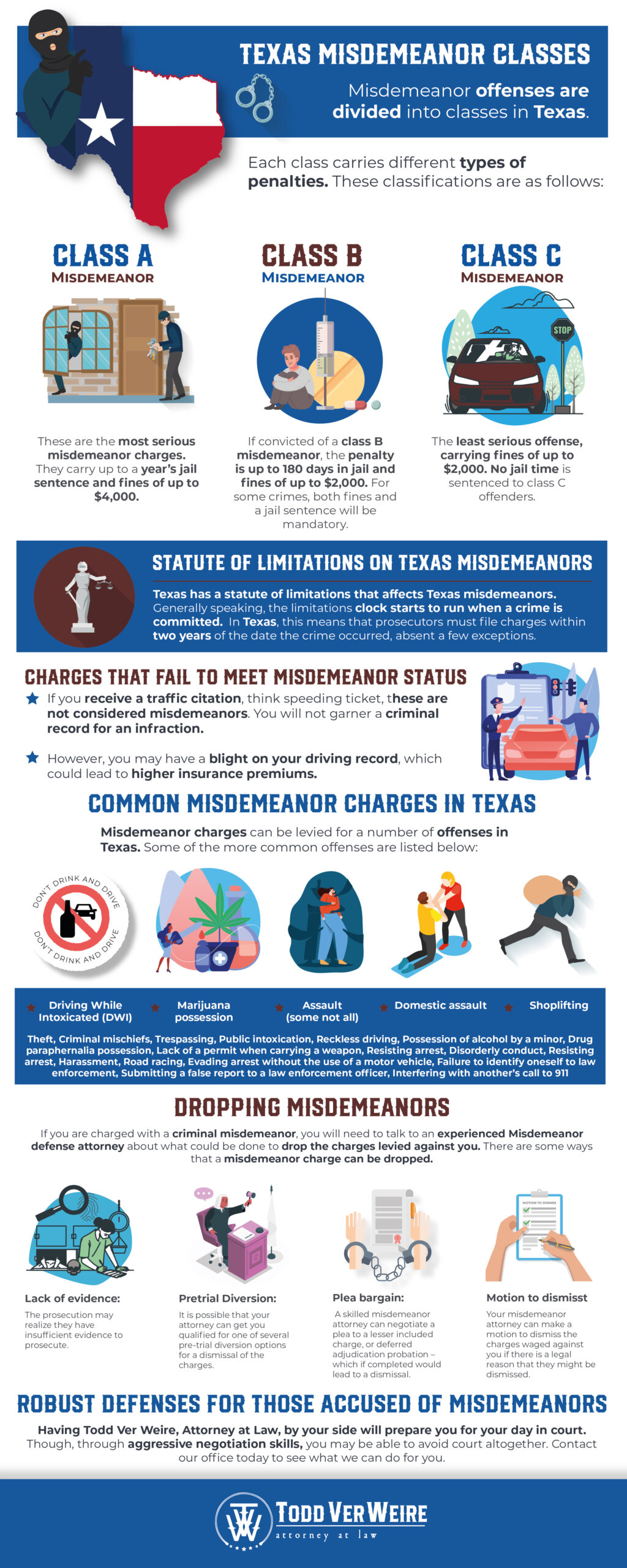
The distinction between a misdemeanor and a felony is primarily defined by the severity of the potential punishment, which in turn reflects the perceived gravity of the crime. Felonies are reserved for serious offenses, such as murder, rape, robbery, or aggravated assault, often resulting in substantial prison time, significant fines, and a lifelong criminal record that severely limits financial opportunities. Misdemeanors, conversely, encompass a range of offenses deemed less severe, including petty theft, simple assault, first-time DUI, vandalism, or trespassing.
From a financial lens, the primary difference lies in the scale of the potential costs. While both can incur legal fees and fines, felony fines are often exponentially higher, and the complete loss of income during long prison sentences represents a catastrophic financial blow. However, dismissing misdemeanor financial impacts as insignificant would be a grave error. The cumulative effect of misdemeanor fines, court costs, legal representation, and the subsequent impact on employment can be just as devastating for someone without substantial financial reserves. Understanding this distinction is the first step in appreciating the financial risks associated with any criminal charge.
Common Types of Misdemeanors and Their Initial Financial Penalties
The spectrum of actions classified as misdemeanors is broad, and each can carry an initial financial penalty in the form of fines. These fines are typically set by statute and can range from a few hundred to several thousand dollars, depending on the specific offense, the jurisdiction, and any aggravating factors.
-
Petty Theft/Shoplifting: Often involves goods valued below a certain monetary threshold (e.g., $500 or $1,000). Fines can range from $100 to $1,000, plus restitution for the stolen items.
-
Simple Assault/Battery: Involves minor physical harm or the threat of it. Fines typically start around $250 and can go up to $2,500 or more, often coupled with anger management course fees.
-
Driving Under the Influence (DUI)/Driving While Intoxicated (DWI) – First Offense: While highly variable by state, a first-time misdemeanor DUI often carries substantial fines, easily ranging from $500 to $2,500, in addition to mandatory substance abuse program costs, increased insurance premiums, and potential impoundment fees for the vehicle.
-
Vandalism/Criminal Mischief: Involves damage to property. Fines typically correspond to the extent of the damage, alongside restitution for repairs, often starting around $200 and escalating.
-
Disorderly Conduct: Encompasses a range of public disturbances. Fines are usually lower, from $100 to $1,000, but can increase with repeat offenses.
Beyond the base fines, many jurisdictions impose additional court costs, administrative fees, and victim compensation surcharges, inflating the initial financial burden significantly. These initial outlays represent the tip of the iceberg regarding the overall financial impact of a misdemeanor conviction.
The Immediate Financial Burden: Fines, Fees, and Bail
When facing a misdemeanor charge, individuals quickly confront a daunting array of financial obligations. These immediate costs can drain savings, necessitate loans, or even push households into debt, underscoring the critical link between legal challenges and personal finance.
Understanding Court Fines and Surcharges
As touched upon, court fines are a direct monetary penalty for a misdemeanor conviction. However, it’s rarely just the base fine. Jurisdictions commonly tack on numerous surcharges and fees that can easily double or triple the initial fine amount. These can include:
-
Court Costs: Fees for processing paperwork, maintaining court facilities, and general administrative overhead.
-
Victim Compensation Funds: Surcharges dedicated to state funds that compensate victims of crimes.
-
Public Defender Fees: If an individual uses a public defender and is later found able to pay, they may be assessed fees for legal services.
-
Probation Fees: If probation is part of the sentence, monthly fees are often charged to cover the costs of supervision.
-
Mandatory Program Fees: For offenses like DUI, mandatory alcohol education or therapy programs come with their own substantial costs.
For someone managing a tight budget, a $500 fine that escalates to $1,500 or more with surcharges and program fees can be catastrophic. It can lead to missed rent payments, utility shut-offs, or the inability to purchase essential goods, creating a ripple effect of financial instability.
The Hidden Costs of Legal Representation
While some individuals might consider representing themselves for a misdemeanor to save money, this can be a false economy with severe long-term financial consequences. A skilled attorney can often negotiate reduced charges, plea bargains, or even outright dismissals, potentially saving thousands in fines and preventing the long-term financial fallout of a criminal record. However, legal representation comes at a cost.
Hourly rates for defense attorneys can range from $150 to $500 or more, depending on experience and location. For a misdemeanor, a flat fee might be charged, potentially ranging from $1,000 to $5,000 or more for complex cases or those requiring trial. While a public defender might be an option for those who qualify as indigent, even then, as noted, fees might be assessed later. For many, the decision to hire private counsel means dipping into savings, taking out a loan, or using credit cards, adding another layer of financial stress. Understanding the value of legal expertise versus the potential for greater financial loss without it is a key personal finance decision in such circumstances.
Bail Bonds and Pre-Trial Financial Strain
Before a trial or plea, an individual charged with a misdemeanor may be eligible for release on bail. Bail is a sum of money or property posted to ensure the defendant’s appearance in court. While bail for misdemeanors is typically lower than for felonies, it can still range from a few hundred to several thousand dollars.
If a defendant cannot afford the full bail amount, they often turn to a bail bond company. These companies typically charge a non-refundable fee, usually 10-15% of the total bail amount, to post the bond on the defendant’s behalf. For example, a $2,000 bail might require a $200-$300 non-refundable fee. While this allows for release, it’s an immediate, irretrievable financial cost incurred even before guilt or innocence is determined. This pre-trial financial strain, alongside lost wages from time spent in custody or court appearances, can significantly impact an individual’s immediate financial liquidity and stability.
Long-Term Financial Fallout: Impact on Income and Employment
Beyond the immediate costs, a misdemeanor conviction can cast a long shadow over an individual’s financial future, profoundly impacting their ability to earn income, secure stable employment, and pursue business opportunities.
Background Checks and Career Obstacles
One of the most significant long-term financial repercussions of a misdemeanor is its presence on a criminal record, which can surface during background checks. Employers across various industries routinely conduct criminal background checks, and a conviction, even for a minor offense, can be a major red flag.
-
Lost Job Opportunities: Many companies, particularly those in finance, healthcare, education, or positions requiring trust and security, may disqualify candidates with a criminal record. This can limit job prospects, forcing individuals into lower-paying or less stable employment.
-
Promotion Stagnation: Even existing employees can face obstacles to promotion if a background check is conducted for a new role within the company.
-
Gig Economy Challenges: Platforms for online income or side hustles (e.g., ridesharing, delivery services, online tutoring) increasingly run background checks, potentially barring individuals from these flexible earning opportunities.
-
Professional Licensing: Certain professions (e.g., nursing, teaching, law, real estate, finance) require state-issued licenses, which can be denied, suspended, or revoked due to a misdemeanor conviction, effectively ending a career.
The inability to secure desired employment or advance professionally due to a misdemeanor can result in a lifetime of lost income, significantly impacting an individual’s financial trajectory and retirement planning.
Professional Licenses and Business Opportunities
For entrepreneurs and small business owners, a misdemeanor conviction can present unique financial hurdles. Many industries require specific professional or business licenses to operate legally. Regulatory boards often review an applicant’s criminal history, and a misdemeanor, especially one related to honesty or public safety, can lead to denial or revocation of these critical licenses.
This could mean an aspiring business owner cannot open their desired venture, or an existing one might be forced to shut down. The financial implications are enormous, encompassing not just lost potential income but also wasted startup costs and damaged reputation. Furthermore, securing business loans or investment capital can become challenging, as financial institutions and investors may view a criminal record as a risk factor, impacting the company’s financial health and growth prospects.
Eligibility for Financial Aid and Housing
The financial impact of a misdemeanor can extend into other crucial areas of personal finance, including access to education and stable housing. Some federal student aid programs, particularly those for grants, can be affected by drug-related misdemeanor convictions, limiting access to higher education and the associated economic benefits.
Regarding housing, landlords, especially in competitive markets, frequently conduct background checks. A misdemeanor conviction can make it difficult to rent apartments or secure housing, forcing individuals into less desirable, often more expensive, or unstable living situations. This can disrupt budgeting, increase housing costs, and contribute to overall financial precarity, making it harder to save or invest for the future.
Protecting Your Financial Future: Proactive Measures and Mitigation
Given the profound financial implications of a criminal misdemeanor, proactive measures and strategic mitigation efforts are paramount for safeguarding one’s financial future. Addressing charges wisely and understanding available legal avenues can significantly reduce long-term economic damage.
The Value of Legal Counsel for Financial Protection
The most crucial step in mitigating the financial impact of a misdemeanor charge is securing competent legal representation as early as possible. A skilled attorney serves as a financial protector in several ways:
-
Reducing Charges: An attorney can negotiate with prosecutors to reduce a misdemeanor to a lesser infraction, or even get charges dismissed, thereby avoiding fines, court costs, and a criminal record entirely.
-
Minimizing Penalties: If a conviction is unavoidable, an attorney can argue for reduced fines, alternative sentencing (like community service instead of jail time, which allows continued employment), or participation in diversion programs that prevent a conviction from appearing on a permanent record.
-
Navigating Complexities: They can guide individuals through the bewildering legal system, ensuring deadlines are met and rights are protected, preventing costly mistakes.
-
Advising on Financial Strategy: An attorney can advise on potential costs and help individuals understand the financial implications of different legal outcomes, allowing for better financial planning.
Viewing legal fees for a good attorney not as an expense, but as an investment in protecting future income and financial stability, is a critical mindset for anyone facing misdemeanor charges.
Record Expungement and Its Economic Benefits
For those who have already been convicted of a misdemeanor, seeking expungement or sealing of the criminal record can be a powerful tool for financial recovery. While not available for all offenses or in all jurisdictions, expungement legally erases or seals the conviction from public view, meaning it generally won’t appear on most background checks.
The economic benefits of expungement are substantial:
-
Improved Employment Prospects: A clean record significantly increases the likelihood of passing background checks, opening doors to better-paying jobs and career advancement opportunities.
-
Enhanced Earning Potential: With broader employment options, individuals can secure roles commensurate with their skills and experience, leading to higher income over time.
-
Professional License Reinstatement: For some professions, expungement can facilitate the re-application or reinstatement of professional licenses, allowing individuals to resume their chosen careers.
-
Access to Housing and Loans: A clean record can make it easier to secure housing and potentially improve eligibility for certain financial products or loans.
The cost of expungement, including legal fees and court charges, is typically a fraction of the long-term financial benefits it can yield, making it a wise investment for financial rehabilitation.
Budgeting for Unexpected Legal Costs
Finally, while no one anticipates being charged with a crime, preparing for unexpected financial shocks is a cornerstone of sound personal finance. Just as one budgets for medical emergencies or car repairs, having an emergency fund that can cover potential legal costs – whether for consultation, bail, or initial fines – provides a critical safety net.
-
Emergency Fund Allocation: Designating a portion of an emergency fund specifically for legal or crisis situations.
-
Understanding Insurance: While rare for criminal matters, some liability insurance policies (e.g., for business owners) might offer limited legal defense coverage.
-
Financial Literacy: Educating oneself on local legal aid options, payment plans for fines, and the financial implications of various legal outcomes can empower individuals to make more informed decisions under duress.
A criminal misdemeanor is far more than a minor legal inconvenience; it is a significant financial event with the potential to inflict substantial and lasting damage on personal income, business ventures, and overall financial well-being. By understanding its definition, anticipating its costs, and taking proactive steps to mitigate its impact, individuals can better protect their hard-earned money and secure their financial future.
aViewFromTheCave is a participant in the Amazon Services LLC Associates Program, an affiliate advertising program designed to provide a means for sites to earn advertising fees by advertising and linking to Amazon.com. Amazon, the Amazon logo, AmazonSupply, and the AmazonSupply logo are trademarks of Amazon.com, Inc. or its affiliates. As an Amazon Associate we earn affiliate commissions from qualifying purchases.