
In an era where the cost of higher education is a significant financial undertaking for individuals and families alike, every document that validates this investment holds immense value. Among these, the college transcript stands out not merely as a record of academic achievements but as a critical financial instrument that underpins career advancement, secures further educational opportunities, and can even influence personal finance decisions. Far more than a simple list of courses and grades, a college transcript is the official testament to your dedicated financial and intellectual investment in your future. It’s the tangible proof required to leverage your education into tangible economic returns, making it an indispensable asset in your personal financial portfolio.
The Core Purpose: Validating Your Educational Investment
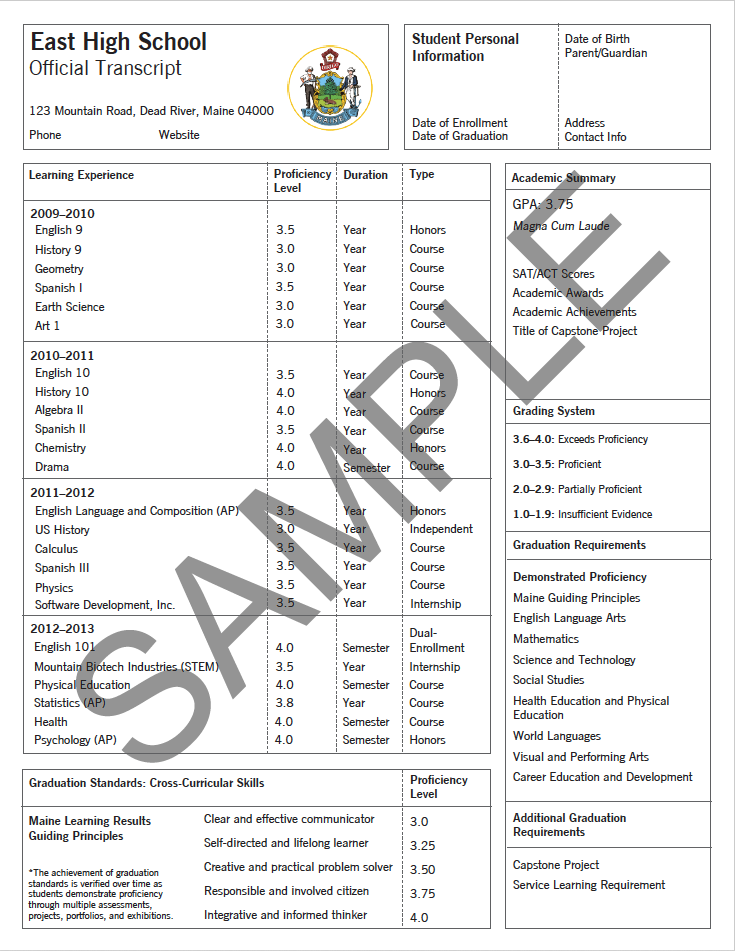
At its heart, a college transcript is an official, comprehensive record of a student’s academic history at a post-secondary institution. Issued by the registrar’s office, it encapsulates every course attempted, grades received, degrees or certificates awarded, and often includes information on academic standing, honors, and transfer credits. From a financial perspective, it serves as the ultimate validation for the thousands, if not tens of thousands, of dollars invested in tuition, fees, books, and living expenses.
A Comprehensive Record of Financial Return
Every credit hour on your transcript represents a portion of your financial investment. Whether it was tuition paid directly, student loans taken out, or scholarships earned, each course listed, along with its corresponding grade, speaks to the efficacy and value derived from that financial outlay. High grades reflect a strong return on that investment, demonstrating mastery of subjects and dedication, which in turn signal higher potential for future earning. Conversely, poor grades or withdrawals might indicate a less optimized return on specific segments of that investment, prompting considerations for academic or financial recovery. The transcript, therefore, isn’t just a record of learning; it’s an itemized receipt for one of the most substantial financial decisions many individuals will make, detailing the academic assets acquired.
Beyond Grades: Documenting Your Return on Effort and Capital
Beyond the numerical and alphabetical indicators of performance, a college transcript documents the full scope of your educational journey, which is inherently tied to capital allocation. It certifies the completion of a degree or program, a crucial benchmark for many financially rewarding professions. It shows the breadth and depth of your studies, reassuring potential employers or graduate programs that your investment was well-rounded and targeted. Think of it as an audited financial statement of your academic endeavors, demonstrating not just what you learned, but the structured pathway through which you applied significant capital – both monetary and intellectual – to enhance your human capital and, by extension, your future earning capacity.
Transcripts as a Gateway to Financial Opportunities
The true financial power of a college transcript becomes evident when it acts as a gatekeeper or key to unlocking subsequent economic opportunities. It’s rarely a standalone financial tool, but rather a vital component that enables access to positions, programs, and certifications that directly impact income and financial stability.
Unlocking Career Prospects and Earning Potential
For many employers, especially those in competitive or specialized fields, a college transcript is a non-negotiable requirement during the hiring process. It serves as an objective verification of your academic credentials, confirming the degrees and specializations claimed on a resume. Companies invest heavily in new hires, and the transcript helps them mitigate risk by ensuring candidates possess the foundational knowledge and skills necessary for the role. A strong academic record, validated by an official transcript, can differentiate you in a crowded job market, leading to better job offers, higher starting salaries, and accelerated career progression – all directly translating to enhanced lifetime earning potential. It’s a crucial piece of evidence that your educational investment is sound and poised to deliver value to an employer.
Fueling Further Education and Scholarship Eligibility
The pursuit of advanced degrees (Master’s, Ph.D., professional degrees like Law or Medicine) often requires a significant additional financial commitment. Your undergraduate transcript is the primary document evaluated by admissions committees to determine your suitability for these programs. A strong academic history on your transcript can not only secure admission to prestigious and potentially more lucrative graduate programs but also qualify you for competitive scholarships, grants, and assistantships that can substantially reduce the financial burden of further education. By demonstrating past academic excellence, your transcript directly influences your ability to access funding that makes continued education financially viable, thereby enhancing future earning power without incurring excessive debt.
Professional Licensure and Financial Advancement
Many financially rewarding professions, such as nursing, teaching, engineering, accounting, and various medical fields, require professional licensure or certification. To obtain these, candidates must often submit official college transcripts to regulatory boards to verify their completion of specific coursework and degree requirements. Without this verified academic record, individuals cannot practice in these fields, regardless of their knowledge or skills. The transcript, in this context, is a direct prerequisite to legally and financially capitalize on specialized training, acting as the indispensable bridge between education and professional income generation.
Managing Your Transcript: A Financial Asset
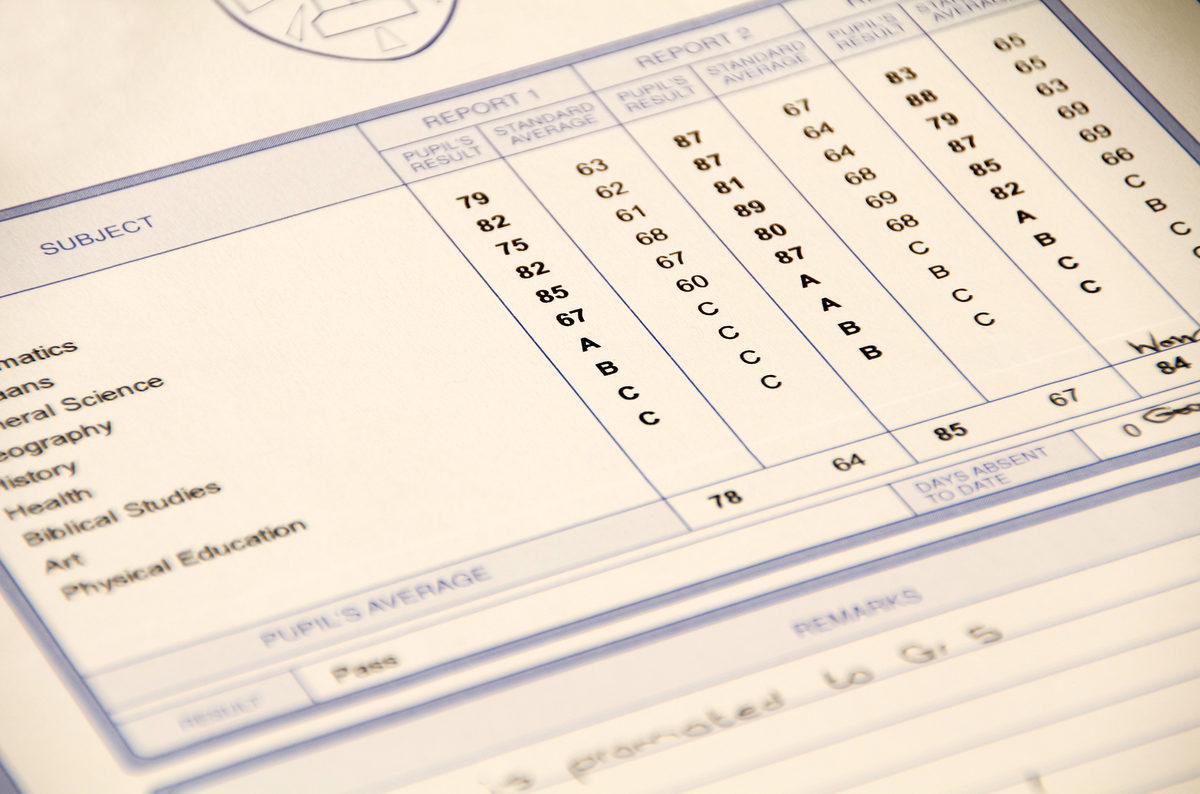
Given its pivotal role in validating investments and unlocking opportunities, a college transcript should be viewed and managed with the same diligence as any other significant financial asset. It’s a document that will likely be needed at various junctures throughout your professional life.
Requesting and Securing Your Valuable Document
Obtaining your transcript is usually a straightforward process, typically handled through your college’s registrar’s office, often online. There might be a small fee associated with requesting official copies, which should be considered a minor administrative cost for maintaining access to a critical financial document. It’s crucial to understand the difference between official and unofficial transcripts. Official transcripts are sealed or electronically secured by the issuing institution and sent directly to the requesting entity (e.g., employer, graduate school) to ensure authenticity. Unofficial transcripts are typically for personal reference. Treating your transcript request process with care ensures that this valuable asset is accessible when needed, preventing delays in job applications or further education.
Understanding Different Transcript Types and Their Financial Implications
Colleges typically offer paper and electronic transcripts. Electronic transcripts are increasingly popular due to their speed and ease of delivery, often being more cost-effective. However, some older institutions or specific application processes might still require paper copies. Knowing the preferred format for your application (job, graduate school, licensure) can save you time and potential re-submission fees. Furthermore, some applications might require a “degree-posted” transcript, meaning it must show your degree conferral date, which can take a few weeks post-graduation. Understanding these nuances is crucial for timely submissions and avoiding any financial setbacks due to application deadlines missed or opportunities lost.
Safeguarding Your Academic and Financial Legacy
Your college transcript is a document that confirms a significant investment and holds substantial future value. As such, protecting its authenticity and security is paramount. Always ensure you are requesting transcripts directly from the official institutional channels to avoid fraudulent services. Be wary of sharing personal academic information with unverified third parties. Colleges employ various security features (e.g., watermarks, seals, secure digital encryption) to prevent tampering. Protecting this document against fraud or unauthorized alteration is not just about academic integrity; it’s about safeguarding your entire academic and financial legacy, ensuring that your hard-earned credentials remain valid and reputable throughout your career.
The Long-Term Financial Impact of Your Academic Record
The influence of your college transcript extends far beyond initial job applications or graduate school admissions. It plays a continuous role in managing financial obligations and optimizing your educational investment over the long term.
Loan Deferment and Financial Aid Compliance
For many graduates, student loans are a significant financial responsibility. Your college transcript can be a critical document for managing these loans. For instance, if you decide to pursue further education, an official transcript may be required to prove enrollment status, which can make you eligible for student loan deferment, temporarily postponing payments and providing financial relief during periods of reduced income. Similarly, if you received financial aid or scholarships tied to specific academic performance or enrollment requirements, your transcript serves as the official proof of compliance, safeguarding those financial benefits and preventing potential repayment obligations.
Credit Transfer and Cost Savings
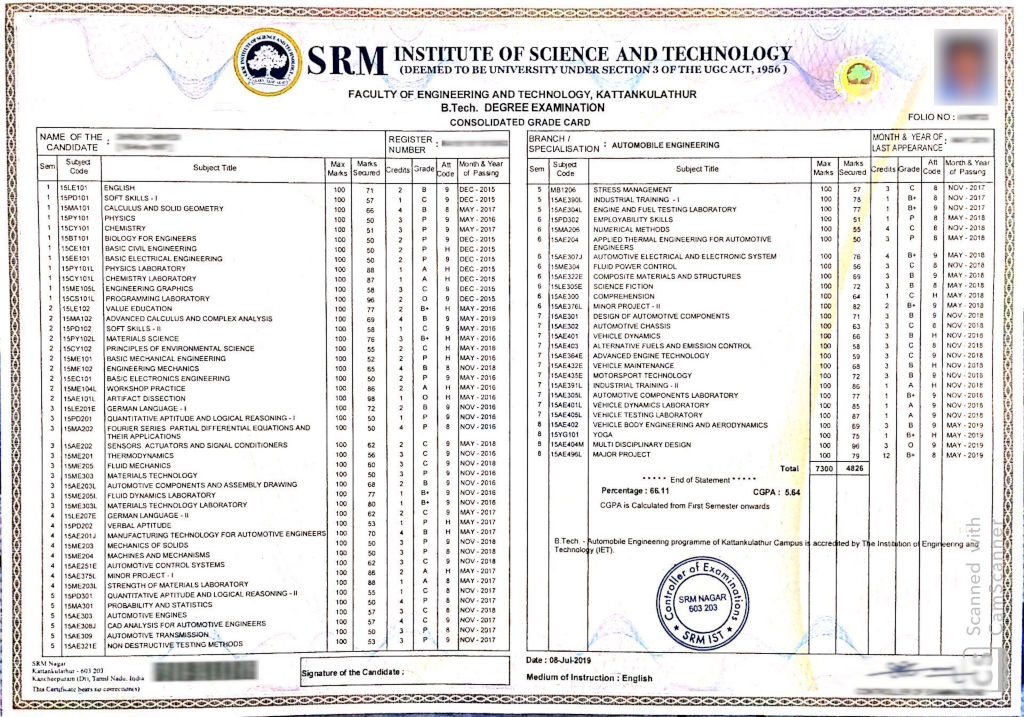
For students who attend multiple institutions or transfer credits, the transcript from previous colleges is indispensable. It allows new institutions to officially recognize coursework already completed, thereby preventing the need to retake courses and incur additional tuition fees. This direct transfer of credits translates into significant cost savings, reducing the overall financial burden of earning a degree. By efficiently leveraging past academic investments through transcript verification, students can optimize their educational path and minimize unnecessary expenditures.
A Lifetime Investment Portfolio
Ultimately, your college transcript should be viewed as a foundational document within your broader financial and professional portfolio. It represents a completed investment in your human capital – your knowledge, skills, and abilities – which is often the most valuable asset you possess. As you advance in your career, potentially pursuing certifications, executive education, or even entrepreneurial ventures, your foundational academic record, as evidenced by your transcript, remains a credible and essential component of your professional profile. It’s a living document that continually speaks to your capacity for learning and achievement, providing a long-term return on the initial financial outlay.
In conclusion, “What is a college transcript?” is a question that, when fully answered, reveals its profound economic importance. It’s not just an administrative record; it’s a powerful financial instrument that validates past investments, unlocks future opportunities, and influences lifelong financial trajectories. Understanding its purpose, managing it securely, and leveraging its power are crucial steps for anyone looking to maximize the return on their educational investment and achieve long-term financial success.
aViewFromTheCave is a participant in the Amazon Services LLC Associates Program, an affiliate advertising program designed to provide a means for sites to earn advertising fees by advertising and linking to Amazon.com. Amazon, the Amazon logo, AmazonSupply, and the AmazonSupply logo are trademarks of Amazon.com, Inc. or its affiliates. As an Amazon Associate we earn affiliate commissions from qualifying purchases.