
The question “what IQ is considered mentally retarded” delves into a sensitive and complex area of human cognition. Historically, specific IQ thresholds were used to define “mental retardation,” a term now widely recognized as outdated and replaced by “intellectual disability.” This evolution in terminology reflects a deeper understanding that human intelligence is multifaceted, encompassing more than a single score. As we navigate the complexities of human cognitive diversity, a parallel and equally profound conversation is unfolding in the realm of artificial intelligence: how do we measure, classify, and understand “intelligence” in machines?
This article will explore the historical context of human cognitive assessment, the shift towards a more comprehensive understanding of intellectual disability, and then pivot to the contemporary challenge of measuring machine intelligence. By drawing parallels and contrasts between human and artificial cognition, we can gain fresh insights into the very nature of intelligence itself, the limitations of simple benchmarks, and the ethical imperative to design technology that is inclusive and beneficial for all cognitive abilities.
The Evolution of Human Cognitive Assessment: From IQ Scores to Comprehensive Understanding
Understanding human intellectual disability provides a crucial backdrop for appreciating the nuances of intelligence, whether organic or synthetic. The journey from crude classifications to a holistic view highlights the limitations of reductionist approaches and the importance of context.
Defining Intellectual Disability: A Historical and Clinical Perspective
The concept of measuring intelligence gained significant traction in the early 20th century with the development of standardized tests. Pioneers like Alfred Binet and Theodore Simon, followed by later iterations like the Stanford-Binet Intelligence Scales and the Wechsler Adult Intelligence Scale (WAIS), aimed to quantify cognitive abilities. These tests yielded an “Intelligence Quotient” (IQ), a score intended to represent an individual’s intellectual aptitude relative to their age group.
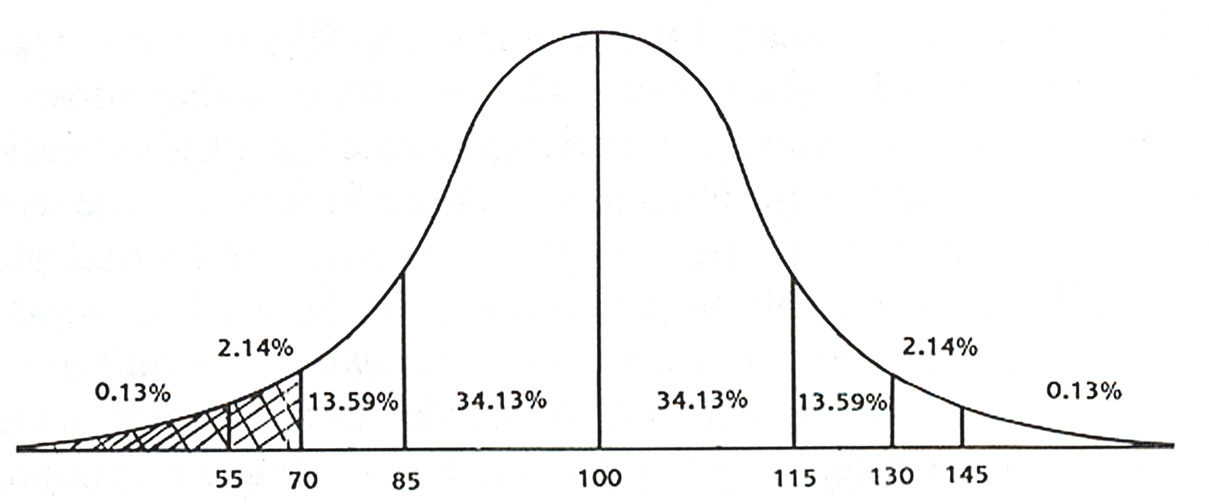
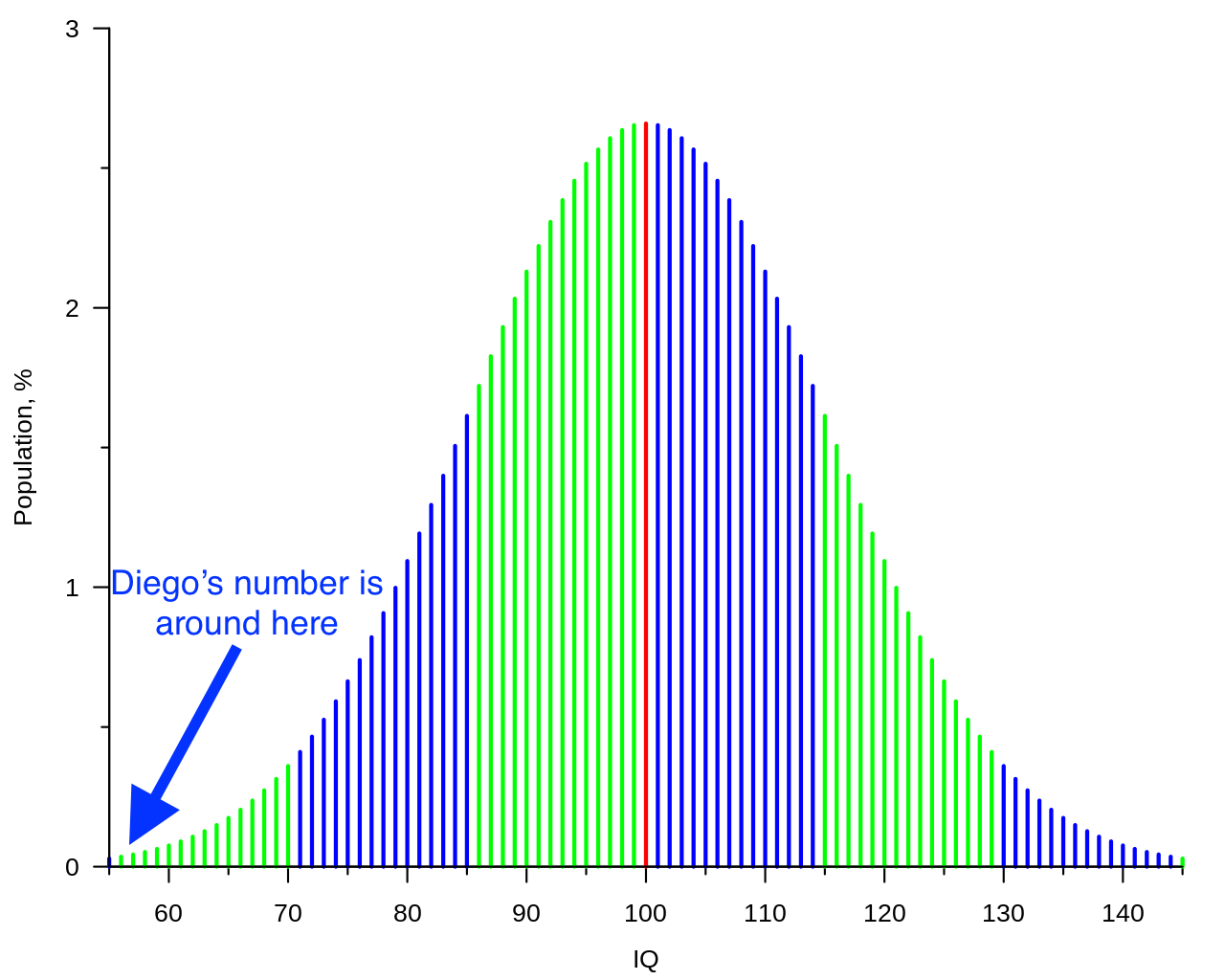
Historically, an IQ score below a certain threshold—typically around 70-75, which is two standard deviations below the mean of 100—was a primary criterion for diagnosing “mental retardation.” This classification was further subdivided into mild, moderate, severe, and profound categories based on even lower IQ scores. However, clinical practice swiftly recognized that a sole reliance on IQ scores was insufficient. A diagnosis of intellectual disability (ID) now requires not only significant limitations in intellectual functioning (as indicated by an IQ score around or below 70-75) but also concurrent significant limitations in adaptive functioning. Adaptive functioning refers to the skills people learn to function in their daily lives, such as conceptual skills (language, money), social skills (interpersonal, self-esteem), and practical skills (personal care, occupational skills). This dual criterion emphasizes that intelligence is not merely academic prowess but the ability to navigate and adapt to the demands of everyday life.
Limitations of Single-Metric Intelligence
The shift from “mental retardation” to “intellectual disability” reflects a broader acknowledgment of the limitations inherent in reducing human intelligence to a single numerical score. Critics of IQ testing point out several crucial shortcomings:
Firstly, IQ tests primarily measure a narrow band of cognitive abilities, often favoring verbal and logical-mathematical reasoning. They tend to overlook other forms of intelligence, such as creativity, emotional intelligence, practical wisdom, spatial reasoning, and kinesthetic ability, as proposed by theories like Howard Gardner’s multiple intelligences. An individual might score low on a traditional IQ test but excel in artistic expression, social navigation, or mechanical aptitude.
Secondly, IQ scores can be influenced by cultural biases, socioeconomic factors, educational opportunities, and even test anxiety. They do not account for environmental factors that shape cognitive development and performance. Moreover, a score represents a snapshot in time and can fluctuate, particularly during childhood and adolescence.
Thirdly, the focus on a single score can stigmatize individuals and oversimplify the complex tapestry of human cognitive variation. It can lead to labeling that overlooks individual strengths and promotes a deficit-based view rather than a strengths-based approach. The recognition that intelligence is a dynamic, multifaceted construct has propelled the development of more holistic assessment methods and, crucially, informs how we now think about and build artificial intelligences.
The Role of Technology in Human Cognitive Support
Even before the advent of sophisticated AI, technology has played an increasingly vital role in supporting individuals with diverse cognitive abilities. From early assistive communication devices to specialized educational software, technology has worked to bridge gaps and enhance adaptive functioning. Screen readers, voice-to-text software, predictive text, simplified interfaces, and specialized learning apps are just a few examples. These tools highlight technology’s potential not just to assess, but to augment and empower, laying the groundwork for more advanced AI-driven solutions. This paves the way for a deeper exploration into how we apply these lessons to artificial intelligence itself.
The Quest for Artificial Intelligence: Measuring Machine Cognition
As we strive to create ever more intelligent machines, the question of how to measure their “IQ” becomes paramount. Can we apply human benchmarks, or do we need entirely new metrics for artificial cognition?
AI’s “IQ” – Benchmarking Machine Intelligence
The aspiration to create machines that think, learn, and adapt has driven technological innovation for decades. As AI models become increasingly sophisticated, capable of processing vast amounts of data, recognizing patterns, and generating human-like responses, the desire to quantify their intelligence naturally arises. We might ask, “What is the IQ of ChatGPT?” or “How intelligent is AlphaGo?”
Unlike human IQ tests, which are relatively standardized, there’s no single “AI IQ” test. Instead, machine intelligence is evaluated through a variety of benchmarks and challenge sets tailored to specific tasks or domains. These include:
-
Natural Language Processing (NLP) Benchmarks: Datasets like GLUE (General Language Understanding Evaluation), SuperGLUE, and MMLU (Massive Multitask Language Understanding) assess an AI’s ability to understand language, reason over text, and answer complex questions. High scores on these benchmarks indicate strong linguistic comprehension and generative capabilities.
-
Computer Vision Benchmarks: Datasets like ImageNet evaluate an AI’s ability to recognize objects, classify images, and understand visual scenes.
-
Game-Playing AI: Performance in complex games like chess, Go, or StarCraft II often serves as a proxy for strategic thinking, planning, and adaptation.
-
Turing Test and its Variants: Proposed by Alan Turing, this test attempts to determine if a machine can exhibit intelligent behavior indistinguishable from a human. While influential, it’s often criticized for being easily fooled by superficial language mimicry rather than true understanding.
These benchmarks provide valuable insights into an AI’s capabilities within specific domains. However, just as a human IQ score doesn’t capture the full spectrum of human intelligence, these AI benchmarks often fail to capture true general intelligence, common sense, creativity, or emotional understanding. An AI might excel at predicting stock prices or generating coherent text but entirely lack basic common sense reasoning or the ability to generalize knowledge to novel situations.
Beyond Brute Force: Understanding AI’s Cognitive Gaps
While modern AI, particularly large language models and advanced neural networks, can perform astonishing feats, they often operate fundamentally differently from human cognition. Many current AI systems are essentially pattern-matching engines, highly optimized for specific tasks based on the data they were trained on. Their “intelligence” often stems from statistical correlation rather than genuine comprehension, causality, or consciousness.
Key cognitive gaps in AI compared to human intelligence include:
-
Common Sense Reasoning: AI still struggles with the vast, implicit knowledge about the world that humans acquire effortlessly. For example, an AI might struggle to understand that if you push a book off a table, it will fall.
-
Empathy and Emotional Understanding: While AI can detect emotions from text or facial expressions, it does not feel emotions or genuinely understand their subjective experience. This limits its ability to engage in truly nuanced social interactions.
-
Creativity and Originality: AI can generate novel content, but it often does so by remixing existing patterns rather than spontaneously creating something entirely new in the human sense.
-
Generalization to Novel Contexts: AI models can be brittle; excellent performance on a training dataset doesn’t guarantee similar performance when encountering slightly different or completely new scenarios outside their training distribution.
-
Theory of Mind: AI currently lacks the ability to infer the beliefs, intentions, and desires of others, a fundamental aspect of human social intelligence.
These limitations underscore that the “IQ” of an AI is a highly specialized metric, distinct from the holistic and adaptable intelligence of humans across the cognitive spectrum. Understanding these gaps is crucial not only for advancing AI but also for setting realistic expectations and ethical boundaries.
The Ethical Imperative: Designing Inclusive AI
As AI becomes more integrated into daily life, its design and deployment carry significant ethical responsibilities, especially concerning individuals with diverse cognitive abilities. Just as we moved beyond stigmatizing terms for human intellectual differences, we must ensure AI development fosters inclusivity.
This means:
-
Accessibility by Design: AI interfaces and interactions must be designed to be accessible to individuals with a wide range of cognitive profiles, including those with intellectual disabilities. This involves clear language, intuitive controls, and adaptable communication methods.
-
Bias Mitigation: Training data for AI must be carefully curated to avoid biases that could lead to discrimination or misinterpretation of individuals with different cognitive styles or communication patterns.
-
Transparent and Explainable AI: Understanding how an AI reaches its conclusions is vital, particularly when it impacts decisions concerning education, employment, or healthcare. Explainable AI (XAI) is critical for accountability and trust.
-
Avoiding Over-reliance and Dehumanization: AI should augment human capabilities, not replace critical human judgment or diminish human connection, particularly in fields like caregiving or education for individuals with intellectual disabilities.
The journey to understand and support human cognitive diversity directly informs the ethical roadmap for creating responsible and beneficial artificial intelligence.
Bridging the Cognitive Divide: AI as a Tool for Understanding and Enhancement
The advancements in AI are not just about creating intelligent machines; they also offer unprecedented opportunities to better understand, assess, and support human cognition across its entire spectrum, including intellectual disabilities.
AI-Powered Cognitive Assessment and Diagnostics
Traditional cognitive assessments, including IQ tests, can be time-consuming, resource-intensive, and may not fully capture an individual’s dynamic abilities. AI offers the potential for more personalized, adaptive, and nuanced approaches:
-
Dynamic Assessment: AI can power adaptive testing platforms that adjust difficulty based on performance, identifying an individual’s learning potential rather than just static knowledge.
-
Behavioral Pattern Analysis: Machine learning algorithms can analyze vast amounts of data, including speech patterns, eye-tracking, movement, and interaction with digital interfaces, to identify subtle indicators of cognitive strengths and challenges, potentially leading to earlier diagnoses or more tailored interventions for intellectual disabilities.
-
Personalized Learning Pathways: AI can adapt educational content and delivery methods to an individual’s specific learning style and pace, which is particularly beneficial for students with diverse cognitive needs.
-
Early Intervention: By analyzing developmental milestones and behavioral data, AI models could potentially identify children at risk for developmental delays, allowing for earlier and more effective interventions.
Assistive AI for Cognitive Support
Beyond assessment, AI is transforming assistive technologies, offering new levels of support for individuals with intellectual disabilities:
-
Enhanced Communication Aids: AI-powered speech recognition, synthesis, and language translation can facilitate communication for individuals with speech impediments or those who require visual communication supports.
-
Smart Home and Daily Living Assistants: AI-driven smart home devices can help with routine tasks, provide reminders, enhance safety, and promote independence in daily living for individuals with intellectual disabilities.
-
Vocational Training and Job Support: AI simulations can create realistic, safe environments for vocational training, helping individuals learn job skills. AI can also assist in job coaching, providing real-time feedback and support.
-
Personalized Companionship and Social Skills Training: While not a replacement for human interaction, AI companions can offer structured social interaction opportunities and help individuals practice social skills in a safe environment.
These applications demonstrate AI’s capacity to move beyond mere measurement to actively empower and improve quality of life, focusing on adaptive functioning and individual potential.
The Future of Intelligence: Human, Artificial, and Interconnected
As AI continues its rapid evolution, it compels us to re-evaluate our fundamental definitions of intelligence. The interplay between human and artificial cognition will undoubtedly shape the future.
Redefining Intelligence in a Hybrid World
The existence of sophisticated AI challenges our anthropocentric view of intelligence. Is intelligence solely about human-like reasoning, or does it encompass the ability to process information efficiently, learn from data, and solve complex problems, regardless of the substrate? As AI achieves feats once thought exclusive to human intellect, we are forced to confront questions about consciousness, understanding, and the true meaning of cognitive capability. The full spectrum of human intelligence, including intellectual disabilities, serves as a critical reference point, reminding us that intelligence is not monolithic and its value lies not just in power, but in purpose, adaptability, and context.
Collaborative Intelligence: Human-AI Partnerships
The future of intelligence is less about AI replacing humans and more about synergistic partnerships. AI is poised to become a powerful augmentative tool, extending human capabilities across the cognitive spectrum. For individuals with intellectual disabilities, this could mean AI-powered support that helps overcome specific challenges, unlocks latent potentials, and enhances integration into society. For neurotypical individuals, AI can assist in complex problem-solving, data analysis, and creative endeavors. The focus shifts from comparing human IQ to AI benchmarks to fostering environments where diverse human intelligences, supported by AI, can thrive collaboratively.
Responsible AI Development: Prioritizing Human Well-being
The insights gained from understanding human cognitive diversity, particularly intellectual disability, are invaluable for guiding responsible AI development. We must ensure AI is built with an ethical compass, prioritizing human well-being, dignity, and autonomy. This means:
-
Human-Centered Design: Developing AI with a deep understanding of human needs, limitations, and aspirations, involving diverse user groups, including those with intellectual disabilities, in the design process.
-
Ethical Oversight and Regulation: Establishing robust frameworks to guide AI’s development and deployment, preventing harm, and ensuring fairness.
-
Education and Literacy: Promoting digital literacy and critical thinking about AI, empowering individuals to understand and responsibly interact with these powerful tools.
By integrating lessons from human psychology and prioritizing ethical, inclusive design, we can ensure that the age of artificial intelligence is one that genuinely benefits all of humanity, celebrating and supporting the full richness of human cognitive variation.
Conclusion
The question “what IQ is considered mentally retarded” has evolved from a simple diagnostic query into a profound exploration of intelligence itself. The shift to “intellectual disability” reflects a deeper understanding of human cognition as multifaceted and adaptive. This historical journey provides critical insights as we grapple with defining and measuring intelligence in machines. In the age of AI, our understanding of human cognitive benchmarks, including the spectrum of intellectual abilities, is not merely a clinical concern but a vital guide for developing ethical, inclusive, and truly intelligent technologies. By leveraging AI to better understand, assess, and support human cognition, we can move towards a future where technology empowers every individual, regardless of their cognitive profile, to reach their full potential. The lessons learned from human cognitive diversity are, in essence, the blueprint for building a more intelligent and humane artificial future.
aViewFromTheCave is a participant in the Amazon Services LLC Associates Program, an affiliate advertising program designed to provide a means for sites to earn advertising fees by advertising and linking to Amazon.com. Amazon, the Amazon logo, AmazonSupply, and the AmazonSupply logo are trademarks of Amazon.com, Inc. or its affiliates. As an Amazon Associate we earn affiliate commissions from qualifying purchases.