
In the vast, interconnected cosmos of commerce, a brand exists as a luminous entity, radiating purpose, value, and identity. It draws in customers, inspires loyalty, and creates its own gravitational pull within the market. But what happens when this carefully constructed entity encounters forces so powerful that it begins to falter, to distort, and eventually, to collapse into a metaphorical “black hole”? This isn’t about cosmic phenomena, but about the very real and devastating journey a brand can take from prominence to peril, and ultimately, to market irrelevance or outright demise.
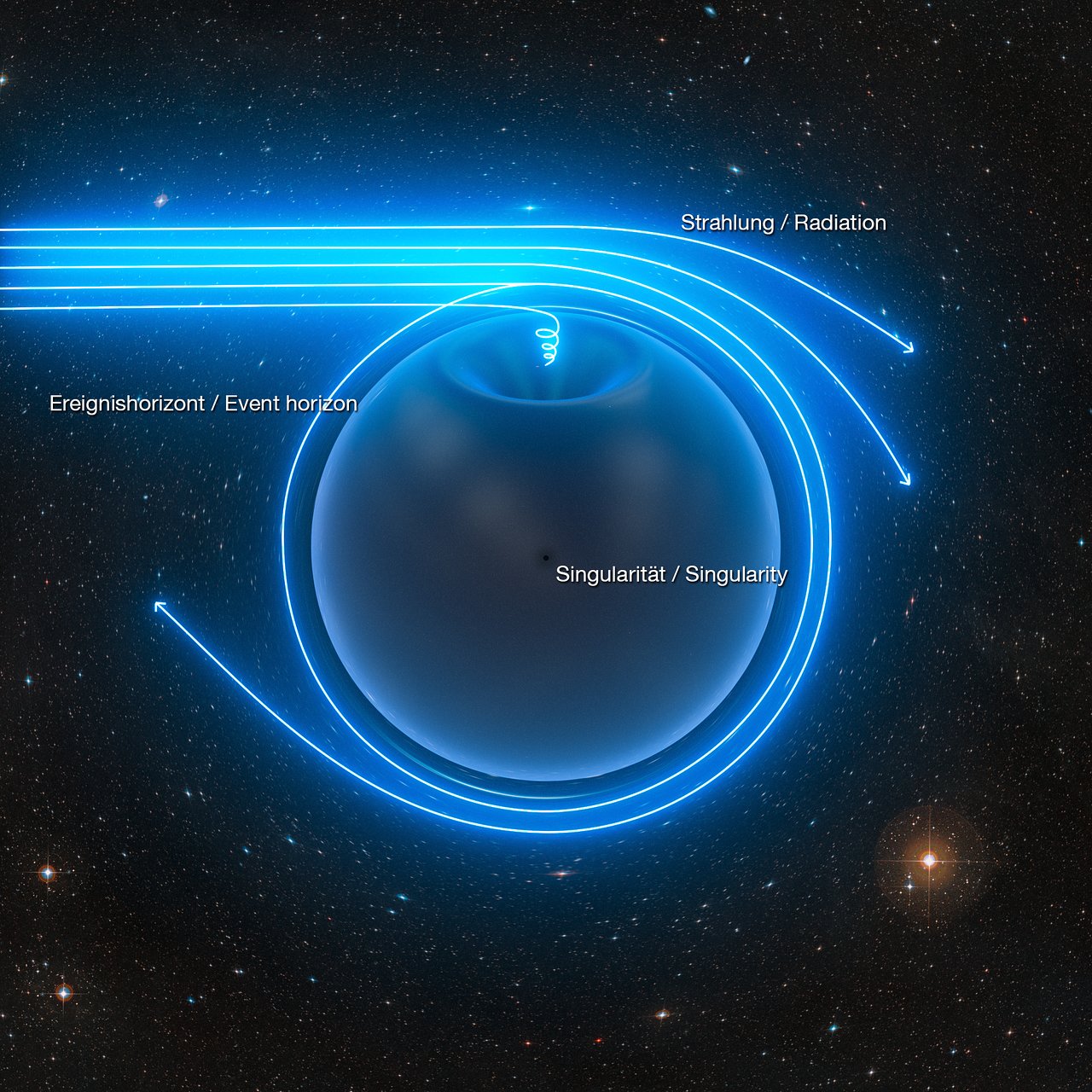
A brand’s “black hole” signifies a state of severe crisis, a profound loss of identity, relevance, or reputation from which escape seems impossible. It’s a point where trust erodes, recognition fades, and the very essence of what made the brand special is irrevocably lost. Understanding this perilous journey is not just a cautionary tale; it’s an essential framework for brand strategy, offering insights into the initial signs of trouble, the accelerating factors of decline, and the monumental effort required for either survival or, in rare cases, rebirth. For any brand architect, marketer, or business leader, recognizing the gravity wells that pull a brand towards its event horizon is the first step in avoiding obliteration.
The Gravity Well of Reputation: Initial Signs of Collapse
Just as a celestial body gives subtle hints before succumbing to immense gravitational forces, a brand rarely plunges into a black hole without warning. The initial signs are often subtle, a gradual dimming of its former brilliance, a slight distortion in how it’s perceived. These are the early tremors, the initial pulls into the gravity well of reputational decay, which, if ignored, can quickly accelerate into a full-blown crisis.
Fading Luminosity: Declining Engagement and Visibility
The first indicator of a brand heading towards trouble is often a noticeable reduction in its “luminosity”—its ability to attract attention and engage its audience. This manifests in several tangible ways: a decline in social media engagement, where likes, shares, and comments diminish; a drop in website traffic, indicating fewer people are actively seeking out the brand; and a reduction in media mentions, signaling a loss of relevance in broader conversations. These aren’t just minor fluctuations; they represent a fundamental weakening of the brand’s magnetic pull. When a brand stops being a topic of discussion or a point of interest, it starts to fade from the collective consciousness, a precursor to becoming entirely invisible.
Distorted Perception: Negative Sentiment and Rumors
More insidious than waning visibility is the subtle shift in public perception. This stage is characterized by the emergence and amplification of negative sentiment. Isolated complaints begin to coalesce into recurring themes; negative reviews gain disproportionate traction, and online conversations take a critical turn. Rumors, often fueled by lack of transparency or slow responses, start to circulate and solidify into perceived truths. This isn’t necessarily a full-blown scandal yet, but rather a slow, corrosive process where the brand’s narrative begins to be hijacked by critics. The brand’s intended message is distorted, refracted through a lens of skepticism and disapproval, making it increasingly difficult for positive attributes to shine through.
Cracks in the Structure: Internal Disillusionment
A brand’s outward perception is often a reflection of its internal health. As external pressures mount and the brand’s reputation starts to fray, the internal fabric of the organization begins to show cracks. Employees, once proud ambassadors, may become disillusioned, feeling the disconnect between the brand’s stated values and its operational reality. This can lead to increased employee turnover, a decline in morale, and a breakdown in internal communication. When the very people tasked with upholding the brand’s promise lose faith, their lack of engagement directly impacts customer experience and product quality. An internally fractured brand struggles to present a unified front, further accelerating its descent into the gravity well.
Spaghettification of Identity: The Erosion of Core Values
As a brand draws closer to its black hole, it enters a phase akin to “spaghettification”—the astronomical term for how an object is stretched and torn apart by extreme tidal forces. For a brand, this means its core identity and values are stretched, distorted, and eventually torn apart, losing their original form and coherence. This erosion makes the brand unrecognizable, leaving it without a clear purpose or promise.
Stretching Beyond Recognition: Inconsistent Messaging
One of the most critical aspects of brand spaghettification is the loss of a coherent voice. Under pressure, brands may try to appeal to too many diverse audiences, resulting in inconsistent messaging across different platforms, campaigns, or even departments. What the marketing team promises might contradict the customer service experience, or the CEO’s public statements might diverge from the company’s actual practices. This stretching of the brand’s communication makes it appear insincere, untrustworthy, and ultimately, unrecognizable to its core audience. The original, strong brand identity becomes diluted, fragmented, and weak, unable to stand for anything distinct.
Disintegration of Purpose: Loss of Mission and Vision
A brand’s purpose and vision are its guiding stars. When a brand begins to lose its way, it often signifies a disintegration of this core mission. This can happen for various reasons: chasing short-term profits at the expense of long-term values, abandoning original customer segments, or simply forgetting “why” the brand was created in the first place. Without a clear purpose, product development may become haphazard, marketing efforts unfocused, and strategic decisions lack a unified direction. The brand becomes a collection of disparate activities rather than a cohesive entity driven by a clear mission, resembling a celestial body whose internal forces can no longer hold it together.
Tidal Forces of Controversy: Ethical Lapses and Public Scrutiny
The most forceful “tidal forces” that lead to identity spaghettification are often ethical lapses and the intense public scrutiny they attract. Incidents like data breaches, environmentally irresponsible practices, unfair labor policies, or misleading advertising reveal a stark disconnect between a brand’s stated values and its actual conduct. These controversies not only damage reputation but fundamentally question the brand’s integrity. The public, armed with social media, acts as an amplifying lens, highlighting every inconsistency and exposing every misstep. This intense pressure stretches the brand’s ethical fabric to its breaking point, often resulting in irreparable tears and a complete loss of its moral compass.
Event Horizon: Crossing the Point of No Return
The event horizon is the theoretical boundary around a black hole beyond which no light or information can escape. For a brand, crossing this event horizon signifies a point of no return—a catastrophic state where the damage is so profound that traditional recovery strategies become ineffective. The brand’s ability to communicate, rebuild trust, or even exist in the market is severely compromised.
Irreversible Damage: Catastrophic Loss of Trust
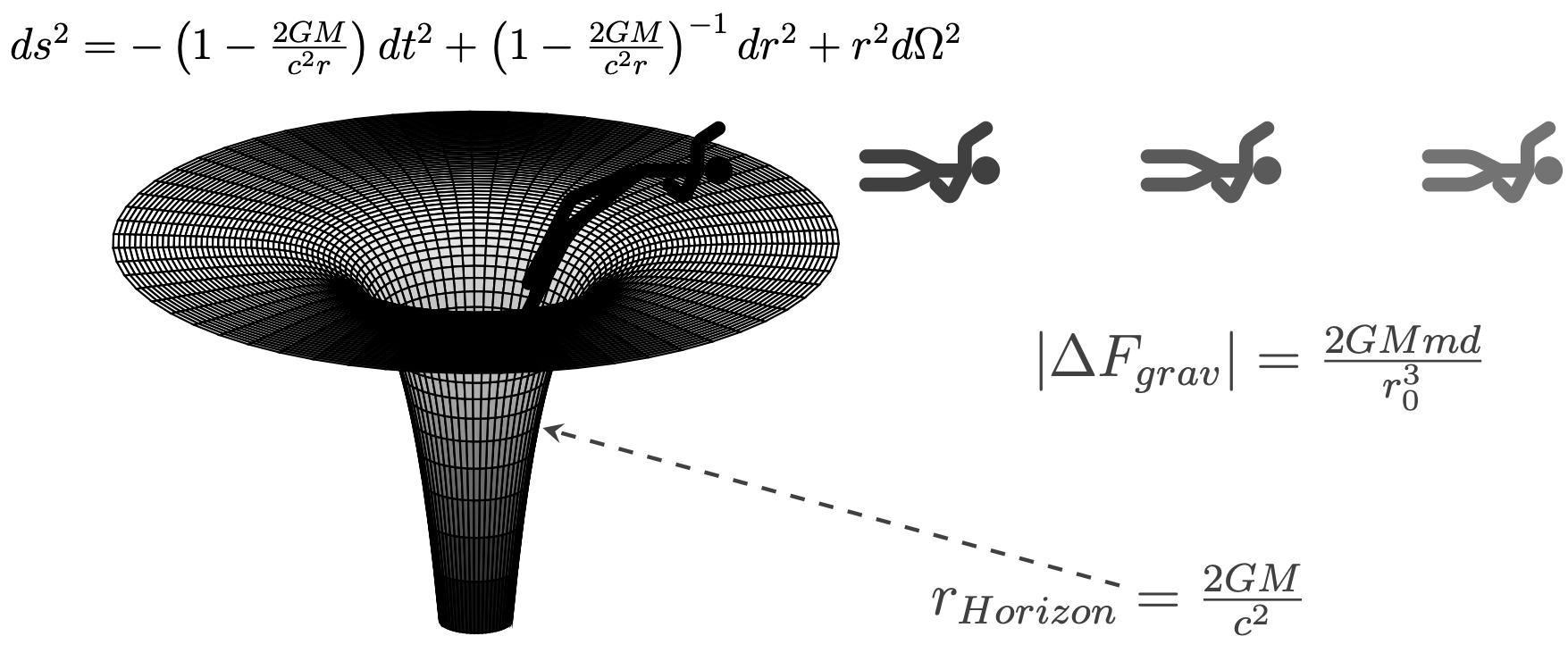
Crossing the event horizon often involves an irreversible loss of trust. This isn’t merely a dip in public confidence but a complete collapse, where customers, stakeholders, and even employees no longer believe in the brand’s promises or integrity. This can stem from major scandals, persistent patterns of unethical behavior, or a complete betrayal of customer expectations (e.g., massive product failures or privacy violations). Once trust is fundamentally broken, it is exceptionally difficult, if not impossible, to mend. Consumers may simply decide the brand is no longer worthy of their custom, regardless of subsequent efforts.
The Information Singularity: Overwhelmed by Negative Narrative
At the heart of a brand’s black hole lies an “information singularity”—a point where the negative narrative becomes so dense and pervasive that any positive message, any attempt at explanation or apology, is instantly absorbed and neutralized. The brand loses all control over its own story. Every action, every statement, is reinterpreted through the lens of past failures and negative sentiment. Social media feeds, news cycles, and public discourse become saturated with criticism, overshadowing any attempt at redemption. The brand’s voice is drowned out, its efforts rendered invisible, trapped within an inescapable vortex of negativity.
Market Irrelevance: The Brand Becomes Invisible
The ultimate consequence of crossing the event horizon is market irrelevance. When a brand falls into a black hole, it effectively disappears from the competitive landscape. Customers no longer consider it an option; competitors fill the void with superior or more trustworthy alternatives; and even attempts at rebranding or launching new initiatives fall flat due to a complete lack of interest or lingering stigma. The brand might still physically exist, but its presence is devoid of meaning, power, or influence. It becomes an empty shell, a relic of what once was, effectively invisible to its target market.
Navigating the Void: Strategies for Survival and Rebirth
While the prospect of a brand black hole is terrifying, it is not always a definitive end. Some brands, through extraordinary effort, strategic brilliance, and genuine commitment to change, manage to navigate the void and achieve a form of rebirth. This arduous journey requires acknowledging the crisis, fundamentally rethinking the brand’s purpose, and meticulously rebuilding trust.
Stabilizing the Field: Crisis Communication and Transparency
The immediate aftermath of a crisis requires swift, honest, and empathetic communication. This means taking responsibility, avoiding defensive posturing, and articulating clear action plans to address the issues head-on. Transparency is paramount; concealing information only deepens the black hole’s gravitational pull. Brands that manage to survive often do so by establishing open dialogues with stakeholders, showing genuine remorse, and consistently demonstrating a commitment to rectification. This “stabilizing the field” prevents further acceleration towards the singularity by reducing uncertainty and beginning the slow process of trust repair.
Recalibrating Trajectories: Re-evaluating Core Identity and Purpose
Survival necessitates a profound introspection. Brands must go back to basics, re-evaluating their core identity, values, and purpose. What does the brand truly stand for? Is it still relevant in the current market? Does its mission align with societal expectations? This often involves a complete overhaul of its internal culture, product offerings, and customer engagement strategies. It’s about finding a new trajectory, a renewed sense of direction that is authentic, sustainable, and resonates with contemporary values. This recalibration is not just a superficial rebranding; it’s a fundamental rediscovery of the brand’s essence.
Harnessing New Energy: Innovation and Adaptation
Emerging from the void requires new energy – often fueled by genuine innovation and a willingness to adapt. This could mean introducing groundbreaking products or services that address previous shortcomings, adopting ethical practices that set new industry standards, or pioneering new forms of customer engagement. The brand must demonstrate, through tangible actions, that it has learned from its mistakes and is committed to a better future. This adaptation shows dynamism and a forward-looking vision, slowly building a new foundation of relevance and value that can counteract the lingering negative perceptions.
Building Escape Velocity: Future-Proofing Your Brand
Escaping a black hole’s gravity requires immense “escape velocity.” For a brand, this means not just surviving a crisis, but strategically building resilience to prevent future descents. It involves continuous vigilance, fostering an authentic culture, and consistently investing in long-term value creation.
Constant Vigilance: Proactive Reputation Management
Future-proofing a brand begins with constant vigilance. This involves proactive reputation management, continuously monitoring social listening channels, engaging with customer feedback, and maintaining robust digital security protocols. It also means establishing clear ethical frameworks and empowering employees to uphold brand values. By addressing small issues before they escalate, maintaining open lines of communication, and being transparent in all dealings, brands can prevent minor disturbances from growing into powerful gravity wells. Prevention is always less costly and more effective than cure.
Gravitational Resilience: Building an Authentic and Adaptable Brand Culture
A truly resilient brand possesses a strong, authentic, and adaptable internal culture. This culture champions brand values, empowers employees, fosters innovation, and encourages ethical decision-making at every level. A resilient brand is not rigid; it has the flexibility to pivot, learn from mistakes, and evolve with market changes and societal expectations. This internal “gravitational resilience” ensures that even when external pressures mount, the brand’s core remains stable, allowing it to navigate turbulence without fracturing its identity. It’s about creating an organization that intrinsically embodies its brand promise.

Beyond the Horizon: Investing in Long-Term Value
Finally, building escape velocity means consistently looking “beyond the horizon” and investing in long-term value creation rather than chasing short-term gains. This includes focusing on sustainable practices, contributing positively to communities, and consistently delivering exceptional quality and customer experience. By prioritizing deep, loyal connections with customers and stakeholders, and by demonstrating a commitment to societal well-being, brands can build an enduring legacy of trust and relevance. This long-term focus generates a positive force field that can repel negative influences and ensure the brand continues to shine brightly, far from the gravitational pull of any potential black hole.
In conclusion, the journey of a brand into a black hole is a sobering narrative of decline, driven by eroding trust, inconsistent identity, and unaddressed crises. Yet, it also underscores the incredible potential for resilience and transformation. Brands that emerge from such depths do so not by accident, but by confronting harsh realities, embracing radical transparency, and fundamentally reinventing themselves with an unwavering commitment to authenticity and purpose. The ultimate lesson is not merely to fear the black hole, but to understand its mechanics, identify its precursors, and continuously strengthen the brand’s core so that it may always navigate the cosmos of commerce with enduring luminosity.
aViewFromTheCave is a participant in the Amazon Services LLC Associates Program, an affiliate advertising program designed to provide a means for sites to earn advertising fees by advertising and linking to Amazon.com. Amazon, the Amazon logo, AmazonSupply, and the AmazonSupply logo are trademarks of Amazon.com, Inc. or its affiliates. As an Amazon Associate we earn affiliate commissions from qualifying purchases.