
In an era defined by technological advancements and smart living, our kitchens have become sophisticated hubs of innovation. From induction cooktops to smart refrigerators, the modern home is brimming with gadgets designed to streamline our lives. Among these, the microwave oven remains a ubiquitous and indispensable appliance, a marvel of convenience that has revolutionized meal preparation. Yet, despite its widespread use, many users operate their microwaves with a superficial understanding of the underlying technology and, crucially, the intricate interactions between electromagnetic waves and various materials. The seemingly innocuous question, “What happens if you microwave styrofoam?”, serves as a gateway to a deeper exploration of appliance mechanics, material science, and the paramount importance of user education in ensuring both gadget longevity and personal safety.
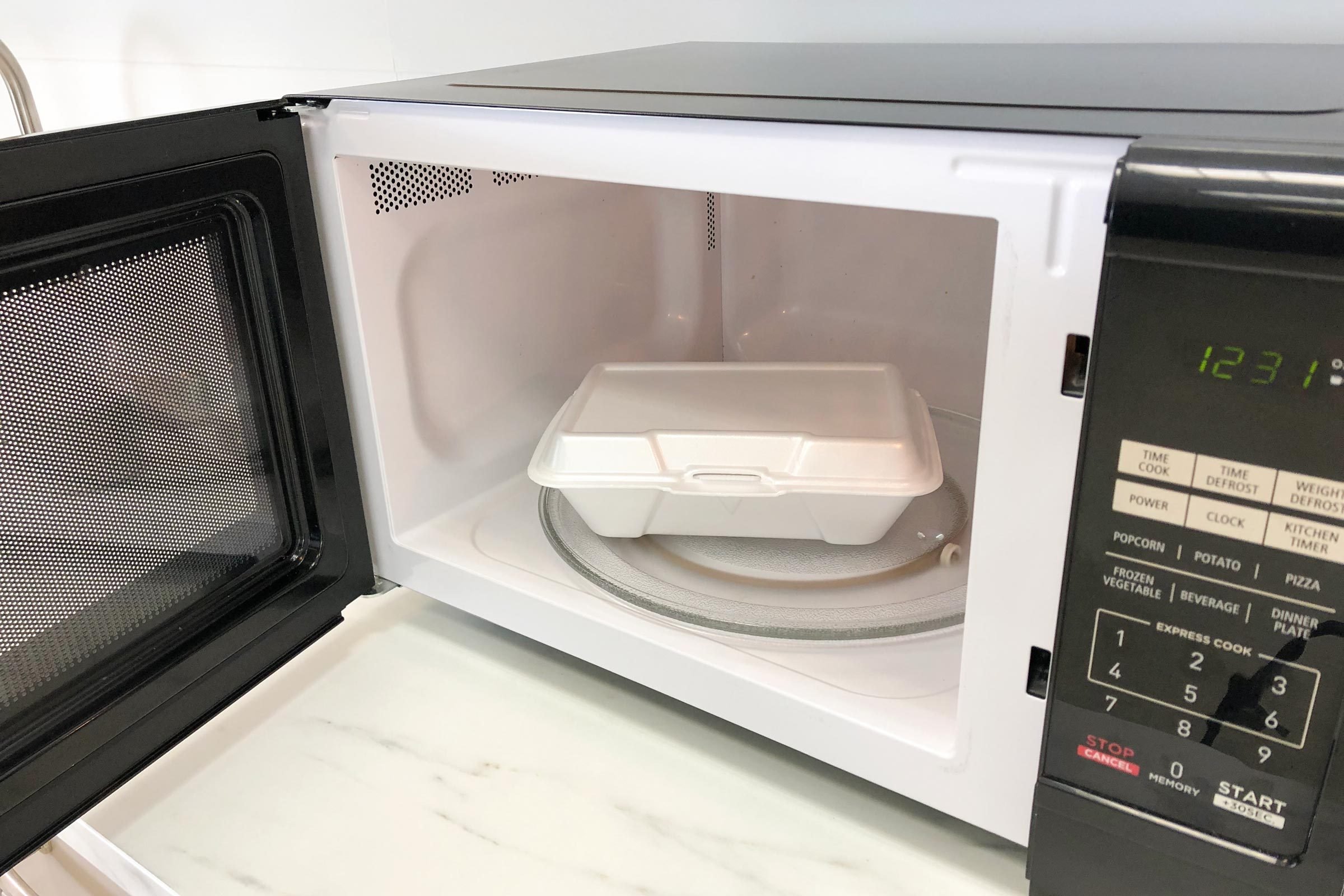
This article transcends a simple warning about a common plastic. It unpacks the technological principles governing microwave operation, dissects the material composition of everyday items like styrofoam, and extrapolates these insights into broader best practices for responsible and informed gadget use. Understanding these dynamics is not merely about avoiding a kitchen mishap; it’s about optimizing the performance of your appliances, safeguarding your health, and becoming a more discerning and tech-literate consumer in your own home.
The Science Behind Your Microwave: Demystifying a Kitchen Gadget
To truly grasp the implications of placing certain materials inside a microwave, we must first understand the fundamental technology that drives this remarkable appliance. Far from a simple heating box, a microwave oven employs sophisticated principles of physics to rapidly cook or reheat food.
Electromagnetic Waves and Molecular Vibration
At the heart of every microwave oven is a magnetron, a vacuum tube that generates electromagnetic radiation in the microwave spectrum. These waves, typically around 2.45 gigahertz (GHz), are directed into the oven’s cavity, where they interact with food. Unlike traditional ovens that heat food from the outside in, microwaves penetrate food and cause water molecules (and other polar molecules) within it to rapidly vibrate and rotate. This molecular friction generates heat, effectively cooking the food from the inside out.
The efficiency of this process hinges on the material’s ability to absorb these microwaves. Water, fats, and sugars are excellent absorbers. Metals, on the other hand, reflect microwaves, leading to arcing and potential damage to the appliance. Air and most ceramics are largely transparent to microwaves, allowing them to pass through without heating. Understanding these basic interactions is foundational to appreciating why different containers behave so distinctly when subjected to microwave radiation.
Why Materials Heat Differently
The critical distinction among materials in a microwave lies in their dielectric properties—how they react to an electric field. Materials are broadly categorized as:
-
Transparent: These materials, like glass and most ceramics, allow microwaves to pass through them with minimal absorption or reflection. They do not heat up significantly themselves but rather allow the microwaves to reach the food.
-
Absorbent: These are the materials we want in a microwave, primarily food items containing water, fat, and sugar. They absorb microwave energy and convert it into thermal energy, heating up rapidly.
-
Reflective: Metals fall into this category. They bounce microwaves around the oven cavity, preventing them from reaching the food and potentially causing dangerous arcing, sparks, and damage to the magnetron and oven interior.
-
Reactive: Certain plastics and other synthetic materials can react unpredictably. Some may melt, others may deform, and crucially, some may leach chemicals when exposed to heat and microwave radiation. This is where styrofoam enters the critical discussion.
Recognizing these categories is the first step in operating your kitchen gadgets safely and effectively, transforming a simple appliance user into a discerning tech enthusiast who understands the “why” behind the “what.”
Styrofoam Under Scrutiny: A Material Science Perspective
With a foundational understanding of microwave technology, we can now specifically address styrofoam. Far from a benign container, styrofoam (a brand name for extruded polystyrene foam) represents a classic case study in material incompatibility within a high-tech kitchen environment.
The Composition of Polystyrene
Styrofoam is primarily made from polystyrene, a type of plastic polymer. During its manufacturing, polystyrene is expanded with gas to create a lightweight, foam-like structure, trapping air and providing excellent insulation. This makes it ideal for disposable coffee cups, takeout containers, and packaging materials that need to keep items hot or cold. However, this very composition, while advantageous for insulation, renders it highly unsuitable for microwave use.
Polystyrene is a thermoplastic, meaning it becomes soft and pliable when heated to a certain temperature and hardens upon cooling. Its relatively low melting point is a critical vulnerability when subjected to the intense, localized heating produced by microwave radiation.
Heat Sensitivity and Chemical Leaching
When styrofoam is placed in a microwave, two significant issues arise:
-
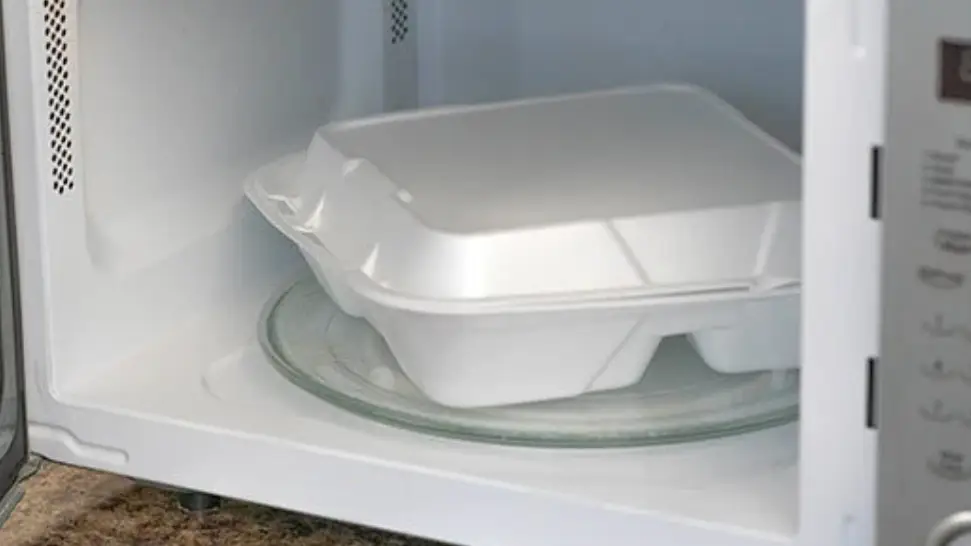
Melting and Deformation: The microwave energy quickly causes the water molecules in the food or beverage within the styrofoam container to heat up. This heat is then transferred to the surrounding polystyrene. Because polystyrene has a low heat deflection temperature (the temperature at which a polymer specimen deforms under a specified load), it rapidly softens, melts, and distorts. The container loses its structural integrity, potentially spilling hot contents and creating a significant burn hazard.
-
Chemical Leaching: This is perhaps the more insidious and critical concern from a health perspective. Polystyrene and other plastics can contain chemical additives, including styrene monomers, benzene, and phthalates, which are used in their production or to enhance their properties. When exposed to high temperatures, particularly in the presence of fatty or acidic foods, these chemicals can leach out of the plastic and migrate into the food. These chemicals are endocrine disruptors and potential carcinogens, raising serious health concerns about long-term exposure. From a tech perspective, this highlights a critical failure point where a simple material choice directly compromises the safety and integrity of the “product” (your food) being processed by the gadget.
The Risks to Appliance and Health
Microwaving styrofoam doesn’t just damage the container; it poses risks to both your appliance and your health:

-
Appliance Damage: Melted plastic can stick to the microwave’s interior, creating a difficult-to-clean mess. If the plastic drips onto the turntable motor or other internal components, it could cause functional issues or even short circuits, compromising the lifespan and performance of your kitchen gadget.
-
Health Hazards: The leaching of harmful chemicals into your food is a direct threat to personal well-being. Consuming food contaminated with these substances can contribute to a range of health issues, from hormonal imbalances to an increased risk of certain cancers. This transforms a simple act of reheating into a significant health risk, underscoring the importance of informed gadget use.
Beyond Styrofoam: Best Practices for Microwave-Safe Containers
The lessons learned from styrofoam extend to a broader understanding of how to select appropriate containers for your microwave. This isn’t just about avoiding a single problematic material; it’s about adopting a systematic approach to kitchen safety and optimizing your interaction with your cooking technology.
Identifying Microwave-Safe Labels and Materials
The most reliable indicator of a container’s suitability for microwave use is a “microwave-safe” label. This symbol typically looks like a microwave with wavy lines, or a dish with wavy lines above it, or simply states “microwave safe.” Manufacturers apply this label after testing the material under specific conditions to ensure it won’t leach chemicals or degrade when heated in a microwave.
When a container lacks such a label, exercise caution. General guidelines for common materials include:
-
Glass: Almost always microwave-safe (Pyrex, Anchor Hocking are good examples), as it’s transparent to microwaves and highly heat-resistant.
-
Ceramics: Most ceramic dishes are safe, provided they don’t have metallic glazes or decorations, which can cause arcing.
-
Paper Products: Paper towels, plates, and wax paper are generally safe for short periods, primarily for covering food to prevent splattering. Avoid brown paper bags or recycled paper products, as they can contain impurities that may ignite.
-
Specific Plastics: While a general rule is to be wary of plastics, some are specifically engineered to be microwave-safe. These are typically marked with the microwave-safe symbol and are designed to withstand high temperatures without leaching harmful chemicals. Look for plastics labeled with recycling codes #2 (HDPE), #4 (LDPE), and #5 (PP), but always prioritize the explicit “microwave-safe” designation.
Embracing Smarter Materials: An Upgrade to Your Kitchen Tech Ecosystem
For consistent and worry-free microwave use, integrating inherently safer and more durable materials into your kitchenware collection is a smart upgrade. Investing in high-quality, microwave-safe alternatives not only mitigates health risks but also enhances the overall functionality and longevity of your kitchen ecosystem.
-
Glass Containers with Lids: These are the gold standard. They are inert, non-porous, and can go from refrigerator to microwave (and often to oven) without issue. Many come with snap-on lids for convenient storage.
-
Borosilicate Glassware: Specifically engineered for thermal shock resistance, making it even safer for extreme temperature changes.
-
Silicone: Food-grade silicone is another excellent option. It’s flexible, heat-resistant, and non-reactive, making it suitable for steaming, baking, and reheating in the microwave.
-
Microwave-Safe Ceramic Bowls: Durable and aesthetically pleasing, these are excellent for everyday use.
By opting for these superior materials, you’re not just making a safer choice; you’re elevating your kitchen’s functional tech to a higher standard of performance and reliability. It’s a testament to understanding that the “tool” (microwave) is only as good as the “medium” (container) through which it operates.
Innovations in Microwave Technology and Kitchenware
The issue of material compatibility is not lost on manufacturers. The tech industry continues to evolve, bringing innovations to both microwave ovens and the containers designed for them, aiming to enhance safety, efficiency, and user experience.
Sensor Cooking and Intelligent Features
Modern microwaves are increasingly equipped with intelligent features that take some of the guesswork out of cooking. Sensor cooking, for instance, uses humidity sensors to detect steam emitted from food, automatically adjusting cooking time and power levels. While primarily designed for optimal food preparation, these sensors can indirectly contribute to safety by preventing overcooking, which could potentially overheat containers not explicitly designed for prolonged exposure.
Furthermore, some high-end smart microwaves can connect to apps, offering recipe guidance that includes material recommendations and cooking presets. This integration of smart tech provides a layer of informed decision-making, guiding users away from unsafe practices through pre-programmed intelligence.
The Evolution of Microwave-Safe Packaging
Beyond reusable containers, the packaging industry is also responding to the demand for microwave-safe solutions. Manufacturers of frozen meals and pre-packaged foods are investing in advanced plastics and paper-based materials that are rigorously tested to withstand microwave temperatures without leaching chemicals. These “active packaging” solutions are designed to safely interact with food during the heating process, ensuring consumer safety. Consumers are encouraged to trust the explicit “microwave-safe” labels on such packaging, as they represent significant material science and engineering efforts.
Future Trends in Smart Kitchens and Material Compatibility
The future of kitchen tech points towards even greater integration and intelligence. Imagine microwaves that can identify the type of container placed inside and alert you if it’s unsafe, or smart storage solutions that communicate their material properties to your appliances. Advances in material science are also continuously developing new polymers and composites that are both eco-friendly and robustly microwave-safe, potentially eliminating the ambiguity that currently exists with certain plastics.
As smart homes become more interconnected, the emphasis on data-driven safety protocols and automated guidance will only grow. Understanding the basic principles of material interaction with microwave technology today prepares users for a future where their kitchen gadgets will offer even more sophisticated insights and safeguards, making the question “what happens if you microwave styrofoam?” a quaint relic of less informed times.
In conclusion, the seemingly simple question about microwaving styrofoam unravels a complex interplay of physics, chemistry, and engineering that is central to safe and effective gadget use. By understanding the technological principles of our appliances and the material science of our containers, we can make informed choices that protect our health, preserve our tech investments, and elevate our overall experience in the modern, smart kitchen. The power of technology lies not just in its existence, but in our informed and responsible engagement with it.
aViewFromTheCave is a participant in the Amazon Services LLC Associates Program, an affiliate advertising program designed to provide a means for sites to earn advertising fees by advertising and linking to Amazon.com. Amazon, the Amazon logo, AmazonSupply, and the AmazonSupply logo are trademarks of Amazon.com, Inc. or its affiliates. As an Amazon Associate we earn affiliate commissions from qualifying purchases.