
Before the advent of the modern Cesarean section, childbirth was a perilous journey, often fraught with danger for both mother and child. While the C-section as we know it today is a triumph of medical technology, its precursors were rudimentary, often desperate, and born out of centuries of trial, error, and incremental advancements in understanding the human body and developing surgical techniques. To understand the profound impact of this critical medical innovation, we must delve into the “tech stack” of historical obstetrics – the methods, tools, knowledge, and limitations that defined childbirth for millennia. This journey through pre-C-section birthing practices isn’t just a historical curiosity; it’s a testament to the persistent human drive to overcome formidable challenges with the available (or absent) technology, ultimately paving the way for one of medicine’s most life-saving procedures.

The Primitive State of Obstetric Technology
For much of human history, childbirth was an intensely personal and often private event, largely managed within communities by women, for women. The “technology” available was less about sophisticated instruments and more about empirical knowledge, tradition, and the resilience of the human body. The absence of advanced medical understanding and surgical capabilities meant that complications, which today are routinely managed, often spelled certain doom.
Ancient Beliefs and Basic Interventions: The Early “Tech” Landscape
In ancient civilizations, the understanding of human anatomy and physiology was rudimentary at best, heavily intertwined with spiritual beliefs, superstitions, and folklore. Childbirth was seen as a natural process, often aided by deities or spirits. The primary “tech operators” were midwives, usually experienced women from the community, whose knowledge was passed down through generations. Their interventions were largely non-invasive: providing comfort, support, manual assistance, and administering herbal remedies.
Birthing positions varied but often involved squatting or kneeling, sometimes with the aid of birthing stools – perhaps the earliest piece of specialized birthing “hardware.” These stools, designed to leverage gravity and open the birth canal, represented a simple yet effective technological adaptation to the birthing process. Beyond this, surgical intervention was virtually nonexistent. The concept of antiseptic practices was millennia away, and the dangers of internal procedures were simply too high to contemplate for a live mother, making any deep-seated complications almost insurmountable. The “tech” of the era was essentially observation, patience, and manual guidance, hoping nature would take its course without fatal interruption.
High Maternal and Infant Mortality: A Failure of Early “Tech”
The brutal reality of this primitive obstetric “tech” landscape was devastatingly high rates of maternal and infant mortality. Without the ability to intervene surgically, certain conditions were universally fatal. Obstructed labor, where the baby cannot pass through the birth canal due to its size, position, or pelvic abnormalities, was a death sentence for both mother and child. Hemorrhage, eclampsia (pregnancy-induced hypertension leading to seizures), and puerperal fever (infection after childbirth) were common killers, largely untreatable with the knowledge and tools of the time.
The limitations of early “tech” meant that any deviation from a straightforward birth presented an enormous challenge. If a baby was in a breech position (feet or buttocks first), or if the placenta failed to deliver, the outcomes were dire. The “tech” of the day could offer little more than manual maneuvers – external cephalic version (attempting to turn the baby from outside the abdomen) or internal podalic version (reaching inside to grab the baby’s feet) – procedures that were incredibly painful, risky, and often unsuccessful without anesthesia or deep anatomical understanding. The sheer helplessness in the face of these common complications underscores the critical technological gaps that plagued childbirth for centuries.
Midwifery: The Core “Tech” of Childbirth for Millennia
For thousands of years, long before formal medical institutions and male physicians dominated the field, midwives were the cornerstone of childbirth care. Their role was a complex blend of practical skill, spiritual guidance, and community support, representing the most advanced “technology” available for birthing processes.
The Art and Science of Traditional Midwifery
Traditional midwifery was a highly specialized skill, often refined through extensive practical experience and an intimate understanding of the female body and the birthing process. Midwives possessed a vast pharmacopeia of herbal remedies to manage pain, induce labor, staunch bleeding (though often ineffectively for severe cases), or address other minor ailments. They were adept at diagnosing various fetal presentations through palpation and had a repertoire of manual techniques to assist in difficult births.
Their “tech” included the aforementioned birthing stools, various poultices, tinctures, and, crucially, their hands and observational skills. A skilled midwife could identify early signs of trouble, guide the laboring woman through different positions, and provide psychological comfort – a vital, though often underestimated, aspect of birthing “tech.” In essence, the midwife’s accumulated knowledge and practical expertise constituted the primary operating system and interface for childbirth management, serving communities effectively for centuries within the bounds of what was possible.
Challenges of Complicated Deliveries Without Surgical “Tech”
Despite their expertise, even the most skilled midwives faced insurmountable challenges when confronted with severe complications that required surgical intervention. Breech presentations could sometimes be managed with skillful internal or external rotation, but if unsuccessful, the outcome was often tragic. Similarly, shoulder dystocia (where the baby’s shoulder gets stuck after the head delivers) required precise maneuvers that were extremely difficult and dangerous without proper surgical access.
The most formidable challenge, however, was obstructed labor caused by a physically too-narrow birth canal or a malpositioned fetus that could not be manually rectified. In such cases, the labor could continue for days, leading to exhaustion, infection, and eventually, the death of both mother and baby. The lack of any safe surgical option meant that once a birth progressed beyond the capabilities of midwifery, there were virtually no other “tech” solutions to turn to. For a mother whose baby could not pass, there was no bypass, no alternative route; only agonizing waiting and almost certain demise. This harsh reality drove the slow, incremental search for more invasive and ultimately life-saving technologies.
Early Attempts at Surgical Intervention: Precursors to Modern Obstetrics

While the idea of a planned, safe C-section for a living mother is a relatively modern concept, desperate surgical interventions in childbirth have a much longer, often grisly, history. These early attempts, born out of necessity, represent the initial, brutal forays into obstetric “hardware” and “software” development.
The Risky Dawn of Fetal Extraction “Technologies”
Before the C-section, the primary goal in cases of obstructed labor was often to save the mother, even if it meant sacrificing the child. This led to the development of destructive fetal extraction “technologies” such as embryotomy or craniotomy. These procedures involved dismembering or crushing the fetal skull in utero to reduce its size and allow for extraction, thus saving the mother from further agonizing labor and potential rupture of the uterus.
These were extreme, barbaric procedures, often performed without anesthesia or sterile conditions, and carried immense risks of hemorrhage and infection for the mother. They were a testament to the lack of viable alternatives and the desperate measures taken when faced with an impossible situation. The instruments used – hooks, sharp blades, and cranioclasts – were primitive, and their use highlights the rudimentary understanding of surgical safety and the profound limitations of pre-modern surgical “tech.” They represented a crude form of “surgical bypass,” a destructive last resort, rather than a constructive intervention to save both lives.
The Role of Anatomical Knowledge and Instrument Development
Despite the grim reality of destructive procedures, the seeds of future surgical advancements were slowly being sown. The Renaissance saw a resurgence of anatomical study, with figures like Andreas Vesalius challenging ancient Greek anatomical texts and providing more accurate depictions of the human body. This improved “data” about human internal structure was critical, though its immediate impact on birthing practices was limited.
More directly influential was the incremental development of specialized instruments. The invention of the obstetrical forceps, most famously by the Chamberlen family in the late 16th or early 17th century, marked a significant technological leap. Kept secret for generations to maintain a monopoly, these instruments provided a mechanical advantage for extracting a baby in certain difficult presentations without resorting to destructive methods. The forceps were a true “hardware innovation,” offering a controlled way to assist delivery when manual methods failed. However, their misuse could cause severe injury to both mother and child, and their effectiveness was limited by the need for the baby’s head to be sufficiently low in the birth canal. These early instruments, though imperfect, demonstrated the potential of specialized tools to augment human capability in childbirth.
The Technological Leaps Paving the Way for Safe C-sections
The true transformation of surgical obstetrics, moving beyond destructive procedures and risky manual interventions, required several fundamental technological breakthroughs that occurred primarily in the 19th century. These advancements, which revolutionized all forms of surgery, were the critical “enabling technologies” that made the safe Cesarean section a reality.
Anesthesia and Antiseptics: Revolutionary “Software Updates” for Surgery
The 19th century witnessed two profound technological “software updates” that utterly transformed surgery: anesthesia and antisepsis. Before anesthesia, surgery was an agonizing ordeal, often leading to death from shock or pain. The introduction of ether by William Morton in 1846 and chloroform by James Young Simpson in 1847 finally provided a means to perform prolonged, complex procedures without the patient experiencing unbearable pain, dramatically improving surgical outcomes by reducing shock and allowing surgeons more time and precision.
Equally revolutionary was the understanding and application of antisepsis, pioneered by Joseph Lister in the 1860s. Before Lister, surgical wards were rampant with infection, and “laudable pus” was seen as a sign of healing. Lister’s work, influenced by Pasteur’s germ theory, demonstrated that surgical infections were caused by microorganisms and could be prevented by sterilizing instruments and wounds with carbolic acid. This fundamental shift from contaminated to clean surgery drastically reduced post-operative mortality from infection, transforming abdominal surgery from a near-certain death sentence to a viable, if still risky, intervention. These two innovations combined to create an environment where complex internal procedures like the C-section could finally be contemplated with a genuine hope of the mother’s survival.
Surgical Instrument Refinement and Technique Standardization
Alongside these broader medical breakthroughs, there was a continuous evolution in specialized surgical “hardware” and procedural “software.” Surgical instruments became more refined, lighter, and easier to clean. The development of various types of scalpels, clamps, and sutures improved a surgeon’s ability to operate with precision and control bleeding.
Crucially, surgical techniques themselves began to be standardized. As anatomical knowledge deepened and surgical experience accumulated, protocols for specific operations were developed. For C-sections, this involved understanding how to incise the uterus, extract the baby, and, most importantly, how to close the uterine incision effectively to prevent fatal hemorrhage and infection. Early C-sections often failed because the uterus was not adequately sutured, leading to internal bleeding or subsequent rupture. The refinement of uterine suturing techniques was a critical “software patch” that made the procedure survivable. This meticulous attention to detail in instrument design and procedural standardization was essential in transforming the Cesarean section from a desperate, high-mortality procedure into a controlled, life-saving intervention.
The Birth of a Modern Medical Technology
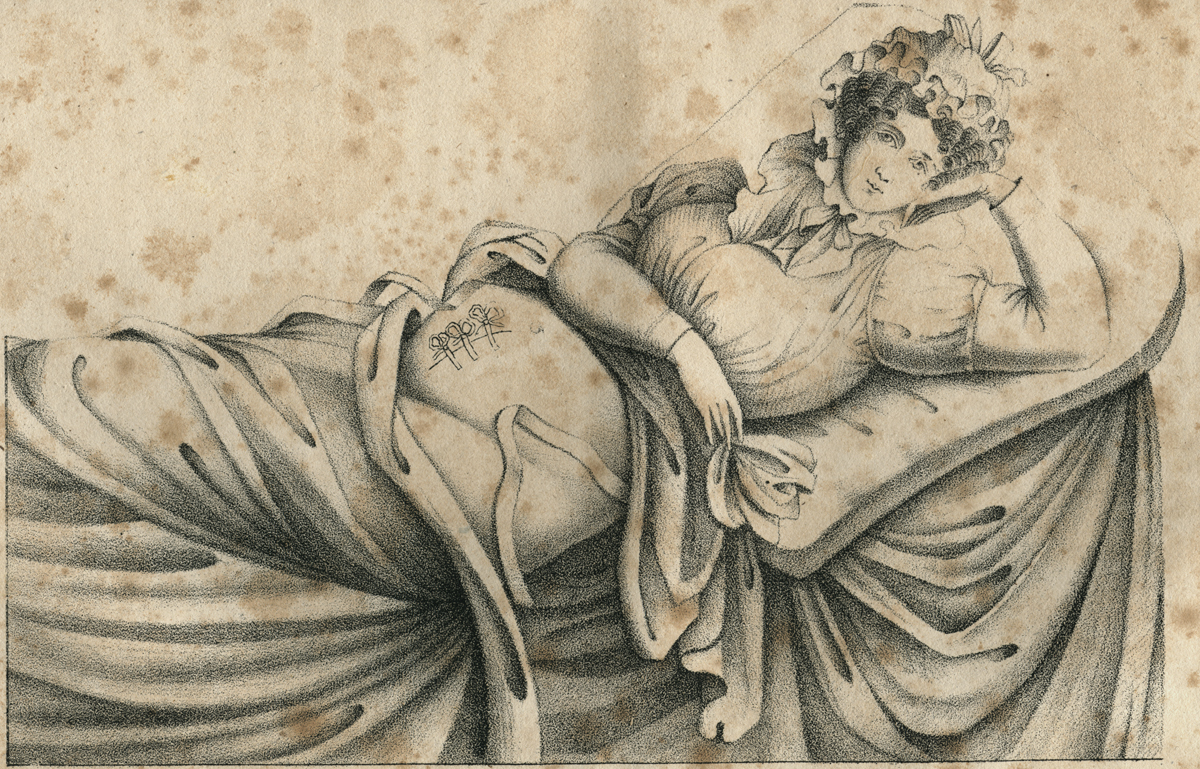
The confluence of anatomical understanding, obstetric instrument development, and the groundbreaking advancements in anesthesia and antisepsis finally enabled the Cesarean section to evolve into a truly modern medical technology.
From Last Resort to Life-Saving Procedure
Historically, Cesarean sections (from the Latin “caedare,” meaning “to cut”) were primarily performed posthumously to retrieve a living child from a deceased mother, based on ancient Roman law. While there are scattered reports of successful C-sections on living mothers prior to the 19th century, these were exceedingly rare, often accidental, and almost universally fatal for the mother due to hemorrhage and infection. Without anesthesia, the pain was unimaginable, and without antisepsis, infection was inevitable.
With the advent of anesthesia and antisepsis, coupled with improved surgical instruments and techniques, the C-section began its slow, arduous transition from a final, desperate act to a planned, life-saving intervention. Early C-sections still carried high maternal mortality rates, but they were no longer a guaranteed death sentence. As surgical skills improved, and as blood transfusions became possible in the early 20th century, the procedure’s safety profile dramatically increased. What was once a rarely performed, near-fatal procedure became a standardized, refined surgical “product” in the medical “marketplace,” a testament to the persistent innovation in medical technology that continues to save countless lives today. The story of what happened before C-sections were invented is a powerful reminder of how far medical technology has advanced, transforming the most fundamental human experience of birth from a terrifying gamble into a managed and often joyous event.
aViewFromTheCave is a participant in the Amazon Services LLC Associates Program, an affiliate advertising program designed to provide a means for sites to earn advertising fees by advertising and linking to Amazon.com. Amazon, the Amazon logo, AmazonSupply, and the AmazonSupply logo are trademarks of Amazon.com, Inc. or its affiliates. As an Amazon Associate we earn affiliate commissions from qualifying purchases.