
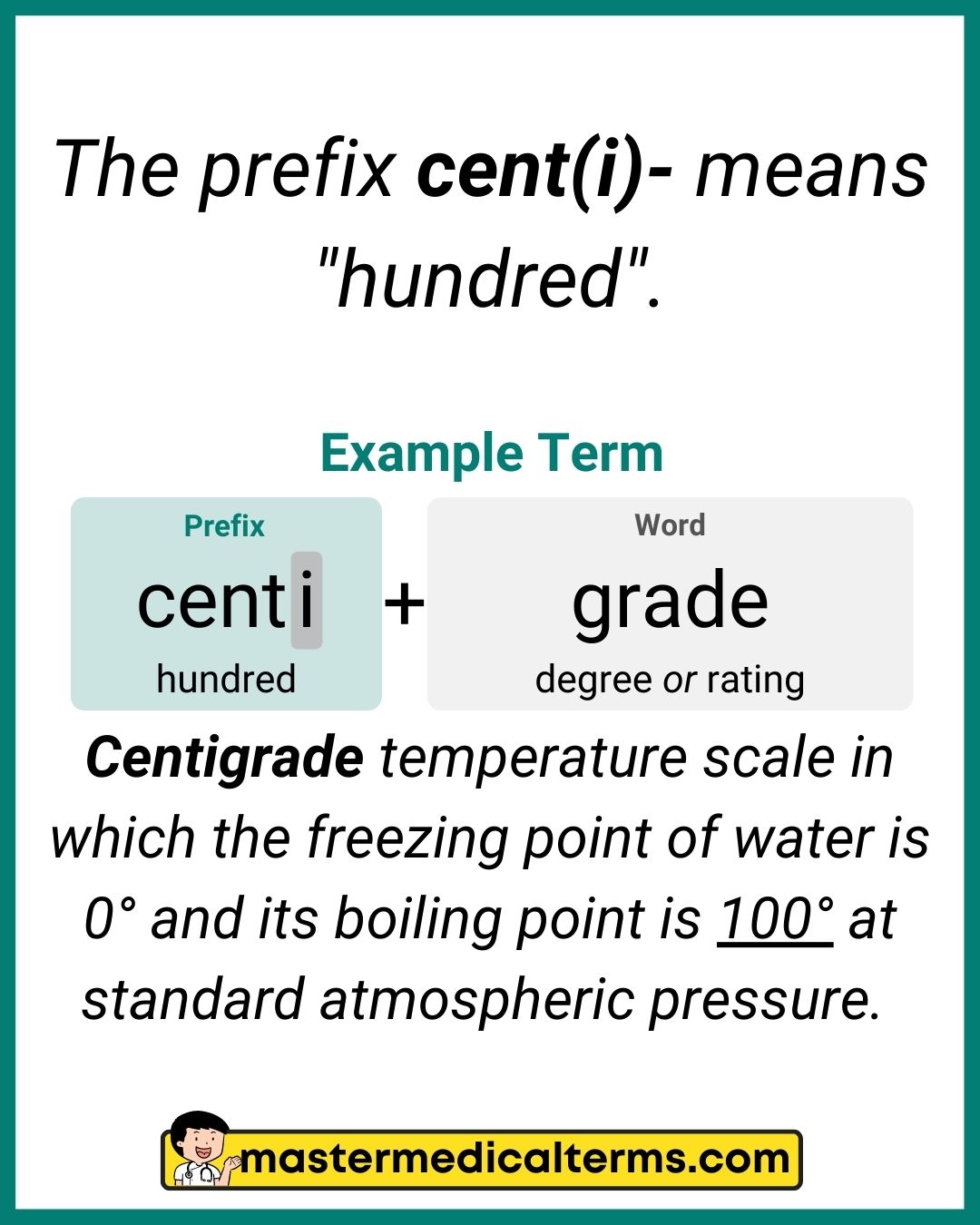
In the vast and intricate world of finance, where numbers dictate wealth, value, and future potential, understanding fundamental concepts is paramount. Often, the most profound insights are rooted in the simplest origins. Consider the unassuming root word “cent.” At first glance, it might seem like a mere linguistic curiosity, derived from the Latin “centum,” meaning “one hundred.” Yet, within this simple numerical foundation lies a profound and pervasive influence on every facet of our financial lives. From the smallest unit of currency to the grandest calculations of economic growth, the concept of “cent” – signifying one hundred or a hundredth part – serves as an indispensable cornerstone of financial literacy, strategy, and global commerce.

This article delves into the multi-layered significance of “cent” in finance, exploring its etymological journey into monetary systems, its critical role in expressing proportions through percentages, and its application in strategic financial decision-making. By dissecting this seemingly elementary concept, we unlock a deeper appreciation for the mechanics of money, investment, and wealth creation.
The Foundational Role of ‘Cent’ in Monetary Systems
The most immediate and tangible manifestation of the root word “cent” in finance is its direct application as a unit of currency. It represents the hundredth part of a larger monetary denomination, a universally recognized standard that facilitates countless transactions every day.
The Etymological Journey: ‘Centum’ to Currency
The journey of ‘cent’ from an ancient numerical descriptor to a modern monetary unit is a testament to its enduring utility. Originating from the Latin ‘centum,’ meaning one hundred, its adoption into various languages and, subsequently, into financial terminology was natural. The desire for fractional units of currency, allowing for precise pricing and exchange, led to the widespread establishment of the “cent” as 1/100th of a primary unit like the dollar, euro, or rand. This standardization eliminated ambiguity and fostered seamless trade, both domestically and internationally. It underscores humanity’s long-standing need for divisible and universally understood measures of value, with “one hundred” serving as a logical and easily calculable base.
Cents as a Universal Unit of Value
Across continents and cultures, the principle of dividing a primary currency into 100 smaller units is remarkably consistent. From the United States dollar to the European euro, the Canadian dollar, the Australian dollar, and numerous other currencies, the cent (or its linguistic equivalent like “centavo” or “centesimo”) acts as the granular building block of monetary value. This universality simplifies international finance, allowing individuals and businesses to easily grasp the relative worth of goods and services, even when dealing with unfamiliar currencies. It provides a common reference point, enabling conversions and comparisons that are essential for global trade, tourism, and investment. This standardized fractional unit, derived directly from the ‘centum’ root, is a silent but powerful enabler of global economic cohesion.
Understanding the Incremental Power of Small Denominations
While a single cent might seem insignificant in an era of escalating prices, its collective power and symbolic importance in financial psychology are profound. The ability to price items precisely, down to the hundredth of the main unit, allows for granular control over margins, discounts, and revenue streams in business. For consumers, it enables budgeting with accuracy and fosters an understanding of incremental value. The classic adage, “take care of the pennies and the pounds will take care of themselves,” directly embodies the principle of the cent: recognizing that wealth accumulation often begins with the diligent management and appreciation of even the smallest units of money. Ignoring cents can lead to careless spending, while respecting their value can cultivate a disciplined financial mindset, crucial for both personal finance and corporate fiscal responsibility.
‘Per-Cent’: The Indispensable Language of Financial Proportions
Beyond its role as a literal unit of currency, the root word ‘cent’ truly comes alive in finance through its ubiquitous application in percentages. “Per-cent,” meaning “per hundred,” provides a standardized, easily digestible way to express proportions, changes, and relationships, making complex financial data accessible and comparable.
Interest Rates: The Engine of Growth and Debt
Perhaps no other financial concept is more intrinsically linked to the “per-cent” than interest rates. Whether it’s the annual percentage yield (APY) on a savings account, the interest charged on a mortgage, or the rate of return on a bond, percentages are the fundamental metric. Understanding that an interest rate of 5% means five units for every hundred units (be it dollars, euros, or yen) is critical. This simple calculation determines how much your savings will grow, how much you will pay for a loan, and the overall cost of capital for businesses. Misinterpreting percentages in interest rates can lead to significant financial missteps, highlighting their pivotal role in both personal debt management and investment growth strategies.
Returns on Investment: Measuring Wealth Accumulation
For investors, the percentage is the universal language for measuring success. The “return on investment” (ROI) is almost always expressed as a percentage, indicating how much profit or loss has been made relative to the initial capital. A stock that gains 10% in value means that for every hundred dollars invested, ten dollars of profit was realized. This standardized measure allows investors to compare the performance of different assets, funds, and strategies, regardless of their absolute monetary values. It provides a clear, concise benchmark for evaluating portfolio health and making informed decisions about future allocations, directly connecting investment performance to the “per-cent” framework.
Taxes, Discounts, and Budgets: Everyday Percentage Applications
The influence of percentages extends into our daily financial interactions. Sales tax, income tax brackets, and capital gains tax are all calculated as percentages of a base amount. Similarly, discounts offered during sales events are expressed as percentages, helping consumers quickly understand the savings involved. In personal budgeting, allocating a certain percentage of income to housing, food, or savings is a common and effective strategy, allowing for flexible yet disciplined financial planning. From understanding your pay stub to evaluating a consumer loan, the ability to interpret and apply percentages is an indispensable skill for navigating the modern financial landscape.
Calculating Your Financial Future: The ‘Cent’ in Action
The conceptual framework of “cent” – both as a unit and a proportion – empowers individuals and institutions to make forward-looking financial decisions. It provides the tools to project growth, assess risk, and understand the subtle forces that erode or enhance purchasing power.
Compound Interest: The Magic of Percentages Over Time
Albert Einstein famously called compound interest the “eighth wonder of the world.” This powerful concept is entirely dependent on the percentage. It refers to earning interest not only on the initial principal but also on the accumulated interest from previous periods. Understanding that a seemingly small annual percentage gain, when compounded over decades, can transform modest savings into substantial wealth, is a cornerstone of long-term financial planning. This exponential growth, driven by the consistent application of percentages year after year, underscores the profound impact that the “cent” concept has on retirement planning, investment strategies, and the intergenerational transfer of wealth.
Risk Assessment and Portfolio Allocation in Percentages
In investment management, understanding and mitigating risk is crucial. This is often done through portfolio allocation, where assets are divided into different categories (e.g., stocks, bonds, real estate) based on an investor’s risk tolerance and financial goals. These allocations are almost invariably expressed in percentages: “I have 60% in equities and 40% in bonds.” This percentage-based approach allows investors to quantify their exposure to different market segments and manage their overall portfolio risk. Similarly, financial metrics like “percentage drawdown” or “probability of loss” are vital tools for assessing potential risks, directly applying the “cent” principle to quantify uncertainty and inform strategic choices.
Understanding Inflation: The Erosion of Your “Hundred Cents”
Inflation is the silent thief of purchasing power, and its measurement is inextricably linked to percentages. It represents the rate at which the general level of prices for goods and services is rising, and consequently, the purchasing power of currency is falling. An inflation rate of 3% means that, on average, what cost $100 last year now costs $103. Understanding this percentage erosion is vital for financial planning, as it dictates how much more money you need to save or invest to maintain your standard of living in the future. Without the percentage framework, quantifying and planning for the long-term effects of inflation would be virtually impossible, directly illustrating how the “cent” concept helps us grasp the diminishing value of our monetary units over time.
Strategic Financial Decisions through a ‘Cent’-ric Lens
Leveraging the principles embedded in the root word ‘cent’ allows for more strategic and effective financial decision-making. It fosters clarity in setting goals, informs prudent diversification, and influences the behavioral aspects of money management.
Setting Financial Goals: Working Towards Your 100%
Whether it’s saving for a down payment on a house, funding a child’s education, or building a comfortable retirement nest egg, financial goals often represent a “whole” — a 100% target that needs to be achieved. Breaking down this 100% goal into smaller, manageable percentage-based milestones makes the journey less daunting and more actionable. For example, aiming to save 10% of your income each month, or allocating 25% of a bonus to a specific goal, are practical applications of the ‘cent’ principle. This incremental, percentage-driven approach helps individuals track progress, stay motivated, and make consistent strides towards their overarching financial aspirations.
Diversification: Spreading Your “Hundred” Investments
The adage “don’t put all your eggs in one basket” is the essence of diversification, a critical risk management strategy in investing. The ‘cent’ concept underpins this by emphasizing the distribution of one’s total investment capital (the metaphorical “hundred” percent) across various asset classes, industries, and geographies. A diversified portfolio might allocate 30% to large-cap stocks, 20% to international equities, 40% to bonds, and 10% to real estate. This percentage-based allocation strategy aims to reduce overall risk, as poor performance in one segment is offset by stronger performance in others. Understanding how to intelligently divide your “hundred” investment units is fundamental to building a resilient and stable financial future.
The Behavioral Economics of “Cent” Thinking: Valuing Every Unit
Behavioral economics often explores how psychological biases influence financial decisions. The perception of a “cent” – whether it’s a literal penny or a small percentage point – plays a role. Marketers frequently leverage this by pricing items at $9.99 instead of $10.00, making the item seem significantly cheaper by focusing on the “nine” rather than the difference of a single cent. Conversely, understanding the long-term impact of saving or investing even a small percentage of income can dramatically shift financial habits. Recognizing the cumulative value of every cent, every percentage point saved, or every small gain compounds not just financially, but also psychologically, building confidence and discipline in money management.
Cultivating a ‘Cent’-Savvy Mindset for Long-Term Wealth
Ultimately, a deep appreciation for what the root word ‘cent’ signifies in finance is about more than just definitions; it’s about developing a profound financial acumen. It equips individuals with the tools to navigate complex financial decisions, build sustainable wealth, and achieve true financial independence.
Empowering Financial Literacy with Percentage Mastery
At the heart of financial literacy is the ability to understand and manipulate percentages. From comparing loan offers with different annual percentage rates (APRs) to calculating the true cost of a financed purchase, mastering percentage calculations is non-negotiable. This proficiency empowers individuals to make informed choices, avoid predatory financial products, and maximize their financial resources. It transforms abstract numbers into tangible insights, enabling everyone, regardless of their background, to take control of their financial destiny by understanding the “per hundred” implications of every financial decision.
From Spending Cents to Saving Cents: Building Capital
The journey to wealth accumulation often begins with a shift in perspective towards the ‘cent.’ Instead of viewing small change as negligible, a ‘cent’-savvy mindset recognizes that every penny saved is a penny earned. This translates into conscious spending habits, seeking out small discounts, and understanding the cumulative effect of small, consistent savings over time. Whether it’s rounding up purchases to the nearest dollar for savings, or consistently contributing a small percentage of each paycheck to a retirement fund, these seemingly minor actions, driven by an appreciation for the ‘cent,’ form the bedrock of significant capital accumulation.

The Holistic View: Managing Your Full 100% of Resources
Finally, embracing the full meaning of ‘cent’ in finance encourages a holistic view of one’s financial ecosystem. It’s about recognizing that all your financial resources — your income, your assets, your savings, and your investments — collectively represent your “100%.” Effective financial management involves strategically allocating and nurturing this entire 100%, ensuring that each “cent” of your wealth is working towards your overall financial well-being. This comprehensive perspective, informed by the foundational principle of ‘one hundred’ and its divisions, leads to balanced budgets, diversified portfolios, and resilient financial plans that can withstand economic fluctuations and pave the way for long-term prosperity.
In conclusion, the humble root word “cent,” meaning “one hundred” or “a hundredth part,” is far more than an etymological curiosity. It is a fundamental pillar upon which the entire edifice of modern finance rests. From its direct manifestation in currency units to its indispensable role in percentages, and its profound influence on financial strategy and wealth accumulation, the ‘cent’ principle permeates every aspect of our economic lives. By understanding and internalizing its meaning, we unlock a powerful framework for financial literacy, empowering us to make smarter decisions, plan for a secure future, and ultimately, cultivate a truly ‘cent’-savvy approach to wealth management.
aViewFromTheCave is a participant in the Amazon Services LLC Associates Program, an affiliate advertising program designed to provide a means for sites to earn advertising fees by advertising and linking to Amazon.com. Amazon, the Amazon logo, AmazonSupply, and the AmazonSupply logo are trademarks of Amazon.com, Inc. or its affiliates. As an Amazon Associate we earn affiliate commissions from qualifying purchases.