
Few sights can send a shiver down a driver’s spine quite like a red warning light illuminating the dashboard. Among them, the red battery light often triggers immediate anxiety, frequently misunderstood as simply signaling a low or dead battery. However, this seemingly straightforward symbol carries a far more complex and critical message: it indicates a fundamental problem with your vehicle’s charging system. Ignoring this warning can lead to a sudden breakdown, leaving you stranded and potentially incurring more significant repair costs. Understanding the true meaning behind the red battery light and knowing how to react is crucial for every vehicle owner, ensuring safety and prolonging the life of your car.
Decoding the Dashboard: More Than Just a Low Battery
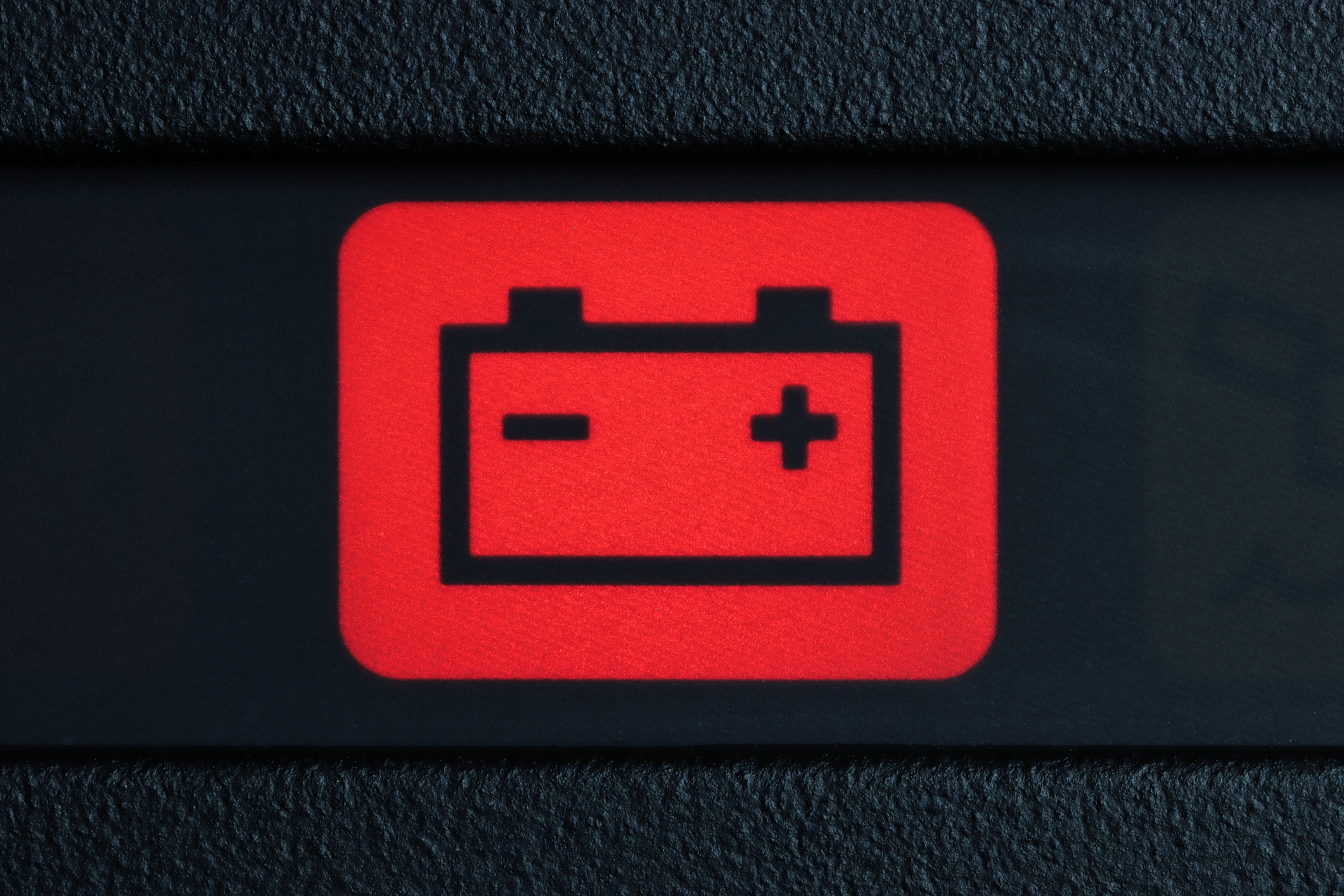
When the red battery light flashes on, it’s a direct alert from your vehicle’s onboard diagnostic system that something is amiss with its electrical power generation. This isn’t just a casual reminder to check your battery terminals; it’s a serious indicator that your car is running solely on battery power and is not replenishing its charge.
The Symbol Itself
The iconic red battery symbol on your dashboard typically depicts a rectangular battery shape with a positive (+) and negative (-) terminal clearly marked. This universal symbol is designed to be immediately recognizable, cutting across language barriers to convey a vital piece of information. When it glows red, it universally signals an urgent issue requiring immediate attention.
Initial Misconceptions
Many drivers mistakenly believe that a red battery light simply means their car battery is running low and needs a jump-start. While a dead battery can certainly leave you stranded, the red light fundamentally points to a failure in the system responsible for charging the battery while the engine is running. Think of it this way: your battery is like a gas tank, and the charging system is the fuel pump. The light means the pump isn’t working, not just that the tank is low. If the charging system fails, even a brand-new battery will eventually run out of power, as it’s not being recharged.
Why Red?
The color red in automotive warning lights is universally reserved for critical issues that demand immediate attention. Unlike yellow or amber lights, which might indicate a non-urgent fault (like an engine check light for a minor emission issue), red lights signal a potentially dangerous or system-crippling problem. A red battery light falls into this category because a malfunctioning charging system can lead to a sudden loss of power, affecting everything from your headlights and wipers to your power steering and engine operation, posing a significant safety risk, especially at high speeds or in adverse conditions.
The Heart of the Problem: Understanding the Charging System
To truly grasp the significance of the red battery light, it’s essential to understand how your vehicle’s charging system works as a cohesive unit. It’s a complex interplay of several key components, each playing a vital role in keeping your car powered and operational.
The Alternator’s Role
The alternator is the unsung hero of your vehicle’s electrical system. Its primary function is to generate alternating current (AC) electricity, which is then converted to direct current (DC) to power all of your car’s electrical components—from the infotainment system and lights to the engine’s ignition system—while the engine is running. Crucially, the alternator is also responsible for recharging the 12-volt battery after the engine has been started. Without a functional alternator, your car will quickly deplete its battery’s charge and stall.
The Battery’s Role
While often seen as the primary power source, the car battery’s main role is actually to provide a surge of electricity to start the engine. Once the engine is running, the alternator takes over power generation, and the battery’s role shifts to stabilizing the vehicle’s electrical system and providing a buffer for temporary peak demands. If the alternator fails, the battery temporarily becomes the sole power source, but it’s not designed for continuous power delivery and will quickly drain.
The Voltage Regulator
Often integrated into the alternator or sometimes a separate unit, the voltage regulator is critical for maintaining a consistent output voltage from the alternator. It prevents overcharging, which can damage the battery and other electrical components, and ensures that the vehicle’s electrical system receives the correct amount of power. A faulty voltage regulator can lead to either undercharging (triggering the red light) or overcharging (which can also cause issues, though less commonly associated with the red battery light directly).
Drive Belt (Serpentine Belt)
The alternator doesn’t just spin on its own; it’s powered by the engine via a drive belt, commonly known as a serpentine belt. This single belt typically drives multiple accessories, including the alternator, power steering pump, air conditioning compressor, and water pump. If this belt breaks, slips, or becomes excessively worn, the alternator will stop turning, halting its ability to generate electricity and recharge the battery, thus illuminating the red battery light.
Common Causes Behind the Illumination
The red battery light is a symptom, not the root cause. Pinpointing the exact reason behind its illumination requires a systematic approach, but several issues are far more common than others.
Failing Alternator
This is, by far, the most frequent culprit when the red battery light appears. An alternator can fail for various reasons, including worn-out internal components (such as brushes or bearings), diode failure, or issues with its winding. Beyond the warning light, symptoms of a failing alternator often include dimming headlights, a flickering dashboard, slow-working power windows, and other electrical accessories malfunctioning. You might also hear a whining or grinding noise emanating from the engine bay.
Faulty Drive Belt/Serpentine Belt
As mentioned, the drive belt is essential for the alternator’s operation. If the serpentine belt is worn, loose, cracked, or completely broken, it will no longer transmit power to the alternator. A broken belt will typically cause other systems (like power steering and AC) to fail simultaneously. A loose or worn belt might produce a squealing sound, especially during acceleration or when starting the engine.
Dying or Dead Battery
While the light signifies a charging system problem, a severely degraded or shorted battery can sometimes contribute to the issue. If the battery can no longer hold a charge effectively, even a perfectly functional alternator might struggle to keep it topped up, leading the system to report a fault. In some cases, an internal short within the battery can draw excessive current, overloading the alternator or preventing it from effectively charging. It’s important to distinguish: the light itself means the charging system isn’t working, which then leads to a dead battery.
Wiring Issues or Loose Connections
The entire charging system relies on a network of electrical wires and connections. Corrosion on battery terminals, loose cable connections at the alternator or battery, or damaged wiring anywhere in the circuit can interrupt the flow of electricity. This can prevent the alternator from charging the battery or even from powering the vehicle’s electrical components properly, triggering the warning light.

Faulty Battery Sensor or PCM Issue
Modern vehicles are equipped with sophisticated battery sensors and engine control modules (ECMs) or powertrain control modules (PCMs) that monitor the charging system’s performance. If one of these sensors malfunctions, it might send incorrect data to the vehicle’s computer, causing the red battery light to illuminate even if there’s no actual physical fault with the alternator or battery. Similarly, an internal fault within the PCM itself could lead to erroneous warnings. While less common, these electronic issues can be challenging to diagnose.
What to Do When the Light Comes On (Immediate Actions)
Seeing the red battery light illuminate requires immediate attention. Your car is now operating on borrowed time, running solely on the remaining charge in its battery. How you react can prevent a breakdown and ensure your safety.
Assess the Situation Safely
The very first step is to remain calm and assess your surroundings. If you’re driving, find the safest possible opportunity to pull over to the side of the road or into a parking lot. Avoid sudden stops or maneuvers, as you may experience a loss of power steering or braking assistance as battery power dwindles.
Minimize Electrical Load
Once safely pulled over or while making your way to a safe spot, immediately turn off all non-essential electrical accessories. This includes the radio, air conditioning, heated seats, phone chargers, navigation systems, and even unnecessary interior lights. The goal is to conserve as much battery power as possible to extend your driving range or at least ensure you have enough juice to get to a safe location. If it’s daytime, you might even consider turning off your headlights, but only if visibility is excellent and it’s safe to do so.
Drive Directly to a Mechanic (If Possible)
If you’re close to home or a reputable auto repair shop, and you’ve minimized your electrical load, you might be able to drive the short distance. However, be acutely aware that your car could stall at any moment. Keep a close eye on your dashboard for any signs of further electrical degradation, like dimming lights or gauges flickering.
Avoid Long Drives
Under no circumstances should you attempt a long journey once the red battery light comes on. The risk of your vehicle dying completely on a highway or in an inconvenient location is extremely high. If you’re far from help, it’s safer to call for roadside assistance or a tow truck to transport your vehicle to a service center.
Consider a Jump Start (and its limitations)
A jump start can revive a dead battery, but it will not fix the underlying problem causing the red battery light. If the alternator is the issue, your car will likely run for a short period after a jump (until the battery drains again) and then stall. A jump start is a temporary measure, at best, to move your vehicle a very short distance or to confirm that the battery was simply dead, rather than the charging system being at fault (though the light still points to the latter). If the light remains on after a jump, you know the charging system is still compromised.
Diagnosis and Repair: Getting Back on the Road
Once your vehicle is safely at a service center, trained technicians can perform a comprehensive diagnosis to identify the precise cause of the red battery light. Proper repair is essential to restore your vehicle’s reliability and prevent future breakdowns.
Professional Diagnostic Tools
Mechanics utilize a range of tools to diagnose charging system issues. A multimeter can measure voltage across the battery terminals and alternator output. A dedicated battery tester can assess the battery’s health, cold-cranking amps (CCA), and ability to hold a charge. Advanced OBD-II (On-Board Diagnostics II) scanners can read fault codes stored in the vehicle’s computer, offering insights into sensor failures or communication issues within the charging system. Visual inspection of the serpentine belt and all wiring connections is also a critical first step.
Alternator Replacement
If the alternator is found to be faulty, replacement is typically the most straightforward solution. This is a common repair and involves removing the old alternator and installing a new or remanufactured unit. It’s also a good practice to inspect the serpentine belt and tensioner during this process, as they often experience similar wear.
Belt Replacement
If a worn, cracked, or broken serpentine belt is the problem, replacing it is a relatively inexpensive and quick fix. Technicians will also check the tensioner and idler pulleys to ensure they are functioning correctly, as a faulty tensioner can lead to premature belt wear or slippage.
Battery Replacement
While the red light often points away from the battery itself, a battery that is at the end of its life can certainly exacerbate or contribute to charging system issues. If diagnostics reveal that the battery can no longer hold an adequate charge, even with a properly functioning alternator, it will need to be replaced. Modern batteries typically last between 3-5 years, depending on climate and driving habits.
Wiring Repair
Corroded battery terminals, loose connections, or damaged wiring harnesses can be repaired or replaced. This might involve cleaning terminals, tightening connections, or splicing in new sections of wire where damage is evident. This type of repair is crucial for ensuring a strong, uninterrupted electrical flow throughout the system.
Preventative Maintenance
Regular vehicle maintenance plays a vital role in preventing charging system failures. Periodically inspect your battery terminals for corrosion and ensure they are tight. Check the condition of your serpentine belt for cracks, fraying, or excessive wear, and replace it according to your vehicle manufacturer’s recommended intervals. Keeping an eye on your vehicle’s voltage gauge (if equipped) can also provide an early warning sign of an impending issue.

Conclusion
The red battery light on your dashboard is far more than a simple indicator of a low battery; it’s a critical warning that your vehicle’s entire charging system is compromised. From a failing alternator to a worn serpentine belt or even underlying wiring issues, the message is clear: your car is running on borrowed time, solely on battery power, and will eventually stall. Ignoring this warning isn’t just inconvenient; it can lead to dangerous situations and potentially more expensive repairs down the line. By understanding the intricate workings of your charging system, recognizing the common causes of the warning light, and knowing the appropriate immediate actions, you empower yourself to react safely and responsibly. Always prioritize a professional diagnosis and timely repair to ensure your vehicle remains reliable, safe, and ready for the road ahead.
aViewFromTheCave is a participant in the Amazon Services LLC Associates Program, an affiliate advertising program designed to provide a means for sites to earn advertising fees by advertising and linking to Amazon.com. Amazon, the Amazon logo, AmazonSupply, and the AmazonSupply logo are trademarks of Amazon.com, Inc. or its affiliates. As an Amazon Associate we earn affiliate commissions from qualifying purchases.