
In the world of corporate identity and brand strategy, we often discuss the psychology of color. We analyze why high-end financial institutions opt for deep navy blues to convey trust, or why organic food brands lean toward earthy greens to signal health. However, there is a distinct, often overlooked intersection where biology meets branding: the diagnostic power of color. When we look at the human digestive system as a “product” or a “process,” the color of our output functions as a real-time data visualization tool. Much like a dashboard in a complex software suite, the color of feces provides critical analytics about the internal operations of the body. In this deep dive, we treat the body as the ultimate brand, examining what these outputs communicate about its “operational health.”
The Baseline: Defining the Brand Standard
Every brand has a standard color palette. If a major tech company’s logo suddenly shifted from its signature shade to an erratic neon, stakeholders would immediately demand a brand audit. Similarly, the human body has a “brand standard” for digestive output.
The Factors of Consistency
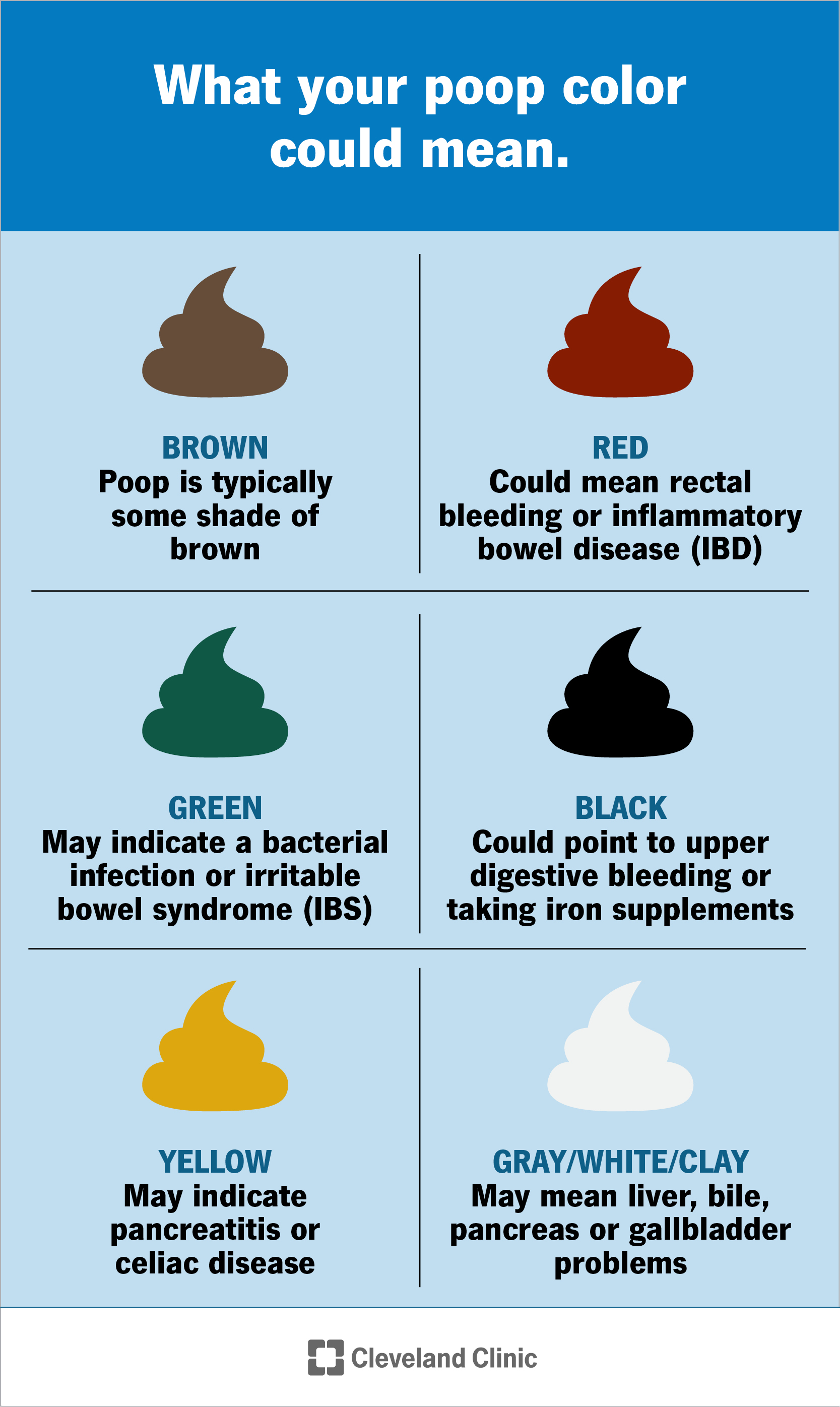
In a healthy system, stool color is determined by the presence of bile—a fluid produced by the liver and stored in the gallbladder—and its breakdown by bacteria in the intestines. Under normal conditions, the mixture of bile, waste materials, and cellular debris results in a spectrum ranging from tan to medium brown. This is the “corporate identity” of digestive health. It signals that the production pipeline—from ingestion to excretion—is functioning within expected parameters.
Establishing Normalcy
Deviations from this spectrum are not necessarily signals of a “product recall,” but they are indicators that something in the supply chain has changed. Understanding the baseline allows us to identify when a variance is a temporary glitch—perhaps caused by a change in diet—or a systemic issue requiring professional maintenance.
Decoding the Spectrum: Analyzing Market Variations
In marketing, we use color to influence consumer perception. In biology, color is an objective data point. When the output shifts away from the standard brown, we must categorize these shifts based on the likely cause, much like segmenting a market into distinct demographics.
The Green Shift: Fast-Moving Inventory
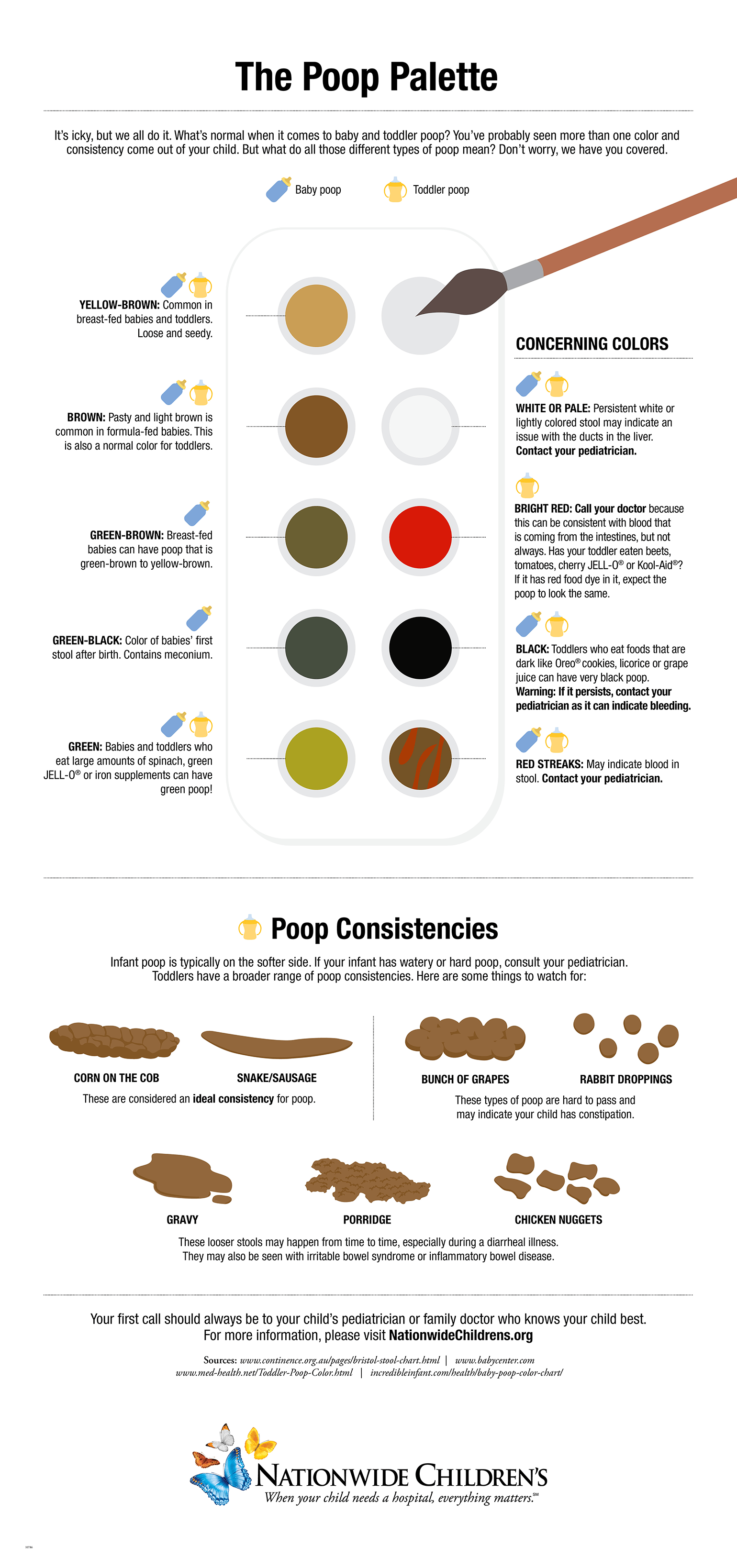
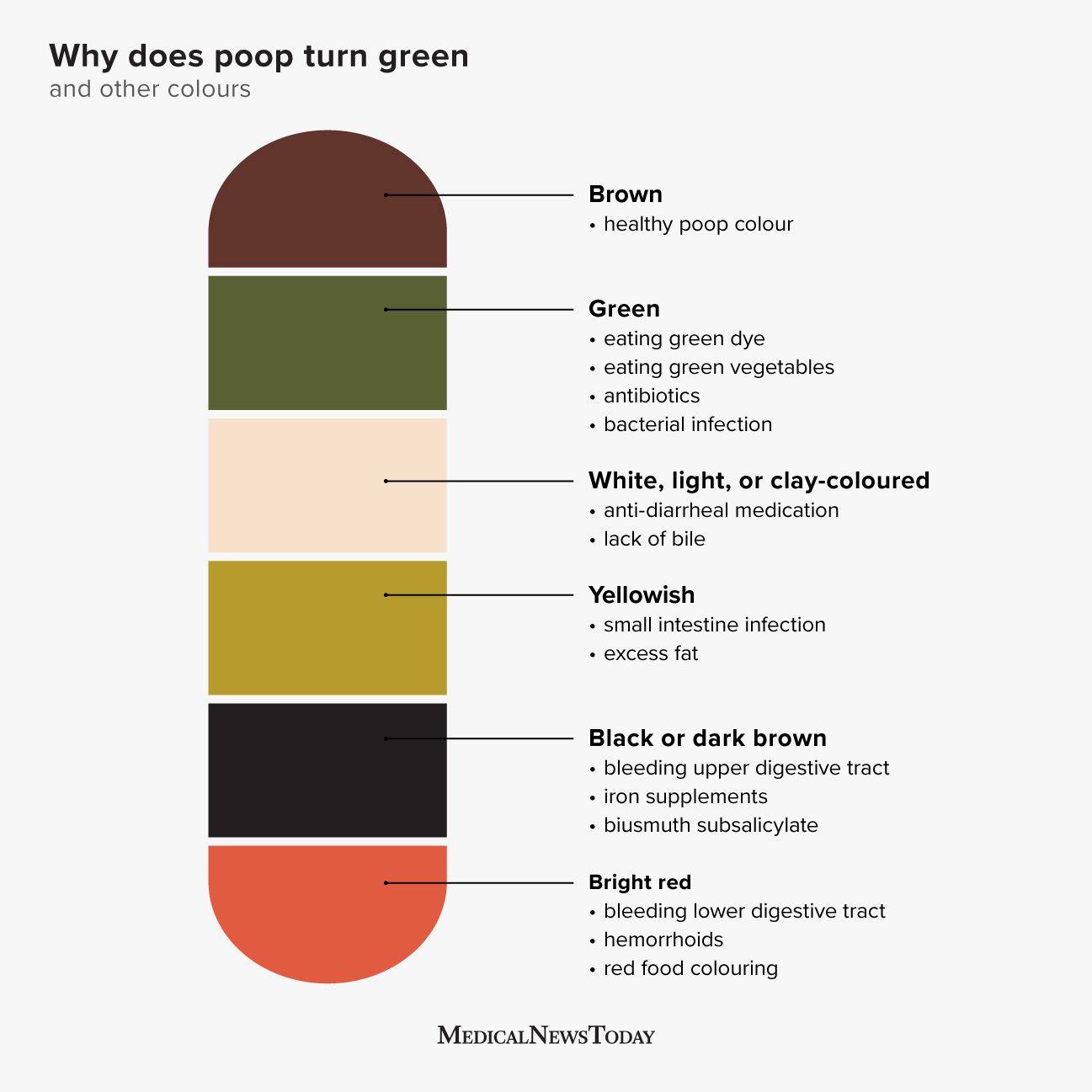
Green stool is one of the most common variations and is usually a result of “supply chain speed.” When food moves through the large intestine too quickly, bile does not have sufficient time to break down. This results in the pigment remaining green. From a process management perspective, this indicates a high throughput rate, often caused by dietary choices or minor digestive distress.
The Red Flag: Analyzing Anomalies
Red or bright maroon hues are the most alarming, yet they require careful segmentation. In branding, red is a high-intensity color meant to grab attention. In digestive terms, it does exactly that. While red can be caused by food dyes or high intake of beets, it can also indicate “system leakage” in the lower GI tract. Just as a software developer investigates a bug report, a medical professional views red stool as a priority alert that requires immediate diagnostic investigation to determine if the source is external (diet) or internal (hemorrhoids or fissures).
The Black and Tarry: Investigating Technical Debt
Black or tarry stools are the equivalent of a catastrophic system failure warning. While certain supplements like iron or bismuth can cause this color, black stool can often signify bleeding in the upper gastrointestinal tract—the stomach or the esophagus. This is considered “technical debt” in the body; the bleeding has been processed throughout the digestive track, and by the time it reaches the end of the pipeline, the blood has been oxidized. This is a critical indicator that the body’s internal infrastructure is compromised and requires immediate, high-priority intervention.
Process Optimization: Diet as a Brand Variable
In business, we understand that input quality directly dictates output quality. If you feed a machine sub-optimal raw materials, the finished product will suffer. The digestive tract is no different. We must look at diet as the primary driver of the body’s output “branding.”
The Impact of Raw Materials
We often consume “processed goods” that contain artificial colorants. If a person consumes a large quantity of dark blue or purple foods, the body’s output will reflect these additives. This is a classic case of the brand identity being influenced by external elements. However, identifying these shifts requires an understanding of what was consumed. Keeping a “digital log” or a food diary is a common strategy in health management, functioning much like a ledger in business finance to track inputs against outputs.
Identifying Patterns for Better Performance
By observing these color shifts over time, individuals can identify patterns that correlate with their performance and well-being. Are you experiencing consistent “green shifts” after specific meals? Does your “brand output” remain stable during periods of high stress? By treating your health as a managed asset, you move from a reactive state—where you panic at the first sign of a color change—to a proactive state of “system monitoring.”
Strategic Diagnostics: When to Call for an Audit
Even the most sophisticated organizations require external consultants for complex problems. When the diagnostic data provided by stool color becomes inconsistent, the “brand” is at risk.
Recognizing When to Outsource
There are clear indicators that the body’s “internal audit” is beyond the capacity of home monitoring. If color changes are accompanied by other symptoms—pain, fever, unintended weight loss, or consistent changes in consistency—these are the “key performance indicators” (KPIs) of a failing system. In these instances, relying on self-diagnosis is like trying to fix a complex software architecture with no documentation. You need a subject matter expert.
The Consultative Approach
When you consult a physician, you are engaging a specialist to perform a full system audit. They will look at the data you’ve provided—the color shifts, the frequency, and the lifestyle variables—and cross-reference them with medical diagnostics. This collaboration is essential for long-term health, ensuring that the “business” of your body continues to operate at peak efficiency.
Conclusion: Sustaining the Health of Your Internal Brand
Managing health is essentially a high-stakes management challenge. Just as a brand manager must constantly monitor the market, address feedback, and ensure that the core values remain intact, an individual must monitor their biological indicators. Stool color is not merely a trivial biological byproduct; it is a vital metric in the dashboard of human health.
By observing these patterns with the same analytical rigor one would apply to a business strategy, you gain a deeper understanding of how your body reacts to its environment. This professional approach to self-care removes the stigma often associated with these topics. When you understand the “why” behind the color, you are empowered to make better decisions regarding your lifestyle, your diet, and your medical care.
Remember, your body is your most permanent brand. Treating it with the attention, analysis, and strategic care that a global corporation receives is the most sound investment you can make. Whether it is a simple matter of dietary adjustment or a signal to seek professional consultation, the color of your output is a direct report on the health of your internal operations. Stay vigilant, track the data, and treat your physical well-being as the mission-critical business it is.
aViewFromTheCave is a participant in the Amazon Services LLC Associates Program, an affiliate advertising program designed to provide a means for sites to earn advertising fees by advertising and linking to Amazon.com. Amazon, the Amazon logo, AmazonSupply, and the AmazonSupply logo are trademarks of Amazon.com, Inc. or its affiliates. As an Amazon Associate we earn affiliate commissions from qualifying purchases.