
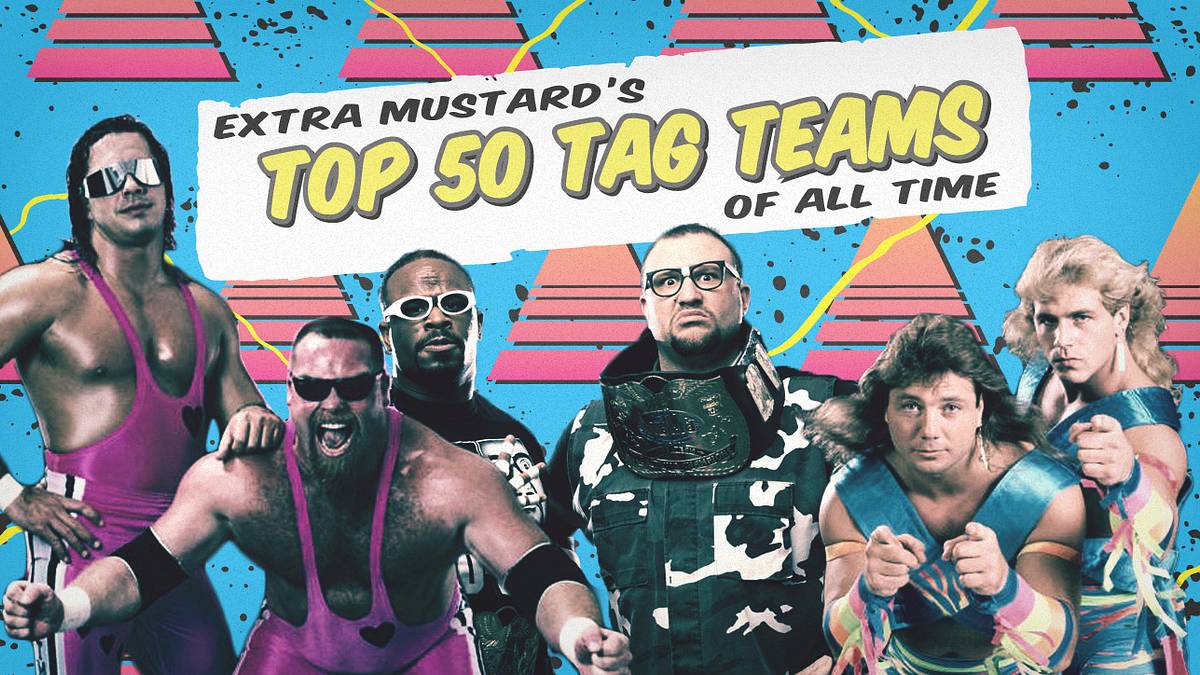
The term “tag team” typically conjures images of professional wrestling, where two partners strategically alternate their presence in the ring, combining their strengths to overcome an opponent. It’s a dynamic dance of collaboration, strategy, and mutual support, all aimed at achieving a shared victory. But what relevance does this concept, born in the squared circle, hold in the sophisticated, often complex, arena of brand building and marketing? Far from a mere metaphor, the “tag team” approach offers a potent framework for understanding and executing successful brand strategies in today’s hyper-connected, competitive landscape.

In branding, “tag team” signifies a strategic collaboration between two or more distinct entities – be it brands, agencies, influencers, or internal departments – that combine their unique strengths, resources, and audiences to achieve a common brand objective. This isn’t just about simple partnerships; it’s about a coordinated, often sequential or alternating, effort where each entity plays a defined role, leverages its distinct advantage, and collectively amplifies the overall impact. It’s a recognition that in an increasingly fragmented market, singular efforts, however brilliant, can be significantly enhanced and propelled further through intelligent, strategic synergy.
The Essence of Tag-Team Branding: More Than Just Collaboration
At its core, tag-team branding transcends a basic partnership agreement. It embodies a deeper strategic alignment, a commitment to mutual success, and an understanding that the sum can truly be greater than its parts. This approach leverages the power of combined efforts, much like wrestlers tagging in and out, each bringing a fresh perspective or specialized move to the challenge at hand.
Synergy and Shared Vision
The fundamental principle of tag-team branding is synergy. This means creating an outcome where the combined effect of multiple brands or entities working together is more impactful than the sum of their individual contributions. For this to occur, a shared vision is paramount. Both (or all) partners must clearly understand the overarching goal, whether it’s market expansion, enhanced brand perception, or a specific campaign objective. This shared vision acts as the guiding star, ensuring that each “tag” is purposeful and contributes to the collective narrative, avoiding dissonance or conflicting messages. It’s about creating a unified front, even with distinct voices.
Strategic Role-Playing and Baton-Passing
Just as wrestlers have distinct roles – one might be the powerhouse, the other the high-flyer – tag-team brand partners also assume strategic roles. These roles are often dictated by their core competencies, target audience overlap, or specific resources they bring to the table. One brand might be responsible for generating initial awareness through a vast media network, while the other might focus on conversion through a specialized product offering. The “baton-passing” or “tagging in” ensures a smooth transition of effort, maintaining momentum and relevance throughout the customer journey or campaign lifecycle. This strategic segmentation of effort prevents redundancy and maximizes efficiency, allowing each partner to operate within their zone of genius.
Amplified Reach and Impact
Perhaps the most immediate and tangible benefit of a tag-team approach is the amplification of reach and impact. By combining forces, brands instantly gain access to each other’s established audiences, customer bases, and distribution channels. This cross-pollination can introduce a brand to new demographics it might not have reached independently, effectively doubling, tripling, or even quadrupling its potential exposure. Beyond mere numbers, the combined credibility of two respected brands can lend significant weight to a message, enhancing trust, authority, and memorability in the minds of consumers.
Manifestations of Tag-Team Dynamics in Branding
The tag-team concept isn’t confined to a single type of collaboration; it manifests in various forms across the branding spectrum, each leveraging the principle of combined strength for greater effect.
Co-Branding Initiatives: A Direct Partnership
Co-branding is arguably the most recognizable form of tag-team branding. This involves two or more brands collaborating to create a new product, service, or marketing campaign that explicitly features both identities. Think of a luxury fashion brand partnering with a tech giant for a limited-edition smart device, or a food company collaborating with a famous chef on a new product line. The synergy here is direct: the association elevates the perceived value of both brands, tapping into their respective loyalties and unique attributes. It’s a clear instance of “tagging in” on each other’s equity to create something novel and more compelling.
Influencer and Creator Collaborations: The Modern Tag-Out
In the digital age, influencer marketing has become a powerful tag-team strategy. Brands “tag in” influencers or content creators who have established a loyal following within a specific niche. These creators then become an extension of the brand’s voice, delivering authentic messages to their engaged audience. This isn’t just endorsement; it’s often a collaborative content creation process, where the influencer’s unique style and audience connection are “tagged in” to complement the brand’s official messaging, reaching consumers in a more relatable and trusted manner. The “tag-out” allows brands to leverage diverse voices sequentially or simultaneously, covering different segments of their target audience.
Agency-Client Ecosystems: Mutual Expertise
The relationship between a brand and its agencies (advertising, PR, digital, design) is a classic tag-team dynamic. While the brand sets the vision and objectives, the agencies “tag in” with specialized expertise, creative prowess, and strategic execution. A marketing agency might handle campaign strategy and media buying, while a PR firm manages public perception, and a design agency crafts visual identities. Each agency plays a distinct, expert role, seamlessly passing the baton as the brand’s needs evolve, ensuring a holistic and coherent brand presence across all touchpoints. The success hinges on clear communication and a shared understanding of the brand’s core identity.
Internal Cross-Functional Teams: Unifying the Brand Voice
Beyond external partnerships, the tag-team approach is vital within organizations themselves. Effective branding requires cross-functional collaboration. Marketing might “tag in” product development for feature launches, or sales teams might “tag in” customer service for post-purchase support. HR plays a crucial role in internal branding, ensuring employees embody brand values. Each department, while having its own mandate, contributes to the overall brand experience. When these internal teams operate in a coordinated, “tag-team” fashion, the brand narrative remains consistent, powerful, and authentic, both internally and externally.
The Strategic Advantages of Adopting a Tag-Team Approach
Embracing a tag-team strategy in branding offers a multitude of strategic advantages that can significantly accelerate growth, enhance perception, and optimize resource utilization.
Expanding Market Share and Audience Demographics
One of the most compelling reasons for tag-team branding is the potential for significant market expansion. By partnering with a brand that has a complementary but distinct audience, companies can instantly tap into new demographic segments without the heavy investment typically required for organic growth in unfamiliar territories. This cross-pollination not only boosts market share but also diversifies the brand’s consumer base, making it more resilient and broadly appealing.
Enhancing Brand Credibility and Trust

Association with a reputable, established brand inherently lends credibility and trust. When two respected brands “tag team,” they essentially vouch for each other. For newer or lesser-known brands, this can be an invaluable shortcut to gaining consumer confidence. For established brands, it can reinforce their position as innovators or community-focused entities. This halo effect can significantly influence purchase decisions and foster deeper loyalty.
Cost Efficiency and Resource Optimization
Developing a new product, launching a major campaign, or entering a new market can be prohibitively expensive for a single brand. Tag-team branding allows partners to pool resources, share costs, and leverage existing assets, leading to considerable efficiencies. For instance, joint marketing campaigns can halve advertising spend for each partner while doubling reach. Sharing R&D, manufacturing, or distribution networks can also significantly reduce overheads, making ambitious projects more feasible.
Fostering Innovation and Creative Synergy
When diverse minds and distinct brand cultures come together, it often sparks innovation. The collision of different perspectives, problem-solving approaches, and creative energies can lead to breakthrough ideas, products, and campaigns that neither brand could have conceived alone. Tag-team environments encourage creative synergy, pushing boundaries and fostering a culture of experimentation and fresh thinking, keeping brands dynamic and relevant.
Navigating the Challenges and Pitfalls of Tag-Team Branding
While the benefits are clear, tag-team branding is not without its complexities. Successfully executing this strategy requires careful planning, transparent communication, and a proactive approach to potential challenges.
Maintaining Brand Consistency and Identity
One of the biggest risks in a tag-team scenario is the dilution or confusion of individual brand identities. Each partner must ensure that the collaboration enhances, rather than compromises, its unique voice, values, and aesthetic. This requires clear guidelines, brand manuals, and a mutual understanding of what each brand represents. Inconsistent messaging or a confused visual identity can erode trust and alienate core audiences for both partners.
Ensuring Aligned Objectives and Values
For a tag team to work, the partners’ fundamental objectives and brand values must be aligned. A mismatch in ethics, target market, or even long-term goals can lead to conflict, undermine the partnership, and damage public perception. Due diligence in partner selection is crucial, focusing not just on market fit but also on cultural and ethical compatibility to ensure a truly symbiotic relationship.
The Importance of Clear Communication and Governance
Just like any complex collaboration, tag-team branding demands exceptionally clear and consistent communication. Defined roles, responsibilities, decision-making processes, and a robust governance framework are essential. Regular check-ins, transparent feedback mechanisms, and designated points of contact can prevent misunderstandings and ensure that both partners remain on the same page, addressing issues proactively rather than reactively.
Measuring Success and Shared Accountability
Establishing clear metrics for success from the outset is vital. Both brands need to agree on Key Performance Indicators (KPIs) that accurately reflect the partnership’s goals. Furthermore, shared accountability is critical. When challenges arise, both partners must take responsibility for finding solutions, rather than shifting blame. A balanced approach to measuring outcomes and distributing credit (or addressing shortcomings) fosters trust and strengthens the partnership for future endeavors.
Crafting a Winning Tag-Team Brand Strategy
To harness the full potential of tag-team branding, a structured and thoughtful approach is necessary, moving from identification to execution and continuous refinement.
Identifying the Right Partner or Internal Synergy
The first step is critical: finding the right “tag team partner.” This involves thorough research into potential collaborators whose brand values, target audience, market position, and resources complement your own. Look for synergies that create a compelling proposition for consumers, and ensure that the partnership makes strategic sense for both short-term gains and long-term brand equity. For internal tag teams, it means identifying departments or teams whose collaboration will most effectively drive specific brand initiatives.
Defining Roles, Responsibilities, and KPIs
Once a partner is identified, meticulously define the roles and responsibilities of each entity. What specific tasks will each brand undertake? Who owns which aspect of the campaign or product development? Equally important is establishing clear, measurable KPIs. What does success look like, and how will it be measured? Setting these parameters upfront minimizes ambiguity and provides a clear roadmap for the collaboration.
Building a Foundation of Mutual Respect and Trust
Any successful partnership is built on a foundation of mutual respect and trust. This means valuing each other’s expertise, being transparent about intentions and challenges, and fostering an environment where both parties feel heard and appreciated. Trust is earned through consistent follow-through, open dialogue, and a genuine commitment to the shared success of the tag team. Without trust, even the most strategically sound partnerships can falter.
Agile Adaptation and Continuous Evaluation
The market is dynamic, and so too should be your tag-team strategy. Adopt an agile mindset, allowing for flexibility and adaptation as circumstances change or new insights emerge. Regularly evaluate the partnership’s performance against the established KPIs, gather feedback from all stakeholders, and be prepared to pivot or refine the strategy as needed. Continuous evaluation ensures the tag team remains effective, relevant, and aligned with evolving brand objectives.
In conclusion, “tag team” in the world of branding is a powerful paradigm for strategic collaboration, where distinct entities combine forces to achieve amplified reach, enhanced credibility, and greater impact than they could alone. From co-branding initiatives and influencer collaborations to internal cross-functional dynamics, the ability to strategically “tag in” and “tag out” is becoming an indispensable skill for brands navigating the complexities of the modern marketplace. By carefully selecting partners, defining roles, fostering trust, and adapting with agility, brands can leverage the tag-team approach to unlock new levels of creativity, efficiency, and enduring success. It’s a testament to the enduring truth that in the realm of brand building, often, two (or more) heads are indeed better than one.
aViewFromTheCave is a participant in the Amazon Services LLC Associates Program, an affiliate advertising program designed to provide a means for sites to earn advertising fees by advertising and linking to Amazon.com. Amazon, the Amazon logo, AmazonSupply, and the AmazonSupply logo are trademarks of Amazon.com, Inc. or its affiliates. As an Amazon Associate we earn affiliate commissions from qualifying purchases.