
In the relentless march of technological progress, breakthroughs often hinge on the subtle yet profound properties of fundamental chemical compounds. Among these, acid anhydrides stand out as a versatile class of organic compounds whose importance, though frequently overlooked by the casual observer, is deeply embedded in the very fabric of our digital and material world. Far from being mere academic curiosities, acid anhydrides play critical roles in the creation of advanced polymers, the intricate manufacturing of semiconductors, the evolution of energy storage solutions, and countless other innovations that define the tech landscape.

This article delves into the essence of acid anhydrides, not just from a chemical perspective, but specifically through the lens of technology. We will explore what these compounds are, understand their unique characteristics, and, most importantly, uncover their indispensable applications that silently power everything from our smartphones and electric vehicles to the next generation of smart materials. By connecting the dots between fundamental chemistry and cutting-edge engineering, we aim to illuminate the often-unseen chemical bedrock upon which technological advancements are built.
The Chemical Foundation: Understanding Acid Anhydrides Through a Tech Lens
At its core, an acid anhydride is a compound formed by the removal of water from two carboxylic acid molecules, or in some cases, a single dicarboxylic acid molecule. The term “anhydride” itself literally means “without water.” This seemingly simple structural characteristic bestows upon acid anhydrides a set of unique chemical properties that make them invaluable in various technological processes.
Definition and Formation: The Building Blocks of Innovation
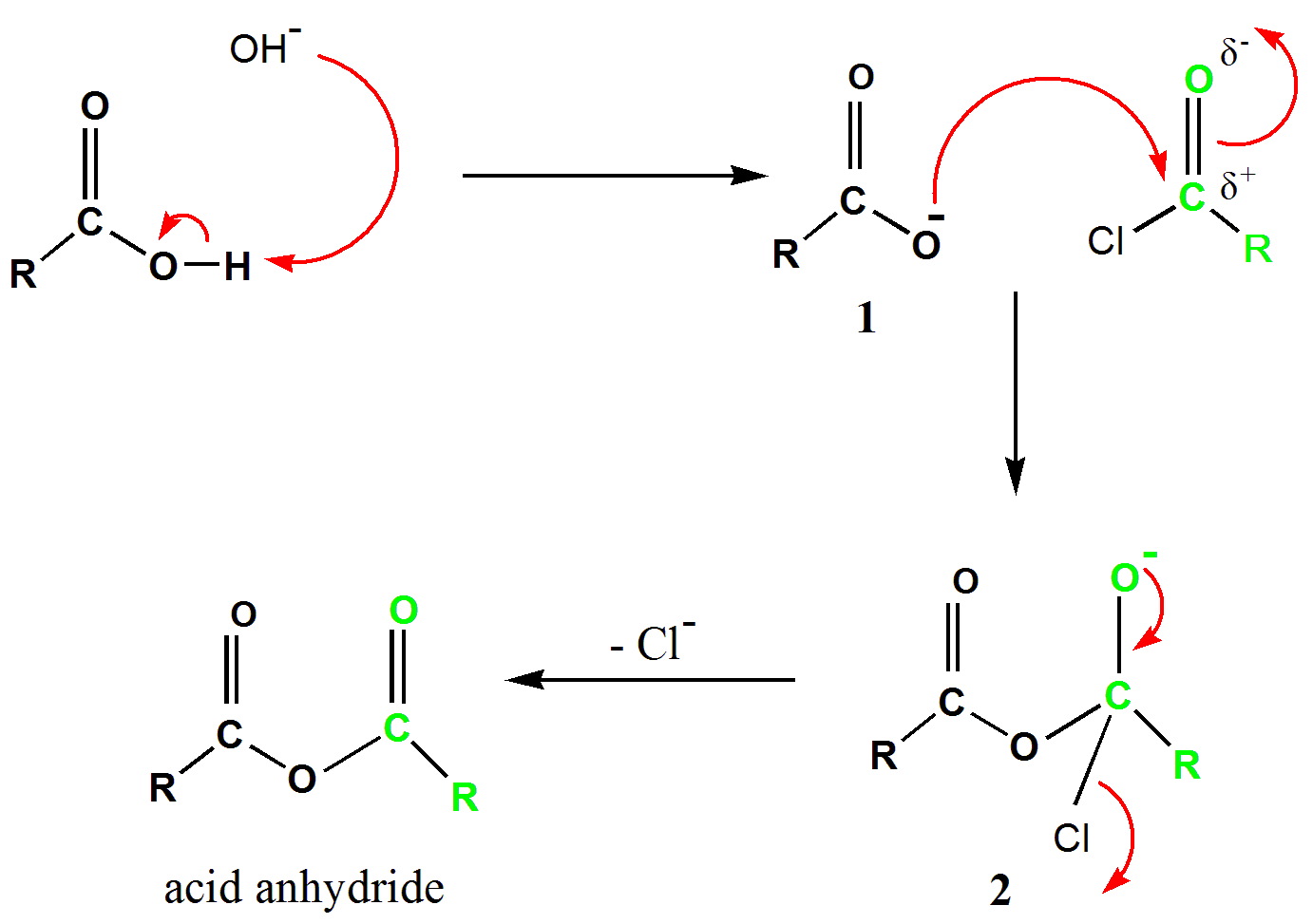
Chemically, an acid anhydride typically contains two acyl groups bonded to the same oxygen atom (R-CO-O-CO-R’). The most common type encountered in industrial and technological applications is a carboxylic acid anhydride, derived from carboxylic acids. For instance, acetic anhydride, a widely used industrial chemical, is formed from two molecules of acetic acid, with the elimination of one molecule of water. Similarly, cyclic anhydrides, formed from dicarboxylic acids, are particularly significant due to their distinct reactivity and the structures they can impart to polymers.
The formation process, typically involving dehydration, is central to understanding their utility. This “dehydrated acid” nature means they are often more reactive than their parent acids, especially towards nucleophiles like water, alcohols, and amines. This enhanced reactivity is precisely why they are so useful in synthesizing complex molecules and in forming robust materials—they act as powerful acylating agents, efficiently transferring their acyl group to another molecule, forming new bonds and structures that are critical for advanced materials and manufacturing processes. In a technological context, this reactivity isn’t just a chemical detail; it’s the mechanism by which we can engineer specific material properties, create stable coatings, or drive precise chemical reactions within a controlled environment.
Key Properties and Reactivity: Tailoring Functionality for Tech
The defining characteristic of acid anhydrides relevant to technology is their electrophilic nature at the carbonyl carbons, making them susceptible to attack by electron-rich species. Their high reactivity with water, leading to the regeneration of the parent carboxylic acids, is a double-edged sword: it necessitates careful handling and storage, but it also underscores their utility as water scavengers or reactive intermediates in processes where precise moisture control is vital.
Furthermore, their ability to undergo addition reactions with alcohols and amines is foundational to polymer chemistry. They can react to form esters and amides, respectively, which are the linkages that constitute many high-performance plastics, resins, and fibers. The choice between a linear (acyclic) or cyclic anhydride can dramatically influence the properties of the resulting polymer—cyclic anhydrides, for example, are frequently employed as curing agents for epoxy resins, imparting specific thermal, mechanical, and electrical properties to the final material. Understanding and controlling these properties allows engineers to tailor materials for specific technological demands, from enhancing the durability of electronic components to improving the efficiency of energy storage devices.
Acid Anhydrides in Advanced Materials & Manufacturing
The impact of acid anhydrides extends across a vast spectrum of advanced materials and manufacturing processes, acting as indispensable components in the creation of high-performance products essential to the tech industry. Their role as versatile chemical intermediates and powerful reagents allows for the precise engineering of material properties, driving innovation in areas ranging from structural composites to microscopic semiconductor fabrication.
Polymers and Composites: Engineering Next-Generation Materials
One of the most significant applications of acid anhydrides lies within the realm of polymer science. They are crucial as monomers or curing agents in the synthesis of a wide array of polymers, contributing to their robustness, thermal stability, and mechanical strength.
-
Epoxy Resins: Acid anhydrides, particularly cyclic anhydrides like phthalic anhydride and methyltetrahydrophthalic anhydride (MTHPA), are extensively used as hardeners or curing agents for epoxy resins. These resins are ubiquitous in technology, forming the basis of circuit boards (PCBs), encapsulating electronic components, and providing high-strength adhesives and coatings for aerospace, automotive, and marine applications. The anhydride reacts with the epoxy groups to form a highly cross-linked, rigid polymer network that boasts excellent electrical insulation properties, resistance to chemicals, and superior mechanical performance—all critical attributes for modern electronics and structural composites.
-
Polyester and Alkyd Resins: While historically important, they continue to find niche applications. Acid anhydrides are precursors for certain types of polyesters, which are utilized in various forms, including films, fibers, and molded parts. These materials are found in insulation, protective coatings, and certain consumer electronics components due to their balance of strength, flexibility, and cost-effectiveness.
-
Polyimides: These high-performance polymers, known for their exceptional thermal stability, mechanical strength, and chemical resistance, are often synthesized using dianhydrides (acid anhydrides with two anhydride groups). Polyimides are vital in demanding tech applications such as flexible circuits, high-temperature adhesives, and insulation in extreme environments, like those encountered in spacecraft and high-performance jet engines. Their ability to withstand high temperatures makes them indispensable for miniaturized and powerful electronic devices that generate significant heat.
By enabling the formation of such diverse and high-performance polymers, acid anhydrides are foundational to the physical integrity and operational reliability of countless tech products.
Semiconductor Fabrication: Precision at the Nanoscale
The world of microelectronics, characterized by its demand for extreme precision and purity, also leverages the unique chemistry of acid anhydrides. While not always directly present in the final chip, they play roles in crucial steps of the manufacturing process.
-
Photoresists and Etching: In photolithography, the process of transferring circuit patterns onto semiconductor wafers, highly specialized polymers known as photoresists are employed. While the primary components of photoresists are complex, acid anhydrides can be used in the synthesis of specific resin components or as additives to control the solubility and reactivity of these resists. Their reactivity can also be harnessed in certain etching or cleaning formulations to remove organic residues with high selectivity, ensuring the integrity of the delicate circuit patterns.
-
Chemical Vapor Deposition (CVD) Precursors: In some advanced CVD processes, where thin films are deposited onto semiconductor wafers, specific organic precursors are required. While less common than inorganic precursors, certain derivatives or related compounds might find use in specialized applications for depositing dielectric layers or modifying surface properties with extreme precision, essential for creating the incredibly small and complex structures within microprocessors and memory chips.
-
Purification and Synthesis of High-Purity Materials: The semiconductor industry requires materials of extraordinary purity. Acid anhydrides can be used as dehydrating agents or reactive intermediates in the synthesis and purification of other chemicals that are then used in various stages of chip manufacturing, ensuring that contaminants are minimized to prevent defects in the microscopic circuitry.
The meticulous control afforded by acid anhydride chemistry is therefore critical, albeit often indirectly, to the production of the advanced microchips that are the brains of all modern technology.
Energy Storage and Electronic Applications
Beyond their roles in structural materials, acid anhydrides are increasingly making their mark in the critical domain of energy storage and specialized electronic components. As the world pushes for more efficient, durable, and safer power solutions, the subtle chemical properties of these compounds are being harnessed to enhance the performance and longevity of advanced batteries and other electronic devices.

Battery Technology Enhancements: Powering the Future
The rapid evolution of battery technology, particularly in the realm of lithium-ion batteries and their successors, relies heavily on chemical innovation. Acid anhydrides, or their carefully engineered derivatives, contribute in several key areas:
-
Electrolyte Additives: In lithium-ion batteries, the electrolyte is a crucial component that facilitates the movement of lithium ions between the anode and cathode. While the main components are usually lithium salts dissolved in organic solvents, small quantities of additives can dramatically improve battery performance and safety. Certain acid anhydrides or related compounds can act as film-forming additives for the solid electrolyte interphase (SEI) on the anode surface. A stable SEI layer is critical for long-term battery cycling, reducing irreversible capacity loss and preventing detrimental side reactions. These compounds can polymerize or react at the electrode surface to create a robust, ion-permeable protective layer, significantly extending battery life and enhancing safety.
-
Binder Materials and Separators: Acid anhydrides can be incorporated into the synthesis of polymeric binder materials that hold the active electrode materials together and adhere them to the current collectors. They can also contribute to the chemical modification of separator membranes, enhancing their mechanical strength, thermal stability, or wettability by the electrolyte, all of which are vital for reliable and safe battery operation.
-
Solid-State Batteries: As research into solid-state batteries progresses, new solid electrolyte materials are being developed. Here, acid anhydrides might play a role in the synthesis of novel polymer-based or inorganic-organic hybrid solid electrolytes, or as cross-linking agents to improve the mechanical properties and ionic conductivity of these next-generation materials. Their ability to form strong covalent bonds and complex polymer networks is highly valuable in engineering the intricate architecture of solid-state systems.
By contributing to more stable electrolytes, robust electrode interfaces, and advanced binder systems, acid anhydrides are silently improving the efficiency, lifespan, and safety of the batteries that power our portable electronics, electric vehicles, and grid storage solutions.
Dielectrics and Insulators: Critical Components for Electronics
In any electronic device, materials that can store electrical energy (dielectrics) and prevent unintended current flow (insulators) are fundamental. Acid anhydrides contribute to the development of materials with tailored dielectric properties and excellent insulating capabilities.
-
Capacitor Dielectrics: Capacitors, essential components for filtering, storing, and regulating electrical energy, rely on dielectric materials to separate their conductive plates. Polymers derived or modified using acid anhydrides can exhibit high dielectric constants and low dielectric loss, making them suitable for compact and efficient capacitors used in power supplies, signal processing, and high-frequency applications.
-
Electrical Insulation: The excellent insulating properties of many anhydride-cured epoxy resins and polyimides make them ideal for electrical insulation in motors, transformers, and high-voltage applications. They protect sensitive electronic components from short circuits, environmental degradation, and electrical breakdown, ensuring the reliability and safety of power systems and electronic devices.
-
Advanced Packaging Materials: In the tight confines of modern electronic packaging, materials must provide both electrical insulation and thermal management. Anhydride-based polymers can be engineered to offer a combination of these properties, contributing to thermally conductive but electrically insulating encapsulants and potting compounds that protect integrated circuits and other sensitive components.
The ability of acid anhydrides to enable materials with specific electrical characteristics is therefore crucial for the miniaturization, performance, and reliability of virtually all electronic devices.
The Future of Acid Anhydrides in Tech Innovation
The journey of acid anhydrides in technology is far from over. As innovation accelerates, these versatile compounds are at the forefront of ongoing research and development, promising solutions for sustainability, enhanced performance, and entirely new applications.
Sustainable Synthesis and Green Chemistry: A Greener Tech Footprint
A significant focus in the chemical industry and, by extension, in tech manufacturing, is the drive towards sustainability. For acid anhydrides, this means exploring more environmentally friendly synthesis routes and applications:
-
Bio-based Anhydrides: Research is actively investigating the production of acid anhydrides from renewable biomass sources, rather than traditional petrochemical feedstocks. This shift could lead to a reduced carbon footprint for materials derived from these compounds.
-
Catalytic Efficiency: Developing more efficient and selective catalysts for anhydride formation and reactions can minimize waste products and energy consumption, aligning with green chemistry principles.
-
Recycling and Degradation: Exploring ways to make anhydride-derived polymers more recyclable or biodegradable, without sacrificing performance, is crucial for closing material loops in the tech supply chain. This could involve designing cleavable linkages or incorporating components that respond to specific environmental triggers.
These efforts aim to ensure that the chemical building blocks of technology contribute to a more circular and sustainable economy.
AI-Driven Discovery and Optimization: Intelligent Material Design
The convergence of artificial intelligence and chemistry is revolutionizing material discovery. AI and computational chemistry tools are poised to accelerate the identification and optimization of new acid anhydride derivatives with tailored properties for emerging tech needs:
-
Predictive Modeling: AI algorithms can analyze vast datasets of chemical structures and properties to predict the performance of new anhydride-based polymers or additives before they are even synthesized. This significantly reduces trial-and-error in the lab.
-
Automated Synthesis Platforms: Robotic synthesis platforms guided by AI can rapidly screen and synthesize novel acid anhydrides and evaluate their performance in high-throughput experiments, accelerating the discovery process.
-
Optimization of Reaction Conditions: Machine learning can optimize reaction conditions for anhydride synthesis and their subsequent reactions, leading to higher yields, purer products, and more efficient manufacturing processes.
This intelligent approach promises to unlock new functionalities for acid anhydrides that were previously unimaginable.
Emerging Applications: Beyond the Current Horizon
The adaptability of acid anhydrides means they are likely to feature in future technological advancements across diverse fields:
-
Flexible Electronics: As demand for bendable displays, wearable sensors, and conformable devices grows, polymers incorporating acid anhydride chemistry could be engineered for enhanced flexibility, durability, and electrical performance in these dynamic applications.
-
Biocompatible Materials: Research into biomedical devices and drug delivery systems may leverage specific acid anhydrides for the synthesis of biocompatible and biodegradable polymers, opening doors for advanced medical tech.
-
Advanced Sensors: The precise control over material properties offered by anhydride chemistry could be utilized in designing highly sensitive and selective sensors for environmental monitoring, medical diagnostics, and industrial process control.
-
Additive Manufacturing (3D Printing): Developing novel resins and powders for 3D printing that incorporate acid anhydride chemistry could lead to printed parts with superior mechanical, thermal, and electrical properties, expanding the capabilities of additive manufacturing in tech.
Conclusion
From the intricate circuits of a smartphone to the robust composites of an electric vehicle, acid anhydrides are silent architects of modern technology. Their unassuming chemical structure belies a powerful reactivity that makes them indispensable across a multitude of applications: curing resilient epoxy resins for printed circuit boards, contributing to the longevity of advanced batteries, and forming the basis for high-performance polyimides in extreme environments.
As technology continues its relentless march forward, driven by the demands for greater efficiency, miniaturization, and sustainability, the role of acid anhydrides is only set to expand. Through efforts in green chemistry, the power of AI-driven discovery, and the exploration of new and emerging applications, these fundamental compounds will undoubtedly continue to underpin and enable the next wave of technological innovation, proving that even the most specialized chemical knowledge holds the key to unlocking our future.
aViewFromTheCave is a participant in the Amazon Services LLC Associates Program, an affiliate advertising program designed to provide a means for sites to earn advertising fees by advertising and linking to Amazon.com. Amazon, the Amazon logo, AmazonSupply, and the AmazonSupply logo are trademarks of Amazon.com, Inc. or its affiliates. As an Amazon Associate we earn affiliate commissions from qualifying purchases.