
In an increasingly complex and demanding world, the concept of “wellness” has evolved far beyond mere physical health. It encompasses a holistic spectrum of well-being, including mental, emotional, social, environmental, occupational, and intellectual dimensions. But what precisely is a wellness plan, and more importantly, how does it intertwine with and profoundly impact our financial health and security? Far from being a luxury or an abstract ideal, a well-conceived wellness plan is, in essence, a strategic financial investment in oneself, a proactive measure to safeguard and enhance one’s monetary future.
This article will delve into the multifaceted nature of a wellness plan, dissecting its core components, and critically examining its profound financial implications. We’ll explore how consciously investing in your well-being can dramatically reduce future expenditures, increase earning potential, and build a robust foundation for long-term financial stability. Understanding a wellness plan through a financial lens reveals it not just as a health initiative, but as an indispensable pillar of comprehensive personal and business finance.

Defining a Wellness Plan: More Than Just Health
At its heart, a wellness plan is a structured, intentional strategy designed to improve and maintain an individual’s or group’s overall health and well-being across various dimensions. It’s a personalized roadmap outlining goals, actions, and resources aimed at fostering a balanced and thriving life. While often associated primarily with physical fitness and nutrition, a true wellness plan adopts a much broader perspective, recognizing the interconnectedness of all aspects of our lives. When viewed through a financial lens, this holistic understanding becomes critical, as deficiencies in one area of wellness can quickly translate into financial burdens.
The Holistic Approach: Beyond Physical Health
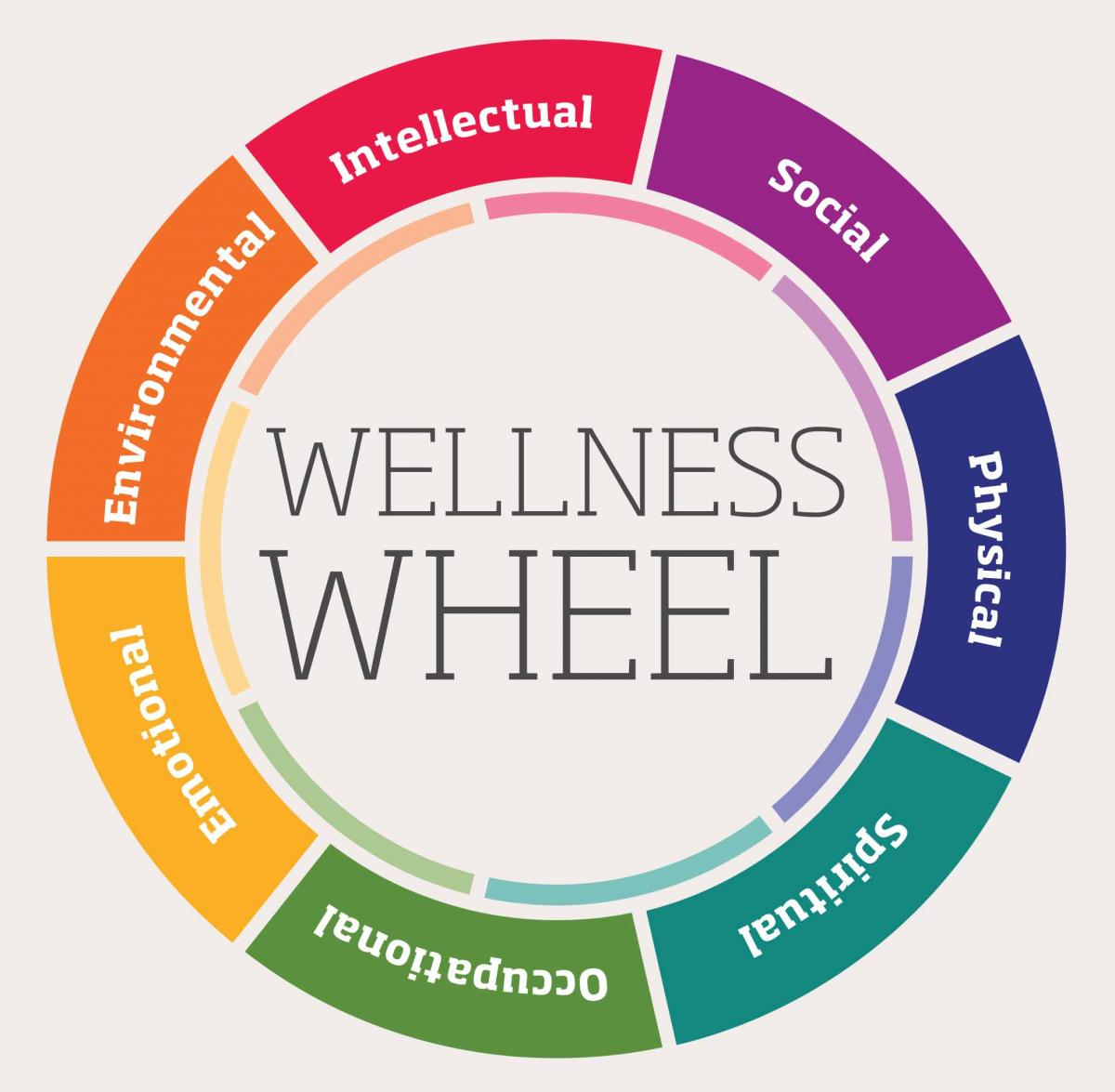
A comprehensive wellness plan typically addresses several key dimensions:
-
Physical Wellness: Diet, exercise, sleep, regular medical check-ups.
-
Mental/Emotional Wellness: Stress management, emotional regulation, seeking professional help when needed.
-
Social Wellness: Nurturing relationships, community engagement.
-
Occupational Wellness: Job satisfaction, work-life balance, career development.
-
Intellectual Wellness: Lifelong learning, creativity, cognitive stimulation.
-
Environmental Wellness: Living in a healthy, safe, and sustainable environment.
Each of these dimensions, seemingly distinct, possesses direct and indirect financial implications. For instance, neglecting mental health can lead to lost productivity and medical expenses, while investing in occupational wellness can enhance career progression and earning potential. A truly effective wellness plan, therefore, is an integrated strategy that acknowledges how these elements contribute to — or detract from — one’s financial standing.
Wellness as an Investment, Not an Expense
Thinking of wellness initiatives as mere expenditures misses their profound long-term value. Instead, a wellness plan should be framed as a strategic investment. Just as one allocates funds to a diversified investment portfolio for future financial growth, allocating resources (time, money, effort) to a wellness plan yields dividends in the form of improved health, reduced future medical costs, enhanced productivity, and greater longevity. This paradigm shift from “spending on health” to “investing in well-being” is fundamental for anyone serious about their financial future. It’s about preemptively mitigating risks and maximizing human capital.
The Financial Implications of Neglecting Wellness
Ignoring the various facets of wellness doesn’t simply result in feeling unwell; it often leads to a cascade of financial penalties that can severely impact one’s personal finances, business profitability, and long-term financial security. The cost of neglecting wellness is often far higher than the cost of maintaining it, a crucial insight for financial planning.
Direct Medical Costs and Healthcare Burdens
Perhaps the most obvious financial consequence of poor wellness is the burgeoning cost of medical care. Chronic conditions like diabetes, heart disease, and hypertension, often preventable or manageable through lifestyle changes, can incur staggering medical bills, medication expenses, and long-term care costs. Even minor ailments, exacerbated by a lack of preventative care, can lead to frequent doctor visits, specialist consultations, and lost time from work. For individuals, this translates to higher out-of-pocket expenses, increased insurance premiums, and potential medical debt. For businesses, it means elevated healthcare benefit costs and reduced overall employee health.
Indirect Financial Drain: Lost Productivity and Income
Beyond direct medical expenses, poor wellness significantly erodes earning potential through lost productivity and income. Illness, fatigue, and stress can lead to increased absenteeism (missed workdays) and presenteeism (being at work but operating at reduced capacity). For employees, this can mean fewer opportunities for advancement, lower performance bonuses, and even job insecurity. For freelancers and business owners, it directly impacts their ability to generate revenue. The cumulative effect of reduced output and frequent health-related interruptions represents a substantial, often underestimated, financial drain over a lifetime.
The Hidden Costs of Stress and Mental Health Issues
Mental and emotional wellness are often overlooked until they reach a crisis point, yet their financial implications are profound. Chronic stress, anxiety, and depression can manifest physically, exacerbating other health problems and driving up medical costs. More subtly, they can impair decision-making, reduce motivation, and strain personal relationships, impacting financial planning and career progression. Therapy, medication, and time off for mental health recovery can be costly, and the long-term impact on financial stability due to impaired cognitive function and reduced capacity for work is significant. Recognizing mental health as a core component of financial wellness is essential for comprehensive planning.
Crafting a Financially Savvy Wellness Plan
Developing a wellness plan isn’t about throwing money at every new health trend; it’s about smart, strategic allocation of resources to achieve sustainable well-being that supports your financial goals. A financially savvy wellness plan integrates health objectives with budgetary considerations, ensuring that investing in health is both effective and economically sound.
Budgeting for Health: Allocating Resources Wisely

Just as you budget for housing, food, and entertainment, dedicating a portion of your financial plan to wellness is crucial. This involves consciously allocating funds for healthy groceries, a gym membership (or home exercise equipment), mental health support, preventative screenings, and even professional development that contributes to occupational wellness. The key is to see these as essential line items in your budget, not optional extras. Prioritizing these expenses can prevent larger, reactive costs down the line. It might involve re-evaluating discretionary spending elsewhere to free up funds for foundational wellness investments.
Leveraging Benefits: Employer-Sponsored Programs and Insurance
Smart financial wellness planning involves maximizing available resources. Many employers offer wellness programs, gym reimbursements, EAP (Employee Assistance Programs) for mental health, and comprehensive health insurance plans. Tapping into these benefits can significantly reduce out-of-pocket expenses for health-related services. Understanding your health insurance policy, including preventative care coverage, deductible structures, and prescription benefits, allows you to make informed decisions that optimize your healthcare spending and ensure you’re covered in case of unexpected health events. These benefits are a part of your total compensation and should be utilized to their fullest extent.
Smart Spending: Value over Trend in Wellness Purchases
The wellness industry is booming, offering a plethora of products and services—some valuable, many overhyped and overpriced. A financially savvy approach dictates prioritizing value over fleeting trends. This means investing in evidence-based practices (e.g., consistent exercise, nutrient-dense foods, adequate sleep) rather than expensive, unproven supplements or gadgets. Seek out affordable options: community fitness classes, free outdoor activities, cooking at home, and mindfulness apps. The goal is sustainable, effective wellness practices that deliver genuine returns on investment, not just fleeting fads that deplete your bank account.
Wellness as a Catalyst for Financial Growth and Security
Far from being a drag on resources, a robust wellness plan acts as a powerful catalyst for enhancing financial growth and fortifying long-term security. Investing in your well-being doesn’t just prevent financial losses; it actively creates opportunities for greater wealth accumulation and resilience.
Increased Productivity and Earning Potential
A healthy individual is a more productive individual. Improved physical stamina, mental clarity, and emotional stability directly translate into enhanced performance at work. This can lead to faster career progression, opportunities for higher-paying roles, and greater earning potential. For entrepreneurs and those in performance-based roles, optimal wellness can directly boost output and revenue. A well-rested, focused mind makes better decisions, manages stress more effectively, and fosters creativity – all critical assets in any professional environment.
Reduced Long-Term Healthcare Expenses
The cumulative effect of consistent wellness practices is a significant reduction in long-term healthcare expenses. By preventing chronic diseases, managing stress proactively, and maintaining a healthy lifestyle, individuals can potentially avoid costly surgeries, long-term medication regimens, and extensive rehabilitative therapies later in life. This not only preserves personal wealth but also reduces the strain on healthcare systems. The financial gains from avoiding these major health events are often far greater than the initial investment in preventative wellness.
Building Financial Resilience Through Well-being
Financial resilience—the ability to withstand and recover from financial setbacks—is profoundly linked to personal well-being. Good health provides the energy and mental fortitude to navigate economic challenges, whether it’s job loss, market volatility, or unexpected expenses. When one is physically and mentally strong, they are better equipped to find new opportunities, manage stress, and make rational financial decisions during crises. Conversely, poor health can amplify financial stress, creating a vicious cycle where health issues lead to financial strain, which further deteriorates health.
Entrepreneurial Avenues in the Wellness Economy
For those seeking to diversify their income or explore new career paths, the burgeoning wellness economy presents significant entrepreneurial opportunities. From becoming a certified fitness instructor or nutritionist to developing wellness apps, coaching services, or creating healthy food products, the demand for wellness-related goods and services is robust. A personal commitment to wellness can thus evolve into a profitable side hustle or even a full-time business, illustrating another direct financial benefit of understanding and living a wellness-oriented life.
Integrating Wellness into Your Comprehensive Financial Strategy
Ultimately, a wellness plan should not be viewed as a standalone endeavor but as an integral, foundational component of a comprehensive financial strategy. Just as you plan for retirement, education, and asset accumulation, you must plan for the sustained health that allows you to enjoy and manage that wealth.
Financial Planning for Longevity and Health
Longevity planning is a key aspect of modern financial strategy. As people live longer, the need for sustained income, long-term care planning, and managing healthcare costs over an extended retirement becomes paramount. A wellness plan directly supports this by aiming for a healthy, active life well into old age, potentially reducing the need for costly long-term care and allowing for a more active, fulfilling retirement without undue financial burden from health issues. Integrating health projections and wellness goals into retirement savings and investment plans is no longer optional, but essential.
The Role of Financial Advisors in Holistic Wellness Planning
Forward-thinking financial advisors are increasingly recognizing the interconnectedness of wealth and well-being. They understand that a client’s health status profoundly impacts their financial projections, risk tolerance, and ability to execute financial plans. Advisors can help clients factor in wellness expenses, insurance planning, and the potential costs of future health challenges into their financial models. They can also connect clients with resources that support overall well-being, acknowledging that a holistic approach to life management ultimately serves the client’s financial interests best. A truly comprehensive financial plan today is incomplete without a robust consideration of wellness.
In conclusion, “What is a wellness plan?” is a question that, when fully explored, reveals a powerful strategic tool for financial empowerment. It is an intentional, holistic commitment to personal well-being that acts as a preventative shield against financial drain and a catalyst for increased income and long-term security. By understanding and actively implementing a financially savvy wellness plan, individuals and businesses can build a foundation not just for good health, but for enduring prosperity and resilience.
aViewFromTheCave is a participant in the Amazon Services LLC Associates Program, an affiliate advertising program designed to provide a means for sites to earn advertising fees by advertising and linking to Amazon.com. Amazon, the Amazon logo, AmazonSupply, and the AmazonSupply logo are trademarks of Amazon.com, Inc. or its affiliates. As an Amazon Associate we earn affiliate commissions from qualifying purchases.