
In the intricate world of personal finance, few decisions are as significant and fraught with potential pitfalls as purchasing a vehicle. Whether you’re a first-time buyer or a seasoned car enthusiast, the allure of a good deal can often overshadow the critical due diligence required to make a truly informed investment. This is where the Vehicle History Report, or VHR, emerges as an indispensable financial tool, acting as a transparent window into a car’s past and an essential safeguard for your future financial well-being. Far more than just a piece of paper, a VHR is a comprehensive compilation of a vehicle’s life story, detailing everything from accident history to service records. Understanding its components and leveraging its insights can mean the difference between acquiring a reliable asset and inheriting a costly liability.
The Essential Financial Due Diligence for Car Buyers
Purchasing a used car is inherently an exercise in risk management. Unlike a new vehicle with its factory warranty and pristine history, a pre-owned car carries the cumulative weight of its previous owners’ usage, maintenance habits, and unfortunate incidents. Without a clear understanding of this past, buyers are essentially gambling with a substantial sum of money. A VHR serves as the bedrock of financial due diligence, transforming guesswork into informed decision-making.
Beyond the Test Drive: Why Data Matters
While a thorough test drive can reveal immediate mechanical issues or comfort concerns, it offers only a snapshot of the vehicle’s current state. It cannot, however, expose a history of salvage titles, undisclosed flood damage, or pervasive structural repairs that might lurk beneath a shiny exterior. These hidden problems, if unaddressed, can lead to astronomical repair bills, compromise safety, and drastically diminish the car’s resale value, turning an apparent bargain into a financial burden. The data presented in a VHR provides an objective, third-party account that complements your personal inspection, revealing potential red flags that a seller might intentionally or unintentionally omit. For instance, a vehicle that appears perfect during a test drive might have a history of multiple severe accidents, indicating underlying structural weaknesses or recurring electrical issues that are not immediately apparent but will surface later, demanding significant financial outlay. This verifiable data is your strongest ally against asymmetric information, where the seller inherently knows more about the product than the buyer.
Protecting Your Investment: Avoiding Costly Surprises
The financial impact of a poor car purchase extends far beyond the initial transaction price. A vehicle with a problematic history can incur higher insurance premiums, require more frequent and expensive repairs, and ultimately prove difficult to sell, resulting in a significant depreciation of its market value. Imagine purchasing a car only to discover later that its odometer was rolled back, meaning you paid for significantly fewer miles than the engine actually has endured. Or finding out it was once salvaged due to flood damage, leading to chronic electrical problems that modern mechanics struggle to diagnose and repair. These scenarios translate directly into unforeseen expenses and a drastic erosion of your investment. By meticulously reviewing a VHR, you gain the foresight to anticipate these potential financial drains, allowing you to either negotiate a fair price that reflects the car’s true condition or, crucially, walk away from a deal that is financially unsound. It is, in essence, a small upfront cost that can prevent tens of thousands in future losses, making it an invaluable tool in your personal finance arsenal.
Deciphering the VHR: Key Sections and Their Financial Implications
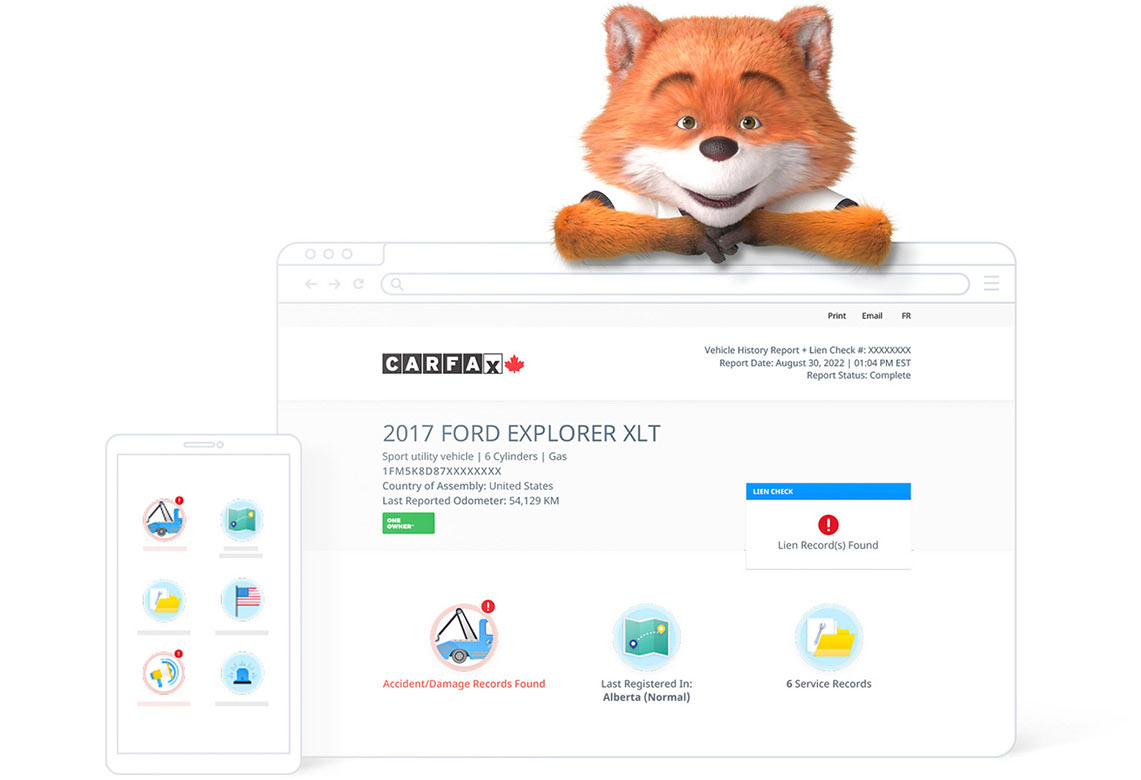
A typical VHR aggregates data from numerous sources, including state DMVs, insurance companies, repair shops, and law enforcement agencies. Each section offers unique insights with direct financial consequences that a savvy buyer must understand.
Accident History and Structural Damage: Hidden Costs of Repair and Resale Value
Perhaps the most critical section for financial assessment is the accident history. The report will detail reported accidents, including their severity (minor, moderate, severe) and the extent of damage. Even a seemingly minor collision can lead to structural compromises, misalignment, or recurring electronic glitches that are costly to fix. A vehicle that has undergone significant structural repairs, especially if poorly executed, will almost certainly have a diminished resale value, regardless of its current cosmetic appearance. Insurance companies also factor accident history heavily into their premiums; a car with multiple claims or severe damage history might cost more to insure or even be deemed uninsurable by some providers, adding another layer of financial burden. Identifying such incidents allows you to accurately gauge the car’s inherent value and negotiate a price reduction that reflects the increased risk and potential future expenses.
Title Issues and Liens: Legal Headaches and Financial Traps
The title status is a cornerstone of a vehicle’s financial integrity. A “clean” title indicates no significant issues, but a VHR can reveal critical flags such as “salvage,” “rebuilt,” “flood,” “fire,” or “lemon” titles. A salvage title, for instance, means the car was deemed a total loss by an insurance company, often due to severe damage where repair costs exceeded its value. While rebuilt vehicles might appear roadworthy, they carry inherent risks and significantly reduced market value. Flood damage can lead to chronic, often unpredictable electrical problems that are notoriously expensive to diagnose and repair, effectively making the car a financial black hole. Furthermore, the report will highlight any active liens on the title, indicating that a third party (like a bank) has a legal claim to the vehicle. Purchasing a car with an undisclosed lien can lead to significant legal and financial complications, potentially requiring you to pay off the previous owner’s debt to secure full ownership. A VHR ensures you obtain a legally unencumbered asset.
Odometer Tampering and Mileage Discrepancies: Overpaying for Wear and Tear
The odometer reading is a primary determinant of a vehicle’s value, as it correlates directly with wear and tear. Odometer tampering, or “rollback,” is a fraudulent practice where the mileage is illegally reduced to inflate the car’s perceived value. A VHR cross-references reported mileage figures from various sources over time (e.g., state inspections, service records, ownership transfers). Any significant discrepancies or gaps in these readings can signal odometer fraud, indicating that the car has endured far more use and stress than its dashboard suggests. Paying for 50,000 miles when the engine has actually logged 150,000 miles means you are drastically overpaying for a vehicle that is much closer to its end-of-life cycle, implying imminent and costly component failures. Identifying such fraud saves you from a profound financial loss and protects you from purchasing a vehicle ripe for major mechanical failures.
Service Records and Maintenance History: Predicting Future Expenses
While not always exhaustive, a VHR often includes details about reported service visits, scheduled maintenance, and repairs. A consistent record of regular maintenance suggests a well-cared-for vehicle, indicating that previous owners invested in preventative care. Conversely, a sparse or non-existent service history can be a red flag, suggesting neglect and potentially foretelling a cascade of expensive repairs in the near future. Understanding the maintenance cadence, or lack thereof, allows you to predict potential upcoming expenses (e.g., major mileage-based services, timing belt replacements, transmission fluid changes) and factor them into your overall budget, preventing unexpected financial shocks post-purchase.
Open Recalls and Safety Issues: Unexpected Repair Bills
Automobile manufacturers periodically issue recalls for safety defects or mechanical flaws. An open recall means the necessary repair has not yet been performed. While manufacturers typically cover the cost of recall-related repairs, it still represents an inconvenience and potential safety risk until addressed. A VHR can identify open recalls, allowing you to ensure these critical fixes are completed before you take ownership, saving you the time and hassle of managing these repairs yourself and ensuring your financial investment is as safe as possible from day one.
The Monetary Value of a VHR: ROI and Negotiation Power
The cost of a VHR is typically a modest fee, ranging from $25 to $50, sometimes included by dealers or available in bundles. Compared to the thousands of dollars involved in a car purchase, this expenditure represents an incredibly high return on investment (ROI).
Justifying the Cost: A Small Price for Big Savings
Think of a VHR as an insurance policy for your car purchase. For a small upfront payment, you gain access to vital information that can protect you from tens of thousands of dollars in potential losses. It shields you from purchasing a lemon, overpaying for a compromised vehicle, or inheriting legal and financial liabilities. The peace of mind alone, knowing you’ve made a financially sound decision, often outweighs the minimal cost. It’s an investment in transparency and risk mitigation.
Leveraging Information for Better Deals
Equipped with a comprehensive VHR, you gain significant leverage in price negotiations. If the report reveals minor accidents, a spotty service history, or other less-than-ideal circumstances, you have factual evidence to support a lower offer. For example, if a car is priced at market value but the VHR shows it had a moderate accident a year ago, you can confidently argue for a price reduction that reflects the diminished resale value and increased risk associated with that history. This information allows you to move beyond subjective perceptions and base your financial offer on objective data, leading to a more equitable and financially advantageous transaction. It shifts the power dynamic in your favor.
When to Walk Away: Saving Yourself from a Money Pit
Perhaps the most valuable financial contribution of a VHR is its ability to help you identify when to simply walk away from a deal. If the report reveals extensive damage, a problematic title, or clear signs of fraud (like odometer tampering), the wisest financial decision is often to disengage. Pursuing such a purchase, even at a significantly reduced price, often leads to future financial strain, continuous repair costs, and a depreciating asset that becomes increasingly difficult to offload. A VHR provides the clarity needed to avoid what could easily become a financial “money pit,” saving you from years of regret and unnecessary expenditure.
Accessing VHRs: Trusted Sources and Financial Considerations
Multiple reputable providers offer VHRs, each drawing from vast databases to compile their reports. Understanding the differences and nuances can further optimize your financial strategy.
Major VHR Providers: Comparing Costs and Coverage
The two most prominent VHR providers in North America are Carfax and AutoCheck. Both draw data from numerous sources, but their coverage and reporting methodologies can differ slightly. Carfax is often lauded for its extensive accident history reporting and user-friendly interface, while AutoCheck provides a proprietary “score” that helps quickly assess a vehicle’s overall condition relative to its peers. Some buyers opt to run reports from both services for maximum coverage, though this incurs double the cost. It’s advisable to check sample reports from each provider to understand their specific data presentation and decide which best suits your financial decision-making process. Dealerships often provide Carfax reports for free as a selling point, but an independent check is always recommended.
Integrated Dealer Reports vs. Independent Checks
Many reputable dealerships will proactively offer a VHR, often a Carfax report, as part of their sales process, sometimes even displaying them on their website listings. While convenient, it’s always a good practice to consider purchasing an independent report yourself, especially if the dealer’s report seems incomplete or raises suspicions. This provides an unbiased perspective and ensures you have the most up-to-date information directly from the source, rather than a potentially curated version. The small cost of an independent report is a sound financial decision for this added layer of security.
Beware of Free Reports: The Pitfalls of Incomplete Data
While the idea of a “free VHR” might be tempting, exercise extreme caution. Many websites offer free reports that are often incomplete, outdated, or draw from unreliable databases. These might provide only basic information, such as title status or a limited number of past owners, omitting crucial details like accident history, service records, or open recalls. Relying on such incomplete data can lead to a false sense of security and expose you to the very financial risks a comprehensive VHR is designed to mitigate. When it comes to a significant financial decision like a car purchase, paying for a reputable, comprehensive VHR is a non-negotiable step.
Integrating VHRs into Your Car Buying Financial Strategy
The VHR is not an isolated step but an integral component of a holistic financial strategy for vehicle acquisition. It informs budgeting, negotiation, and long-term financial planning.
A Component of Your Overall Budget
When calculating your total budget for a used car, always factor in the cost of a VHR. It should be an expected line item alongside inspection fees, registration, taxes, and insurance. Overlooking this small expense to save a few dollars can leave you vulnerable to much larger financial setbacks down the road. Treating it as a mandatory part of your financial expenditure reinforces its importance.

Long-Term Financial Planning and Resale Value
A VHR not only protects your current purchase but also influences your long-term financial planning regarding the vehicle. A car with a clean VHR and a well-documented maintenance history will command a higher resale value when you decide to sell it. Conversely, a car with a checkered past, even if well-repaired, will always suffer from diminished market appeal and lower offers. By choosing a vehicle with a positive VHR, you are making a financially astute decision that impacts its asset value over its entire lifecycle, maximizing your eventual return or minimizing depreciation. It’s an investment in the future liquidity and value of your asset.
In conclusion, a Vehicle History Report is a fundamental pillar of sound personal finance for anyone navigating the used car market. It transforms a potentially opaque and risky transaction into a transparent and informed investment. By understanding what a VHR entails, diligently deciphering its contents, and integrating it into your financial decision-making process, you empower yourself to avoid costly mistakes, negotiate from a position of strength, and ultimately secure a vehicle that aligns with your financial goals and provides long-term value. In the realm of significant purchases, a VHR isn’t just a recommendation; it’s a financial imperative.
aViewFromTheCave is a participant in the Amazon Services LLC Associates Program, an affiliate advertising program designed to provide a means for sites to earn advertising fees by advertising and linking to Amazon.com. Amazon, the Amazon logo, AmazonSupply, and the AmazonSupply logo are trademarks of Amazon.com, Inc. or its affiliates. As an Amazon Associate we earn affiliate commissions from qualifying purchases.