
The name “Strad” conjures images of unparalleled craftsmanship, exquisite sound, and a lineage stretching back centuries. More than just a musical instrument, a Stradivarius violin, cello, or viola represents one of the most remarkable and enduring luxury brands in human history. It is a testament to the power of singular vision, relentless dedication to quality, and an uncanny ability to create a product that transcends its functional purpose to become a cultural icon. Understanding “what is a Strad” is to delve into the anatomy of a timeless brand, a case study in how heritage, authenticity, and perceived value can forge an identity that remains potent across millennia.
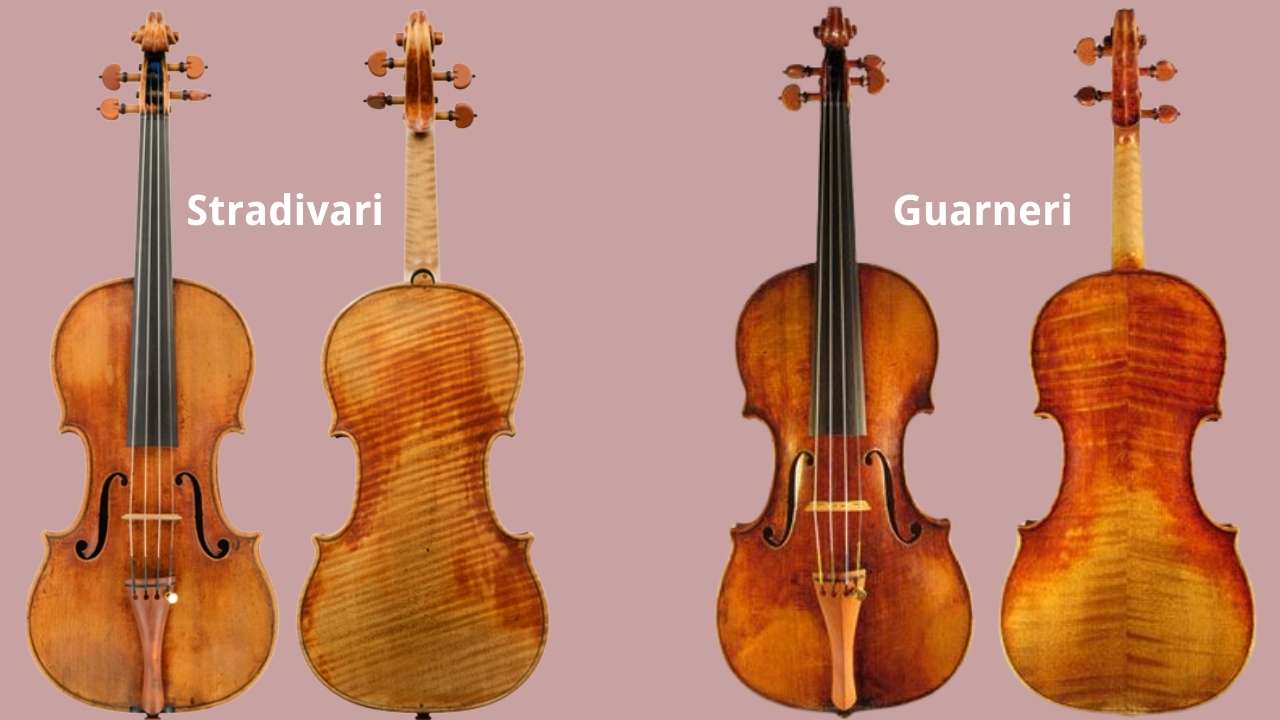
At its core, a Strad refers to an instrument crafted by the Italian master luthier Antonio Stradivari (1644–1737) and his family workshop in Cremona. His creations, alongside those of his contemporary Giuseppe Guarneri del Gesù, define the zenith of violin making. But beyond the sheer artistry, the Stradivarius embodies a unique blend of brand strategy that modern companies strive to emulate: an inimitable product, a story steeped in tradition, and a market position built on exclusivity and aspiration.
Crafting Immortality: The Genesis of the Stradivarius Brand
The journey of the Stradivarius brand begins in the vibrant cultural milieu of 17th-century Cremona, a city that became the undisputed capital of violin making. It was here that Antonio Stradivari honed his craft, learning from masters like Nicolò Amati, before eventually eclipsing them to establish his own distinctive and enduring legacy.
Antonio Stradivari: The Man Behind the Myth
Antonio Stradivari was not merely a craftsman; he was an innovator and a perfectionist whose meticulous approach laid the groundwork for his brand’s future dominance. Born in 1644, he lived a remarkably long and productive life, continuing to build instruments well into his nineties. His workshop, often employing his sons and other apprentices, was a crucible of continuous improvement and refinement. He didn’t just reproduce existing designs; he evolved them, experimenting with wood thickness, arching, varnish composition, and body proportions. This relentless pursuit of the ideal form and function led to what is now recognized as his “golden period” (roughly 1700–1720), producing instruments that are considered the pinnacle of his art and the most coveted today.
Stradivari’s personal brand was built on an unwavering commitment to excellence. His instruments bore his label – often “Antonius Stradivarius Cremonensis Faciebat Anno [year]” – a form of corporate identity that guaranteed authenticity and quality. This early branding, far from a simple signature, was a declaration of origin and a mark of supreme craftsmanship, establishing a clear link between the product and its esteemed creator.
Signature Craftsmanship and Distinctive Design
What set Stradivari’s instruments apart, and what continues to define the brand, was a combination of masterful design and execution. While the exact “secret” remains a subject of intense debate and scientific inquiry, several factors contribute to their unique identity:
-
Wood Selection: Stradivari reportedly possessed an unparalleled eye for selecting resonant tonewoods, primarily spruce for the tops and maple for the backs, sides, and scrolls. The age, density, and grain patterns of this wood are believed to play a critical role in the instrument’s acoustic properties.
-
Graduation and Arching: The precise carving and thinning of the wood plates (known as graduation) and the elegant curves of the instrument’s arching were meticulously executed. These subtle variations from previous makers allowed Stradivari to control resonance and projection more effectively.
-
Varnish: The “Stradivarius varnish” is legendary. While its exact chemical composition is still debated, it is known for its exquisite color, transparency, and presumed role in enhancing the wood’s vibrational characteristics without impeding its acoustic properties. It contributed significantly to the aesthetic appeal and, arguably, the sonic qualities.
-
Model Consistency and Evolution: Over his lifetime, Stradivari developed and refined specific models, each with distinct proportions and characteristics. This systematic approach to design and production, while allowing for innovation, also created a recognizable “Stradivarius look” and sound profile, cementing his brand identity.
This synthesis of material science, artistic vision, and painstaking execution created not just violins, but works of art that possessed a distinct visual and sonic signature—the foundational elements of any powerful brand.
The Sound of Excellence: A Brand’s Unique Value Proposition
The ultimate promise of the Stradivarius brand lies in its sound. For centuries, these instruments have been lauded for their incredible power, clarity, projection, and rich tonal palette. This acoustic superiority is the core value proposition that continues to drive their demand and elevate their status.
Acoustical Superiority: The Stradivarius Resonance
Musicians and connoisseurs describe the sound of a Stradivarius with reverence. It is often characterized by its ability to “fill a hall” with sound, its remarkable responsiveness to the player’s touch, and a complex harmonic richness that allows for nuanced expression. The instruments are not merely loud; they possess a unique warmth and brilliance, a singing quality that seems to transcend the physical object. This consistent and exceptional acoustic performance across numerous instruments from his workshop solidifies the Stradivarius brand’s reputation for unparalleled sonic excellence. It’s not just a good violin; it’s a Strad, and that name implies a certain level of acoustic perfection.
The Enigma of the “Secret Formula”
Part of the Stradivarius brand’s enduring allure is the persistent myth of a “secret formula.” For centuries, experts have sought to uncover the specific techniques, materials, or chemical treatments that supposedly gave Stradivari’s instruments their unique sound. Theories abound: from the properties of “little ice age” wood growth (denser wood), to specific varnish ingredients (like volcanic ash or ancient resins), to advanced construction methods that were lost to time.
While modern science has made progress in analyzing the wood and varnish, and understanding the acoustics, no single “secret” has been definitively identified or replicated. This ongoing mystery, however, only serves to enhance the Stradivarius brand. It imbues the instruments with an almost magical quality, making them seem irreplicable by modern means. It creates a narrative of lost knowledge and unique genius, a powerful story that enriches the brand’s mystique and solidifies its position as an unattainable benchmark. The “secret” isn’t just about how they were made; it’s a vital component of the brand’s mystique and its perceived value.
Beyond the Violin: Cultivating a Timeless Corporate Identity
The Stradivarius brand transcends the mere creation of musical instruments; it represents a meticulously cultivated corporate identity built on principles of rarity, authenticity, and enduring prestige. These elements are crucial for a brand that maintains its value and desirability for over 300 years.
Rarity and Authenticity: Pillars of Brand Exclusivity

One of the most powerful drivers of the Stradivarius brand is its extreme rarity. Antonio Stradivari produced an estimated 1,000 to 1,100 instruments during his lifetime, of which only around 650-700 are known to survive today. This finite supply, combined with the continuous demand from musicians, collectors, and investors, creates an unparalleled level of exclusivity. Each genuine Stradivarius is a limited edition masterpiece, impossible to mass-produce, and a true collector’s item.
The concept of authenticity is paramount. The market for high-value instruments is rigorously policed by expert authenticators who can identify genuine Strads based on their labels, specific construction details, wood grain, and historical provenance. Counterfeiting is a persistent challenge, but the rigorous authentication process reinforces the value of genuine articles. Owning an authenticated Stradivarius is not just owning an instrument; it’s owning a verifiable piece of history, an assurance that one possesses an original from the master, which is fundamental to its brand identity and market value. This strict adherence to authenticity protects the brand’s integrity and prevents dilution.
Provenance and Prestige: The Story Behind Each Instrument
Unlike mass-produced items, each surviving Stradivarius instrument possesses a unique and often fascinating provenance – a documented history of ownership. Many have been played by legendary virtuosos, passed down through noble families, or featured in significant historical events. This individual narrative adds immense layers of prestige and emotional value to the brand.
For example, the “Messiah” Stradivarius is famous for its near-pristine condition, having rarely been played, and its complex ownership history. The “Lady Blunt” Stradivarius, another iconic example, achieved a record-breaking price at auction, partly due to its exceptional state of preservation and its storied past. This individual history transforms each instrument from a generic luxury item into a unique character with a compelling story. It allows owners to connect with a legacy, to become a part of the instrument’s continuing journey, and further reinforces the aspirational nature of the Stradivarius brand. This rich tapestry of individual histories contributes significantly to the collective brand narrative, making each Strad not just an object, but a living piece of cultural heritage.
Marketing Mastery Through Legacy: The Stradivarius Strategy
The Stradivarius brand, remarkably, has thrived for centuries without traditional advertising campaigns or modern marketing departments. Its marketing strategy is an organic outcome of its inherent qualities, its cultural impact, and the deliberate choices made by those who own and celebrate these instruments.
Brand Ambassador Effect: World-Class Musicians and Their Strads
One of the most powerful “marketing” tools for the Stradivarius brand is its association with the world’s greatest musicians. For centuries, virtuosos across classical music have sought out and performed on Strads. When a renowned violinist like Itzhak Perlman or Anne-Sophie Mutter performs on a Strad, their artistry becomes inextricably linked with the instrument’s legendary sound. The instrument is seen as an enabler of their genius, a tool that helps them achieve unparalleled musical expression.
This creates a powerful “brand ambassador” effect. Aspiring musicians dream of playing a Strad, understanding that it represents the pinnacle of their craft. Audiences, too, are aware of the significance of a performer playing a Stradivarius, recognizing it as a mark of supreme talent and quality. These high-profile associations continually reinforce the brand’s image as the ultimate instrument, one that only the best deserve to wield, thereby perpetuating its aspirational appeal without any direct advertising spend.
Sustaining Desire: Auctions, Exhibitions, and Cultural Impact
The Stradivarius brand’s market presence is sustained through carefully managed channels that emphasize its exclusivity and cultural significance. High-profile auctions, often making international headlines with their record-breaking prices, serve as powerful reminders of the instruments’ immense value and desirability. These events are not just sales; they are spectacles that capture public imagination and reinforce the brand’s luxury status.
Furthermore, rare public exhibitions of Stradivarius instruments, sometimes alongside other masterpieces of art and craftsmanship, draw millions. These exhibitions allow the public to appreciate the instruments’ beauty and historical importance firsthand, fostering a sense of awe and wonder. Institutions like the Smithsonian National Museum of Natural History or private collectors carefully curate and loan these instruments, ensuring their public visibility and cultural relevance.
Beyond these formal channels, the Stradivarius has permeated popular culture, appearing in films, literature, and news stories as a shorthand for ultimate quality, rarity, and mystery. This widespread cultural recognition ensures that the “Strad” brand remains alive in the collective consciousness, perpetually desired and revered, even by those who have never heard one played.
The Stradivarius Paradigm: Lessons in Brand Longevity
The journey of the Stradivarius from a workshop in Cremona to a global icon offers invaluable insights into building and maintaining an enduring brand. It stands as a paradigm for luxury, quality, and legacy.
From Artisan to Icon: The Evolution of a Luxury Brand
The Stradivarius brand’s evolution illustrates a remarkable transformation from a product of singular artisan skill to a global cultural icon. It shows that true brand power is not merely about market share or fleeting trends, but about establishing a timeless identity rooted in intrinsic value. Antonio Stradivari did not set out to create a global brand; he set out to create the finest instruments possible. Yet, it was this uncompromising dedication to quality, combined with an understanding of innovation within tradition, that naturally propelled his creations into the realm of legend. The brand grew organically from its foundational excellence, demonstrating that a superior product is the most potent form of brand building.

Enduring Principles for Modern Brand Builders
The Stradivarius brand offers several enduring principles for contemporary brand builders:
-
Uncompromising Quality: The foundational lesson is that exceptional quality, consistently delivered, is the bedrock of lasting brand loyalty and reputation.
-
Authenticity and Heritage: A strong, verifiable story of origin and a commitment to authenticity build trust and emotional connection. In a world of fleeting trends, heritage provides stability and gravitas.
-
Rarity and Exclusivity: Strategic scarcity can amplify desirability and reinforce a luxury position. Controlling supply and emphasizing uniqueness are powerful tools.
-
Value Beyond Function: Successful brands offer more than just utility; they provide emotional resonance, status, and a sense of belonging or aspiration. For a Strad, it’s not just a violin; it’s a legacy, a dream, a piece of art.
-
Strategic Endorsement: Association with top performers or influential figures can elevate a brand’s prestige and reach, even without direct advertising.
-
Cultural Integration: Brands that permeate culture, becoming symbols or metaphors for broader concepts, achieve a level of permanence that purely commercial brands rarely attain.
In conclusion, “what is a Strad” is not just a question about a violin; it’s an inquiry into one of history’s most successful and enduring brand narratives. It represents the ultimate fusion of art, science, and a brand strategy so powerful it has stood the test of centuries, continuing to inspire awe, aspiration, and a timeless testament to human ingenuity and pursuit of perfection.
aViewFromTheCave is a participant in the Amazon Services LLC Associates Program, an affiliate advertising program designed to provide a means for sites to earn advertising fees by advertising and linking to Amazon.com. Amazon, the Amazon logo, AmazonSupply, and the AmazonSupply logo are trademarks of Amazon.com, Inc. or its affiliates. As an Amazon Associate we earn affiliate commissions from qualifying purchases.