
The terms “liberal” and “conservative” are pervasive in modern discourse, often used to categorize political ideologies, social viewpoints, and cultural preferences. However, beneath the surface of these broad descriptors lie profoundly distinct economic and financial philosophies that shape public policy, influence markets, and directly impact the wallets and financial futures of individuals and businesses alike. While these ideologies encompass a wide array of social and cultural stances, this article will focus exclusively on their core economic tenets, exploring how each framework views wealth creation, distribution, taxation, government intervention, and the overall role of finance in society. Understanding these economic underpinnings is crucial for anyone navigating the financial landscape, whether as an investor, a business owner, or an engaged citizen.
The Liberal Economic Philosophy: Equity Through Intervention
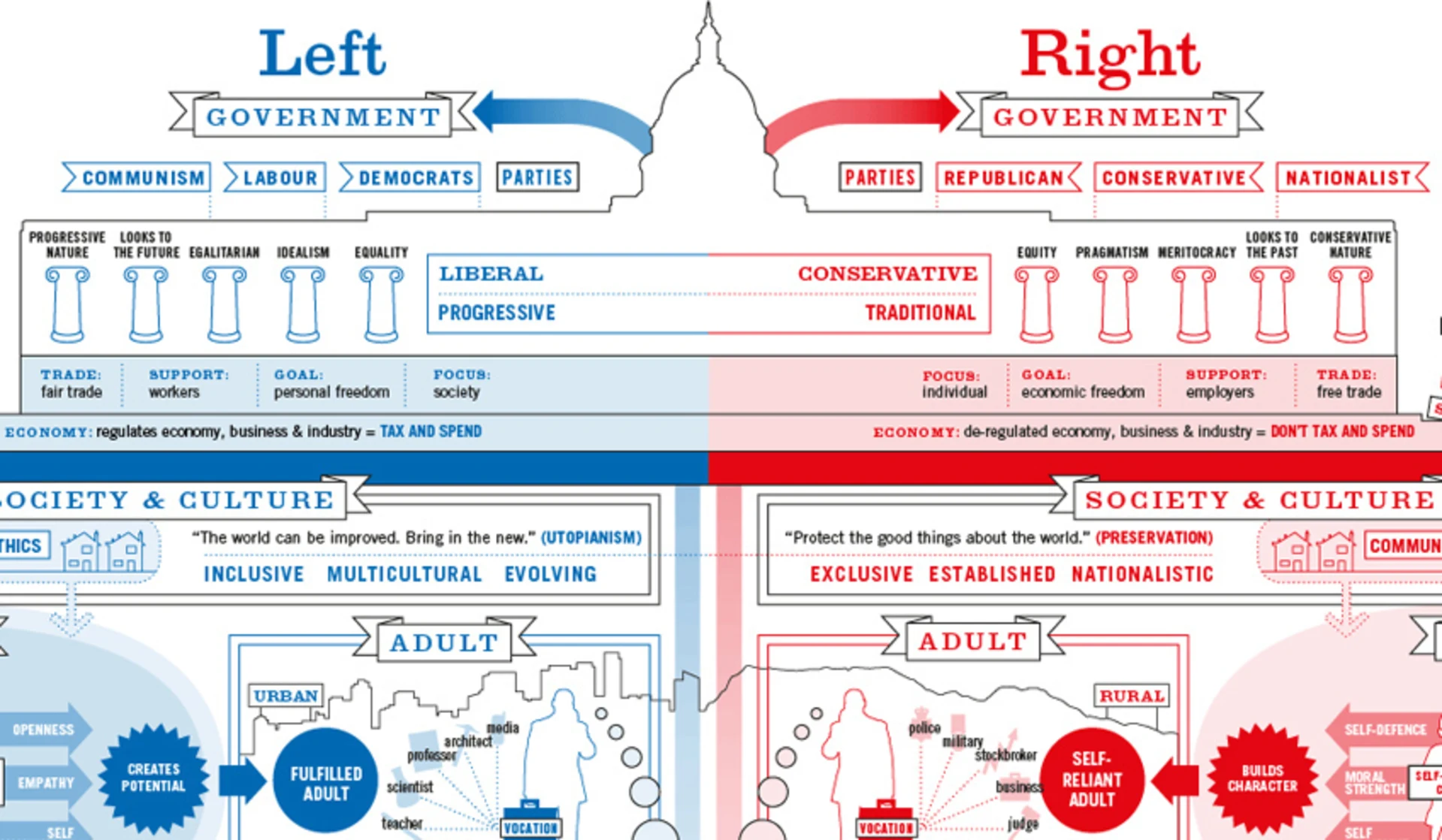
At its heart, the liberal economic philosophy champions the idea that government has a vital role to play in ensuring economic fairness, mitigating inequality, and providing a robust safety net for all citizens. Proponents argue that unchecked free markets, while efficient in some respects, inherently create disparities in wealth and opportunity that can undermine social cohesion and overall prosperity. Therefore, active government intervention is seen not as an impediment to economic health, but as a necessary tool to correct market failures, protect vulnerable populations, and foster a more equitable society.
Government’s Role in Economic Justice
Liberals often emphasize that true economic justice requires more than just equal opportunity; it demands an active effort to level the playing field. This perspective holds that systemic factors can hinder individuals’ ability to thrive, necessitating governmental action. Key aspects of this philosophy include:
-
Addressing Wealth Inequality: A central tenet is the belief that extreme wealth concentration can destabilize society and stifle broad-based economic growth. Policies are designed to redistribute wealth from the very top to lower and middle-income groups.
-
Advocacy for Social Safety Nets: Liberals strongly support comprehensive public services such as universal healthcare, affordable education, unemployment benefits, and robust welfare programs. These are viewed as investments in human capital and essential components of a civilized society, funded collectively to ensure no one is left behind due to economic hardship.
-
Progressive Taxation: The concept of progressive taxation is fundamental. This means that individuals and corporations with higher incomes and greater wealth should contribute a larger percentage of their earnings in taxes. The aim is to fund public services and social programs while simultaneously reducing income disparity.
-
Government as a Regulator: Liberals generally advocate for strong government regulation across various sectors—from financial markets to environmental protection and labor standards. This regulation is intended to prevent corporate abuses, protect consumers and workers, ensure fair competition, and mitigate negative externalities like pollution, which free markets might otherwise ignore.
Economic Policies and Financial Implications
The liberal economic framework translates into a distinct set of policy preferences with significant financial repercussions:
-
Increased Government Spending: Liberals often support significant public investment in infrastructure, renewable energy, scientific research, and social programs. These expenditures are seen as ways to stimulate economic growth, create jobs, and improve the overall quality of life. During economic downturns, liberals typically advocate for robust fiscal stimulus packages.
-
Monetary Policy Stance: While specific approaches can vary, liberal economists may be more open to expansive monetary policies (e.g., lower interest rates, quantitative easing) from central banks, especially to combat unemployment or stimulate demand, even if it entails some inflation risk. The focus is often on achieving full employment and supporting broader economic activity.
-
Regulation of Financial Markets: A hallmark of liberal economic policy is the push for strict regulation of banks, investment firms, and other financial institutions. This includes measures to prevent speculative bubbles, protect investors, and ensure market stability, such as stricter capital requirements, consumer protection agencies, and controls on derivatives trading.
-
Impact on Personal Finance: For individuals, liberal policies can mean a greater portion of income goes towards taxes, especially for higher earners. However, this is often offset by increased access to publicly funded services like affordable healthcare, education subsidies, and a stronger social safety net, potentially reducing individual out-of-pocket expenses for these essential services. The goal is to provide a baseline of financial security and opportunity for all.
The Conservative Economic Philosophy: Prosperity Through Free Markets
In stark contrast, the conservative economic philosophy places paramount importance on individual liberty, free markets, and limited government intervention as the most effective drivers of economic prosperity. Conservatives largely believe that when markets are allowed to operate with minimal interference, they efficiently allocate resources, foster innovation, and create wealth that ultimately benefits society as a whole. Government, in this view, should primarily protect property rights, enforce contracts, and maintain a stable economic environment, but otherwise avoid meddling in economic affairs.
Limited Government and Individual Responsibility
Central to conservative economic thought is the conviction that individual initiative and free enterprise are the engines of economic progress. The less government interferes, the more vibrant and productive the economy will be. Key aspects include:
-
Emphasis on Individual Liberty and Free-Market Capitalism: Conservatives hold that economic freedom is inextricably linked to individual freedom. They believe that individuals, pursuing their self-interest in a competitive market, naturally drive innovation and efficiency.
-
Belief in Limited Government: Government intervention is often viewed as inefficient, wasteful, and a distortion of natural market forces. Conservatives advocate for a smaller government footprint, believing that market solutions are almost always superior to government-led initiatives.
-
Reduced Government Spending: A core tenet is the commitment to fiscal conservatism, which includes reducing government expenditures, balancing budgets, and lowering the national debt. This is often seen as crucial for long-term economic stability and for preventing the government from crowding out private investment.
-
Lower Taxes for Incentivization: Conservatives generally advocate for lower taxes across the board, or flat tax rates, for both individuals and corporations. The rationale is that lower taxes leave more money in the hands of individuals and businesses, encouraging saving, investment, entrepreneurship, and job creation.
Economic Policies and Financial Implications
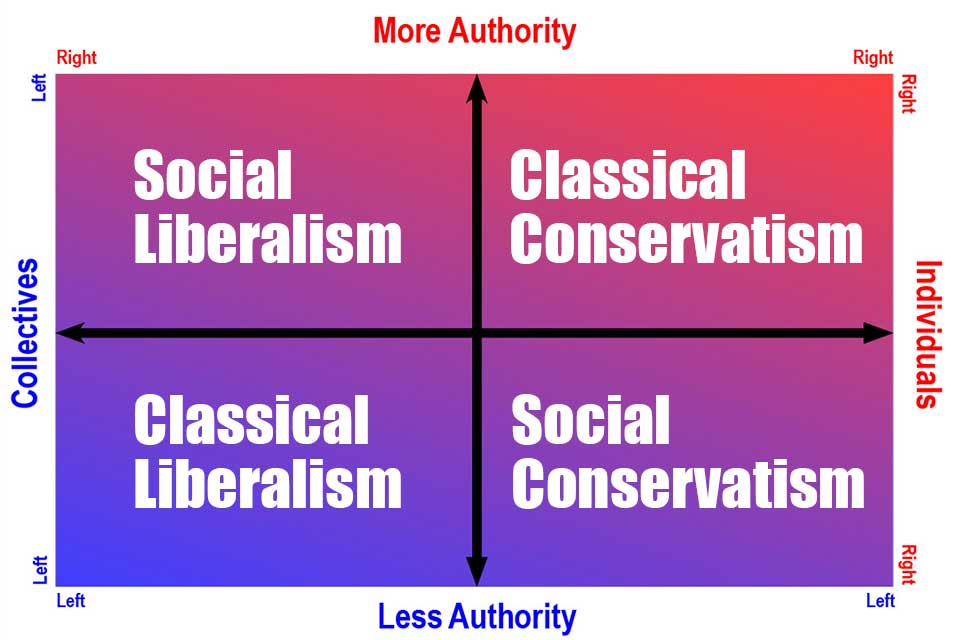
The conservative economic framework leads to a distinct set of policy preferences with significant financial repercussions:
-
Support for Deregulation: A hallmark of conservative policy is the drive to reduce regulatory burdens on businesses. This is believed to unleash entrepreneurial spirit, lower operating costs, and enhance competitiveness, leading to economic growth and job creation.
-
Fiscal Austerity and Balanced Budgets: Conservatives prioritize fiscal responsibility, advocating for controlled government spending and balanced budgets to prevent accumulating national debt. This can lead to cuts in social programs or public services in favor of tax reductions or debt repayment.
-
Monetary Policy Stance: Conservatives often favor a more hands-off approach from central banks, emphasizing price stability and sound money over aggressive intervention to stimulate demand. They may express concern about inflation arising from expansive monetary policies.
-
Impact on Personal Finance: For individuals, conservative policies typically mean lower taxes, allowing individuals to retain more of their earnings. This theoretically provides more disposable income for saving, investment, or consumption. However, it may also mean less access to government-funded social services, placing more financial responsibility on individuals for healthcare, education, and retirement planning. The emphasis is on private sector solutions and individual financial preparedness.
Divergent Approaches to Wealth and Income
The contrasting philosophies of liberals and conservatives are most evident in their approaches to wealth and income – specifically how they are generated, taxed, and distributed across society. These differences have profound implications for economic policy and the financial structure of a nation.
Taxation and Redistribution
-
Liberals: The liberal approach views taxation as a primary tool for wealth redistribution and funding collective societal needs. They advocate for progressive income taxes, where higher earners pay a larger percentage of their income. They may also support wealth taxes, inheritance taxes, and higher corporate taxes, arguing that these measures ensure the affluent contribute their fair share and help to alleviate economic inequality. The revenue generated is then used to fund public services, social safety nets, and infrastructure, all of which aim to improve the financial well-being of the broader population.
-
Conservatives: Conservatives argue that high taxes discourage work, saving, and investment. They typically advocate for lower income taxes across all brackets, or even flat tax systems, believing this stimulates economic activity. They also push for reduced corporate taxes and lower capital gains taxes, arguing that these measures incentivize businesses to invest, expand, and create jobs, ultimately benefiting everyone through trickle-down economics. For conservatives, the government’s role in redistribution should be minimal, with wealth creation primarily driven by individual effort and free-market dynamics.
Regulation and Market Structure
-
Liberals: Liberals generally believe that robust regulation is essential to maintain fair market practices, prevent monopolies, and protect consumers and workers from exploitation. They advocate for strong oversight in industries such as banking, energy, technology, and pharmaceuticals to ensure competition, protect the environment, and guarantee product safety. The rationale is that without intervention, powerful corporations can abuse their position, leading to market failures and detrimental financial consequences for the public.
-
Conservatives: Conservatives often view regulation as a burden on businesses, stifling innovation, increasing costs, and hindering economic growth. They advocate for deregulation across most sectors, arguing that market forces are the most efficient regulators. They believe that excessive rules create unnecessary red tape, discourage entrepreneurship, and ultimately lead to higher prices for consumers. Their focus is on minimizing government interference to allow markets to operate freely, trusting that competition will naturally drive efficiency and benefit consumers.
Impact on Business and Investment
The economic philosophies of liberals and conservatives translate into vastly different operational environments for businesses and distinct considerations for investors. Understanding these potential impacts is critical for strategic financial planning.
Business Environment and Innovation
-
Liberal Policies: Under a liberal economic framework, businesses may face higher operating costs due to increased regulation (e.g., environmental compliance, labor protections) and potentially higher corporate taxes. However, they may also benefit from a more stable and educated workforce due to investments in education and healthcare, as well as a larger consumer base supported by social safety nets and infrastructure spending. Innovation might be encouraged in areas aligned with public good, such as green energy or sustainable technologies, potentially via government subsidies or research grants.
-
Conservative Policies: Conservative policies typically aim to reduce the regulatory burden and tax obligations on businesses. This can lead to lower operating costs and potentially higher profit margins, encouraging entrepreneurship and attracting investment. The focus is often on fostering competition, and businesses may find more flexibility in their operations. However, a reduced social safety net might mean a less stable consumer base, and a focus on short-term profits might overshadow long-term societal investments. Innovation is driven primarily by market demand and the pursuit of efficiency.
Investment Strategies and Market Outlook
-
Liberal Outlook: Investors under a liberal administration might anticipate increased government spending in certain sectors (e.g., public infrastructure, renewable energy, healthcare technology), leading to investment opportunities in these areas. There might be a greater emphasis on socially responsible investing (SRI) or environmental, social, and governance (ESG) factors, as companies with strong ethical and sustainable practices might be favored by policy and public sentiment. Regulatory shifts could impact financial institutions, utilities, and industries with environmental footprints.
-
Conservative Outlook: Investors in a conservative environment might expect benefits from deregulation, tax cuts, and a reduced government footprint. This could lead to a bullish outlook for traditional industries, fossil fuels, and companies that stand to gain from less government oversight. Investment strategies might prioritize companies that can maximize profits with minimal government interference, focusing on sectors that benefit from lower corporate taxes and reduced compliance costs. There might be less emphasis on ESG factors unless they directly translate to profit maximization.
Conclusion
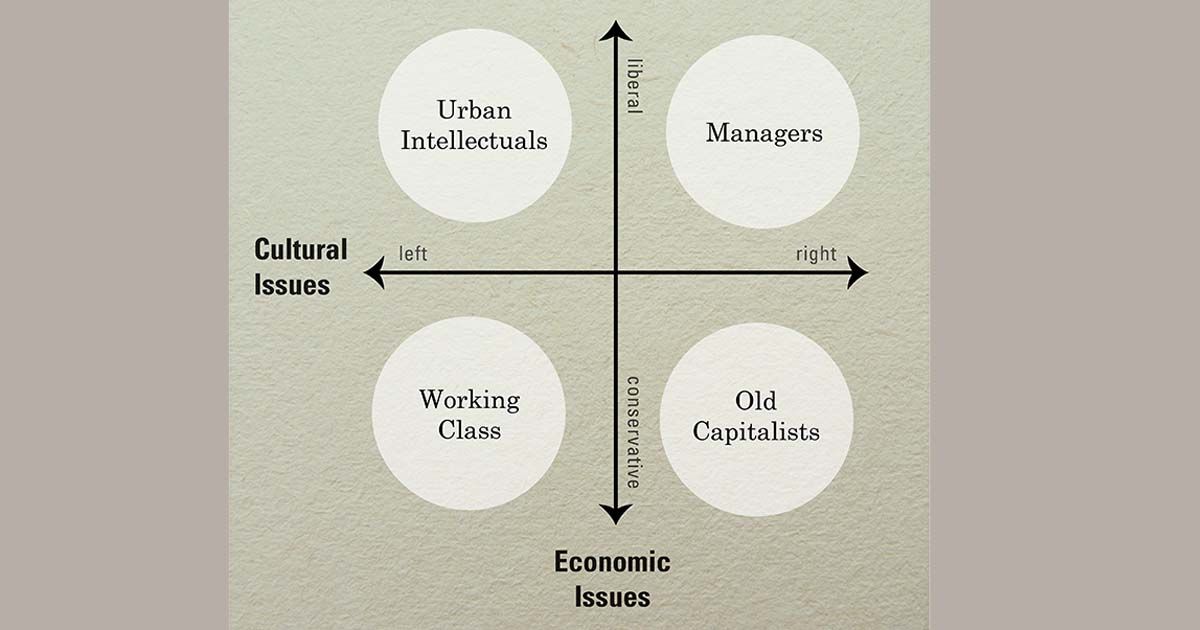
The economic philosophies of what is broadly termed “liberal” and “conservative” represent two fundamentally different visions for how wealth should be created, distributed, and managed within a society. While both aim for prosperity and stability, they propose distinct pathways to achieve these goals. Liberals typically advocate for a more active role for government in regulating markets, redistributing wealth through progressive taxation, and investing in social safety nets to ensure equity and address market failures. In contrast, conservatives champion free markets, limited government intervention, lower taxes, and deregulation, believing these foster individual liberty, incentivize innovation, and ultimately lead to broader economic growth.
Understanding these divergent approaches is not merely an academic exercise; it is essential for comprehending contemporary policy debates, anticipating economic trends, and making informed financial decisions. Whether one leans towards a system prioritizing collective well-being and governmental oversight or one emphasizing individual freedom and market autonomy, these ideologies profoundly shape the financial landscape for individuals, businesses, and the nation as a whole. While these are broad generalizations, recognizing these core economic tenets provides a crucial framework for interpreting the complex interplay between politics and money.
aViewFromTheCave is a participant in the Amazon Services LLC Associates Program, an affiliate advertising program designed to provide a means for sites to earn advertising fees by advertising and linking to Amazon.com. Amazon, the Amazon logo, AmazonSupply, and the AmazonSupply logo are trademarks of Amazon.com, Inc. or its affiliates. As an Amazon Associate we earn affiliate commissions from qualifying purchases.