
When we ponder an “interesting fact about Mars,” our minds often drift to its red hue, its two peculiar moons, or the tantalizing possibility of past or present life. However, from a technological perspective, perhaps the most interesting “fact” about Mars isn’t a singular piece of trivia about the planet itself, but rather the astonishing human ingenuity—the sheer technological prowess—that allows us to know anything interesting about it at all. It is the intricate web of robotics, artificial intelligence, advanced engineering, and relentless innovation that has transformed Mars from a distant, shimmering point of light into a meticulously mapped, extensively studied, and increasingly familiar world.

This article delves into the technological marvel that underpins our understanding of the Red Planet, exploring the sophisticated tools and systems that enable exploration, the challenges they overcome, and the future innovations poised to pave the way for human settlement. It is through this lens that the true “interesting fact” about Mars emerges: our relentless technological pursuit of knowledge, a pursuit that continues to push the boundaries of what is possible.
The Technological Lens: How We Know Mars
Our understanding of Mars is a direct testament to decades of technological development, an ongoing symphony of engineering brilliance that has allowed us to extend our senses across the vast expanse of space. Without the sophisticated instruments and communication networks we’ve developed, Mars would remain largely a mystery.
Robotic Explorers: Our Martian Proxies
The most intimate details we possess about Mars come courtesy of our robotic explorers. These tenacious rovers and landers are our wheels and hands on the Martian surface, braving extreme conditions to gather data and transmit it back to Earth. Each mission represents a significant leap in robotics, AI, and material science.
-
Curiosity and Perseverance: These are prime examples of advanced mobile laboratories. Curiosity, launched in 2011, demonstrated unparalleled endurance and analytical capabilities, exploring Gale Crater and uncovering crucial evidence of ancient water. Perseverance, landing in 2021, took this a step further with its sophisticated sample caching system, designed to collect pristine Martian rock and regolith for future return to Earth. Its accompanying drone, Ingenuity, marked the first powered flight on another planet, a monumental achievement in autonomous aerial technology in an extraterrestrial environment. These rovers combine complex locomotion systems, robust power sources (like Multi-Mission Radioisotope Thermoelectric Generators), and an array of scientific instruments, all managed by on-board AI for navigation and scientific decision-making.
-
Phoenix and InSight: While not mobile, landers like Phoenix (2008) and InSight (2018) provided vital stationary data. Phoenix excavated Martian soil to confirm the presence of water ice, utilizing a robotic arm with a scoop and an oven. InSight, designed to study Mars’ deep interior, deployed a seismometer and a heat flow probe using complex mechanisms, pushing the boundaries of autonomous instrument deployment on another planet. The precision engineering required to land these delicate instruments safely and operate them for extended periods in an alien environment is a marvel of technological design.
Orbital Sentinels: Mapping and Monitoring
Before any rover touches down, and continuously during their operations, a fleet of orbiters circles Mars, acting as our eyes in the sky. These spacecraft provide a macro perspective, mapping the planet, monitoring its atmosphere, and serving as crucial communication relays for surface assets.
-
Mars Reconnaissance Orbiter (MRO): Launched in 2005, MRO is a workhorse, providing high-resolution images of the Martian surface, mapping mineral compositions, and monitoring weather patterns. Its High Resolution Imaging Science Experiment (HiRISE) camera has delivered stunning, detailed images that have revolutionized our understanding of Martian geology and helped pinpoint safe landing sites for subsequent missions. Its robust communication system also acts as a vital relay for rovers and landers, significantly increasing the volume of data they can transmit.
-
Mars Express and Trace Gas Orbiter (TGO): The European Space Agency’s Mars Express (2003) has conducted extensive radar soundings, providing unprecedented insights into the subsurface structure and the potential for underground water ice. The ExoMars Trace Gas Orbiter (TGO), part of a collaborative mission, specializes in analyzing the Martian atmosphere for trace gases like methane, which could be indicators of biological or geological activity. These orbiters feature highly sensitive spectrometers and atmospheric sensors, demonstrating advancements in miniaturized analytical instrumentation and long-duration space operations.
The Digital Bridge: Data Transmission and Analysis
All the incredible data gathered by these robotic explorers would be useless without a robust system to transmit it back to Earth and the sophisticated tools to interpret it. This “digital bridge” is a critical, often unseen, component of our Mars exploration efforts.
-
Deep Space Network (DSN): Operated by NASA, the DSN is a worldwide array of giant radio antennas that serve as the primary communication link for interplanetary missions. Its advanced signal processing capabilities, error correction protocols, and precise tracking systems are essential for receiving faint signals from millions of miles away. The continuous development of more efficient antennas and communication protocols is vital for increasing data throughput.
-
AI and Machine Learning for Data Interpretation: Once data reaches Earth, vast amounts of imagery, spectral readings, and environmental data must be processed. AI and machine Learning algorithms are increasingly used to sift through this data, identify anomalies, classify features, and even assist scientists in hypothesis generation. From image recognition for geological features to predictive modeling of Martian weather, AI significantly accelerates our pace of discovery.
Engineering for the Extreme: Challenges and Innovations
The Martian environment is unforgiving, posing immense challenges to any technology we send there. Designing hardware and software to operate reliably under such conditions demands continuous innovation in every engineering discipline.
Surviving the Martian Environment
Mars presents a cocktail of environmental hazards that push the limits of material science and systems design.
-
Radiation Hardening: The thin Martian atmosphere offers minimal protection from solar and cosmic radiation. Electronics must be “hardened” to withstand these high-energy particles, preventing data corruption and component failure. This involves specialized shielding materials and redundant systems.
-
Thermal Control: Mars experiences extreme temperature swings, from scorching days to frigid nights. Spacecraft and instruments require sophisticated thermal management systems, including heaters, radiators, and insulation, to maintain operational temperatures. The development of advanced phase-change materials and multi-layer insulation is critical here.
-
Dust Mitigation: Martian dust is pervasive, abrasive, and electrically charged. It can clog mechanisms, obscure solar panels, and interfere with sensitive instruments. Innovations like self-cleaning solar panels, advanced filtration systems, and robust seals are continually being refined to combat this relentless foe.
Autonomy and AI in Remote Operations
The vast distance between Earth and Mars creates significant communication delays (light speed lag of 3 to 22 minutes one-way). This necessitates a high degree of autonomy for Martian missions, minimizing reliance on real-time commands from Earth.
-
On-board Decision Making: Rovers use sophisticated AI to navigate treacherous terrain, identify scientific targets, and even conduct preliminary experiments without human intervention. Algorithms for obstacle avoidance, path planning, and terrain analysis are continually evolving.
-
Fault Detection and Recovery: Autonomous systems are designed to detect malfunctions, diagnose issues, and initiate recovery procedures independently. This self-healing capability is crucial for long-duration missions where human intervention is impractical.
-
Sample Collection and Analysis Automation: Missions like Perseverance leverage AI for precise sample collection, identifying ideal rock samples and coordinating the intricate movements of robotic arms and drilling mechanisms. Future missions will likely see even more advanced on-board analytical capabilities, reducing the need to return all samples to Earth for analysis.
Propulsion and Navigation
Getting to Mars and precisely landing on its surface are monumental feats of aerospace engineering.
-
Aerobraking and Skycranes: Technologies like aerobraking (using atmospheric drag to slow down) and the “Skycrane” landing system (used for Curiosity and Perseverance) demonstrate incredible precision engineering and control. These methods allow for the delivery of massive payloads with pinpoint accuracy, minimizing fuel consumption.
-
Deep Space Navigation: Precise celestial navigation, utilizing star trackers, inertial measurement units, and complex trajectory analysis, is essential for guiding spacecraft across interplanetary distances. Continuous improvements in sensor technology and computational algorithms enhance accuracy and efficiency.
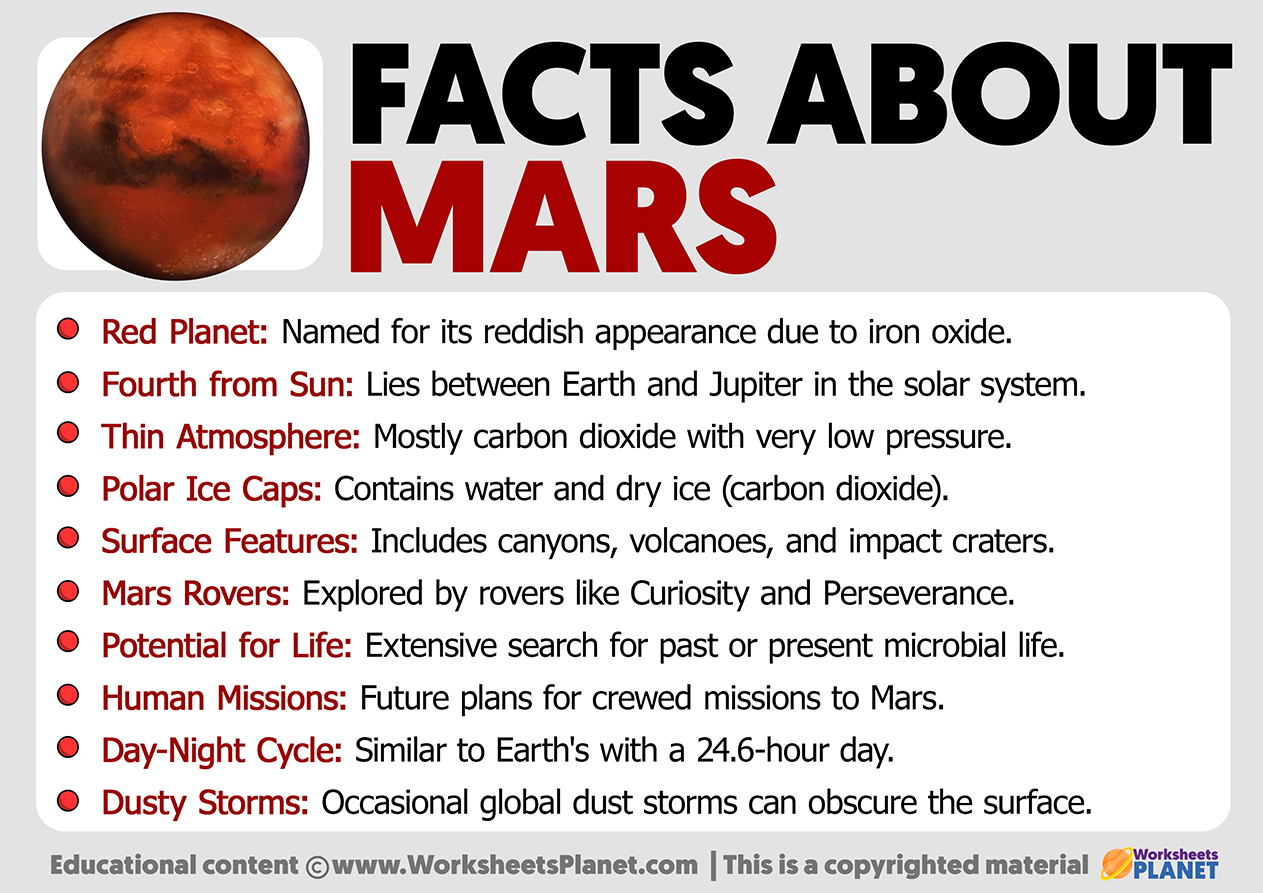
The Next Frontier: Paving the Way for Human Exploration
While robotic exploration continues to yield unprecedented data, the ultimate ambition for many is human exploration and eventual colonization of Mars. This goal drives a whole new wave of technological innovation, focusing on sustaining human life in an extraterrestrial environment.
In-Situ Resource Utilization (ISRU): Living Off the Land
The ability to use local Martian resources is paramount for reducing the cost and complexity of human missions. ISRU is a game-changer, turning Mars into a potential supply depot rather than just a destination.
-
Oxygen Production: The MOXIE (Mars Oxygen In-Situ Resource Utilization Experiment) instrument on Perseverance successfully demonstrated the conversion of Martian atmospheric carbon dioxide into breathable oxygen. This technology is critical not only for human respiration but also as an oxidizer for rocket fuel, enabling crewed return journeys.
-
Water Ice Extraction: Evidence of abundant water ice, particularly at the poles and beneath the surface, opens the door to extracting water for drinking, agriculture, and conversion into hydrogen (for fuel). Technologies for excavation, melting, and purification of Martian ice are under active development.
-
Construction Materials: The use of Martian regolith (soil) for 3D printing habitats and radiation shielding is a promising area. This minimizes the need to launch heavy construction materials from Earth, leveraging local resources for building infrastructure.
Advanced Habitation Technologies
Creating safe, sustainable living environments for humans on Mars requires revolutionary approaches to shelter, life support, and protection.
-
3D-Printed and Inflatable Habitats: Designing habitats that can be deployed or constructed autonomously before human arrival is key. 3D printing with Martian regolith offers a way to build robust, radiation-shielded structures. Inflatable habitats, like those being explored by companies like Bigelow Aerospace, offer lightweight, compact solutions for transport that expand into spacious living areas.
-
Closed-Loop Life Support Systems: Long-duration missions demand highly efficient, regenerative life support systems that recycle air, water, and waste with minimal resupply from Earth. These systems integrate advanced air purification, water recycling, and waste management technologies.
-
Radiation Shielding: Protecting human crews from solar and cosmic radiation is a top priority. Innovative shielding materials, including water, polyethylene, and even Martian regolith itself, are being investigated and tested for their effectiveness.
Communication and Connectivity for Martian Colonies
As human presence expands, a robust communication infrastructure will be essential, both for Earth-Mars communication and for connectivity among various Martian outposts.
-
Low-Latency Interplanetary Networks: Future missions will require faster, more reliable data transmission. Technologies like laser communications, which offer higher bandwidth than traditional radio waves, are being developed to reduce latency and increase data rates.
-
Martian Mesh Networks: Establishing a local communication network on Mars, potentially using a constellation of satellites or ground-based relays, will be crucial for connecting human habitats, scientific outposts, and autonomous exploration vehicles across the planet.
Beyond Exploration: Terrestrial Spinoffs and Future Tech Paradigms
The relentless pursuit of Martian knowledge and the drive to explore it yield profound benefits far beyond space. The technological innovations born from Mars missions often find their way back to Earth, improving our lives and driving new industries.
Robotics and Automation for Earth Applications
Technologies developed for Martian rovers and autonomous systems have direct applications in various terrestrial fields.
-
Remote Inspection and Maintenance: Robotics designed for hazardous Martian environments inspire robots used for inspecting dangerous industrial sites, nuclear facilities, or disaster zones on Earth.
-
Autonomous Driving and Navigation: Algorithms developed for rover navigation contribute directly to the advancement of autonomous vehicles and smart city infrastructure.
-
Medical Robotics: Miniaturized, precise robotic arms and instruments developed for space applications can find utility in minimally invasive surgery or remote medical assistance.
Materials Science and Energy Solutions
The need for lightweight, durable, and energy-efficient solutions for space has led to breakthroughs applicable on Earth.
-
Advanced Materials: Radiation-hardened electronics, high-strength composites, and extreme-temperature tolerant alloys developed for Mars missions benefit industries from aerospace to automotive and construction.
-
Efficient Energy Systems: Compact and efficient power sources, like advanced solar arrays and next-generation battery technologies designed for space, can enhance renewable energy solutions and energy storage on Earth.
Data Science and AI in Extreme Environments
The techniques used to manage, transmit, and analyze vast datasets from Mars have broader implications.
-
Big Data Analytics: The methodologies for processing massive streams of telemetry, imagery, and scientific data from Mars contribute to advancements in big data analytics across science, finance, and healthcare.
-
AI for Resource Management: Algorithms for resource utilization and predictive maintenance in self-sustaining Martian habitats can be adapted for smart grids, sustainable agriculture, and complex logistics on Earth.

Conclusion: The Ultimate Tech Fact
So, what is an interesting fact about Mars? It is the profound and continuous saga of human technological achievement that allows us to engage with this enigmatic world. It’s not merely that Mars has polar ice caps, or that it once had liquid water, but that we’ve engineered the means to discover these facts from millions of miles away. It is the sophisticated AI that guides a rover across alien terrain, the robust communication systems that bridge cosmic distances, the innovative materials that withstand unimaginable extremes, and the groundbreaking concepts that promise to make us an interplanetary species.
Mars, from a technological standpoint, is a crucible of innovation. Every piece of data, every stunning image, and every scientific discovery emanating from the Red Planet serves as a testament to the relentless human drive to understand, explore, and ultimately, to expand our technological reach into the cosmos. The most interesting “fact” about Mars is, therefore, the story of our technology, continually evolving and pushing the boundaries of what humanity can achieve.
aViewFromTheCave is a participant in the Amazon Services LLC Associates Program, an affiliate advertising program designed to provide a means for sites to earn advertising fees by advertising and linking to Amazon.com. Amazon, the Amazon logo, AmazonSupply, and the AmazonSupply logo are trademarks of Amazon.com, Inc. or its affiliates. As an Amazon Associate we earn affiliate commissions from qualifying purchases.