
The modern marketplace is saturated with “healthy” snacks, yet few categories are as contentious or confusing as the protein bar. For the health-conscious consumer, these bars represent a tactical financial investment in their physical performance and daily nutrition. However, from a consumer finance and lifestyle management perspective, the protein bar market is a minefield of predatory marketing, hidden costs, and suboptimal value. Selecting a “good” protein bar requires moving beyond the slick packaging and analyzing these items as financial and nutritional assets.
The Economics of Nutritional Value
When evaluating protein bars, it is essential to view them through the lens of return on investment (ROI). In personal finance, we are taught to look at the cost-per-unit. In the context of nutrition, this translates to cost-per-gram of high-quality protein.
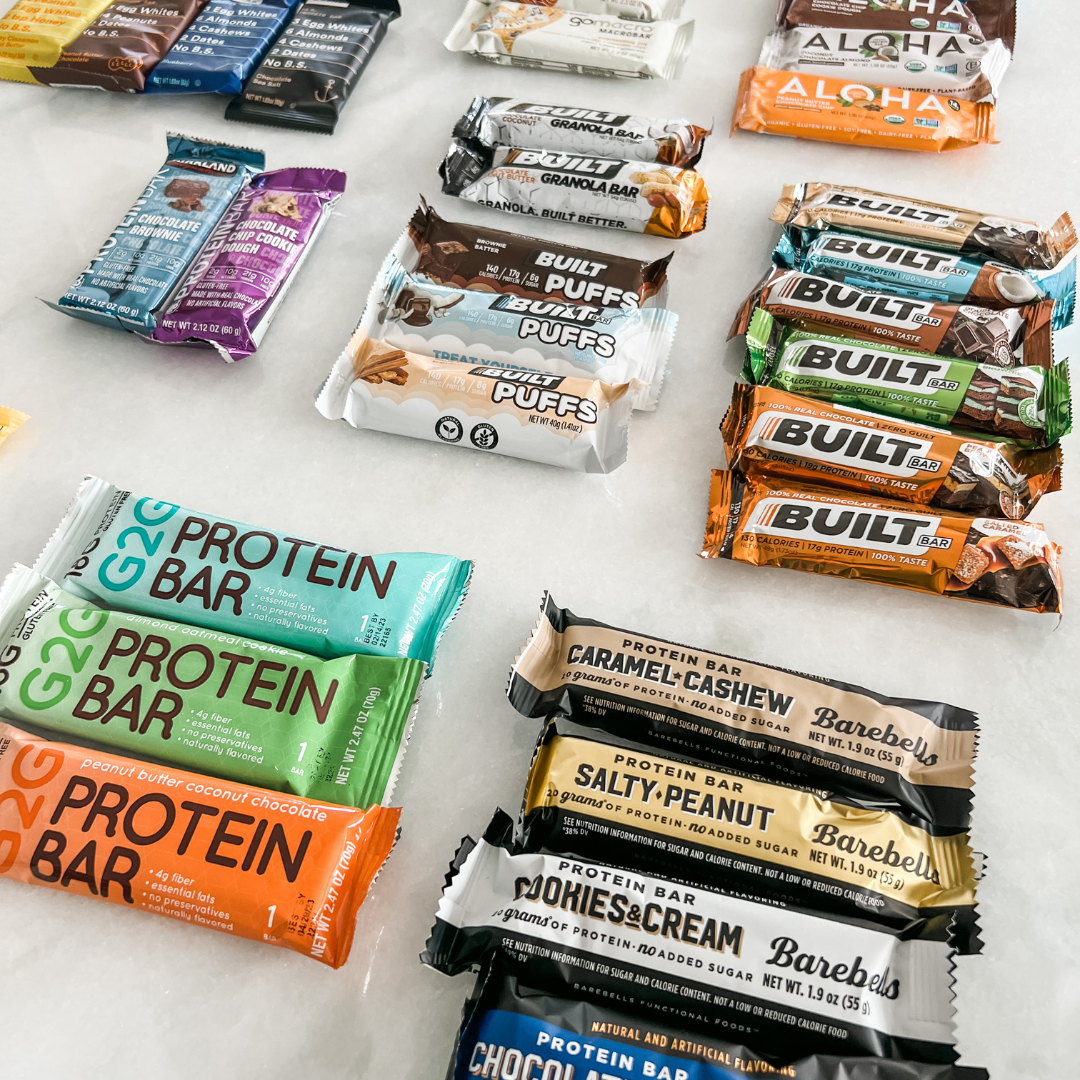
Assessing Price vs. Nutrient Density
Many premium protein bars are priced as luxury goods, often costing between $2.50 and $4.00 per unit. When you break down the nutritional profile, you often find that you are paying a significant markup for branding, shelf stability, and texture enhancers rather than pure macro-nutrient value. A “good” protein bar is one that maximizes protein yield per dollar while minimizing the cost of filler ingredients like sugar alcohols, vegetable oils, and chicory root fiber.
The True Cost of Convenience
We must categorize protein bars as a “convenience expense.” If you are purchasing these bars daily, you are likely spending between $75 and $120 per month on a snack category. From a budgetary standpoint, this is a discretionary expenditure that competes with investments or emergency fund contributions. If you must rely on bars, buying in bulk via subscription models or wholesale clubs is the only way to justify the expense. If the cost-per-bar exceeds the cost of a comparable whole-food protein source (like Greek yogurt or a home-prepared protein shake), the “value” of the bar diminishes rapidly.
Marketing Psychology and Brand Positioning
The protein bar industry is a masterclass in psychological marketing. Brands invest millions in corporate identity and design to convince you that their product is not a candy bar, but a high-performance fuel source.
The “Health Halo” Effect
Many bars utilize what is known in marketing as the “health halo.” By highlighting “high protein” or “keto-friendly” on the front of the packaging, companies distract consumers from the secondary ingredients list on the back. A truly good protein bar does not need to shout its virtues; it relies on ingredient transparency. When reviewing a brand, look for companies that use clean labeling strategies—those that provide clear, concise ingredient lists rather than proprietary blends that hide the quality of the protein sources used.
Corporate Identity and Transparency
A brand’s integrity is revealed by its commitment to clinical testing and ingredient sourcing. Established brands often prioritize consistency and safety, whereas smaller, trendy brands may prioritize “instagrammability” and flavor profiles at the expense of nutritional integrity. When choosing a brand, investigate the company’s history. Have they faced recalls? Do they provide third-party lab testing results? A reputable brand treats its product as a health tool, not just another commodity in the CPG (Consumer Packaged Goods) sector.

Financial Strategy for Sustained Nutrition
If you view health as an investment, the protein bar becomes a line item in your wellness budget. Mismanaging this budget can lead to “lifestyle creep,” where small, recurring costs accumulate into significant annual leakages.
The Opportunity Cost of Brand Loyalty
Loyalty to a specific, overpriced brand can cost you hundreds of dollars annually without providing additional health benefits. Savvy consumers should treat their snack choices like an investment portfolio—periodically rebalancing based on quality and price. If a brand changes its formulation or increases its price without a corresponding increase in nutritional value, you must be willing to divest and switch to a competitor.
Budgeting for Quality
A good protein bar is one that fits your budget without compromising your nutritional goals. To optimize your spending:
- Track the Unit Price: Always calculate the price per gram of protein.
- Utilize Price Comparison Tools: Use browser extensions or price trackers to identify when your preferred brands hit the lowest price point in the digital marketplace.
- Minimize Impulse Buys: Never purchase bars at gas stations or convenience stores. The retail markup in these locations can be upwards of 300% compared to online bulk retailers. This is one of the most effective ways to plug a “leaky” budget.
Identifying Ingredients That Diminish Value
Just as a bad investment drags down your portfolio, low-quality ingredients drag down the efficacy of your snack. A good protein bar should not be a vehicle for excessive processing.
Avoiding Financial and Physical “Filler”
Watch for bars that use “sugar alcohols” like maltitol or sorbitol. These are often used because they are cheap, mass-produced sweeteners that help companies save on ingredient costs. However, they can cause digestive distress, which impacts your daily productivity—a hidden cost that goes beyond the price on the receipt.
The Protein Source Hierarchy
Not all protein is created equal. From a value perspective, look for bars that utilize whey protein isolate or casein as the primary source. These are high-bioavailability proteins. Conversely, be wary of bars that rely heavily on “protein blends” that include soy protein isolate or hydrolyzed collagen. While these are not inherently “bad,” they are often used as lower-cost fillers in cheap protein bars. You are essentially paying for a lower-quality asset at a premium price.

Conclusion: The Rational Consumer’s Choice
The definition of a “good” protein bar is not strictly flavor or texture; it is a synthesis of nutritional density, ingredient transparency, and financial efficiency. By treating your snack choices with the same analytical rigor you would apply to a financial decision, you protect both your physical health and your bank account.
Choose brands that prioritize ingredient quality over clever marketing. Buy in bulk to mitigate the high-cost-per-unit trap. And above all, remain skeptical of the health claims plastered on the front of the box. A good protein bar is a tool for convenience that serves your broader financial and physical goals—not a product that depletes your resources for the sake of branding. In an industry built on impulse and emotional buying, the most successful consumer is the one who stops and checks the math before the purchase.
aViewFromTheCave is a participant in the Amazon Services LLC Associates Program, an affiliate advertising program designed to provide a means for sites to earn advertising fees by advertising and linking to Amazon.com. Amazon, the Amazon logo, AmazonSupply, and the AmazonSupply logo are trademarks of Amazon.com, Inc. or its affiliates. As an Amazon Associate we earn affiliate commissions from qualifying purchases.