
The art of being a gracious guest extends beyond arriving on time and offering polite conversation; it culminates in the thoughtful gesture of the host gift. When navigating the modern landscape of social invitations—whether for an intimate dinner party or a weekend getaway—choosing a gift that reflects both appreciation and sophistication is a strategic move. By treating this selection as a brand-building exercise, you cultivate lasting impressions. In the realm of personal branding and social equity, a well-chosen token serves as a signature of your discernment and consideration.
The Psychology of the Strategic Gift
In corporate and social circles, every interaction carries the potential to reinforce your identity. A gift is not merely a material object; it is an extension of your personal narrative. When you bring a token to a host, you are signaling your values: reliability, attention to detail, and emotional intelligence.
Aligning the Gift with Your Personal Brand
Just as a corporation aligns its product offerings with its core mission, your choice of gift should align with the impression you wish to project. If your personal brand is rooted in sophistication and minimalism, an oversized, loud, or overly casual gift will create dissonance. Instead, opt for high-quality, understated items that speak to a refined aesthetic. If your brand leans toward warmth and community, focus on items that facilitate shared experiences, such as artisanal food components or high-end kitchen accessories that enhance the home environment.
The Value of Utility vs. Sentimentality
A strategic gift balances utility with a touch of luxury. The most memorable gifts are those the host might not buy for themselves but will use frequently. Avoid cluttering your host’s space with ornamental items that lack purpose. Instead, focus on consumables of exceptional quality or functional pieces that solve a small problem or elevate a routine activity. By providing something that integrates seamlessly into the host’s life, you ensure that your gesture is remembered long after the event has concluded.
Curating the Selection: A Categorical Approach
When selecting a gift, consider the “category of impact.” To ensure your gift is well-received, it should occupy the intersection of high quality and broad appeal. This is not the time to be overly experimental unless you have a deep, intimate understanding of the host’s specific preferences.
Consumables: The Gold Standard
Consumables remain the most effective category for host gifts because they do not require permanent storage space—a major consideration for any host.
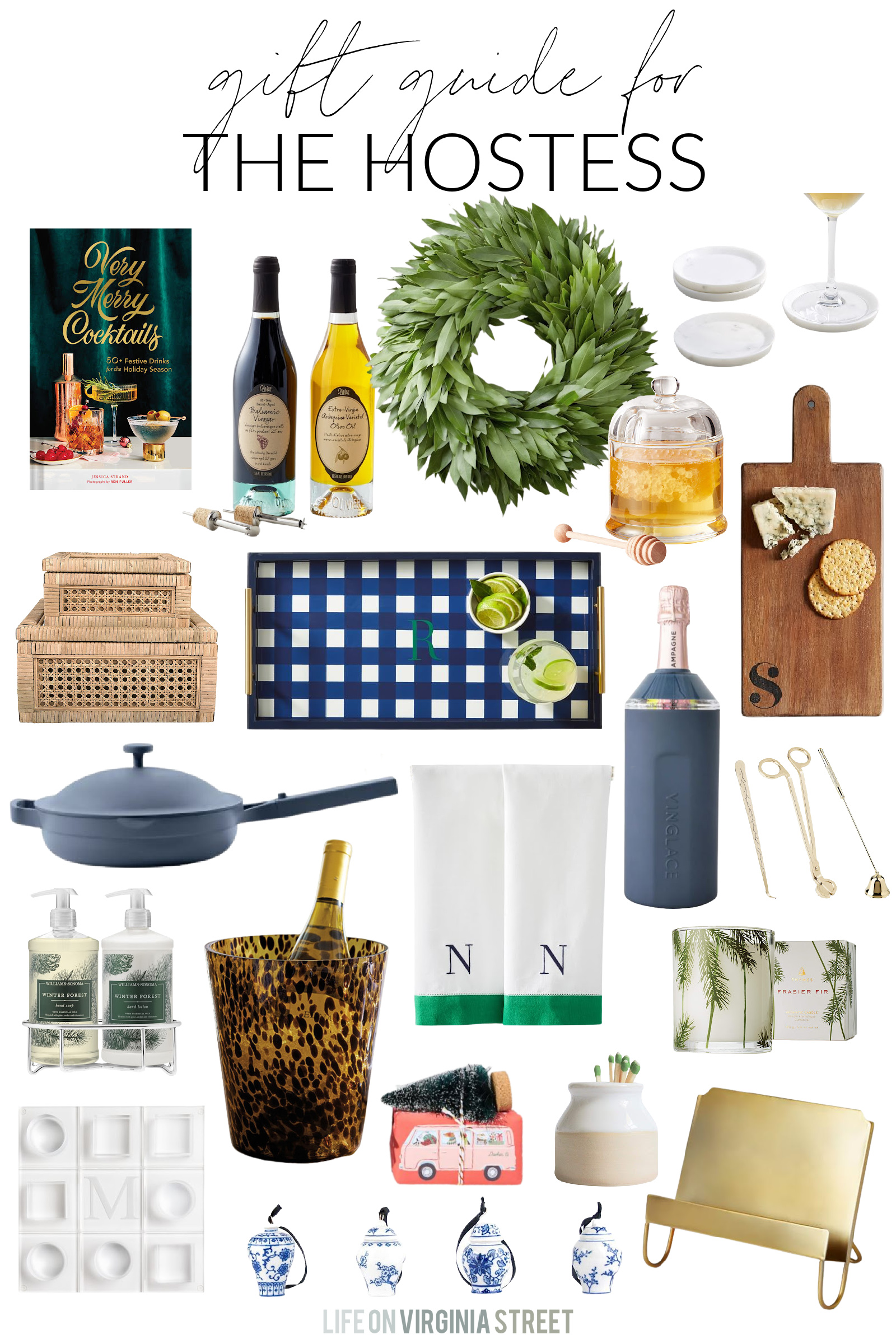
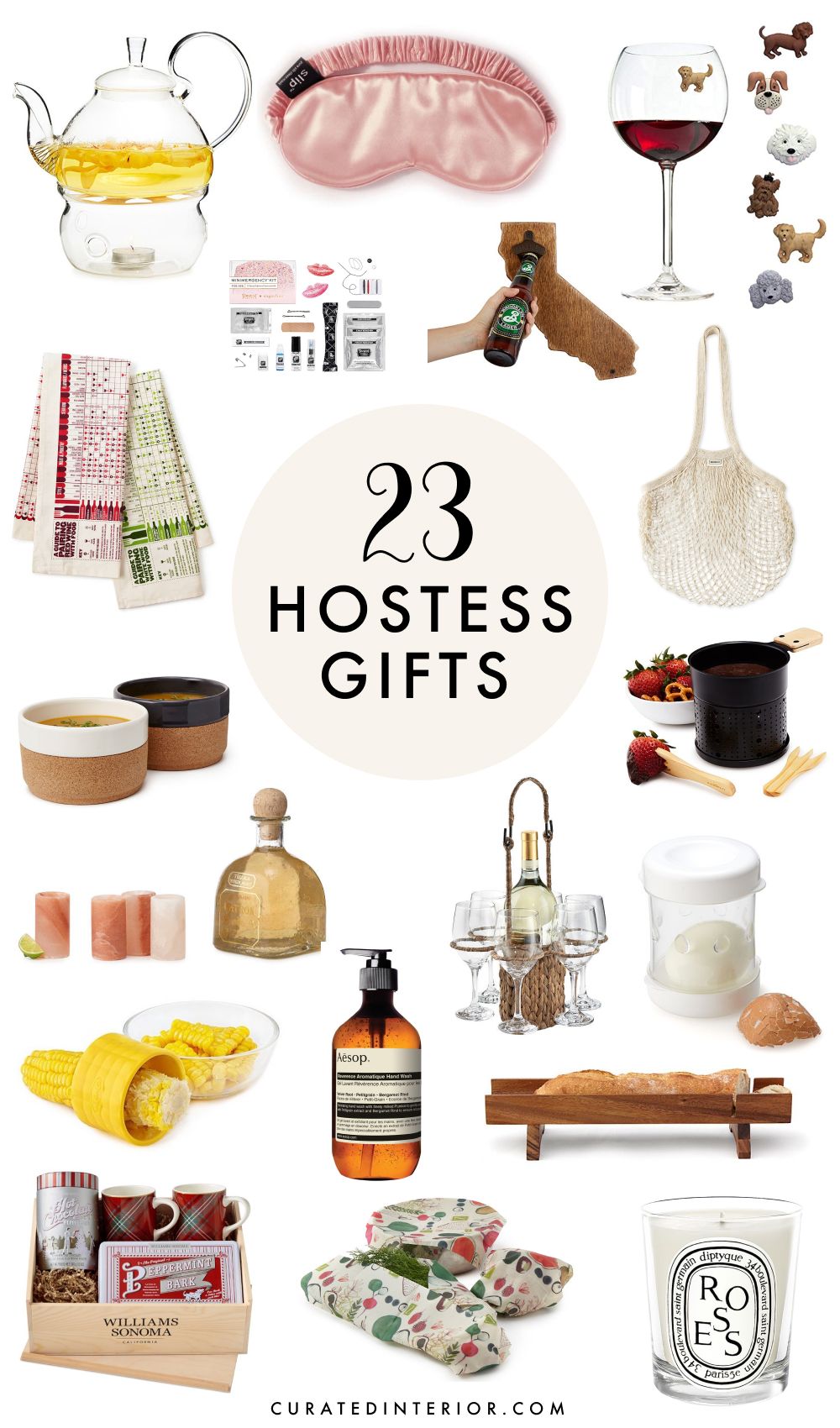
- Artisanal Provisions: Think beyond standard wine. High-end olive oils, small-batch balsamic vinegars, or locally sourced honey provide a sensory experience that elevates a meal.
- Premium Beverages: A bottle of small-batch spirits or a premium non-alcoholic botanical blend shows that you have done your research. If you choose wine, ensure it is of a vintage or variety that reflects a thoughtful selection process rather than a last-minute grocery store purchase.
- The “Elevated Everyday” Item: A high-quality salt blend or a premium coffee roast serves as a daily reminder of your appreciation.
Home-Centric Accents
If you choose a non-consumable item, focus on objects that enhance the home atmosphere without imposing a specific design language on the host.
- Sustainable Scents: A high-end candle with a clean-burning wax (like coconut or soy) and a subtle, sophisticated scent profile is a classic for a reason. Avoid heavily perfumed or polarizing fragrances.
- Textile Elegance: A high-quality linen tea towel or a set of heavy-weight napkins provides a sense of luxury that feels organic to a hosting environment. These items serve the host while remaining neutral enough to blend into any existing decor.
The Etiquette of Presentation and Delivery
How you present a gift is just as important as the gift itself. In professional branding, the “packaging” is the delivery method. For a host gift, the presentation speaks to your level of preparation and respect for the occasion.
The Importance of Presentation
Avoid handing over a gift in a retail bag or, worse, without any wrapping at all. A minimalist, elegant gift bag or high-quality wrapping paper signals that you invested time into the gesture. If you are bringing a consumable, ensure it is ready to be served or stored. If you intend for the item to be consumed during the gathering, be sure to clarify this to the host immediately upon arrival—”I brought this wine to enjoy with dinner, but please don’t feel obligated to open it if you already have a pairing planned.” This gives the host autonomy, which is the hallmark of a considerate guest.
Timing and Delivery
The timing of your gift delivery is a subtle but crucial aspect of social strategy. Presenting the gift the moment you walk through the door, ideally as you offer your greeting, is standard practice. If you are a houseguest for a weekend, it is often more appropriate to present the gift upon arrival or during the first breakfast of the stay. By incorporating the gift into the rhythm of your arrival, you avoid making it an awkward “event” and instead position it as a natural component of your visit.
Avoiding Common Pitfalls: The Branding of “Don’ts”
Just as a flawed marketing campaign can damage a brand’s reputation, a poorly chosen gift can create social friction. Avoiding these common traps is essential to maintaining the integrity of your personal image.
Over-Personalization
Unless you have a long-standing, deep friendship, avoid gifts that are overly specific or personal. Items related to clothing (other than simple accessories), niche hobbies, or health-related products can be misinterpreted. Stick to items that are universally appreciative but curated to a high standard.
The Problem of “Clutter”
Avoid gifting items that require the host to rearrange their home or find storage for something they did not ask for. Decorative figurines, overly colorful or patterned art, and large kitchen appliances are typically discouraged. The best gifts are those that are “disposable” in the best possible way—they are consumed, enjoyed, or easily stored.
Cost Calibration
It is a common misconception that a more expensive gift is always better. Over-gifting can create discomfort for the host, making them feel indebted or awkward. Your goal is to convey appreciation, not to leverage the gift as a show of financial status. If you are unsure of the appropriate price point, aim for “affordable luxury.” A $30 bottle of high-quality oil or a $40 set of linen napkins is often more effective than a $200 decorative vase, as the former feels more aligned with the spirit of hosting.

Conclusion: The Lasting Impression
Selecting the right gift for a host is a practice in subtle communication. By viewing the process through the lens of intentionality and personal branding, you transform a perfunctory social obligation into an opportunity to build rapport and demonstrate character. Focus on quality over quantity, utility over ornament, and seamless integration into the host’s life. When you consistently approach social invitations with this level of thought and discernment, you establish yourself as a guest who adds value to the experience—a reputation that ensures your future presence will always be welcomed with anticipation. Ultimately, the best gift is one that acknowledges the effort the host has invested, matching it with your own commitment to being a thoughtful and memorable guest.
aViewFromTheCave is a participant in the Amazon Services LLC Associates Program, an affiliate advertising program designed to provide a means for sites to earn advertising fees by advertising and linking to Amazon.com. Amazon, the Amazon logo, AmazonSupply, and the AmazonSupply logo are trademarks of Amazon.com, Inc. or its affiliates. As an Amazon Associate we earn affiliate commissions from qualifying purchases.