
Going to the emergency room is, by its very nature, an unexpected and often stressful event. The urgency of a medical crisis pushes aside all other concerns, yet for millions of Americans without health insurance, a visit to the ER can quickly evolve from a health emergency into a significant financial catastrophe. The question isn’t “if you’ll receive care” – thanks to federal mandates, you will – but “what happens financially” once that immediate crisis has passed. Understanding the implications and preparing for them is crucial for anyone navigating the treacherous waters of the U.S. healthcare system without coverage. This article delves into the financial realities, strategies, and long-term consequences of seeking emergency medical care as an uninsured patient, offering insights to help you manage the aftermath.
The Immediate Aftermath: Care First, Bill Later
The most critical aspect of an emergency room visit, regardless of your insurance status, is that you will receive medical attention. Federal law ensures this, but it’s vital to understand how that process unfolds and when the financial implications begin to surface.
The EMTALA Mandate: Your Right to Emergency Care
The Emergency Medical Treatment and Labor Act (EMTALA) is a federal law passed in 1986 that requires nearly all hospitals that accept Medicare (which is most hospitals) to provide a medical screening examination to any individual who comes to the emergency department and requests examination or treatment for a medical condition. If an emergency medical condition exists, the hospital must provide treatment to stabilize the condition, regardless of the individual’s ability to pay, insurance status, national origin, race, creed, or color. This means that if you arrive at an ER with a life-threatening injury or illness, you will not be turned away. The medical team’s priority will be to stabilize your condition and ensure your immediate safety. This initial phase is purely medical; financial discussions are typically deferred.
Initial Assessment and Stabilization
Upon arrival, you’ll undergo an initial assessment by a triage nurse to determine the severity of your condition. Depending on the urgency, you might be seen by a doctor immediately or asked to wait. During this time, the focus is entirely on diagnosis and treatment. This could involve physical examinations, vital sign monitoring, blood tests, imaging (X-rays, CT scans, MRIs), and immediate interventions like IV fluids or pain medication. During this critical period, no one will typically ask for payment or insurance details beyond collecting basic identification for your medical record. The hospital is fulfilling its legal and ethical obligation to provide care in an emergency.
The Admission Process: A Looming Financial Shadow
Once your condition is stabilized or you are admitted for further treatment, the administrative side of your visit begins to catch up. You’ll be asked to provide personal information, including your address, contact details, and, yes, your insurance information. If you indicate you do not have insurance, this is often the point where the financial counselor or a billing representative might approach you. They may discuss potential payment options, inquire about your financial situation, or inform you about financial assistance programs the hospital might offer. This conversation is an early warning sign of the significant financial burden that is likely to follow, transitioning from acute medical urgency to a long-term financial challenge.
Understanding the Financial Onslaught: The True Cost of Uninsured ER Visits
One of the most daunting aspects of an uninsured ER visit is the staggering cost. Unlike insured patients who benefit from negotiated rates and cost-sharing, uninsured individuals are often charged the full, undiscounted “sticker price,” which can be exponentially higher.
Sticker Shock: Why ER Bills Are So High
Emergency rooms are equipped to handle a vast array of medical emergencies, from minor cuts to critical trauma. This capability comes at a significant operational cost, which is reflected in their billing. ERs are open 24/7, maintain specialized equipment, and employ highly trained staff, all of which contribute to high overheads. When you receive an ER bill, it’s not just for the doctor’s time. It encompasses a complex breakdown of charges, including:
-
Facility Fees: A charge for simply walking through the door and utilizing the ER’s resources, regardless of the actual treatment.
-
Physician Fees: Separate charges from the emergency room physician, and potentially other specialists (e.g., radiologists, cardiologists) who might have consulted on your case.
-
Diagnostic Tests: Each blood test, urine test, X-ray, CT scan, or MRI comes with its own substantial price tag.
-
Medications: Any drugs administered, from pain relievers to antibiotics, are billed separately.
-
Supplies: Bandages, syringes, IV bags, and other medical supplies are itemized.
-
Procedure Fees: Charges for specific interventions like stitching a wound, setting a bone, or performing a minor surgical procedure.
These itemized charges can quickly accumulate, turning a seemingly minor issue into a five-figure bill.
The Lack of Negotiated Rates
Insured patients rarely pay the full sticker price. Insurance companies negotiate significantly lower rates with hospitals and providers in their networks. This is a primary benefit of having insurance: the insurer acts as a bulk buyer, securing discounts that individual patients cannot. Uninsured patients, however, are typically charged the Chargemaster rate – the highest price hospitals publicly list for a service. This disparity means that an uninsured person could pay thousands more for the exact same service an insured person receives, even if the insured person only pays a small co-pay or deductible. This system inherently disadvantages those without coverage, making healthcare unaffordable for many.
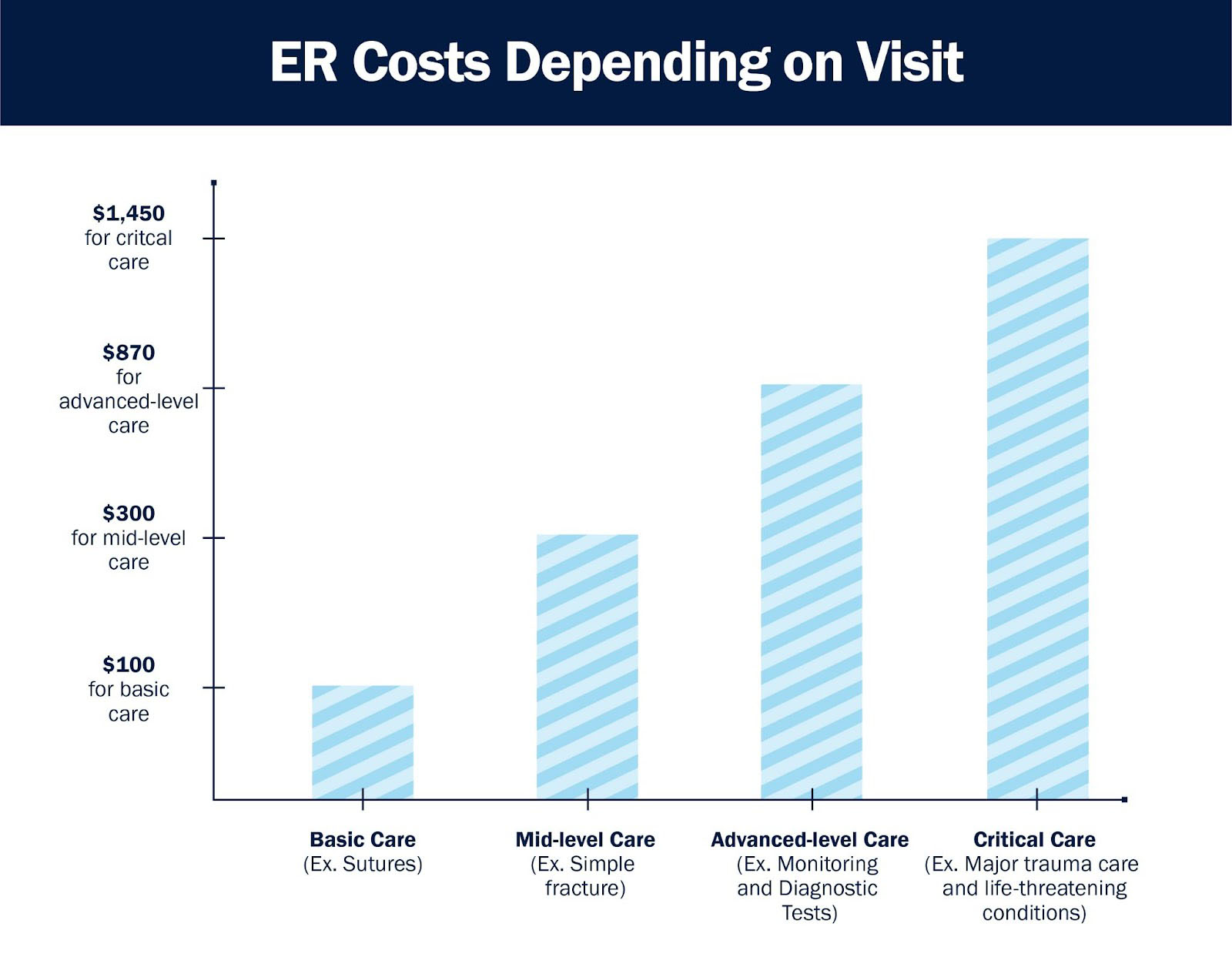
Common Services and Their Potential Costs
To illustrate the financial burden, consider some common ER services:
-
Treating a Broken Arm: Without insurance, this could involve X-rays, physician consultation, pain medication, setting the bone, casting, and facility fees. The total could range from $2,000 to $10,000 or more, depending on the severity and location.
-
Stitches for a Deep Cut: This might include a facility fee, physician fee, local anesthetic, wound cleaning, stitches, and tetanus shot. Costs can easily reach $500 to $3,000.
-
Appendicitis or Gallbladder Attack: Conditions requiring surgery and extended stays can quickly escalate to tens of thousands of dollars, potentially reaching $20,000 to $50,000 or even higher, particularly if complications arise or if you need an ICU stay.
-
Chest Pain Evaluation: This might involve an EKG, blood tests (cardiac enzymes), chest X-ray, and physician consultation. Even if it turns out to be heartburn, the bill could be several thousand dollars due to the high cost of ruling out a heart attack.
These figures are estimates, and actual costs vary widely based on the hospital, location, and specific care received, but they highlight the monumental financial risk faced by uninsured individuals.
Navigating the Billing Maze: Strategies for Uninsured Patients
Receiving a large, unexpected medical bill can be overwhelming, but ignoring it is the worst possible strategy. There are proactive steps you can take to mitigate the financial impact and navigate the complex billing system.
Don’t Ignore the Bill: The Importance of Communication
When the bill arrives, open it immediately. Understand what you’re being charged for. If you don’t understand something, call the hospital’s billing department. Ignoring the bill won’t make it disappear; it will only lead to late fees, potential referral to collections agencies, and damage to your credit score. Engaging with the hospital is the first and most critical step.
Negotiating for a Discount: It’s Possible!
Hospitals often have a “cash pay” rate, which is typically significantly lower than the Chargemaster rate. They prefer to receive some payment directly rather than dealing with the complexities and uncertainties of collections.
-
Ask for an Uninsured Discount: Be upfront and ask if there’s a discount for uninsured patients paying out-of-pocket. Many hospitals offer 20-40% off the sticker price simply for asking.
-
Negotiate the Bill: Review your itemized bill meticulously. Look for duplicate charges, services you didn’t receive, or excessively high prices for supplies. Don’t be afraid to question specific line items. Many billing errors occur, and catching them can save you money.
-
Offer a Lump Sum Payment: If you can afford to pay a portion of the bill upfront, offer a lump sum in exchange for a further reduction. For example, offering to pay 50% immediately to settle the entire bill might be appealing to the hospital.

Financial Assistance Programs and Charity Care
Most non-profit hospitals are legally required to offer financial assistance or charity care programs to eligible low-income patients.
-
Check Eligibility: Hospitals typically have an application process for these programs, which involve providing proof of income, assets, and household size. Eligibility criteria vary but often align with federal poverty guidelines.
-
Apply Promptly: Apply as soon as possible after your visit, as there might be deadlines. These programs can significantly reduce or even eliminate your medical debt if you qualify.
-
Research Hospital Policies: Every hospital has its own specific charity care policy, which should be available on their website or by contacting their financial assistance office.
Payment Plans: Breaking Down the Debt
If you don’t qualify for financial assistance or a significant discount, ask about setting up an interest-free payment plan. Most hospitals are willing to work with patients to establish manageable monthly payments over an extended period. This keeps your account in good standing with the hospital and prevents it from being sent to collections. Ensure the payment plan agreement is in writing.
The Role of Medical Bill Advocates
For complex or very large bills, consider hiring a professional medical bill advocate. These specialists understand healthcare billing codes, hospital pricing, and negotiation tactics. They can review your bill, identify errors, and negotiate on your behalf for a fee (either a flat rate or a percentage of the savings they achieve). While an added expense, a good advocate can save you thousands of dollars and immense stress.
Proactive Measures: Preparing for Unexpected Medical Emergencies
While an emergency is, by definition, unexpected, there are financial steps you can take to prepare for potential medical crises, even without comprehensive insurance.
Exploring Affordable Insurance Options
The best defense against crippling medical debt is having health insurance.
-
Affordable Care Act (ACA) Marketplace: During open enrollment or if you qualify for a special enrollment period (e.g., job loss, marriage, birth of a child), you can purchase plans through the federal or state marketplaces. Subsidies are available based on income, making coverage surprisingly affordable for many.
-
Medicaid: If your income is below a certain threshold and your state has expanded Medicaid, you might qualify for free or low-cost health insurance.
-
Short-Term Health Insurance: These plans offer limited coverage for a lower premium. They typically don’t cover pre-existing conditions and aren’t ACA-compliant, but they can offer some protection against catastrophic emergencies.
-
Catastrophic Plans: Available on the ACA marketplace for individuals under 30 or those with hardship exemptions, these plans have very high deductibles but cover essential health benefits and protect against high-cost medical events.
Building an Emergency Medical Fund
Even with insurance, deductibles and out-of-pocket maximums can be substantial. For the uninsured, an emergency medical fund is critical. Aim to save several thousand dollars in a separate, easily accessible savings account dedicated solely to medical expenses. This fund can cover a portion of an ER bill, medication costs, or follow-up appointments, reducing the immediate financial shock.
Understanding Urgent Care vs. Emergency Room
Not every medical issue requires an ER visit, and knowing the difference can save you thousands.
-
Urgent Care Centers: For non-life-threatening conditions (e.g., sprains, colds, flu, minor cuts, infections), urgent care centers are significantly cheaper than ERs. They offer similar services for less severe issues and can provide quicker, more affordable care.
-
Primary Care Physician (PCP): For routine illnesses and preventive care, your PCP is always the most cost-effective option. Establishing a relationship with a PCP can also help you avoid conditions that might escalate into emergencies.
Knowing when to choose an urgent care facility over an ER is a smart financial decision that can prevent unnecessary high costs.
The Long-Term Impact and Future Planning
The financial ramifications of an uninsured ER visit can extend far beyond the initial bill, impacting your financial health for years to come.
Credit Score Implications
If you fail to negotiate a payment plan or pay your medical bills, the hospital may send your account to a collections agency. This can severely damage your credit score, making it harder to secure loans, rent an apartment, or even get certain jobs in the future. Newer credit scoring models give some grace for medical debt, but it’s still best to avoid collections altogether. Consistent communication and payment efforts are crucial.
Legal Ramifications: Wage Garnishment, Liens
In extreme cases, hospitals or collection agencies may pursue legal action to recover unpaid medical debt. This could lead to wage garnishment (a portion of your paycheck being withheld to pay the debt), or a lien being placed on your property. While these are less common for smaller debts, they are a stark reminder of the serious consequences of ignoring medical bills.
The Cycle of Medical Debt
Medical debt can trap individuals in a vicious cycle, leading to financial instability, stress, and even bankruptcy. It can prevent people from saving for retirement, buying a home, or pursuing education, thus impacting their overall financial well-being and future prospects. Breaking this cycle requires diligent financial management, advocacy, and sometimes professional financial counseling.

Advocating for Policy Change and Universal Healthcare Discussion
Beyond individual strategies, the issue of uninsured ER visits highlights a broader systemic problem in healthcare finance. Advocating for policy changes, supporting initiatives that expand access to affordable insurance, and engaging in discussions about universal healthcare models are all part of addressing the root cause of medical debt for uninsured individuals. Financially, understanding these broader discussions can help one grasp the context of their personal challenges.
In conclusion, an emergency room visit without insurance is a multi-faceted challenge, primarily financial. While immediate care is guaranteed, the ensuing bills can be overwhelming. By understanding your rights, proactively engaging with billing departments, exploring financial assistance, and taking preventative measures, you can better navigate this difficult situation and protect your financial future. The best strategy, however, remains securing some form of health coverage to mitigate the inherent risks of a system that often penalizes the uninsured with exorbitant costs.
aViewFromTheCave is a participant in the Amazon Services LLC Associates Program, an affiliate advertising program designed to provide a means for sites to earn advertising fees by advertising and linking to Amazon.com. Amazon, the Amazon logo, AmazonSupply, and the AmazonSupply logo are trademarks of Amazon.com, Inc. or its affiliates. As an Amazon Associate we earn affiliate commissions from qualifying purchases.