
Vivian Liberto Cash Distin, often remembered primarily as the first wife of the iconic Johnny Cash, is a figure whose public narrative has, for decades, been largely defined by her association with a legend. Her story, however, extends far beyond this singular identification. “What happened to Vivian Cash?” is more than a question about historical events; it’s an inquiry into the evolution of a personal brand, the struggle to maintain identity in the shadow of immense fame, and the eventual, powerful reclamation of one’s own narrative. In an era where personal branding is paramount, Vivian Cash’s journey offers a compelling case study in navigating identity, managing public perception, and strategically redefining one’s legacy, even posthumously. Her life, marked by both public fascination and private struggle, illustrates the profound challenges and ultimate triumphs inherent in shaping a distinct personal brand.

The Initial Brand Identity: Beyond the Shadow of a Legend
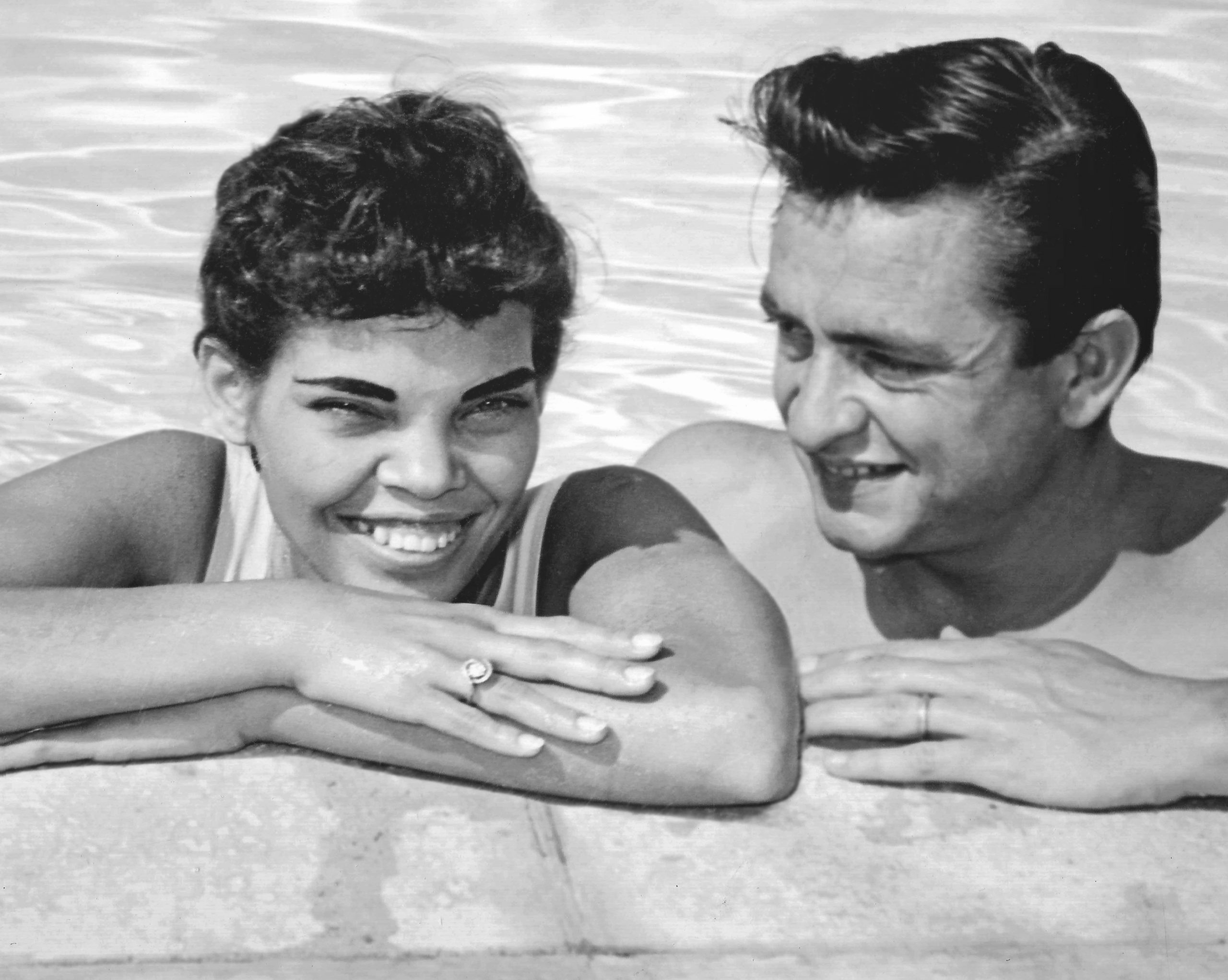
From her early life, Vivian Liberto’s brand was inextricably linked to her relationship with J.R. Cash, who would later become the Man in Black. Their passionate courtship, chronicled through hundreds of letters during his military service, laid the foundation for a shared narrative that captivated many. Yet, this initial branding, while romantic, also set a precedent for her identity to be subsumed within his burgeoning fame.
Formative Years and the Early Public Persona
Vivian’s early public persona was primarily that of the devoted wife and mother, the steadfast anchor for a rising star. As Johnny Cash embarked on his musical career, moving from Memphis to California, Vivian was the silent partner managing the domestic sphere, raising their four daughters: Rosanne, Kathy, Cindy, and Tara. This role, while crucial to Johnny’s success, placed her brand in a supportive, secondary position. She was the woman behind the man, her identity defined by her marital status and maternal responsibilities. Media portrayals, when they occurred, often cast her in this gentle, domestic light, a stark contrast to the rebellious, often dark image Johnny Cash cultivated on stage. This early branding, while seemingly benign, carried the inherent risk of anonymity, allowing her individual story to be overshadowed by the more dominant, marketable persona of her husband. Her public presence was often limited to family photos or brief mentions, cementing a brand that was wholesome and traditional, yet distinctly lacking in individual agency or distinctiveness.
The ‘First Wife’ Narrative: A Confined Brand
As Johnny Cash’s career skyrocketed, so too did the public’s fascination with his personal life. Vivian became the “first wife” – a label that, while factually correct, often confined her brand within a narrow, somewhat tragic, narrative arc. This branding became particularly challenging as Johnny Cash’s struggles with addiction and his public romance with June Carter began to unfold. Her identity became further entangled in his narrative, often positioned as the wronged party, the symbol of a past he was ostensibly leaving behind. This specific branding often stripped her of her own complexities and contributions, reducing her to a supporting character in someone else’s epic. The ‘first wife’ brand, in this context, wasn’t just descriptive; it was prescriptive, dictating how her life would be viewed and interpreted, often without her direct input. It limited the scope for her to develop an independent public identity, forcing her into a pre-defined role within a larger, more famous brand story.
Crisis of Brand and Public Perception
The mid-1960s marked a significant crisis for Vivian Cash’s personal brand. As Johnny Cash’s life spiraled with drug abuse and his relationship with June Carter became increasingly public, Vivian found herself at the center of media scrutiny, often portrayed in ways that further solidified her constrained image and fueled misconceptions.
Navigating Media Scrutiny and Misrepresentation
The intense media spotlight during Johnny Cash’s peak fame proved challenging for Vivian. She was not a performer, nor was she accustomed to the harsh glare of public judgment. Reports often sensationalized aspects of their marital strife, casting her in the role of the conventional spouse unable to cope with her husband’s wild lifestyle. Perhaps most damaging was the infamous “hate mail” incident, where Vivian, of Italian descent, was mistakenly depicted as African American in a widely circulated newspaper photo. This deeply prejudiced and inaccurate misrepresentation led to an avalanche of racist hate mail, causing immense personal distress and further muddying her public image. Her attempts to clarify or correct the record were often drowned out by the louder narratives surrounding her famous husband. This period highlighted the vulnerability of a personal brand when it is not directly controlled or actively managed by the individual, especially when confronting ingrained societal biases and rampant media speculation. It exposed how quickly a narrative can spiral out of control, shaping public perception in ways that are both untrue and deeply harmful.
The Divorce and its Impact on Her Public Image
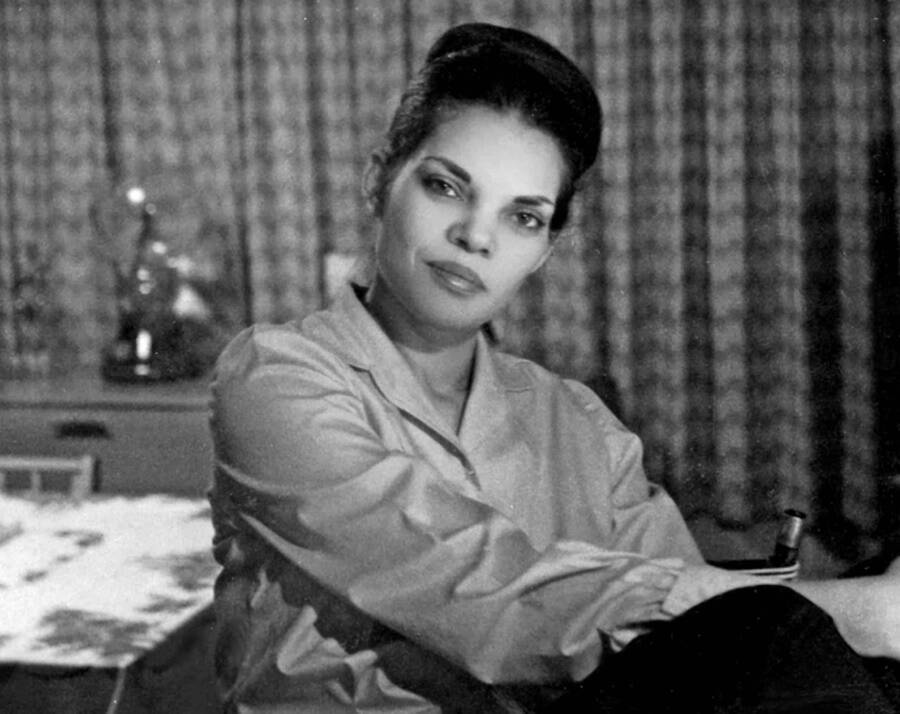
The ultimate dissolution of her marriage to Johnny Cash in 1966 was a defining moment for Vivian’s brand. For many, it solidified her role as the “ex-wife,” further pushing her into the background of the Cash legacy. While the divorce granted her personal freedom, it paradoxically cemented her public identity within the framework of her former marital status. Her subsequent marriage to police officer Dick Distin provided her with personal happiness and stability, but from a public branding perspective, it did little to redefine her independent of her past. The “Vivian Cash” name, despite the change in her legal surname, remained synonymous with her famous ex-husband, a powerful testament to the enduring nature of an early, albeit confining, brand association. The narrative often focused on what was lost – her marriage to a superstar – rather than what she built independently afterwards. This period exemplifies the difficulties of transitioning a personal brand away from a dominant, widely recognized association, especially when that association is with an iconic figure whose story continues to evolve publicly.
Reclaiming the Narrative: Building a Personal Brand
Despite the challenges, Vivian Liberto Cash Distin eventually embarked on a powerful journey of self-redefinition. Recognizing the need to correct misconceptions and assert her own voice, she strategically engaged in activities that allowed her to build and control her personal brand, transforming from a supporting character into an author of her own story.
Authoring Her Own Story: Memoirs as Brand Statements
The most significant step in Vivian’s brand reclamation was the publication of her memoir, I Walked the Line: My Life with Johnny, in 2007. Co-authored with Ann Sharpsteen, this book was a direct and intentional effort to present her perspective, challenge existing narratives, and articulate her own experiences. A memoir serves as an ultimate personal brand statement, allowing an individual to control their narrative, define their values, and share their truth directly with the audience. Through I Walked the Line, Vivian offered an intimate, often poignant, account of her life with Johnny Cash, detailing their passionate love, his struggles, and the pain of their separation. Crucially, she highlighted her own resilience, her commitment to her children, and her enduring love for the man, even as she acknowledged his flaws. This memoir wasn’t just a recollection; it was a carefully curated brand presentation, showcasing her strength, integrity, and depth of character. It provided context, corrected factual errors (like the “hate mail” photo incident), and allowed readers to see her not just as an appendage to a famous man, but as a complex, feeling individual with her own life and agency. This strategic move fundamentally shifted her brand from passive recipient of public opinion to active storyteller.
Posthumous Recognition and Legacy Shaping
Vivian passed away in 2005, two years before her memoir’s publication. However, the book, alongside the efforts of her daughters, particularly Rosanne Cash, has been instrumental in shaping her posthumous brand and legacy. Rosanne Cash, a respected artist in her own right, has frequently spoken about her mother with immense love and respect, further validating Vivian’s importance and challenging any dismissive narratives. The memoir’s release, and its subsequent critical reception, positioned Vivian not as a victim or a footnote, but as a central figure in Johnny Cash’s formative years, a strong woman who persevered through extraordinary circumstances. Documentary films, interviews, and articles referencing I Walked the Line have continued to build upon this redefined brand, solidifying her image as a woman of substance, a devoted mother, and a vital, if often overlooked, part of music history. This ongoing discourse ensures that her brand is not static but continues to evolve, reflecting a more accurate and comprehensive understanding of her life and contributions. The consistent advocacy from her family acts as powerful brand ambassadors, reinforcing the authentic narrative she sought to establish.
The Enduring Brand of Vivian Liberto Cash Distin
Today, the question “what happened to Vivian Cash” is met with a much richer, more nuanced answer than it might have received decades ago. Her story is no longer solely defined by her proximity to fame but by her own efforts to assert her identity and the ongoing legacy shaped by her family. Her journey serves as a powerful testament to the long-term impact of personal branding and the resilience required to maintain authenticity.
Influence on Family Legacy and Cultural Memory
Vivian’s re-established brand has profoundly influenced the Cash family legacy. Her daughters, especially Rosanne, have openly credited their mother with providing a stable, loving home and instilling values that shaped their lives and careers. By reclaiming her story, Vivian not only clarified her own past but also enriched the understanding of the Cash family dynamic, providing a more balanced view of their history. Her memoir and the subsequent public discourse have woven her back into the cultural memory not merely as an ex-wife, but as a foundational figure whose strength and love provided the bedrock for a musical dynasty. Her story is now integrated into broader narratives about women in music history, the complexities of fame, and the personal sacrifices made by those behind the scenes. This integration ensures that her contributions are recognized, and her influence is acknowledged within the larger tapestry of popular culture.
Lessons in Personal Branding and Reputation Management
Vivian Liberto Cash Distin’s life offers invaluable lessons for anyone navigating personal branding and reputation management.
-
Authenticity is Key: Her memoir’s success stemmed from its raw honesty and genuine perspective, demonstrating that an authentic voice, even if it comes later, can powerfully reshape perception.
-
Proactive Narrative Control: Waiting for others to tell your story often results in misrepresentation. Vivian’s decision to author her memoir was a proactive step to take control of her narrative.
-
Resilience in the Face of Adversity: Despite decades of being overshadowed or misrepresented, she persisted in clarifying her truth, highlighting the long game required in brand building.
-
The Power of Legacy Advocates: Her daughters’ continued support and validation have been crucial in ensuring her redefined brand endures and resonates with new generations.
-
Understanding Your Value Beyond Association: While her initial brand was tied to her famous husband, her eventual triumph lay in articulating her distinct value and contributions independent of that association.
In conclusion, “what happened to Vivian Cash” is the story of a woman who, despite being cast in the formidable shadow of a music legend, ultimately found her voice and asserted her own distinct identity. Her journey from the ‘first wife’ narrative to the author of her own truth is a compelling example of successful personal brand reclamation. It underscores the enduring power of authenticity, the critical importance of narrative control, and the profound impact of shaping one’s own legacy, ensuring that Vivian Liberto Cash Distin is remembered not just for who she married, but for the remarkable woman she was in her own right.
aViewFromTheCave is a participant in the Amazon Services LLC Associates Program, an affiliate advertising program designed to provide a means for sites to earn advertising fees by advertising and linking to Amazon.com. Amazon, the Amazon logo, AmazonSupply, and the AmazonSupply logo are trademarks of Amazon.com, Inc. or its affiliates. As an Amazon Associate we earn affiliate commissions from qualifying purchases.