
The narrative of celebrity, particularly in the digital age, is a volatile one. Careers can skyrocket on the back of a single viral moment or a breakout role, only to plummet just as swiftly due to shifting public perception, personal controversies, or missteps in managing one’s public identity. T.J. Miller, a name once synonymous with quirky humor, distinctive voice work, and memorable comedic performances, offers a compelling, if complex, case study in personal branding. For a period, he was a ubiquitous presence across film, television, and stand-up stages. Then, seemingly, his star dimmed. The question “what happened to T.J. Miller?” isn’t just about his current whereabouts; it’s an inquiry into the dynamics of personal brand building, the fragility of reputation, and the challenging path to reassessment and potential recovery in an unforgiving public sphere.

This analysis delves into Miller’s journey through the lens of personal branding, exploring how his unique persona was crafted and marketed, the events that significantly impacted his brand equity, and the broader implications for public figures navigating the treacherous waters of modern media and public scrutiny. It underscores that a personal brand is far more than a professional resume; it is a living entity, constantly shaped by public perception, media narratives, and, crucially, the individual’s actions and responses.
The Ascent of an Eccentric Brand: Crafting a Unique Persona
Before the controversies, T.J. Miller had meticulously built a personal brand rooted in a specific type of comedic eccentricity. His early career demonstrated a conscious effort to differentiate himself in a crowded entertainment landscape, creating a niche that resonated with audiences and industry insiders alike.
Crafting a Unique Persona: Early Career and Niche Appeal
Miller’s rise was characterized by a distinct, often surreal, comedic style. He wasn’t the traditional leading man; instead, he embraced a persona that was intellectual, improvisational, and delightfully absurd. This was evident in his stand-up routines, which often veered into philosophical tangents and meta-commentary, distinguishing him from more conventional joke-tellers. His physical presence, coupled with a uniquely gravelly voice, made him instantly recognizable.
His casting in HBO’s Silicon Valley as Erlich Bachman was a pivotal moment. The character, a blustery, overconfident, yet strangely endearing tech incubator owner, perfectly encapsulated Miller’s comedic strengths. Erlich became an iconic figure, a testament to Miller’s ability to inhabit and elevate quirky roles. This role solidified his brand as an actor capable of delivering scene-stealing performances, often in supporting but crucial capacities. The success of Silicon Valley catapulted him into the mainstream, making him a recognizable face and voice to millions.
The Peak of Marketability: Commercial Success and Public Recognition
Following Silicon Valley, Miller’s brand equity soared. He became a sought-after voice actor, lending his distinctive pipes to animated blockbusters like Big Hero 6 and The Emoji Movie. His role as Weasel in Deadpool and its sequel further cemented his status as a commercially viable comedic actor. These roles showcased his versatility—from family-friendly animation to R-rated superhero fare—all while maintaining his core comedic identity.
At this peak, Miller’s personal brand was multifaceted: he was an acclaimed stand-up comedian, a popular voice actor, and a beloved live-action performer. His public appearances and interviews often highlighted his intellectual curiosity, his unconventional worldview, and his penchant for provocative humor. This curated image positioned him as an authentic, albeit anarchic, voice in comedy. He was seen as a refreshing alternative to more polished, conventional celebrities, and his marketability was at an all-time high, commanding significant roles and endorsement opportunities. His brand was, for a time, a highly valuable asset, built on consistent performance and a clear, differentiated identity.
Navigating the Storm: Brand Erosion and Controversy
The delicate edifice of a personal brand, especially one built on a distinctive public persona, can be incredibly vulnerable to external pressures and internal challenges. For T.J. Miller, a series of public controversies and allegations proved to be a severe test of his brand’s resilience, leading to significant erosion of his carefully cultivated image and market value.
Accusations and Allegations: The Impact on Public Perception
The mid-to-late 2010s saw Miller embroiled in multiple public controversies that directly contradicted the image of the lovable eccentric he had cultivated. In December 2017, The Daily Beast published an article detailing accusations of sexual assault from an anonymous woman dating back to his time in college. These serious allegations, coming amidst the nascent #MeToo movement, immediately cast a shadow over his career. The gravity of such accusations fundamentally challenged the public’s perception of his character, introducing an element of moral ambiguity that was difficult for audiences to reconcile with his comedic persona.
Further incidents compounded the damage. In April 2018, Miller was arrested for allegedly making a false bomb threat on an Amtrak train. While the charges were later dropped, the public spectacle of the arrest and the nature of the accusation further fueled negative media narratives and raised questions about his behavior and judgment. These events transcended typical celebrity gossip; they touched upon issues of personal conduct, integrity, and safety, which are critical components of a positive personal brand. The media’s intense focus on these incidents created a dominant narrative that overshadowed his professional achievements.
Professional Fallout: Departures and Industry Reactions
The immediate aftermath of these allegations and incidents manifested in tangible professional consequences. His character was written out of Silicon Valley after its fourth season, a departure that, while initially framed as a mutual decision, was widely reported to be influenced by his on-set behavior and the emerging controversies. This move by HBO, a network known for protecting its talent, signaled a significant withdrawal of industry support.
Similarly, his role in Deadpool 2 was scaled back, and his involvement in future iterations of the franchise became uncertain. In an industry heavily reliant on reputation and perceived reliability, these actions by major studios and networks served as a clear indicator of a damaged brand. Casting directors, producers, and publicists became wary. The risk associated with hiring Miller increased dramatically, as his involvement could now bring unwanted negative press or public backlash, directly impacting the commercial viability of projects. The industry’s reaction demonstrated that a tarnished personal brand can severely limit professional opportunities, regardless of past talent or success.
The Challenge of Reputation Management in the Digital Age
Miller’s experience highlights the brutal challenges of reputation management in the digital age. In an era of instant information dissemination and constant scrutiny, negative stories can spread globally in minutes and persist indefinitely online. Unlike previous generations where publicists could strategically manage scandal, today’s digital landscape means past controversies are easily resurfaced, forming an indelible part of one’s online identity.
For Miller, the allegations became part of his enduring search engine results and public discourse, making it incredibly difficult to pivot or rebuild his image without directly addressing the issues. The court of public opinion operates outside legal frameworks, and even when formal charges are dropped or cases are unresolved, the stain on a personal brand can remain. Managing this requires more than just denying accusations; it often demands a strategic blend of genuine accountability, demonstrated change, and a consistent effort to redefine the public narrative, a task made exponentially harder when the initial damage is severe and widely publicized.
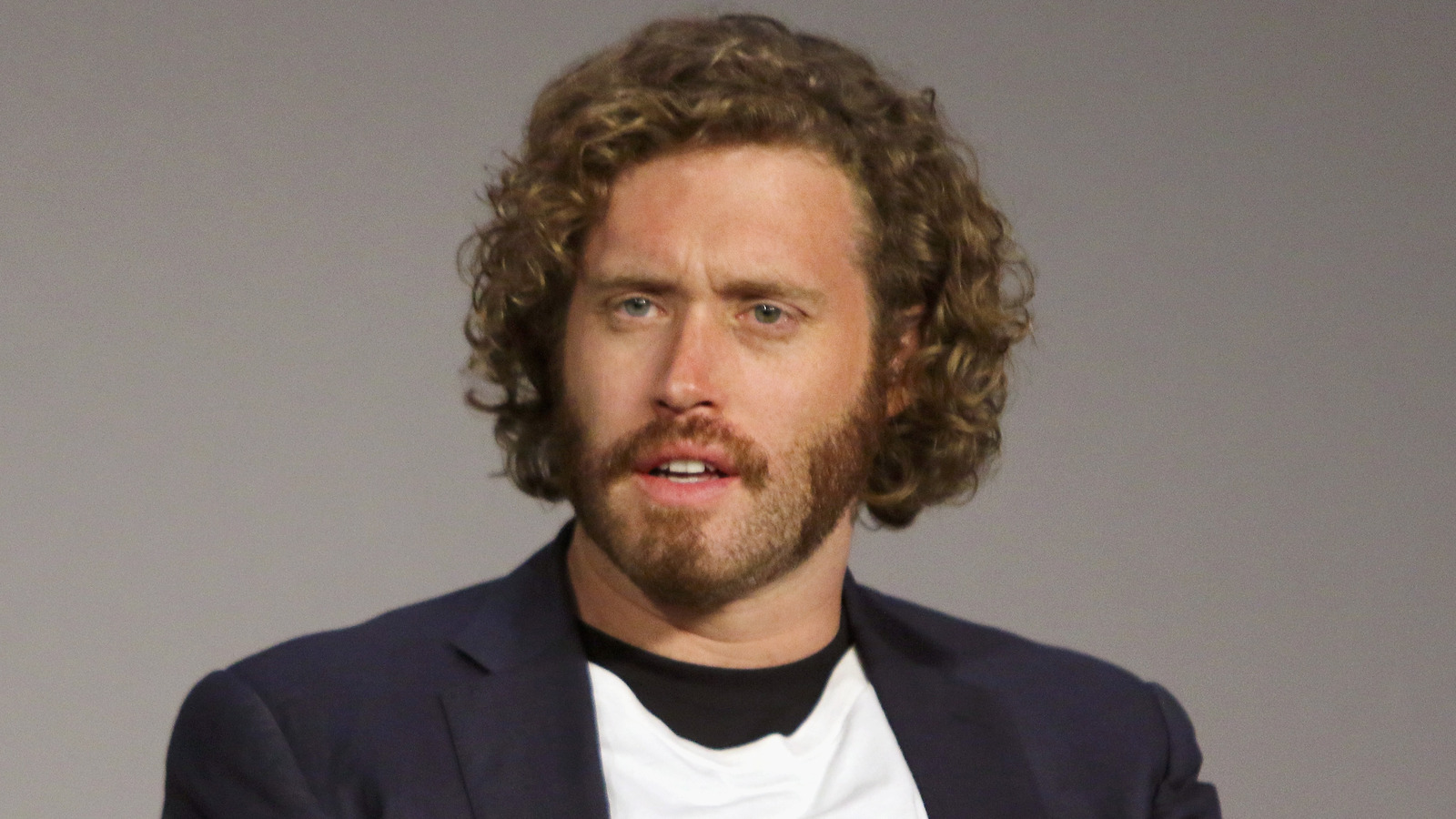
Strategies for Brand Reassessment and Recovery
When a personal brand faces significant damage, the path to recovery is arduous and multifaceted. It requires more than just time; it demands strategic reassessment, demonstrable change, and a careful re-engagement with both the professional world and the public. T.J. Miller’s journey since his controversies provides insights into the various approaches public figures might take to navigate such a complex period.
Shifting Professional Focus: New Projects and Platforms
One discernible strategy for Miller has been to shift his professional focus and seek out new platforms. While his presence in mainstream Hollywood blockbusters and high-profile TV series has undeniably diminished, he has not entirely disappeared from the entertainment scene. He has continued to perform stand-up comedy, often in smaller venues, which allows for a more intimate connection with his audience and a degree of creative control less available in major studio productions. This return to his comedic roots can be seen as an attempt to reconnect with a core audience who appreciate his specific brand of humor, separate from the surrounding controversies.
Furthermore, he has explored independent film projects and alternative media. Working on smaller productions can provide opportunities to hone his craft away from intense public scrutiny and demonstrate continued artistic engagement without the immediate pressures of a major studio brand alignment. This strategic move allows him to remain active and visible to some degree, signaling to the industry and his fans that he is still a working artist, albeit in a different capacity than before. It’s a way of slowly rebuilding a professional portfolio and proving reliability, even if the scale is reduced.
The Role of Public Statements and Private Reflection
The way a public figure addresses or chooses not to address allegations and controversies plays a crucial role in brand recovery. For Miller, public statements have been mixed. Initially, he often denied allegations outright, which is a common first response but can sometimes be perceived as dismissive by the public. Over time, his public commentary has sometimes reflected a more nuanced perspective, or at least a willingness to acknowledge the impact of the events, if not always full acceptance of all accusations.
Equally important, though less visible, is the aspect of private reflection and demonstrable change. While the public can only speculate on an individual’s internal work, the lasting perception of a brand often hinges on whether the individual appears to have genuinely learned and grown from their experiences. Without public evidence of meaningful self-assessment and behavioral adjustments, it becomes difficult for a damaged brand to earn back trust. This isn’t just about PR; it’s about projecting a sense of genuine evolution to an audience that has witnessed significant public missteps.
Rebuilding Trust: A Long-Term Endeavor
Rebuilding trust is perhaps the most challenging aspect of brand recovery and is undeniably a long-term endeavor. It cannot be achieved through a single apology or a few new projects. It requires consistent, positive behavior over an extended period, allowing new narratives to slowly overwrite old ones. For T.J. Miller, this means that every professional engagement, every public appearance, and every interaction contributes to the ongoing perception of his brand.
The entertainment industry is notoriously unforgiving, yet also capable of gradual rehabilitation if an individual demonstrates sustained commitment to their craft and a genuine shift in their public conduct. The challenge for Miller, and others in similar situations, is to find avenues where they can consistently deliver high-quality work and maintain a low profile in terms of controversy, thereby allowing the narrative to slowly shift from “what happened” to “what they are doing now.” This process demands patience, resilience, and a clear understanding that rebuilding a damaged personal brand is an marathon, not a sprint.
The Evolving Landscape of Personal Brands in Entertainment
The story of T.J. Miller is not just about one individual; it reflects broader shifts in how personal brands are constructed, maintained, and sometimes dismantled in the entertainment industry. The rise of social media, the amplification of various cultural movements, and the public’s demand for accountability have fundamentally reshaped the dynamics of celebrity.
Cancel Culture vs. Accountability: Drawing Distinctions
Miller’s experience often gets folded into discussions around “cancel culture.” It’s critical, however, to differentiate between what might be perceived as an overzealous public backlash and legitimate calls for accountability regarding serious allegations. While “cancel culture” can sometimes lead to disproportionate consequences for minor offenses, cases involving allegations of sexual misconduct or dangerous public behavior typically trigger a more fundamental re-evaluation of a public figure’s fitness for their platform.
For personal brands, this distinction is paramount. Genuine accountability—acknowledging harm, making amends where possible, and demonstrating change—is often a necessary step for recovery, even if difficult. Dismissing all negative reactions as “cancel culture” can prevent the introspection needed for genuine brand reassessment. The entertainment industry, increasingly sensitive to public sentiment and ethical considerations, is more inclined to distance itself from brands that fail to adequately address serious concerns, viewing such actions as a necessary move towards corporate responsibility.
The Power of Authenticity vs. Manufactured Image
Miller’s brand was initially built on a perceived authenticity—an unvarnished, eccentric persona. However, the controversies revealed a potential disconnect between the curated public image and private conduct, which is a lethal blow to a brand built on authenticity. In today’s hyper-connected world, audiences are more sophisticated at detecting inauthenticity, and the expectation for celebrities to align their public statements with their private actions is higher than ever.
The ongoing challenge for all personal brands is to maintain a cohesive narrative across all platforms and interactions. When the “manufactured image” of a personality crumbles, it undermines the very foundation of trust that binds an audience to a performer. This requires constant vigilance and, for those seeking redemption, a commitment to genuine self-improvement that can slowly, over time, translate into a more robust and trustworthy public image.
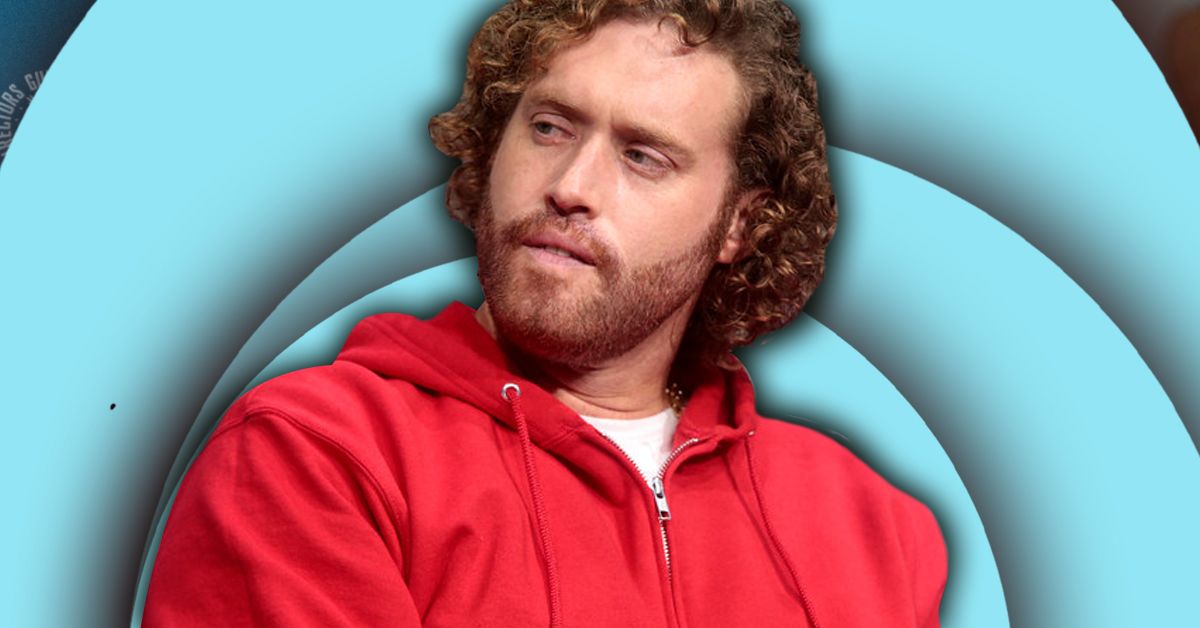
Lessons for Modern Personal Branding
T.J. Miller’s trajectory offers several critical lessons for anyone building or managing a personal brand in the public eye:
-
Integrity is Paramount: Talent alone is rarely enough to sustain a brand through severe ethical breaches. Personal conduct outside of professional work has a direct and often irreversible impact on career longevity and public perception.
-
Reputation is Fragile: A brand built over years can be severely damaged in moments. Proactive reputation management, ethical decision-making, and crisis preparedness are essential.
-
Accountability Matters: In an era of heightened awareness, genuine accountability and a willingness to address criticisms or allegations (where appropriate and legally advised) are crucial for any hope of recovery. Evasion or dismissiveness often exacerbates the problem.
-
Adaptability and Resilience: The entertainment landscape is always changing. Personal brands must be adaptable, capable of shifting focus, and resilient enough to weather storms, even if it means rebuilding in a different capacity or on a smaller scale.
-
The Long Game: Brand recovery is a marathon. It requires sustained effort, demonstrable change, and patience, with no guarantee of returning to previous heights.
In conclusion, “what happened to T.J. Miller” is a multifaceted question with answers rooted deeply in the principles of personal branding. His journey illustrates the intoxicating power of a unique persona, the destructive force of controversy, and the arduous, often uncertain, path of brand reassessment and potential recovery. It serves as a stark reminder that in the volatile world of public figures, a personal brand is a dynamic entity, constantly being shaped, judged, and redefined by both the individual’s actions and the ever-watchful gaze of the public.
aViewFromTheCave is a participant in the Amazon Services LLC Associates Program, an affiliate advertising program designed to provide a means for sites to earn advertising fees by advertising and linking to Amazon.com. Amazon, the Amazon logo, AmazonSupply, and the AmazonSupply logo are trademarks of Amazon.com, Inc. or its affiliates. As an Amazon Associate we earn affiliate commissions from qualifying purchases.