
In the dynamic and often volatile landscape of digital entertainment, personal brands are built on charisma, content, and an intricate connection with an audience. Matthew Rinaudo, better known as Mizkif, ascended to prominence as one of Twitch’s most recognizable and beloved streamers, carving out a unique niche with his irreverent humor, relatable persona, and an uncanny ability to create compelling, unscripted moments. His journey, however, has not been without significant challenges, providing a compelling case study in the complexities of managing a personal brand under immense public scrutiny. This exploration delves into the trajectory of Mizkif’s brand, examining the elements that fueled his rise, the crises that tested his foundations, and the strategic pivots undertaken in the face of adversity, ultimately offering valuable insights into the resilience and fragility inherent in digital personal branding.

The Genesis of a Streaming Brand: From Niche to Mainstream
Mizkif’s journey from relatively unknown streamer to a household name within the Twitch community is a testament to effective personal branding in the digital age. His initial appeal stemmed from a seemingly effortless authenticity, cultivating a rapport with his audience that felt less like a performance and more like a shared experience with a close friend. This foundation of genuine connection proved to be the bedrock upon which his entire brand was built.
Cultivating Authenticity: The Core of Mizkif’s Appeal
Mizkif’s brand identity was initially defined by his raw, often chaotic, and unfiltered personality. Unlike many polished entertainers, he embraced imperfections, shared personal anecdotes, and reacted spontaneously to situations, both in-game and in his daily life. This willingness to be vulnerable and unscripted resonated deeply with an audience tired of overtly manufactured content. His ability to laugh at himself, his struggles with attention-deficit/hyperactivity disorder (ADHD), and his often-outrageous antics created a perception of genuine camaraderie. This wasn’t just entertainment; it was a window into a relatable, albeit exaggerated, human experience. This authenticity wasn’t accidental; it was a deliberate, if intuitive, brand choice that fostered a fiercely loyal community. Viewers felt they were part of Mizkif’s world, rather than merely passive observers.
Strategic Content and Community Building
Beyond personality, Mizkif strategically diversified his content, moving beyond traditional gaming streams to incorporate reaction content, elaborate IRL (in-real-life) streams, and reality TV-esque collaborations. Shows like “Schooled” and his various challenges showcased his innovative approach to content creation, constantly pushing the boundaries of what a live stream could be. These ventures not only entertained but also served to strengthen his brand by demonstrating creativity, versatility, and a keen understanding of audience engagement. Furthermore, he mastered the art of community interaction. From playful banter with chat to addressing fan questions and criticisms, Mizkif ensured his audience felt heard and valued. He fostered a sense of belonging, making his community feel like an extension of his own brand, contributing to its unique culture and inside jokes. This symbiotic relationship solidified his position as a community leader rather than just an entertainer.
The Power of Collaboration: Expanding Reach and Influence
A significant accelerator of Mizkif’s brand growth was his strategic embrace of collaborations. Early on, he aligned himself with other prominent streamers and content creators, notably those within the “OTK” (One True King) network, a collective he co-founded. These collaborations allowed him to tap into diverse audience pools, cross-pollinate fanbases, and elevate his visibility exponentially. Each collaboration wasn’t just a joint stream; it was a co-branding exercise, where the strengths of multiple personalities converged to create unique and memorable content. By associating with established figures and helping to build a collective entity, Mizkif not only expanded his personal reach but also solidified his image as an influential figure within the broader streaming ecosystem. This strategic networking proved invaluable in transitioning from a niche personality to a mainstream digital celebrity.
Navigating the Crucible: Brand Crisis and Public Scrutiny
The landscape of digital personal branding is notoriously fragile, and even the most robust brands can be severely tested by controversies. For Mizkif, a series of allegations and public incidents presented a significant existential threat to his carefully constructed persona and professional standing. The period marked a critical juncture, revealing the immense pressure and rapid erosion of trust that can accompany public scrutiny.
The Allegations and Their Immediate Fallout
In late 2022, Mizkif became embroiled in a major controversy involving allegations of downplaying and covering up sexual assault accusations against a former associate. These serious claims, which emerged amidst broader discussions of misconduct within the streaming community, sent shockwaves through his fanbase and the industry at large. The specifics of the situation were complex and hotly debated, but the immediate impact on Mizkif’s brand was unequivocal and severe. The perceived ethical lapse, regardless of later findings, directly contradicted the image of authenticity and camaraderie he had so meticulously cultivated. The gravity of the accusations transcended typical internet drama, touching upon deeply sensitive societal issues.
The Erosion of Trust: Impact on Audience and Sponsorships
The fallout was swift and multifaceted. For a brand built on trust and relatability, the allegations struck at its very core, leading to a significant erosion of faith among his audience. Many long-time viewers expressed profound disappointment and betrayal, questioning the authenticity they had once so readily embraced. Beyond the emotional impact on his fanbase, the financial and professional repercussions were immediate and substantial. Sponsorships, a vital revenue stream for top streamers, began to withdraw or pause their affiliations. Brands, ever cautious of associating with controversy, swiftly distanced themselves to protect their own reputations. Furthermore, Mizkif was temporarily suspended from Twitch, and his leadership role within OTK was put on hold, signaling a profound institutional reaction to the crisis. This period highlighted the extreme vulnerability of personal brands that are heavily reliant on public perception and corporate partnerships.
Public Response and Initial Brand Damage Control

In the immediate aftermath, Mizkif’s initial response was a critical component of his brand’s crisis management. His initial statements and subsequent livestreamed apology were met with mixed reactions. While some appreciated his attempt to address the situation directly, others criticized the perceived lack of full accountability or sincerity. The challenge lay in navigating an incredibly sensitive issue where any misstep could further compound the damage. He underwent an internal investigation by a third-party law firm hired by OTK, which eventually concluded that he did not personally “cover up” a sexual assault, but that his statements at the time were “unprofessional.” This finding, while offering a degree of vindication from the most severe accusation, still underscored a lapse in judgment and an issue with his handling of a serious situation. The period was a stark reminder that in the digital age, a brand’s integrity is constantly under public audit, and effective damage control requires not just words, but actions that demonstrate genuine introspection and a commitment to ethical conduct.
Rebuilding the Brand: Strategy for Reintegration and Redemption
Emerging from a significant brand crisis is not merely about returning to the status quo; it requires a deliberate and often arduous process of reintegration and, for some, a journey towards redemption. Mizkif’s post-controversy period illustrates a strategic effort to mend his fractured brand, recalibrate his public image, and re-engage with his community.
Strategic Silence vs. Direct Engagement
Following the initial storm of allegations, Mizkif entered a period of relative silence and reduced public presence. This strategic withdrawal allowed time for the immediate public outrage to subside, for internal investigations to conclude, and for him to presumably reflect on the situation. In the highly reactive online environment, a temporary retreat can be an effective tactic to prevent further exacerbation of the crisis and to signal a serious approach to addressing the issues. When he did return, it was with a more measured and cautious approach. His re-entry into streaming was not an immediate dive back into his usual chaotic content, but rather a gradual re-engagement that allowed him to test the waters and rebuild trust incrementally. This blend of strategic silence followed by careful re-engagement demonstrated a conscious effort to manage his narrative and public perception, contrasting sharply with the often-impulsive nature of online personalities.
Demonstrating Accountability and Growth
A cornerstone of any successful brand recovery is the demonstration of genuine accountability and personal growth. While the external investigation cleared Mizkif of the direct “cover-up” accusation, his public statements and subsequent demeanor reflected an acknowledgment of past mistakes and a commitment to learning from them. This involved admitting to poor judgment, expressing regret for his handling of sensitive situations, and articulating an understanding of the impact his actions had on others. More importantly, this wasn’t just about words; it was about a perceived shift in his approach and a more deliberate, thoughtful engagement with his community and the broader issues at hand. For personal brands, true redemption isn’t granted; it’s earned through consistent behavior that reflects a changed perspective and a renewed commitment to ethical standards. This ongoing process of demonstrating growth is crucial for regaining the trust of a discerning audience.
The Road to Re-engagement: Content and Community Revival
Upon his return, Mizkif carefully navigated the path to content and community revival. Initially, streams were often more subdued, focusing on introspection and interaction with his audience about the controversies, rather than immediately reverting to his signature brand of antics. This allowed him to address lingering questions and show a willingness to engage with the difficult past. Gradually, he began reintroducing elements of his beloved content, often with a newfound maturity or self-awareness. He strategically collaborated with trusted friends and colleagues, leveraging their established positive reputations to help ease his re-entry. The process of rebuilding his community involved patiently re-engaging with his core fanbase, acknowledging their disappointment, and working to restore the sense of camaraderie that was once his brand’s hallmark. This involved a long-term commitment to consistent content, active community engagement, and a visible effort to uphold higher standards of conduct, proving that brand recovery is less a single event and more an ongoing journey.
The Evolving Face of a Brand: Lessons from Mizkif’s Journey
Mizkif’s experience provides a rich tapestry of insights into the volatile nature of personal branding in the digital era. His journey underscores not only the incredible power of authenticity and community but also the severe ramifications of ethical missteps and the arduous path to recovery. It offers invaluable lessons for aspiring content creators, established personalities, and anyone navigating the complexities of building and maintaining a public persona.
The Imperative of Ethical Brand Management
Perhaps the most salient lesson from Mizkif’s brand crisis is the absolute imperative of ethical conduct and responsible communication. In an age where personal brands are inextricably linked to the individual, any perceived ethical lapse can have catastrophic consequences, irrespective of the scale of the individual’s celebrity. For personal brands, trust is the ultimate currency, and integrity forms its bedrock. Mizkif’s situation highlighted how statements and actions, even if not directly malicious, can be misinterpreted or misconstrued, especially when dealing with sensitive subjects. It underscores the responsibility that comes with influence; brand managers and individuals alike must cultivate a robust ethical framework, ensuring that their actions align with their espoused values and public image. Proactive ethical engagement, transparent communication, and a willingness to confront uncomfortable truths are no longer optional but essential components of sustainable brand longevity.
The Long Game of Reputation: Patience and Consistency
Mizkif’s journey post-crisis is a powerful illustration that reputation rebuilding is a long game, demanding immense patience and unwavering consistency. There is no magic bullet for immediate redemption. Instead, it’s a gradual process of demonstrating change, earning back trust through consistent positive actions, and rebuilding fragmented relationships. The initial periods of a comeback are often met with skepticism and continued scrutiny, and it is during these times that a brand’s resilience is truly tested. Mizkif’s return wasn’t marked by an immediate restoration of his previous status but rather by a slow, deliberate re-engagement, stream by stream, interaction by interaction. This sustained effort over many months, rather than a single event or apology, allowed him to gradually win back portions of his audience and re-establish his footing in the streaming world. This approach serves as a crucial reminder that repairing a damaged brand requires time, humility, and a steadfast commitment to positive evolution.
The Fragility and Resilience of Digital Personal Brands
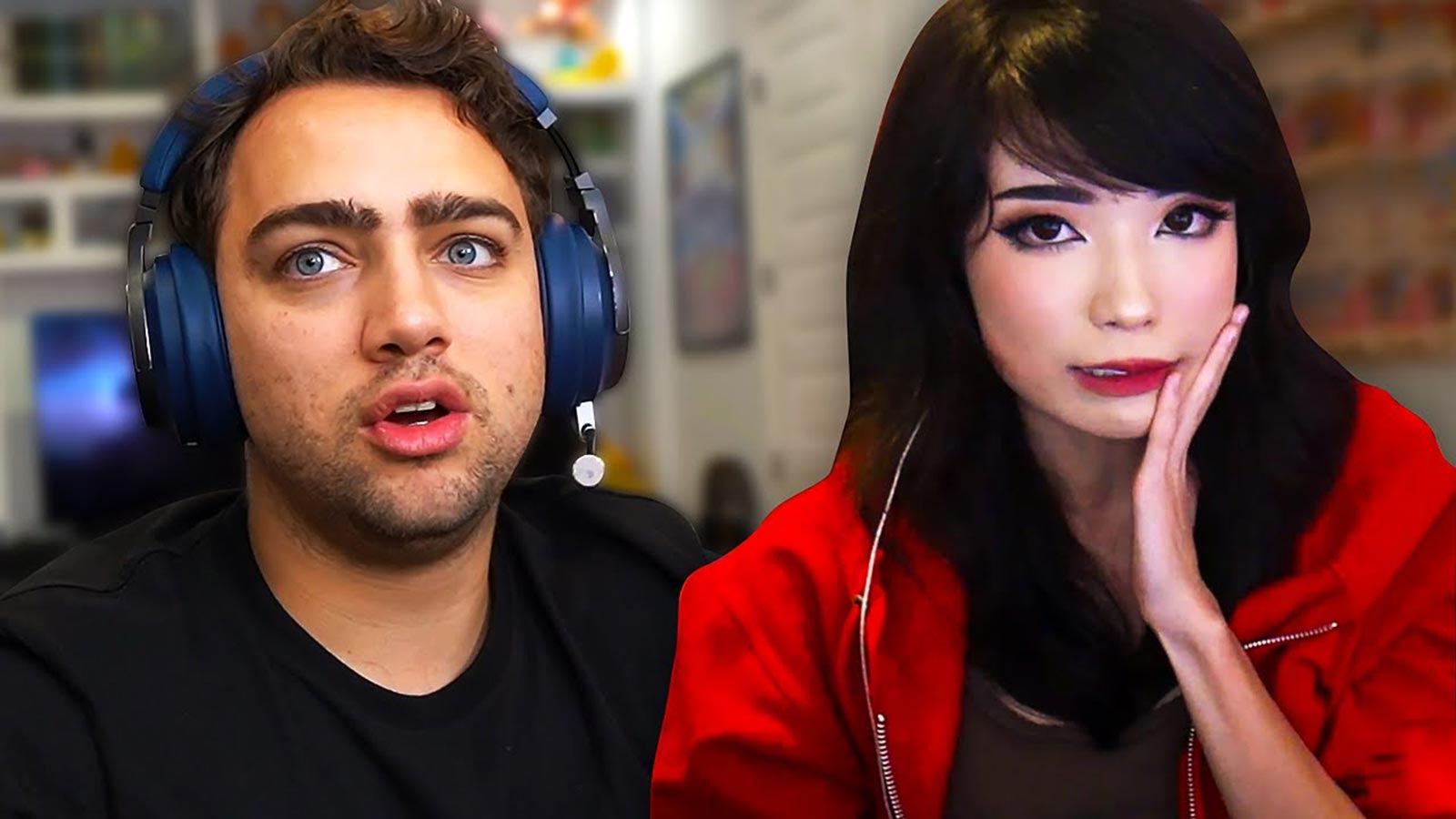
Ultimately, Mizkif’s story encapsulates both the profound fragility and surprising resilience of digital personal brands. On one hand, the lightning speed at which a brand built over years can be dismantled by a single controversy is terrifyingly apparent. The constant public spotlight, the unforgiving nature of online communities, and the immediate impact on sponsorships make personal brands exceptionally vulnerable. On the other hand, Mizkif’s ability to return, to rebuild a significant portion of his audience, and to continue his career demonstrates a remarkable capacity for resilience. This resilience often stems from a combination of genuine community loyalty, an individual’s willingness to adapt and grow, and strategic brand management. His ongoing presence serves as a testament to the fact that while a brand can be severely damaged, it can also, through concerted effort and genuine introspection, evolve and persist. The lessons from “what happened to Mizkif” resonate far beyond the streaming world, offering a vivid case study in the relentless demands and potential for rebirth inherent in modern personal branding.
aViewFromTheCave is a participant in the Amazon Services LLC Associates Program, an affiliate advertising program designed to provide a means for sites to earn advertising fees by advertising and linking to Amazon.com. Amazon, the Amazon logo, AmazonSupply, and the AmazonSupply logo are trademarks of Amazon.com, Inc. or its affiliates. As an Amazon Associate we earn affiliate commissions from qualifying purchases.