
In an increasingly digitized world, the landscape of personal finance is evolving rapidly, giving rise to new types of financial service providers. Among these, Chime has emerged as a prominent player, often leading to questions about its fundamental identity: What exactly is Chime? Is it a bank in the traditional sense, a tech company, or something entirely different? For consumers navigating their personal finance decisions, understanding Chime’s operational model, regulatory status, and service offerings is crucial.
Chime is not a bank itself; rather, it is a financial technology (fintech) company that partners with established, FDIC-insured banks to provide banking services. This distinction is vital for comprehending its structure, benefits, and limitations within the broader financial ecosystem. Chime operates as a modern alternative to traditional banking, leveraging technology to offer a streamlined, mobile-first experience designed to meet the everyday financial needs of its members.

The Evolution of Digital Banking and Neobanks
The traditional banking model, characterized by brick-and-mortar branches, extensive fee structures, and often cumbersome processes, has faced significant disruption from technological advancements. This shift has paved the way for a new breed of financial service providers.
Defining a “Neobank” vs. Traditional Bank
A “neobank” – often used interchangeably with “challenger bank” or “digital bank” – is a financial institution that operates exclusively online, without any physical branches. Unlike traditional banks that hold their own banking licenses, many neobanks, including Chime, operate by partnering with existing chartered banks. This allows them to offer banking services while focusing their resources on developing innovative technology, user experience, and targeted financial tools. Traditional banks, by contrast, possess full banking licenses, operate extensive branch networks, and often offer a broader spectrum of complex financial products beyond simple checking and savings.
The key differentiator for neobanks like Chime lies in their operational agility and customer-centric approach. They typically boast lower overheads due to the absence of physical infrastructure, allowing them to pass on savings to customers through fewer fees and more competitive features. Their mobile-first design philosophy caters to a demographic increasingly accustomed to managing all aspects of their lives through smartphones, transforming banking from a chore into a seamless digital experience.
Chime’s Place in the Fintech Landscape
Chime holds a significant position within the burgeoning fintech landscape. It exemplifies the trend of companies using technology to disrupt entrenched industries, particularly in areas where traditional players have been slow to adapt. By focusing on essential banking services – checking accounts, savings accounts, and credit-building tools – and enhancing them with technology-driven benefits like early direct deposit and overdraft protection, Chime has carved out a substantial market share.
The company’s success underscores a broader shift in consumer preferences, particularly among younger generations and those underserved by conventional banking models. Chime’s emphasis on transparency, ease of use, and features that address common financial pain points positions it as a leading innovator in making personal finance more accessible and manageable for a wide segment of the population. It’s not just about offering digital access; it’s about reimagining how banking can truly serve its users’ daily lives.
Chime’s Unique Operational Model and Financial Partnerships
Understanding Chime’s operational backbone is central to grasping its identity as a financial institution. It operates through strategic partnerships that allow it to provide secure, regulated banking services without holding a full banking charter itself.
The Banking-as-a-Service Partnership
Chime’s operational model is built on a “Banking-as-a-Service” (BaaS) framework. This means it collaborates with established, federally regulated banks to offer financial products. Specifically, Chime partners with The Bancorp Bank and Stride Bank, N.A., both of which are Members FDIC. When a customer opens an account with Chime, their funds are held by one of these partner banks. Chime then acts as the technology layer, providing the user interface, mobile app, customer service, and innovative features that define the Chime experience.
This partnership model is a win-win: Chime can innovate rapidly and scale its services without the enormous regulatory and capital requirements of becoming a fully chartered bank. The partner banks, in turn, gain access to new customer segments and technological capabilities they might not have developed in-house. For the consumer, this structure means they receive banking services delivered with a tech-forward approach, backed by the stability and regulation of traditional banking institutions.
Ensuring Deposit Security: FDIC Insurance
One of the most critical aspects of any financial institution, particularly from a personal finance perspective, is the security of deposits. For Chime members, their funds are protected through its partnerships with The Bancorp Bank and Stride Bank, N.A. As these are Members FDIC, deposits held in Chime accounts are insured up to the standard maximum deposit insurance amount of $250,000 per depositor, per bank, for each account ownership category.
This FDIC insurance provides peace of mind, reassuring users that their money is protected even if the partner bank were to fail. It’s a fundamental safeguard that aligns Chime’s offerings with the security standards of traditional banking, despite its non-bank status. This critical layer of protection underscores that while Chime delivers a digital-first experience, the underlying financial infrastructure is robust and federally regulated.
Revenue Model: Interchange Fees and Beyond
Unlike many traditional banks that rely heavily on monthly maintenance fees, overdraft fees, and minimum balance requirements, Chime has built a revenue model that aligns more closely with its customer-centric, low-fee philosophy. The primary source of Chime’s revenue comes from interchange fees. These are fees merchants pay to the card issuer (in this case, Chime’s partner banks) when a customer uses their Chime debit card for a purchase. A portion of these fees is then shared with Chime.
This model incentivizes Chime to encourage card usage rather than penalize account holders with fees. Additionally, Chime may generate revenue from premium services or specific partnerships, but its core focus remains on interchange. This approach significantly reduces the financial burden on users, making it an attractive option for those who want to avoid the often-hidden costs associated with conventional banking.
Core Financial Services Offered by Chime
Chime’s suite of products is specifically designed to address common personal finance challenges, offering accessible and user-friendly tools for everyday money management.
Checking and Savings Accounts: Features and Benefits
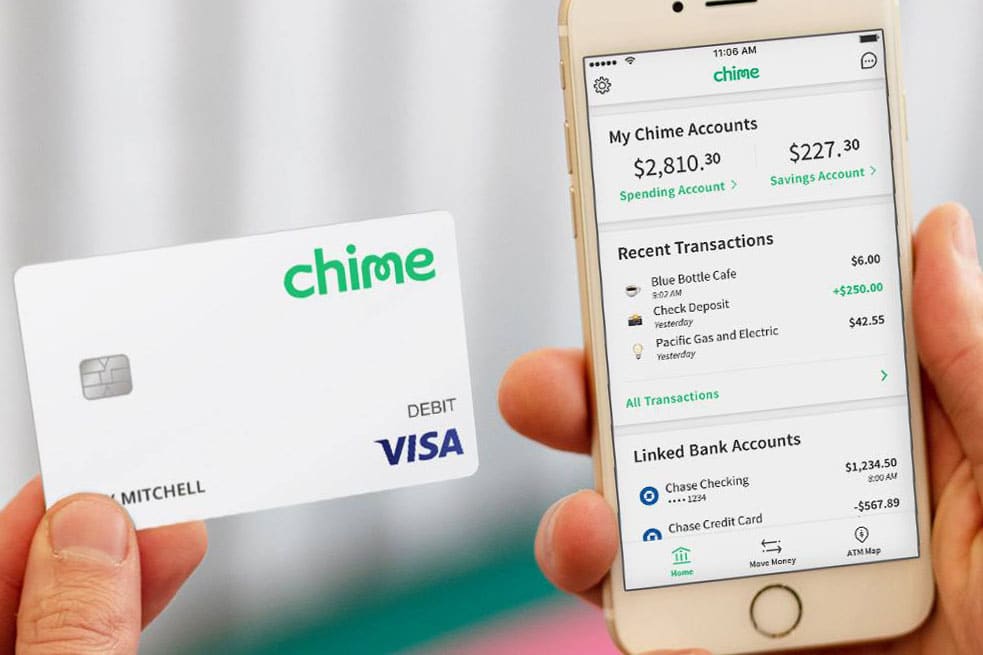
Chime’s primary offerings are its Spending Account (checking) and Savings Account. The Spending Account functions like a traditional checking account, complete with a Visa® Debit Card, enabling online and in-store purchases, ATM withdrawals, and bill payments. A standout feature is “Get Paid Early,” which allows members to access their direct deposit paychecks up to two days sooner than traditional banks, depending on when the employer sends payroll information. This can be a significant benefit for individuals managing tight budgets.
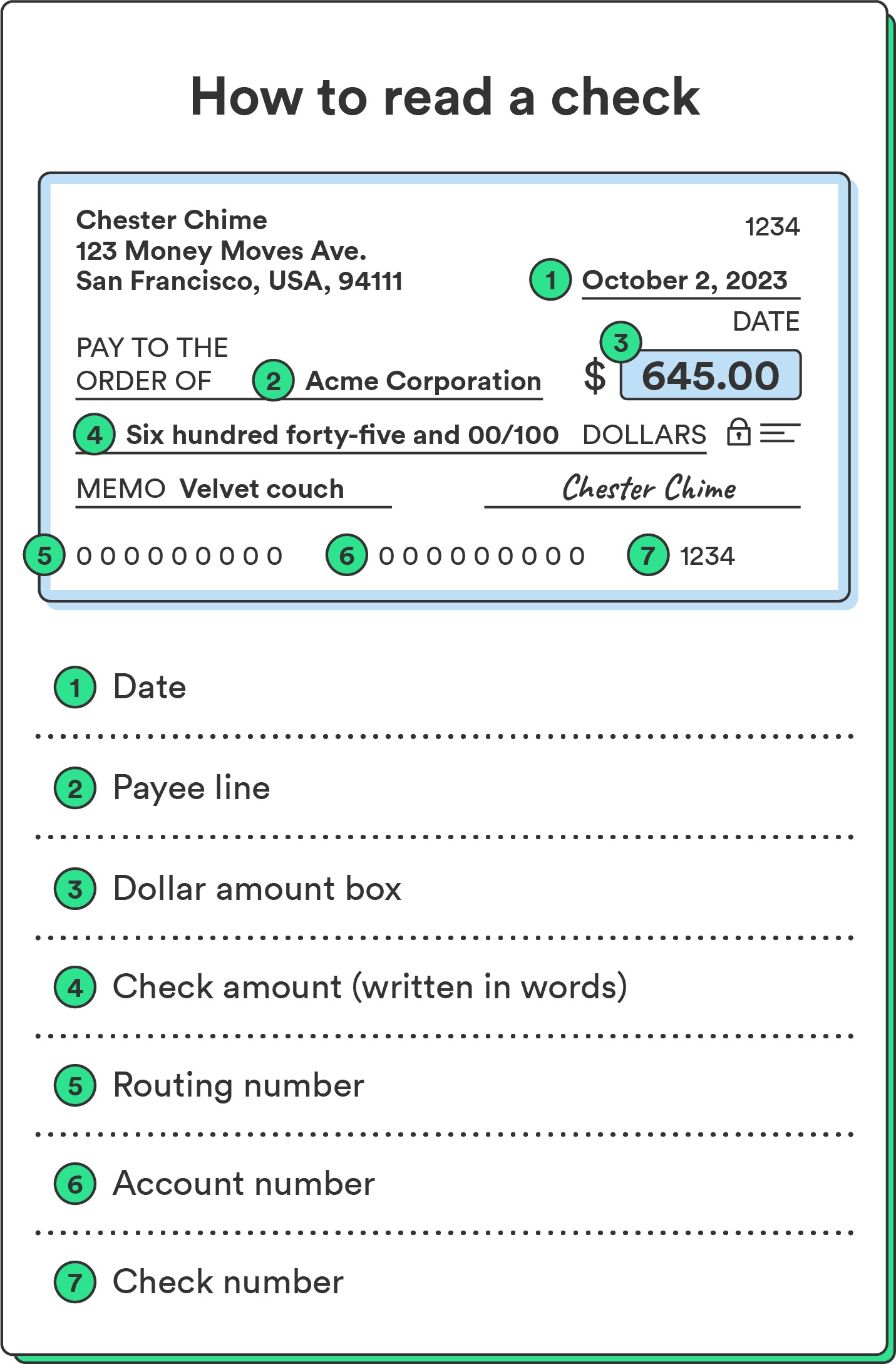
The Savings Account is designed to encourage automatic saving. Features like “Save When I Get Paid” (automatically transfers 10% of every direct deposit of $200 or more to savings) and “Round Up” (rounds up debit card purchases to the nearest dollar and transfers the difference to savings) make saving effortless. These automated tools are powerful for users who struggle with consistent saving habits, integrating wealth-building into daily transactions.
Credit Builder Secured Visa® Credit Card
A particularly innovative financial tool offered by Chime is its Credit Builder Secured Visa® Credit Card. This product is unique because it doesn’t require a credit check to apply and has no annual fees or interest charges. Users secure the card with funds transferred from their Chime Spending Account to their Credit Builder secured account. This money acts as collateral and becomes the credit limit.
The brilliant aspect of Credit Builder is that it reports on-time payments to major credit bureaus. This allows individuals, especially those with no credit history or looking to rebuild poor credit, to gradually improve their credit score responsibly. It’s a direct response to a significant pain point in personal finance, offering an accessible pathway to better financial health without the high risks or costs often associated with traditional secured credit cards.
Fee Structure: A User-Centric Approach
Perhaps one of Chime’s most compelling features, and a significant deviation from traditional banking, is its fee structure. Chime proudly promotes a “no hidden fees” philosophy. This means:
-
No monthly maintenance fees.
-
No minimum balance fees.
-
No foreign transaction fees.
-
No overdraft fees with its optional “SpotMe®” service, which allows eligible members to overdraw their account up to a pre-set limit without fees.
This transparent and low-fee approach significantly impacts personal finance, especially for individuals who might otherwise incur substantial charges from traditional banks for common actions like overdrawing their account or failing to maintain a minimum balance. Chime’s model democratizes access to banking services by removing common financial barriers.
Who Benefits from Chime? Targeting the Financially Underserved
Chime’s design and service offerings are particularly appealing to specific demographics and those facing unique financial challenges. Its mission is deeply rooted in financial inclusion.
Addressing Traditional Banking Gaps
Many individuals, including those with lower incomes, fluctuating work schedules, or a history of past banking issues, often find themselves underserved or actively penalized by traditional banks. These banks might impose high fees, rigid requirements, or complex procedures that create barriers to entry or lead to a cycle of debt. Chime steps in to fill these gaps by offering accessible accounts with minimal barriers. The early direct deposit feature, for instance, provides crucial flexibility for individuals living paycheck to paycheck, allowing them to manage bills and expenses more effectively.
Financial Inclusion and Accessibility
Chime significantly contributes to financial inclusion by providing essential banking services to populations that might struggle to access them elsewhere. Its mobile-first platform removes geographical barriers, while its streamlined account opening process simplifies access. For the “unbanked” or “underbanked,” who rely on costly alternatives like check-cashing services or predatory lenders, Chime offers a safer, more affordable, and empowering alternative. This accessibility is not just a convenience; it’s a critical component of economic empowerment.
The Appeal for Everyday Money Management
Beyond specific demographics, Chime appeals broadly to anyone seeking a simpler, more efficient way to manage their everyday money. Its intuitive app, instant transaction alerts, and automated savings features cater to individuals who prioritize convenience and transparency. For those who want to avoid the complexities and hidden costs of traditional banking, Chime offers a refreshingly straightforward approach to personal finance. It transforms the often-dreaded task of banking into a seamless and almost invisible part of daily life.
Navigating the Financial Landscape with Chime
Integrating a fintech like Chime into one’s personal finance strategy requires a balanced understanding of its strengths and limitations.
Weighing the Advantages and Limitations
The advantages of using Chime for personal finance are clear: low fees, early access to paychecks, intuitive mobile tools for budgeting and saving, and an accessible credit-building program. These features address common pain points and empower users to take better control of their financial lives.
However, like any financial tool, Chime has its limitations. As a digital-only institution, it lacks physical branches, which might be a drawback for individuals who prefer in-person service or frequently handle cash deposits (though cash deposits are possible through retail partners like Green Dot). While its range of services is excellent for everyday banking, it doesn’t offer more complex financial products such as mortgages, investment portfolios, or business loans typically found at larger, full-service banks. Users looking for a one-stop shop for all their financial needs might need to supplement Chime with other institutions or specialized financial advisors.
Integration into a Broader Personal Finance Strategy
For many, Chime serves as an excellent primary account for everyday spending, saving, and managing direct deposits. Its features can be powerful components of a robust personal finance strategy, particularly for establishing an emergency fund, building credit, and avoiding unnecessary fees. Users might choose to combine Chime with other financial tools or institutions for specific needs, such as a traditional bank for large loans, an investment brokerage for long-term growth, or a specialized budgeting app for advanced financial planning.
The key is to leverage Chime for its strengths—cost-effectiveness, convenience, and user-friendly features—while recognizing where other financial products or services might better suit more complex or specialized needs. This integrated approach allows individuals to build a personalized financial ecosystem that maximizes benefits and minimizes drawbacks.
The Future of Digital Banking and Consumer Choice
Chime’s continued growth and innovation are indicative of the broader trends in digital banking. As technology advances and consumer expectations evolve, fintech companies will likely continue to reshape how individuals interact with their money. The emphasis on user experience, transparency, and accessible features pioneered by companies like Chime is setting new standards for the entire financial industry.
Ultimately, Chime represents a powerful financial tool within the modern money landscape. It is a fintech company that provides banking services through regulated bank partners, offering a compelling alternative to traditional banks. For consumers, understanding “what financial institution is Chime” means recognizing it as a technology-driven provider focused on personal finance accessibility, low costs, and user empowerment, firmly establishing its place as a significant player in helping individuals manage their money more effectively in the digital age.
aViewFromTheCave is a participant in the Amazon Services LLC Associates Program, an affiliate advertising program designed to provide a means for sites to earn advertising fees by advertising and linking to Amazon.com. Amazon, the Amazon logo, AmazonSupply, and the AmazonSupply logo are trademarks of Amazon.com, Inc. or its affiliates. As an Amazon Associate we earn affiliate commissions from qualifying purchases.