
In an era defined by personal data and connected living, understanding fundamental physiological metrics has never been more accessible. Among these, blood oxygen saturation (SpO2) has emerged as a key indicator of respiratory and circulatory well-being. Once a parameter exclusively measured in clinical settings, the question “what is a good oxygen level” has transitioned from the doctor’s office to everyday conversation, largely thanks to the proliferation of advanced wearable technology and home monitoring devices.
This article delves into the technological landscape that enables us to monitor our oxygen levels, exploring the gadgets, software, and AI tools that have transformed health awareness. We will examine how these innovations work, how to interpret the data they provide, and what the future holds for this vital aspect of personal health management, strictly through the lens of technology.

The Technological Evolution of Oxygen Level Monitoring
The ability to non-invasively measure blood oxygen levels represents a significant leap in medical technology, a leap that has now firmly landed in the consumer market. Understanding this journey helps contextualize the devices we use today.
From Clinical Settings to Consumer Wearables
For decades, the pulse oximeter was a specialized medical instrument, a ubiquitous clip found in hospitals and clinics. These devices, primarily designed for healthcare professionals, provided quick and accurate SpO2 readings using a simple yet effective method. The innovation of miniaturization and integration has dramatically shifted this paradigm. Today, a similar, often less precise but remarkably convenient, technology is embedded in smartwatches, fitness trackers, and even standalone portable devices available to the general public. This transition means individuals can now proactively monitor their oxygen levels, turning what was once a reactive medical test into a proactive health habit.
The Science Behind SpO2 Measurement: A Technological Lens
At the heart of every modern oxygen monitoring device, from a hospital-grade pulse oximeter to a sleek smartwatch, lies the principle of photoplethysmography. This technological marvel leverages the unique way oxygenated and deoxygenated hemoglobin absorb light. The device typically employs two light-emitting diodes (LEDs), one red and one infrared, which shine light through a translucent part of the body, usually a fingertip or the wrist. On the opposite side, a photodetector measures the amount of light that passes through.
Oxygenated hemoglobin absorbs more infrared light and allows more red light to pass through, while deoxygenated hemoglobin does the opposite. By analyzing the ratio of red to infrared light absorption, and accounting for the pulsatile nature of arterial blood flow, the device’s algorithms can calculate the percentage of hemoglobin carrying oxygen, presenting it as an SpO2 reading. This sophisticated interplay of light, sensors, and algorithmic processing is the technological backbone of all contemporary oxygen level monitors.
Advancements in Sensor Technology
The journey from bulky clinical equipment to wrist-worn gadgets has been paved by relentless innovation in sensor technology. Early consumer devices faced challenges with accuracy, especially during motion or in varying skin tones. Modern advancements include multi-wavelength sensors that improve signal acquisition in diverse conditions, more powerful and efficient microprocessors for faster data analysis, and sophisticated signal processing algorithms designed to filter out “noise” from motion artifacts. Material science has also played a role, with new optical designs and better sensor-skin interfaces enhancing reliability. These continuous improvements are crucial for making oxygen monitoring in consumer devices not just convenient, but increasingly trustworthy.
Interpreting Oxygen Level Data from Your Devices
Having the technology to measure SpO2 is only half the battle; understanding what the numbers signify, especially in the context of consumer-grade devices, is equally important.
What Do the Numbers Mean?
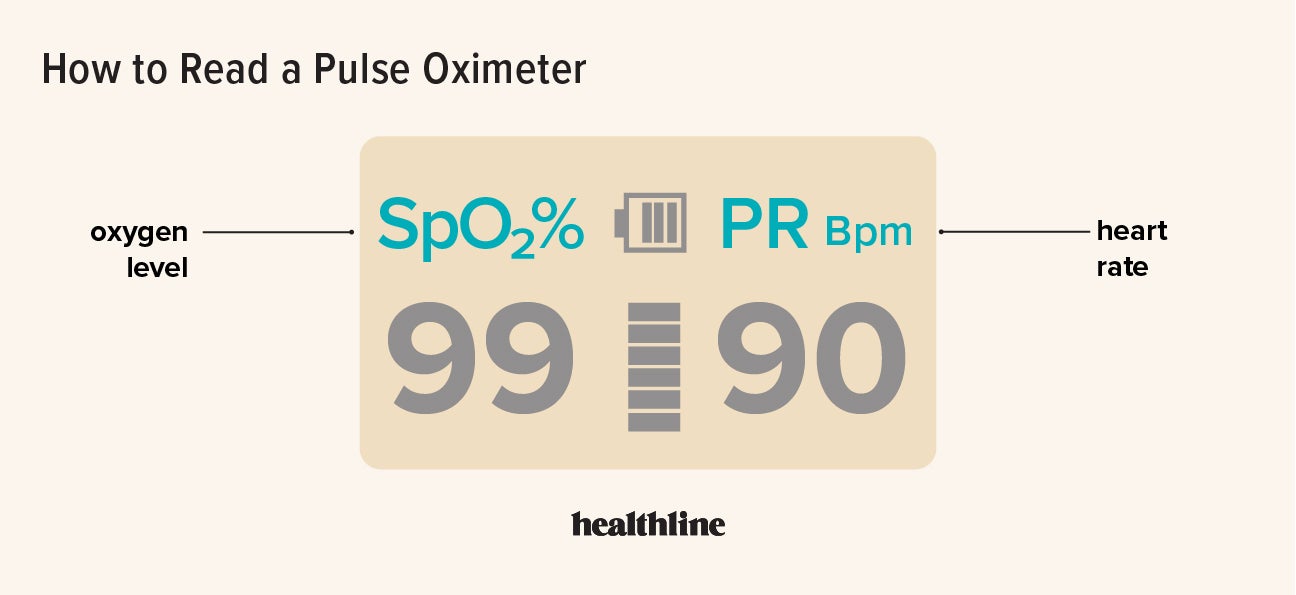
For most healthy individuals, a “good oxygen level” as reported by a device typically falls between 95% and 100%. Readings consistently below 95% may indicate a condition known as hypoxemia, which could warrant medical attention. While these devices are not diagnostic tools, their software is often designed to flag consistently low readings or significant drops, prompting the user to consult a healthcare professional. For instance, some smartwatches monitor SpO2 during sleep and can alert users to potential sleep disturbances or respiratory issues based on sustained low saturation events. The key here is that the technology provides data points, and its interpretation features often guide the user on when to seek expert human advice.
Factors Affecting Device Readings
It’s crucial for users to understand the technological limitations and environmental factors that can influence the accuracy of SpO2 readings from consumer devices. Motion during measurement is a common culprit, as it can interfere with the light transmission and reception, leading to erroneous data. Skin tone variations can sometimes affect light absorption, although newer devices are improving in this regard. Nail polish (especially dark colors), artificial nails, and even tattoos over the sensor area can obstruct light pathways. Poor circulation or extreme cold can also impact the accuracy of readings because they affect blood flow to the measurement site. Awareness of these technological nuances helps users obtain more reliable data.
Integrating Data with Health Platforms
The true power of modern oxygen monitoring technology extends beyond a single reading; it lies in data integration. Most smart devices come with companion apps that collect, store, and visualize SpO2 data over time. These apps often integrate with broader health platforms like Apple Health or Google Fit, allowing users to consolidate their biometric data – including heart rate, sleep patterns, and activity levels – into a comprehensive digital health profile. This holistic view, facilitated by robust software ecosystems, enables users to track trends, identify correlations, and gain deeper insights into their overall well-being from a data-driven perspective.
Smart Devices as Personal Oxygen Sentinels
The integration of SpO2 monitoring into everyday gadgets has transformed them into proactive guardians of our health, making continuous monitoring a reality for millions.
Smartwatches and Fitness Trackers

The modern smartwatch has become a quintessential example of technology serving health monitoring. Brands like Apple, Samsung, Fitbit, and Garmin have incorporated sophisticated pulse oximetry sensors into their devices. These wearables often offer on-demand SpO2 measurements and, critically, passive or continuous background monitoring, particularly during sleep. From a tech perspective, features like robust battery life, bright displays for easy reading, seamless Bluetooth connectivity, and intuitive app interfaces are paramount. While consumer smartwatches are not medical devices, their ability to provide consistent data points and alert users to potential anomalies makes them invaluable tools for personal health awareness.
Dedicated Consumer Pulse Oximeters
Despite the rise of wearables, dedicated consumer pulse oximeters still hold a significant place. These devices, typically clip-on finger models, often boast higher accuracy than many wearables for spot checks, sometimes even carrying FDA clearance (in certain regions) for over-the-counter use. They are usually more affordable than smartwatches and serve as a reliable, straightforward option for individuals who primarily need accurate, occasional SpO2 readings without the added functionalities of a smartwatch. Their technological focus is singular: precise oxygen measurement.
The Role of AI in Predictive Monitoring
The future of oxygen monitoring is deeply intertwined with Artificial Intelligence. AI algorithms are moving beyond simply reporting data; they are learning to analyze complex patterns and trends in SpO2 readings over extended periods. For example, AI can sift through hours of overnight SpO2 data, along with heart rate and movement, to identify subtle drops or patterns indicative of conditions like sleep apnea or other nocturnal breathing irregularities. This predictive capability, residing within the device’s software and cloud-based analytics, transforms raw data into actionable insights, providing personalized alerts and potentially even prompting users to consult medical professionals before acute symptoms manifest.
The Future Landscape of Oxygen Monitoring Technology
The trajectory of oxygen monitoring technology points towards even greater integration, personalization, and security.
Non-Invasive Continuous Monitoring
Current methods typically involve the finger or wrist. However, research and development are pushing the boundaries towards even less obtrusive, continuous monitoring. Emerging technologies include smart rings with SpO2 sensors, adhesive skin patches, and even smart fabrics woven with biometric sensors. The goal is to collect reliable oxygen saturation data without requiring conscious interaction from the user, making it a truly seamless part of everyday life. Imagine a future where your smart shirt can passively monitor your oxygen levels during a workout or throughout the day, sending data directly to your health app.
Hyper-Personalized Health Insights
As AI and machine learning mature, the insights derived from oxygen level data will become hyper-personalized. Instead of generic alerts, future systems could establish a unique baseline for each individual, factoring in their age, activity level, medical history, and even environmental conditions. AI will then be able to detect deviations from your personal normal, offering tailored recommendations or early warnings specific to your physiological profile. This move from population-level averages to individual-centric analytics represents a significant leap in the utility of health technology.
Data Security and Privacy in Health Tech
With the increasing collection of sensitive biometric data, including oxygen levels, the importance of robust data security and privacy cannot be overstated. Future innovations will prioritize end-to-end encryption for health data, secure cloud storage architectures, and transparent user controls over who can access their information. The industry will need to navigate the delicate balance between leveraging data for health insights and safeguarding personal privacy, potentially through blockchain technologies for data integrity and decentralized data management systems that give users more direct control.
Choosing and Utilizing Oxygen Monitoring Devices Effectively
For those looking to integrate oxygen monitoring into their health regimen, making informed technological choices is key.
Evaluating Device Accuracy and Certifications
When selecting a device, especially for more critical monitoring, consumers should look for reputable brands and, where applicable, devices that have undergone regulatory scrutiny (e.g., FDA clearance in the US, CE marking in Europe) for their SpO2 function. It’s important to understand that many consumer wearables are designed for “wellness” purposes and are not intended to be medical diagnostic tools. However, models with a proven track record for consistent and reliable readings, even if not medically certified, can still be valuable for trend monitoring and personal awareness. Checking independent tech reviews and comparisons can also provide insight into real-world performance.
User Experience and Integration
A device’s utility is significantly enhanced by its user experience. An intuitive interface, an easy-to-read display, and seamless integration with a comprehensive health app are crucial. Compatibility with your existing smartphone and other health platforms (like Apple Health or Google Fit) ensures that your SpO2 data can be viewed alongside other metrics for a holistic understanding of your health. Consideration of battery life is also practical; a device that needs constant charging diminishes its continuous monitoring potential.
Best Practices for Reliable Readings
To maximize the accuracy of the technology, users should adhere to best practices. For wrist-worn devices, ensure the sensor is clean and the device is snug, but not uncomfortably tight, on the wrist or finger. Avoid taking readings immediately after strenuous exercise, in very cold environments, or with dark nail polish. Remaining still during a reading is vital for the light sensors and algorithms to function optimally. These seemingly small actions can significantly impact the quality of the data your device provides.
Conclusion
The journey from a specialized medical instrument to a common feature in consumer electronics underscores the rapid advancements in health technology. Answering “what is a good oxygen level” has evolved from a simple physiological query to a question deeply intertwined with how we interact with our smart devices and interpret the digital health data they provide. Modern technology has democratized access to this vital health metric, empowering individuals with unprecedented levels of self-awareness.
However, it is paramount to remember that while these technologies offer powerful insights and act as vigilant sentinels, they are tools for information and awareness, not replacements for professional medical advice. The future promises even more sophisticated, integrated, and personalized monitoring solutions, further blurring the lines between technology and personal health. As we embrace these innovations, a critical understanding of their capabilities, limitations, and the importance of data security will ensure we harness their full potential for a healthier, more informed future.
aViewFromTheCave is a participant in the Amazon Services LLC Associates Program, an affiliate advertising program designed to provide a means for sites to earn advertising fees by advertising and linking to Amazon.com. Amazon, the Amazon logo, AmazonSupply, and the AmazonSupply logo are trademarks of Amazon.com, Inc. or its affiliates. As an Amazon Associate we earn affiliate commissions from qualifying purchases.