
In an era increasingly defined by digital transformation, even complex medical conditions are being re-evaluated through the lens of technology. While “gastroenterocolitis” might seem a purely clinical term, its understanding, diagnosis, management, and even prevention are now inextricably linked with advancements in digital health, artificial intelligence, and sophisticated medical devices. Rather than merely defining a physiological ailment, we delve into what gastroenterocolitis represents from a technological perspective: a profound challenge that drives innovation across the health tech landscape. It’s a testament to how technology is not just an enabler but a fundamental pillar in our evolving approach to intricate health issues, shaping everything from early detection to personalized treatment strategies.

The Digital Frontier of Digestive Health Management
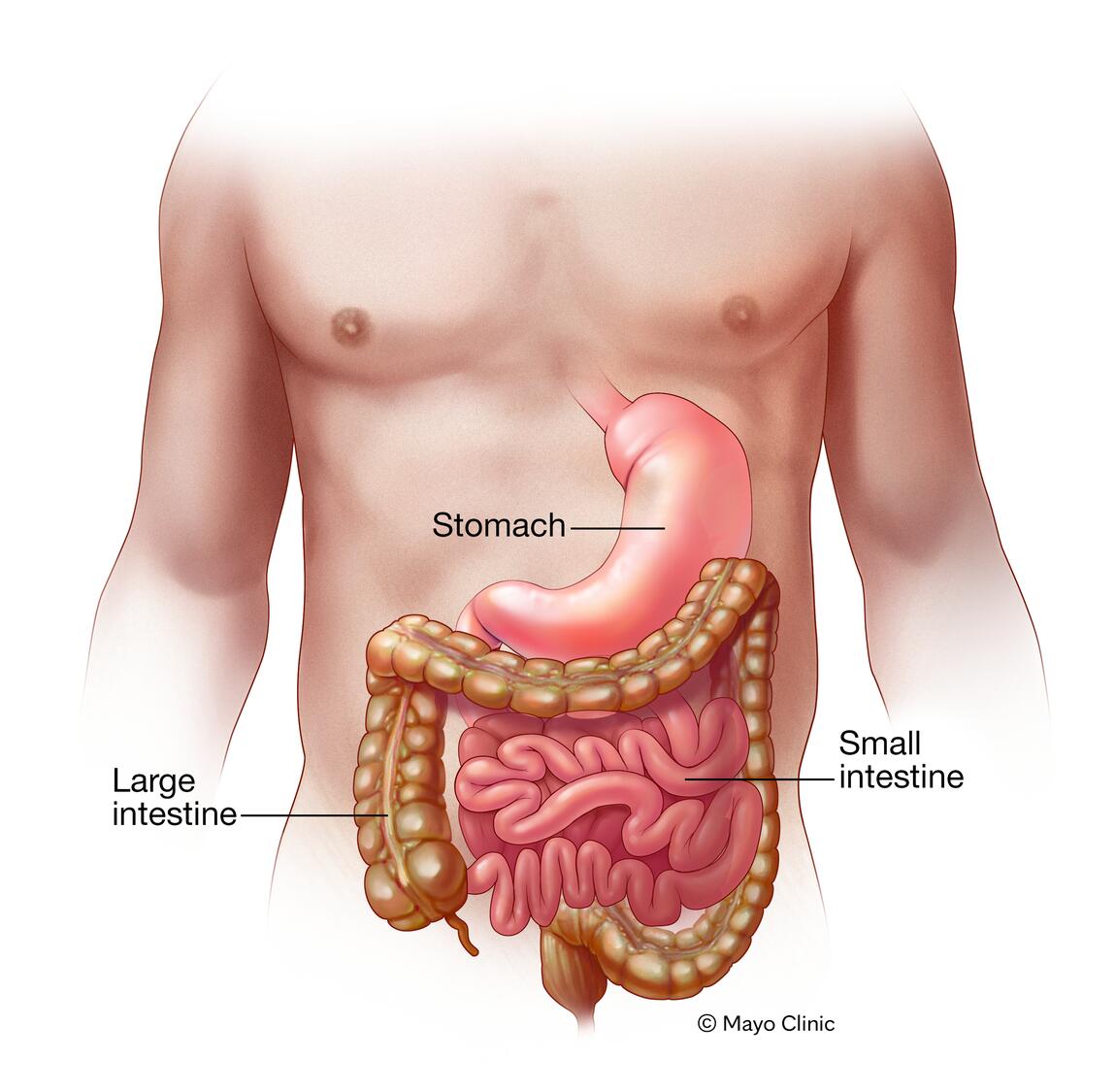
The human digestive system is a marvel of biological engineering, yet it is susceptible to a myriad of conditions, among which gastroenterocolitis stands as a notable example of inflammatory challenges affecting the gastrointestinal tract. From a technology perspective, managing such conditions isn’t just about medication; it’s about harnessing data, connectivity, and intelligent systems to improve patient outcomes. The digital frontier for digestive health is expanding rapidly, offering tools that promise greater precision, accessibility, and personalization than ever before.
Leveraging AI and Machine Learning for Early Detection
Artificial Intelligence (AI) and Machine Learning (ML) are revolutionizing the diagnostic process for conditions like gastroenterocolitis. Traditional diagnosis often relies on subjective symptom reporting, physical examinations, and invasive procedures. AI, however, can process vast datasets—including electronic health records, imaging scans, laboratory results, and even genetic information—to identify subtle patterns and risk factors that might escape human detection. Machine learning algorithms can be trained on historical patient data to predict the likelihood of developing gastroenterocolitis, or to identify its presence earlier and with greater accuracy. For instance, AI-powered diagnostic tools can analyze endoscopic images for inflammation or structural changes indicative of the condition, offering real-time assistance to clinicians during procedures. Furthermore, natural language processing (NLP) can parse unstructured patient notes and reports, extracting critical information to inform diagnoses and treatment plans, thus accelerating the diagnostic journey and reducing diagnostic errors. This capability moves us closer to a proactive, rather than reactive, healthcare model.
The Role of Wearable Technology in Symptom Monitoring
Wearable technology has transitioned from fitness tracking to serious health monitoring, providing continuous, passive data collection that is invaluable for chronic conditions or acute episodes like gastroenterocolitis. While direct detection of internal inflammation remains a challenge for current wearables, they excel at tracking vital signs and symptoms that can indicate a worsening condition or treatment efficacy. Devices capable of monitoring heart rate variability, skin temperature, sleep patterns, and even activity levels can provide a holistic view of a patient’s physiological state. For instance, a sudden shift in sleep quality or an unexplained increase in resting heart rate might be an early indicator of inflammatory processes or dehydration related to gastroenterocolitis. Patients can log their symptoms digitally via linked apps, creating a detailed, longitudinal record that clinicians can access remotely. This not only empowers patients to take a more active role in their health management but also equips healthcare providers with richer, real-world data points that go beyond intermittent clinic visits, enabling timelier interventions and more personalized care adjustments.
Innovative Diagnostic and Therapeutic Technologies
Beyond monitoring, technology is fundamentally reshaping how gastroenterocolitis is diagnosed with precision and treated effectively. The push for less invasive, more accurate, and highly personalized interventions is driving significant technological advancements in both diagnostics and therapeutics.
Advanced Imaging and Endoscopic Tools
The cornerstone of diagnosing gastroenterocolitis often involves direct visualization of the gastrointestinal tract. Advanced imaging and endoscopic technologies are making these procedures more effective, less invasive, and safer. High-definition endoscopes equipped with narrow-band imaging (NBI) or chromoendoscopy enhance the visualization of mucosal changes, allowing for the detection of subtle inflammation or precancerous lesions that might be missed with standard white-light endoscopy. Capsule endoscopy, where patients swallow a small camera, offers a non-invasive way to visualize the entire small bowel, a region often difficult to reach with traditional endoscopes. Furthermore, robotic-assisted endoscopy is emerging, offering improved maneuverability and precision for biopsies and interventions, potentially reducing procedural time and patient discomfort. Complementary imaging techniques like advanced MRI and CT scans, enhanced with AI analysis, provide detailed anatomical and inflammatory assessments, helping to map the extent and severity of the condition without the need for invasive procedures. These technologies not only improve diagnostic accuracy but also facilitate better planning for therapeutic interventions.
Precision Medicine and Personalized Treatment Approaches

Gastroenterocolitis is not a monolithic condition; its etiology and progression can vary significantly among individuals. This heterogeneity underscores the need for precision medicine, a tech-driven approach that tailors medical treatment to the individual characteristics of each patient. Genomic sequencing and transcriptomics allow clinicians to analyze a patient’s genetic makeup and gene expression patterns, identifying predispositions or specific pathways involved in their inflammation. This information can guide the selection of the most effective biologic therapies or immunomodulators, minimizing trial-and-error treatment approaches. Furthermore, advancements in microbiome analysis, powered by high-throughput sequencing and bioinformatics, enable a deeper understanding of the gut microbiota’s role in gastroenterocolitis. Manipulating the microbiome through targeted probiotics, prebiotics, or fecal microbiota transplantation (FMT) is a burgeoning therapeutic area, with technology providing the tools for precise characterization and intervention. Digital platforms also facilitate the integration of this multi-omic data, providing clinicians with a comprehensive patient profile to inform highly personalized treatment strategies, moving away from a one-size-fits-all model.
Data-Driven Insights and Public Health
The impact of technology extends beyond individual patient care, offering a macroscopic view that can inform public health strategies and epidemiological understanding of conditions like gastroenterocolitis. The aggregation and analysis of vast datasets are critical for identifying trends, understanding risk factors, and deploying targeted interventions on a larger scale.
Big Data Analytics for Epidemiological Understanding
Big data analytics is transforming our understanding of the prevalence, incidence, and geographical distribution of gastroenterocolitis. By analyzing anonymized data from electronic health records (EHRs), insurance claims, public health databases, and even social media trends, researchers can identify environmental triggers, dietary patterns, and demographic groups at higher risk. For example, sudden spikes in diagnoses in specific regions might point to localized outbreaks related to contaminated food or water sources, enabling rapid public health responses. Predictive modeling, powered by machine learning on these vast datasets, can forecast future trends, helping healthcare systems prepare for potential surges in cases. This data-driven approach moves beyond anecdotal evidence, providing robust, evidence-based insights that are crucial for developing effective prevention strategies and allocating resources efficiently across public health infrastructures.
Telemedicine and Remote Patient Care for Gastroenterological Conditions
The advent of telemedicine has dramatically expanded access to specialized care, a boon for patients with chronic or recurring conditions like gastroenterocolitis who might live in remote areas or face mobility challenges. Virtual consultations, remote monitoring platforms, and digital health apps allow patients to connect with gastroenterologists and other healthcare providers from the comfort of their homes. This reduces the burden of travel, minimizes exposure to infectious agents in clinical settings, and facilitates more frequent follow-ups, which is crucial for managing fluctuating symptoms and adjusting medications. Telemedicine platforms often integrate with electronic health records and wearable devices, allowing clinicians to review real-time data, lab results, and symptom logs during virtual visits. This continuous engagement fosters better patient adherence to treatment plans and provides a safety net, allowing for early detection of complications and prompt intervention, thereby improving overall quality of life for those managing gastroenterocolitis.
The Future Landscape: Prevention Through Technology
Looking ahead, the technological evolution in gastroenterology is poised to shift focus increasingly towards prevention. By leveraging advanced analytics, personalized insights, and ongoing research into the gut microbiome, technology promises to mitigate the incidence and severity of inflammatory conditions before they fully manifest.
Probiotics, Microbiome Research, and Digital Interventions
The human gut microbiome is a complex ecosystem, increasingly recognized for its profound impact on health, including susceptibility to conditions like gastroenterocolitis. Technology, particularly advanced genomic sequencing and bioinformatics, is driving an explosion in microbiome research, allowing for precise characterization of individual gut flora. This understanding paves the way for highly targeted digital interventions. Personalized dietary recommendations, informed by an individual’s unique microbiome profile and genetic predispositions, can be delivered through AI-powered nutrition apps. Furthermore, the development of next-generation probiotics and prebiotics, designed based on specific microbiome deficiencies or imbalances identified through technological analysis, represents a significant preventive strategy. Digital platforms could monitor adherence to these interventions and track their efficacy, closing the loop on a data-driven approach to maintaining gut health and potentially preventing the onset or recurrence of inflammatory conditions.
Ethical Considerations and Data Security in Digital Health
As technology becomes more integrated into digestive health management, ethical considerations and data security rise to paramount importance. The collection and analysis of sensitive patient data, including genetic information, health records, and real-time physiological metrics, necessitate robust cybersecurity measures to protect privacy and prevent breaches. Compliance with regulations such as HIPAA, GDPR, and other regional data protection laws is not merely a legal requirement but an ethical imperative. Furthermore, the potential for algorithmic bias in AI diagnostics, or the digital divide impacting access to advanced health tech, requires careful consideration. Ensuring equitable access, transparency in AI decision-making, and continuous oversight of data handling practices are crucial for building trust and ensuring that the benefits of technological advancements in managing conditions like gastroenterocolitis are accessible and fair to all segments of society.
In conclusion, “what is gastroenterocolitis” transcends a simple medical definition when viewed through a technological lens. It represents a dynamic field where AI, wearables, advanced diagnostics, and data analytics are converging to revolutionize digestive health. From early detection to personalized treatment and proactive prevention, technology is not just enhancing our capacity to manage this condition but is fundamentally reshaping the future of gastroenterology itself, promising a more precise, accessible, and patient-centric healthcare experience.
aViewFromTheCave is a participant in the Amazon Services LLC Associates Program, an affiliate advertising program designed to provide a means for sites to earn advertising fees by advertising and linking to Amazon.com. Amazon, the Amazon logo, AmazonSupply, and the AmazonSupply logo are trademarks of Amazon.com, Inc. or its affiliates. As an Amazon Associate we earn affiliate commissions from qualifying purchases.